

What are the standard Kyoto vegetables? Introducing OYAOYA's 6 most popular choices
Dried Kamo Eggplant
This traditional Kyoto vegetable has a history of over 300 years and has been actively cultivated in Kyoto's Kamigamo district. Its fine-grained, firm flesh is soft yet resistant to falling apart when cooked, and its sweet umami flavor melts in your mouth.
Drying it further tightens the flesh more than fresh eggplant, giving it a subtly elegant, sweet taste. When heated, it transforms into a tender, melt-in-your-mouth texture, similar to roasted eggplant. You can enjoy a sweetness reminiscent of fruit.

Soy Milk Hiyajiru (Cold Soup) with Dried Kamo Eggplant
Adding soy milk to Hiyajiru gives it a rich and mellow flavor, making it easy to swallow. With colorful summer vegetables, the flavor deepens with every bite.

Dried Manganji Pepper
Among sweet peppers, this Kyoto vegetable is thick and large, said to have originated in Maizuru City in northern Kyoto Prefecture. It is characterized by its green color, which maintains a fresh aroma.
Even when dried, the plump texture of the flesh remains unchanged. Instead, the refreshing flavor of green chili pepper becomes even more pronounced than when eaten fresh.

Cream Pasta with Dried Manganji Pepper
This easy pasta is recommended for working from home. A thick and juicy cream pasta made with flaked salmon and dried Manganji pepper. Click here for the recipe

Dried Fushimi Pepper
This traditional Kyoto vegetable has records of cultivation in the Fushimi area dating back to Edo period texts. Fushimi pepper, a sweet variety of chili pepper, has a flavor that seems to have stolen all the spiciness. It is also characterized by its softness and refreshing aroma. Click here for the product

Chinese Congee with Dried Fushimi Pepper
This recipe warms both your body and soul. *If you have chicken, stewing it together will enhance the flavor and make it a chicken congee.Click here for the recipe

Dried Kujo Green Onion
This green onion boasts the longest history among Kyoto vegetables, having been cultivated since the Nara period. Its leaves are tender, with a rich flavor and plenty of sweetness. In winter, when it's in season, the leaves become thicker and even sweeter.Click here for the product

Dashimaki Tamago with Dried Kujo Green Onion
Nutritionally, it's said to be good for recovering strength after childbirth or illness, so it's a dish you'll want to eat even when you have a cold.Click here for the recipe

Dried Shogoin Daikon Radish
Said to have originated in the Shogoin area of Kyoto during the late Edo period, it is one of Kyoto's representative traditional vegetables. This large, round radish is full of moisture, soft yet resistant to falling apart when cooked, and subtly sweet. Click here for the product

Honey-Pickled Dried Shogoin Daikon Radish
I remember as a child, whenever I had a sore throat or felt a bit sick, I would always drink hot honey daikon. This recipe recreates that using dried Shogoin daikon.Click here for the recipe

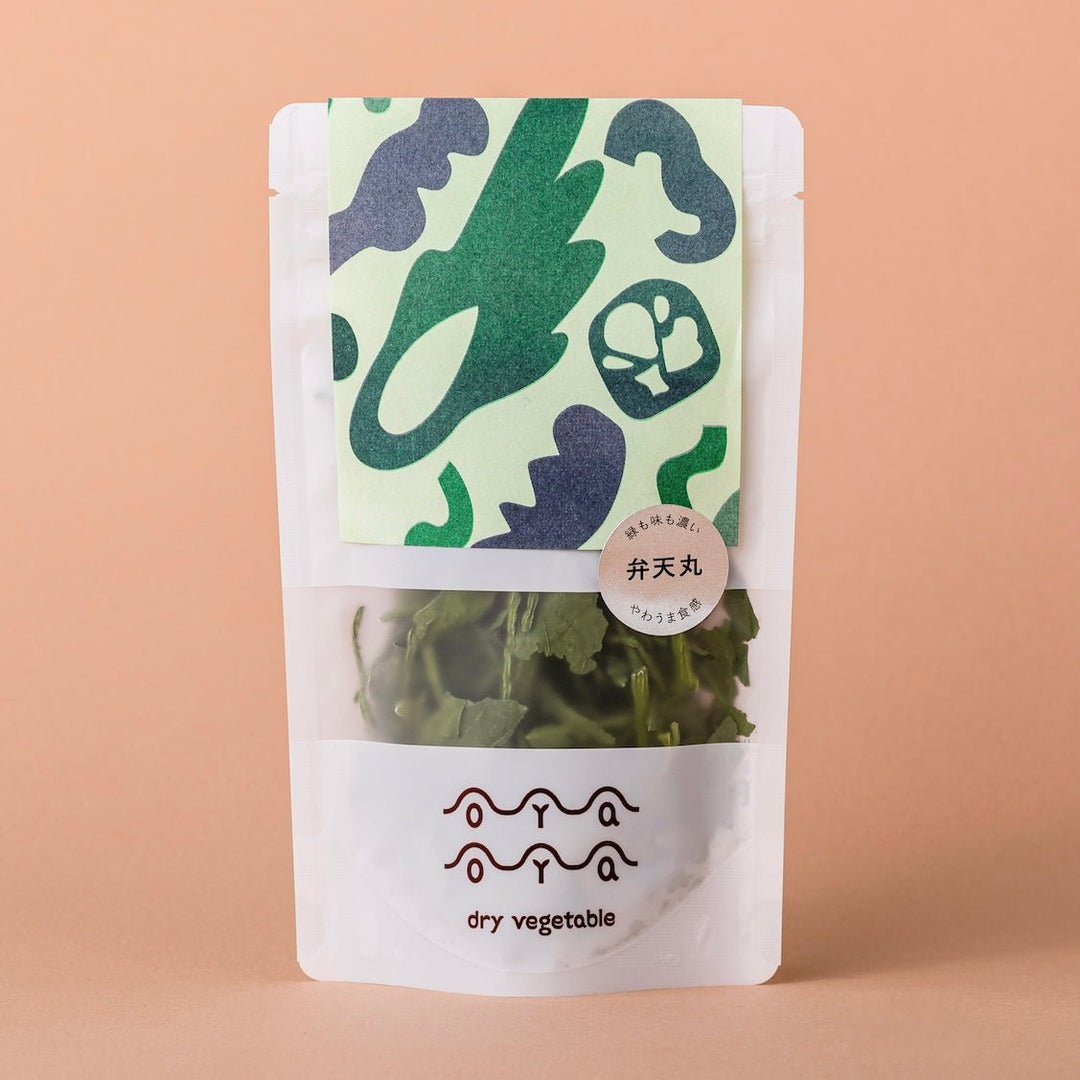
Dried Mizuna
Mizuna, actually one of the few vegetables native to Japan, has been cultivated primarily in Kyoto and the Kansai region for a long time. It is dried to bring out its aroma and texture, so please rehydrate it with water or cook it when eating.Click here for the product

Mizuna and Canned Mackerel Takikomi Gohan (Mixed Rice)
A simple yet delicious takikomi gohan recipe using beautifully colored red mizuna and canned mackerel! The mizuna's texture, unique to dried vegetables, is delicious, and because the moisture is concentrated, the rice's flavor isn't diluted.Click here for the recipe

Dried Mibuna Greens
Mibuna, a traditional Kyoto vegetable, is known for its crisp texture and subtly spicy aroma in Kyoto pickles.Taniguchi Farm's Kyoto Mibuna, which can be enjoyed raw after washing, has a beautiful vibrant yellowish-green color and is exceptionally soft and flavorful. It's popular not only for pickles and salads but also for simmering and grilling.Click here for the product

Enjoy Kyoto Vegetables Through Dried Vegetables!
Kyoto vegetables have a long tradition, but they're not always readily available. Enjoy them easily through dried vegetables, and those who love Kyoto can dive even deeper. For those planning to visit Kyoto, get to know and taste Kyoto in advance! OYAOYA sells sets of Kyoto vegetables, so please check them out!
Related Articles:
Related Products
Learn More About Dried Vegetables
- What are Dried Eggplants? Dried Eggplants with Condensed Umami
- 5 Easy Steps to Making Dried Vegetables
- How to Rehydrate Dried Vegetables | Plump and Flavorful in 10 Minutes
- How to Store Dried Vegetables and Their Shelf Life
- Dried Vegetables Dramatically Improve Miso Soup! The Strongest Ingredients with Condensed Umami
そのほかの乾燥野菜ブログ
View all