

This is the answer! How to rehydrate dried vegetables deliciously
If you rehydrate dried vegetables with water, getting the timing wrong can result in an unsatisfactory texture, or some vegetables may have an unpleasant taste. While rehydrating with hot water or in the microwave is quicker, the vegetable umami might not be as pronounced in the rehydration liquid. Dried vegetables are a convenient preserved food, but the rehydration method can actually be a bit tricky. Let's master delicious rehydration methods, incorporating little tips from Japanese cuisine, where dried vegetables originated and thrived.

Umami-rich, slow rehydration.
The appeal of dried vegetables lies not only in the flavors and textures you wouldn't get from fresh vegetables, but also in the ability to extract a concentrated vegetable dashi (broth). Just like with kombu (kelp), if you focus on slow rehydration, you can extract an umami-rich vegetable dashi from dried vegetables. While the best rehydration method for bringing out umami varies depending on the dish, it's very easy because dried vegetables require no pre-preparation.

Vinegar-pickled dishes like pickles
By soaking them for about half a day in a seasoning liquid mixed with vinegar, water, kombu dashi, etc., you can create umami-rich pickled dishes. Using vinegar extends their shelf life, and they can be stored at room temperature, making them perfect for meal prep.
Click here for the Beni Shoga (red pickled ginger) recipe

Tsukudani and Ni-hitashi
The key is to simmer them slowly over medium heat with seasonings, kombu, and water, then, once boiling, transfer them to an airtight container and let them finish cooking with residual heat. Finishing with residual heat allows the vegetables' own dashi to permeate, and they rehydrate to a tender consistency.
Click here for the Manganji Pepper Ni-hitashi recipe

Miso with dried vegetables
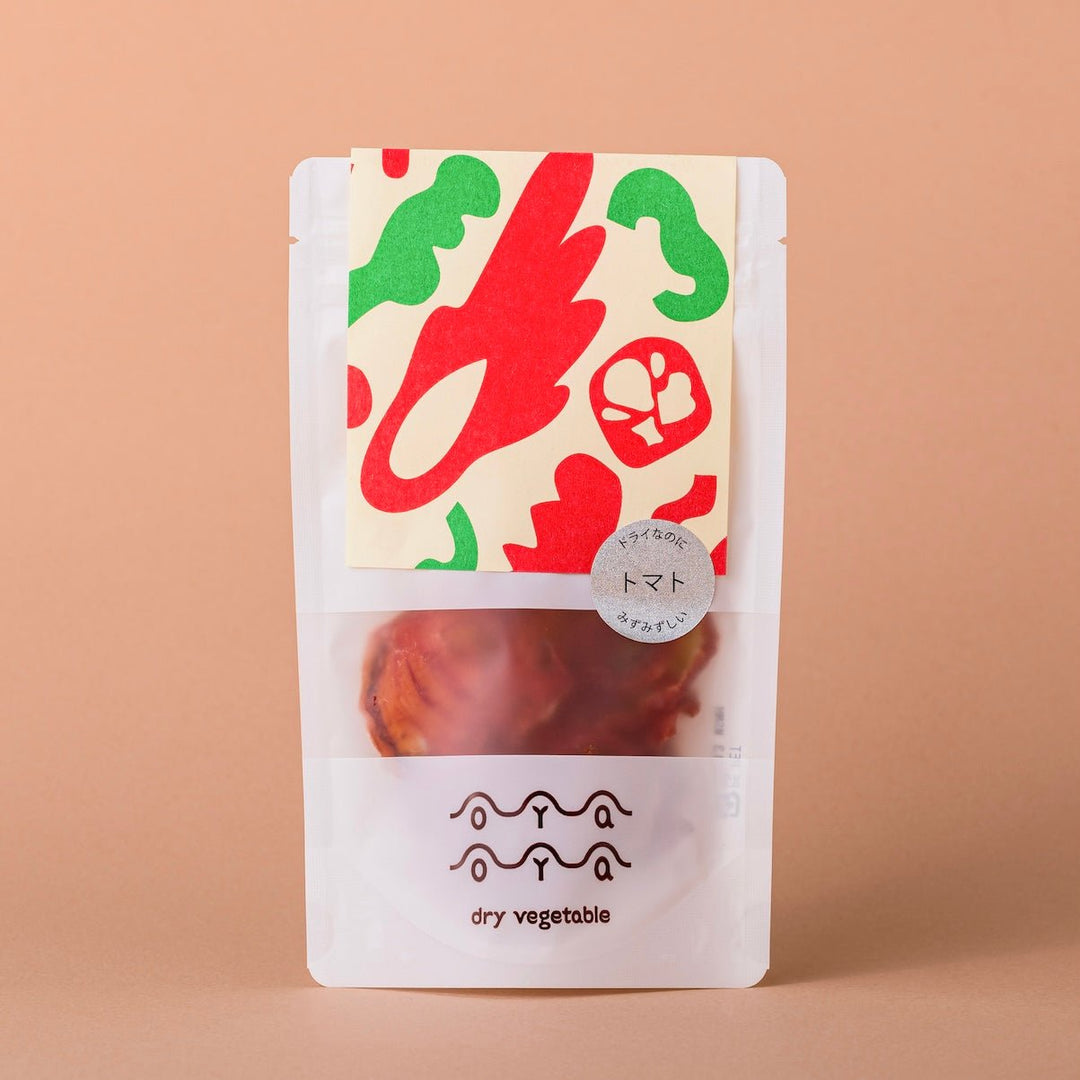
Just leave dried vegetables in miso for about half a day, and you'll have miso infused with vegetable dashi. For dashi extraction, tomatoes are recommended as they share similar properties with kombu. The acidity of the seeds and the umami of the flesh create a delicious dashi.
Click here for the dried vegetable miso recipe

Recommended small trick: Using sake.
The peculiar taste of dried vegetables that can be noticeable when rehydrating with water can be resolved with sake, an essential ingredient in Japanese cuisine. Sake not only mellows out strong flavors but also helps rehydrate vegetables to a tender texture and enhances their umami, making it an excellent seasoning to bring out the deliciousness of dried vegetables. We recommend Nikiri Sake (boiled-down sake), which is also used as a secret ingredient in Japanese cooking.
How to make Nikiri Sake
Place junmai sake or refined sake in a pot, cover, and heat on low for about 3 minutes until the alcohol evaporates. Then it's ready.
How to store Nikiri Sake
Store any leftover Nikiri Sake in the refrigerator. Use it within about 1 week of storage.
How to use Nikiri Sake
Sprinkle it over dried vegetables before rehydrating, lightly massage, and let it sit for about 10 minutes. This will significantly boost the umami of the vegetables when they are cooked and rehydrated. It's convenient to use a spray bottle to sprinkle the Nikiri Sake.

Related Products
Learn more about dried vegetables
- 5 Easy Steps to Make Dried Vegetables
- How to rehydrate dried vegetables | Plump umami revives in 10 minutes
- How to Store Dried Vegetables and Their Shelf Life
- Dried Vegetables Revolutionize Miso Soup! The ultimate ingredient with concentrated umami
- 7 Delicious Soup Recipes Made with Dried Vegetables
そのほかの乾燥野菜ブログ
View all