

Learn how to use dried vegetables!
Rehydrating and Cooking.
Basic Use of Dried Vegetables.
The general method for rehydrating dried vegetables varies depending on the type of vegetable and the dish you're making. For example, classic kiriboshi daikon (dried daikon radish) is rinsed 2-3 times before being soaked in plenty of water.
For stir-fries or salads, rehydration takes about 15-20 minutes, while for simmered dishes, 10 minutes is a good guide.
For salads and simmered dishes, drain thoroughly, but for stir-fries, a light draining is fine.
Click here for rehydration methods

Rehydrate Dried Shiitake Mushrooms Before Use
While dried shiitake mushrooms can be quickly rehydrated using lukewarm water with sugar or a microwave, the basic method is to slowly rehydrate them in cold water for 6-12 hours. Briefly rinse them to remove surface debris, and use just enough water to cover the shiitake mushrooms.

The rehydration water contains a rich umami from the dried vegetables, so you can use it as dashi for miso soup, simmered dishes, or takikomi gohan (mixed rice).

OYAOYA's Way of Using Dried Vegetables.
Eat as is or just add.
However, eating dried vegetables doesn't always require rehydrating them with water.
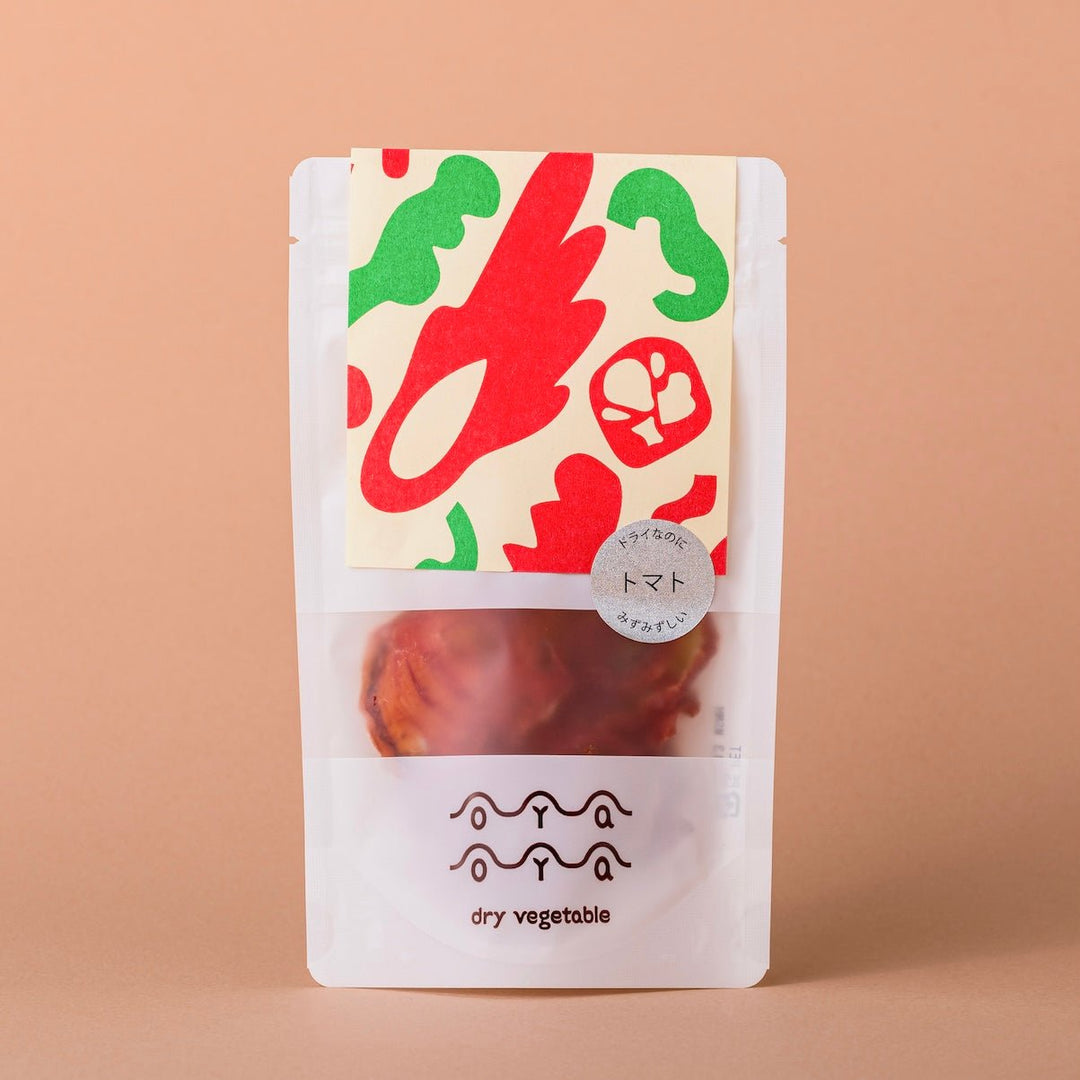
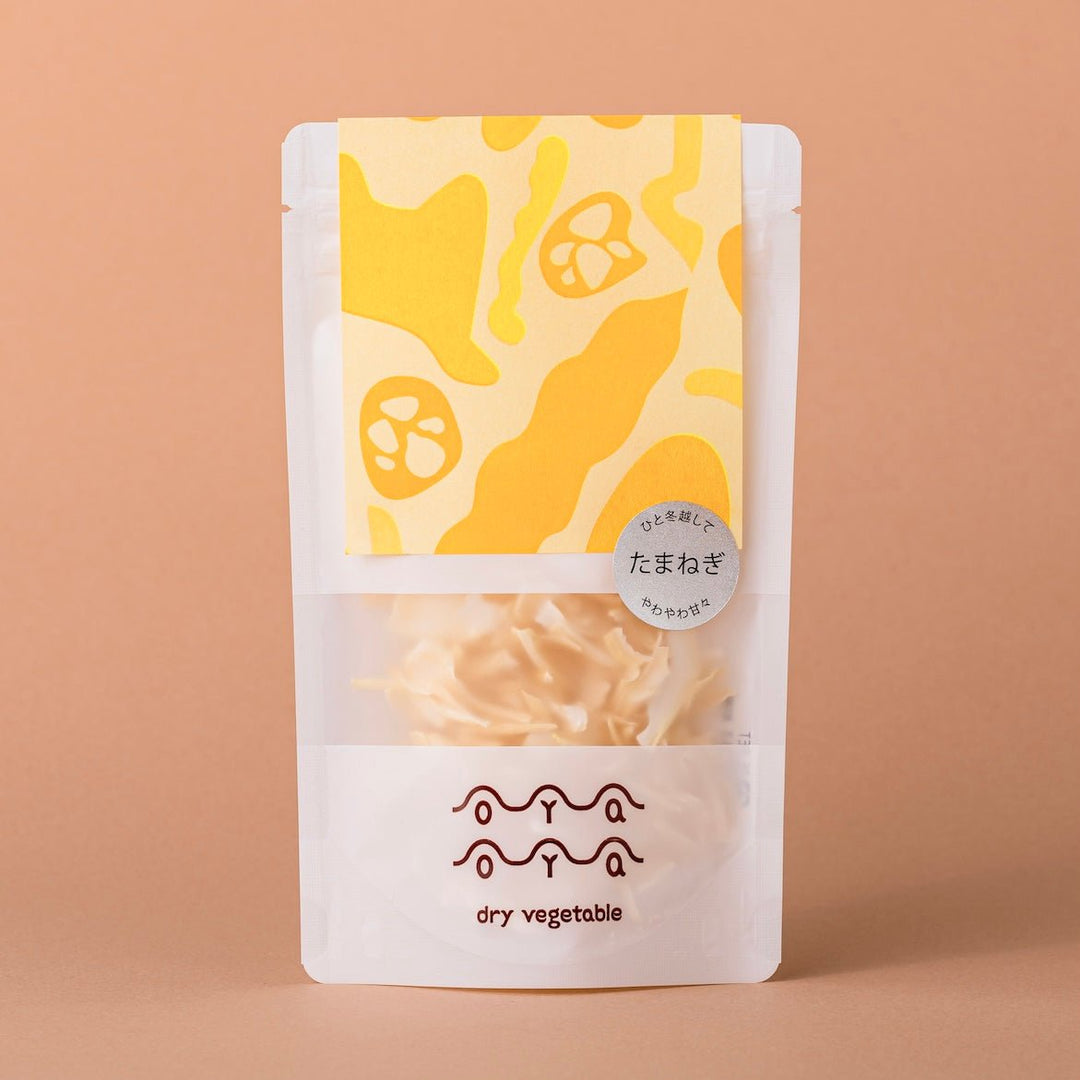
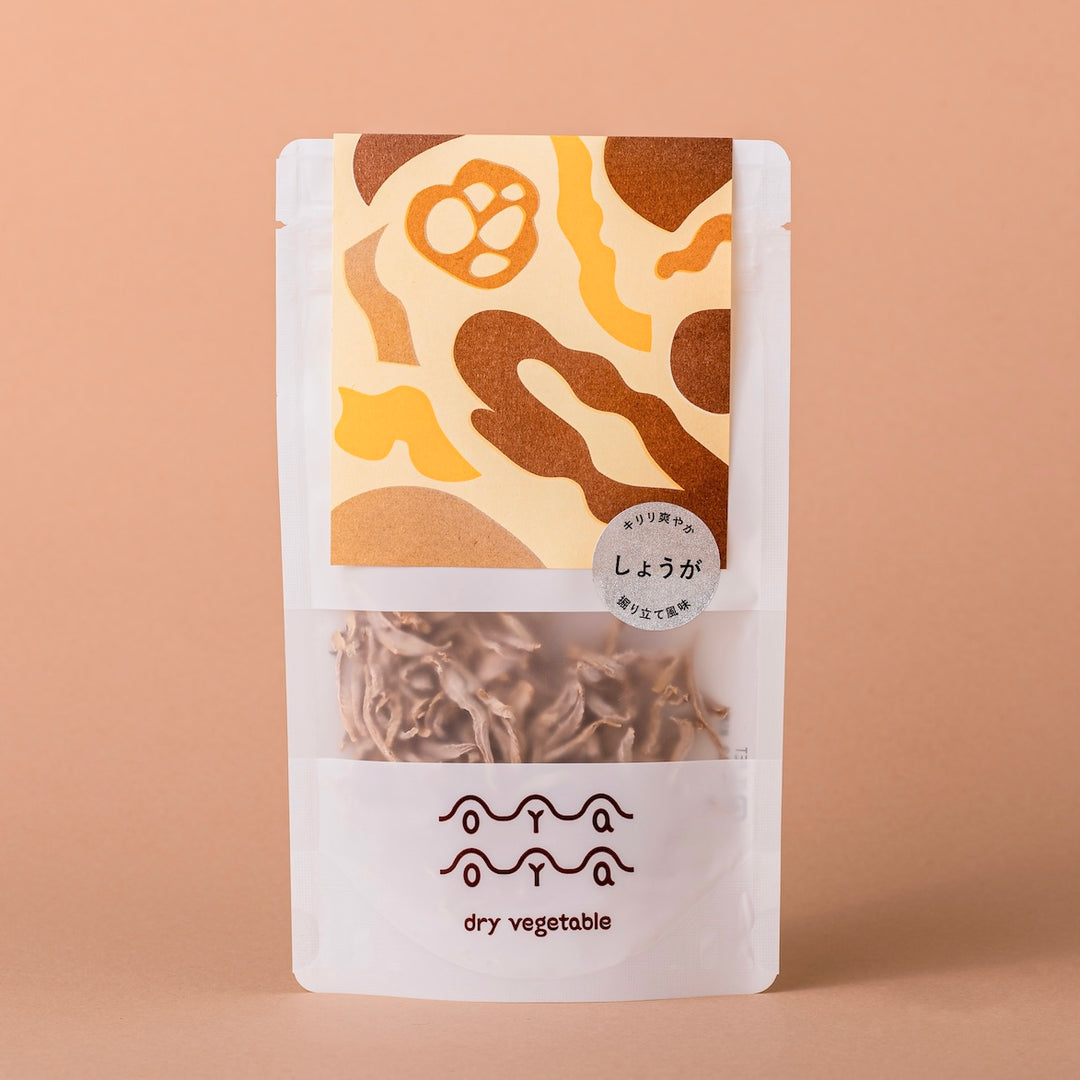
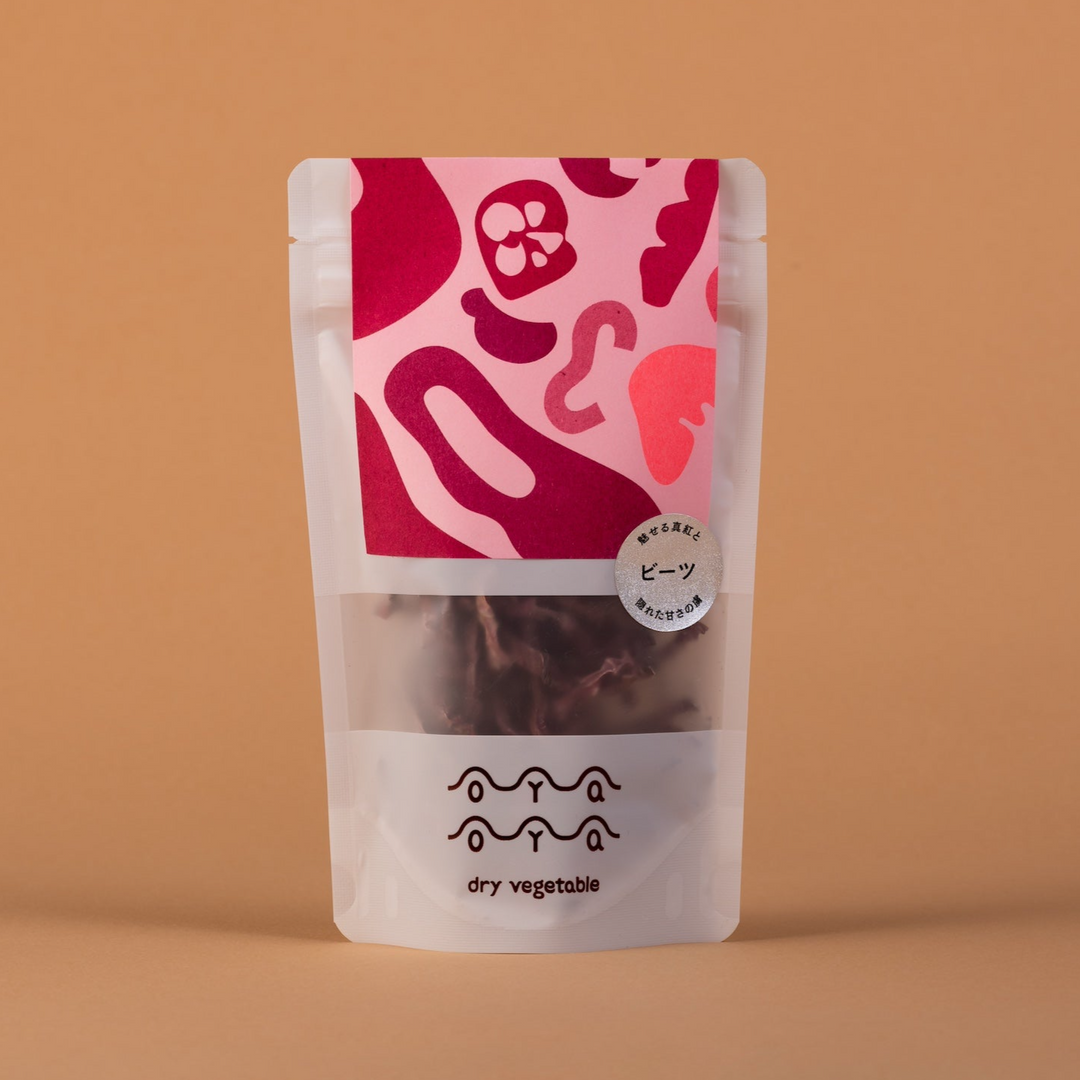
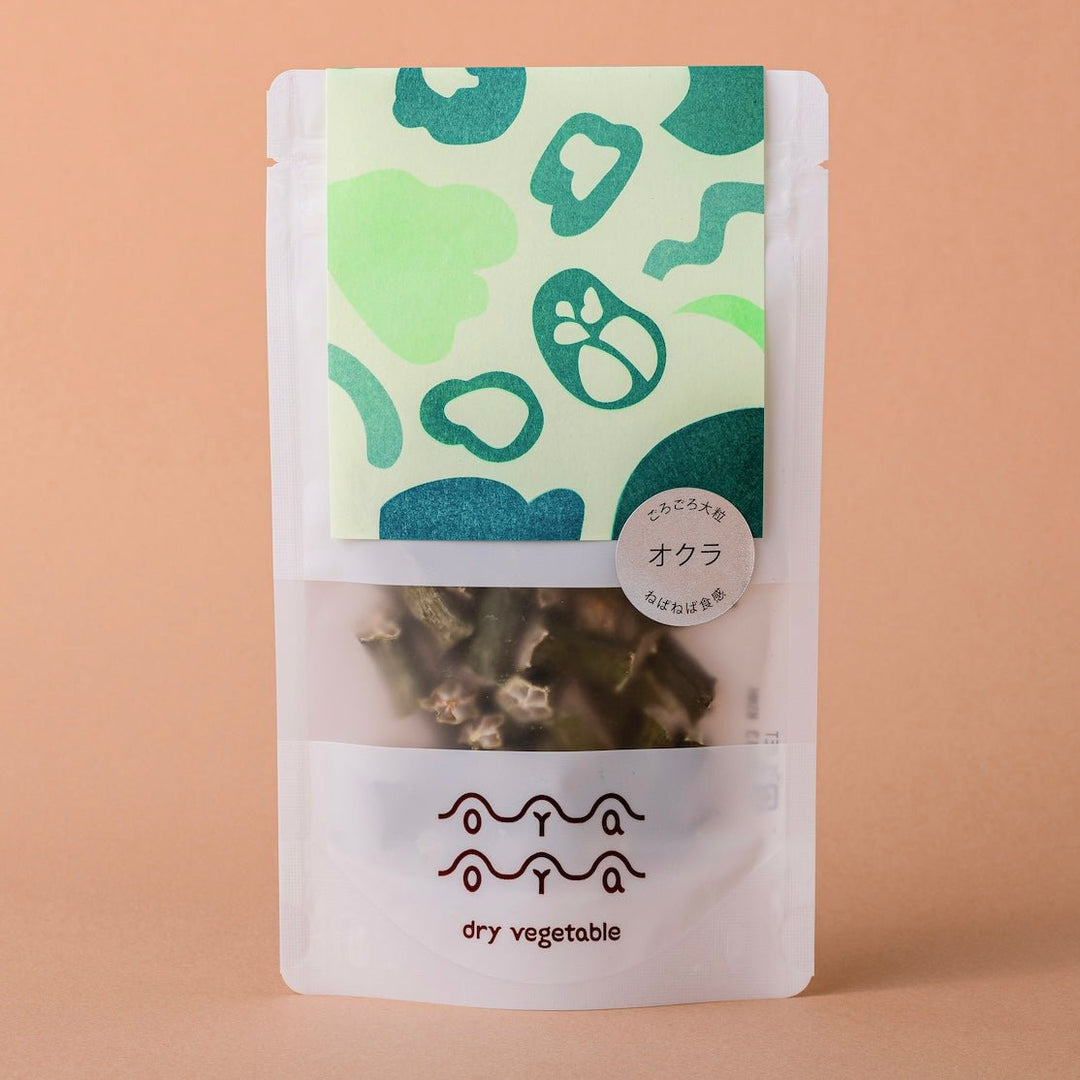
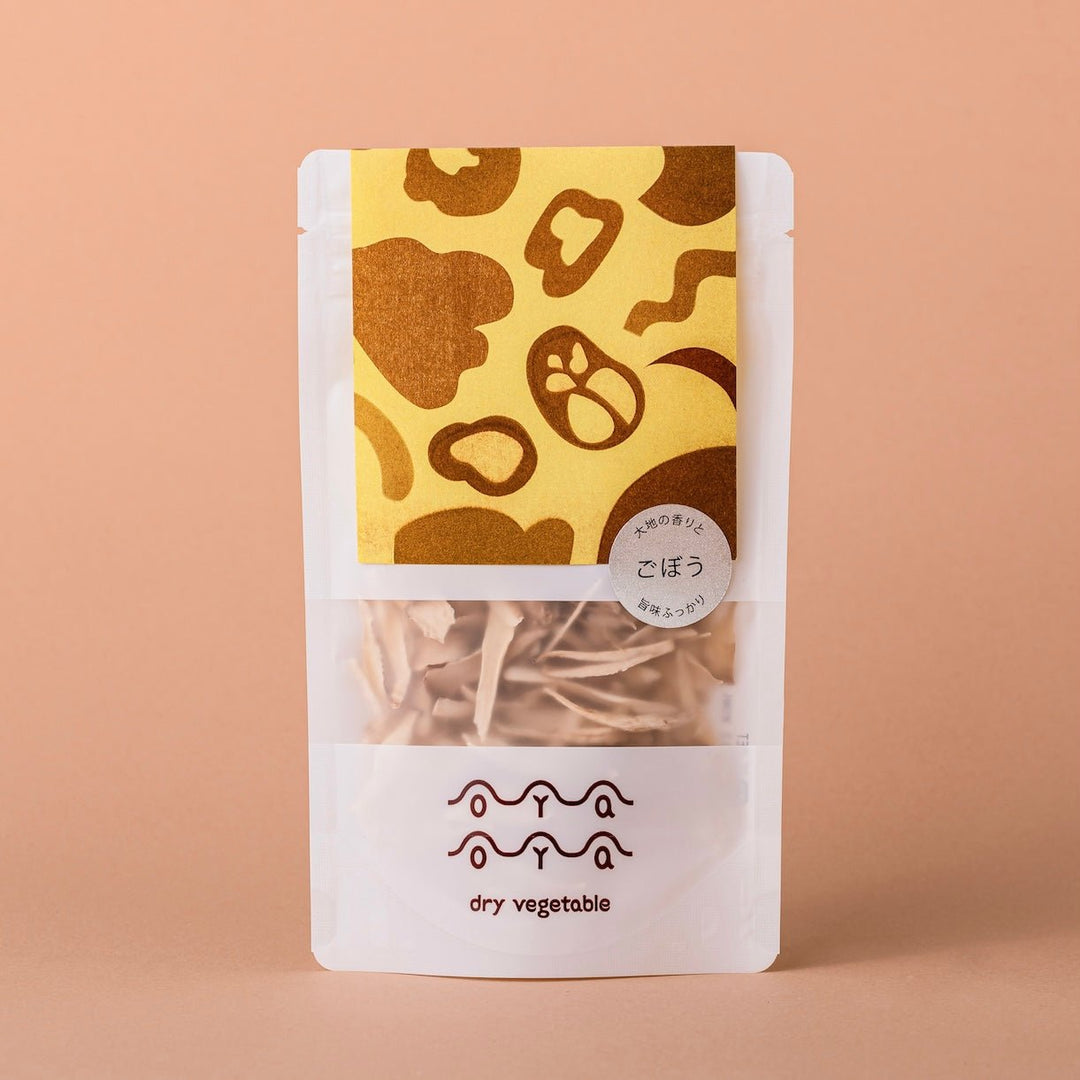
Dried vegetables like OYAOYA, which are washed before processing, can be enjoyed as a snack as is, or they are also recommended as a topping for yogurt, similar to dried fruits.

No need to rehydrate!
Dried vegetables that can be used by simply adding them to dishes
Even when cooking, OYAOYA's way is to simply add them, allowing the rehydration water to also serve as dashi.
When you taste them in soups or takikomi gohan, you'll be surprised by the unexpectedly rich umami of the dried vegetables. When using them as an ingredient in pasta, boil the dried vegetables along with the noodles, and they will soften and impart a subtle flavor to the noodles.

Allow them to fully absorb the flavor.
Also, dried vegetables absorb moisture, so for some dishes, no heating is required. You can pickle them in pickling liquid, and even dishes that tend to become watery, like shira-ae (tofu salad) and salads, won't fail.

Experience dried vegetables
You often hear that dried vegetables have concentrated umami.
Beyond that, they offer a host of appealing qualities for cultivating delicious vegetables, such as the unique flavors of dried produce that you might not notice in fresh vegetables.

The often-imagined dry and tough texture, and the limited use of rehydrating them with water, are, in reality, just perceptions.
Experience the true nature of dried vegetables through OYAOYA.

A new realm of flavor and texture,
the reality of dried vegetables.
Whether familiar or unfamiliar, the deliciousness of dried vegetables is full of novelty. By removing moisture, naturally sweet vegetables become even sweeter, and lightly flavored vegetables reveal hidden umami and aromas.
Another charm of dried vegetables is that they transform into a richer, deeper texture.
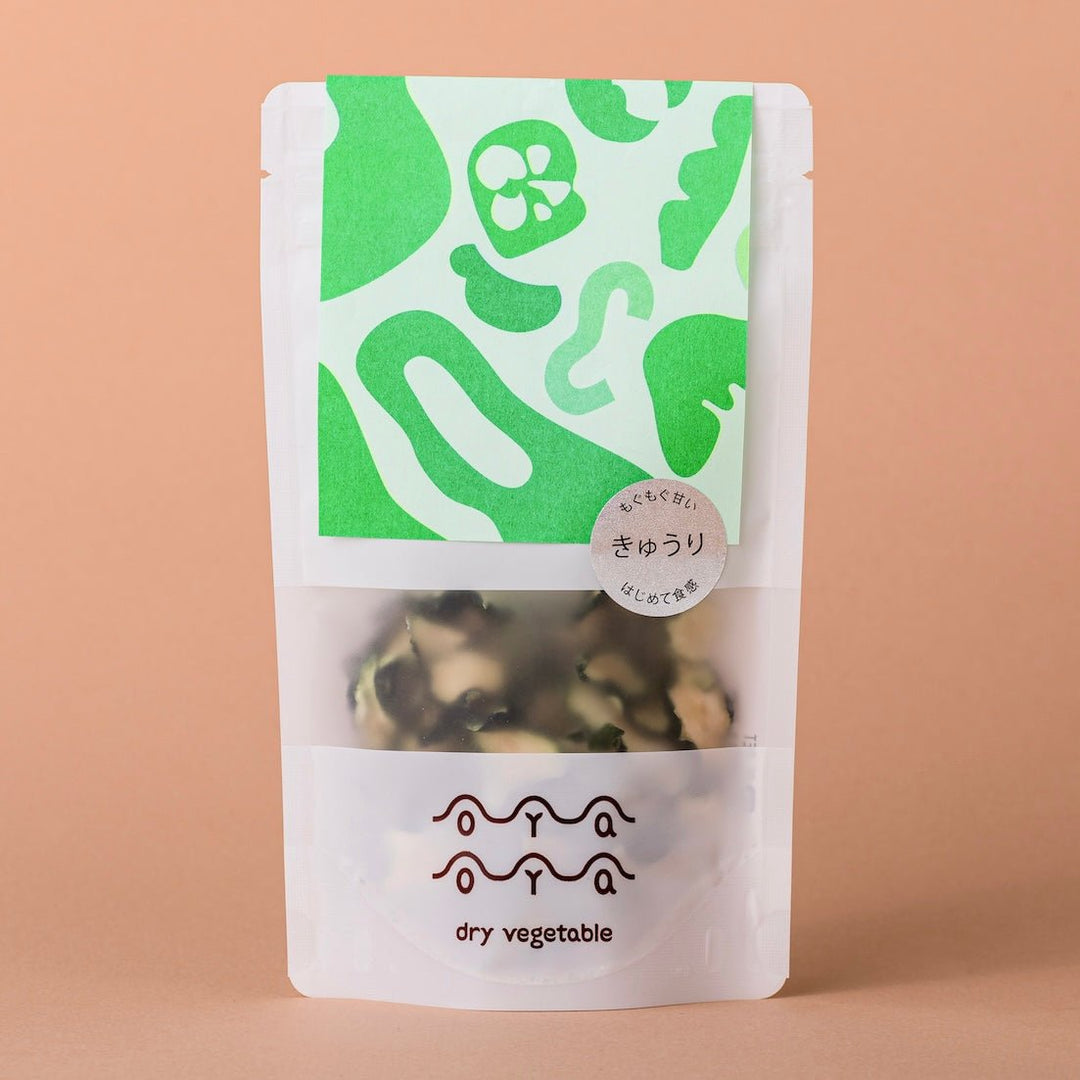
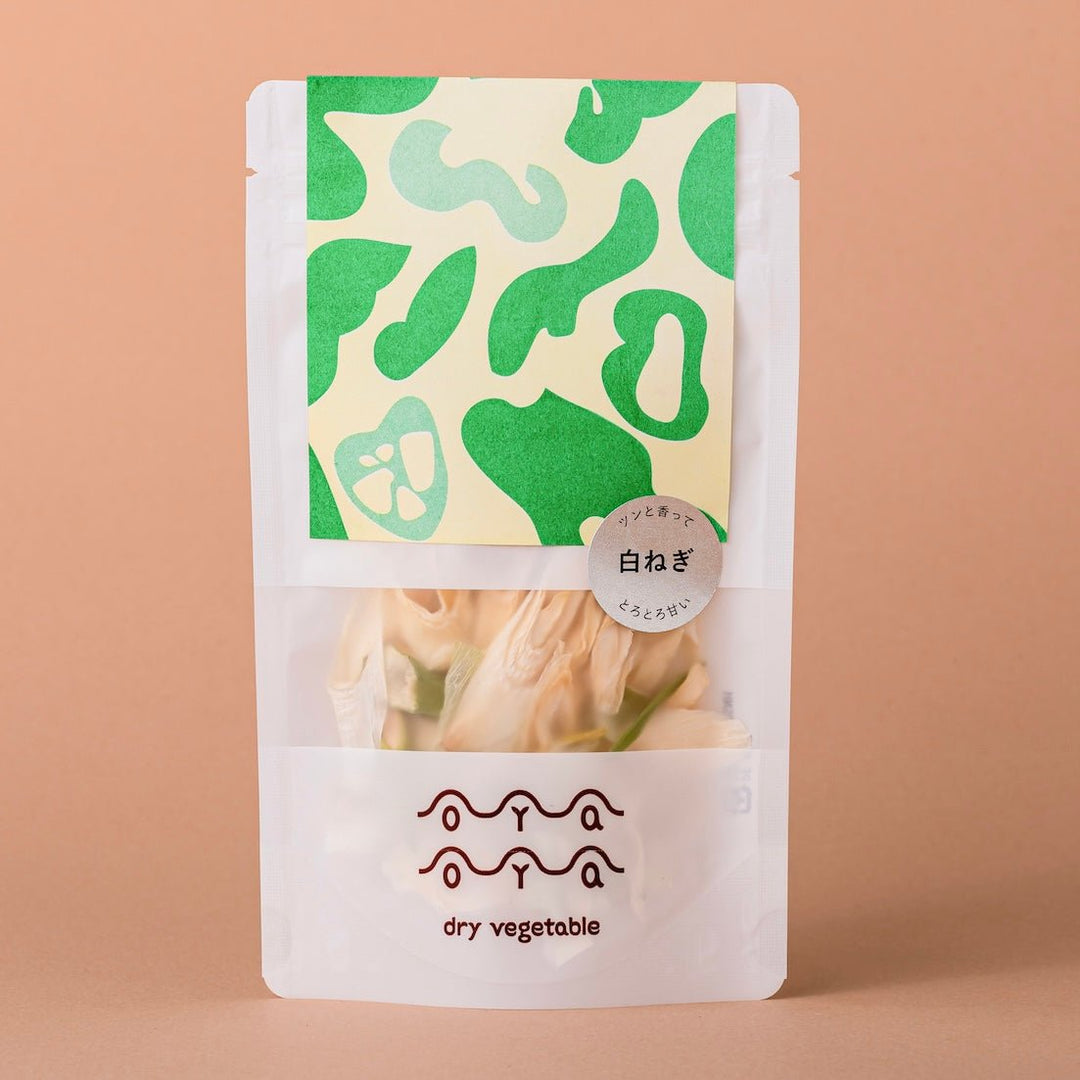
Cucumbers with a chewy texture that are fruity and sweet with every bite. New onions with a soft, melty texture that goes beyond mere tenderness.

Utilize the unique characteristics of each,
and try using dried vegetables.
By carefully drying vegetables at low temperatures, while experimenting with different cutting methods for each vegetable, we achieve a hardness suitable for room temperature storage that is as soft and easy to eat as possible, and the unique characteristics of each vegetable's texture are clearly evident.
Let's cultivate the deliciousness of various vegetables with dried vegetables.
Related Products
Learn More About Dried Vegetables
- What is Kiriboshi Daikon? Flavors that change with parts and cutting methods
- 5 Easy Steps to Making Dried Vegetables
- How to Rehydrate Dried Vegetables | 10 Minutes for Plump, Revitalized Umami
- How to Store Dried Vegetables and Their Shelf Life
- Miso Soup Transformed with Dried Vegetables! The Strongest Ingredients with Concentrated Umami
そのほかの乾燥野菜ブログ
View all