

7 Delicious Dried Vegetable Soup Recipes | Quick and Nutritious
Using dried vegetables makes soup quicker, richer, and more nutritious.
The biggest advantage is that removing moisture enhances sweetness and richness, so you can achieve great flavor simply by simmering. There's no need to make dashi, and just a little seasoning is enough. They cook quickly, making them perfect for a busy day's meal.
In this article, we introduce 7 carefully selected soup recipes that make the most of dried vegetables.
From potage, consommé, and miso-based to cold soups, there's something for every occasion.
Enjoy a satisfying bowl with just the flavor of the ingredients—definitely try incorporating it into your daily routine.
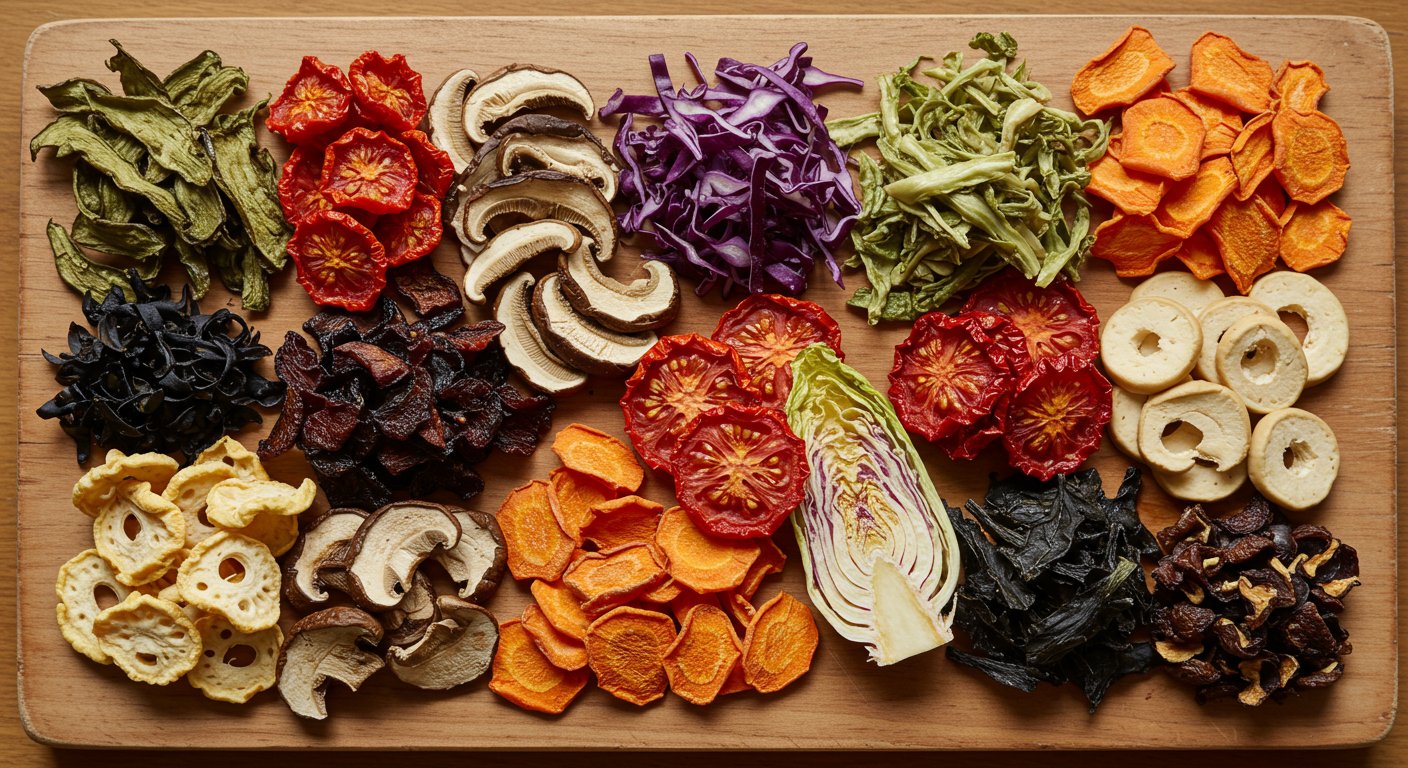
Dried vegetables are "vegetable dashi" themselves.
The biggest feature of dried vegetables is that the vegetables themselves act as "dashi." Simply adding them to water and heating them releases their umami, creating a deep richness throughout the soup.
Root vegetables and mushrooms, in particular, work very well, and by utilizing the rehydrating liquid, you can achieve excellent flavor with minimal seasoning.
The Appeal of Dried Vegetable Soups
-
No dashi needed, flavor is set: Simply simmering dried vegetables releases their natural umami and sweetness.
-
Quick cooking, ideal for busy days: As they are dried, they cook quickly, finishing in 5-10 minutes.
-
Long shelf life, easy to keep on hand: Excellent as a pantry staple for when you need it.
-
Good nutritional balance: The soup allows you to consume nutrients dissolved in the broth.
7 Dried Vegetable Recipes to Expand Your Soup Horizons
The appeal of dried vegetables lies in their simplicity—they're delicious just by simmering—and how they allow the unique character of each ingredient to shine. Here, we introduce 7 recipes for various soup styles, including potage, consommé, cold soups, soy milk, and amazake soups.
Feel free to enjoy them according to your mood or the season.
1. Garlic Soup

A simple soup with 5 types of vegetables, fragrant with garlic and consommé. Infuse olive oil with garlic, then simmer with water and consommé—a lifesaver soup for tired days.
2. Cold Dried Beet Potage Soup

Featuring the sweetness and vibrant red color of the superfood beet. Simply soak in almond milk overnight, then blend in the morning for a healthy cold potage.
3. Carrot Tomato Beauty Soup

A vibrant tomato soup packed with nutrients and color, using three types of dried carrots (dried carrot, orange, Kyo-kurenai) and tomatoes. Onion and garlic add depth to the flavor.
4. Vegetable-Rich Consommé Soup

A colorful consommé soup, rich in iron, using plenty of dried komatsuna, spinach, mizuna, tomatoes, and orange carrots. Add sausages and beaten eggs for a nutritionally complete meal.
5. Cold Daikon and Onion Potage Soup

A cold potage made by soaking dried Shogoin daikon and dried onions in almond milk overnight, then blending until smooth. Gentle on the body, it's also recommended for summer mornings.
6. Dried Cabbage and Amazake Consommé Soup

A morning soup where the sweetness of dried cabbage steeped in amazake and consommé melts together. Topping with fresh cream enhances its mellowness. Perfect for a nutritional boost.
7. Dried Vegetable Soy Milk Miso Soup

A comforting adult soup made with sweet dried onions and orange carrots in a soy milk-based miso soup. The trick to deliciousness is not to boil the soy milk after heating.
3 Tips for Making Even More Delicious Dried Vegetable Soups
Dried vegetable soups are already delicious just by simmering, but with a little ingenuity, your homemade bowl can come much closer to a "professional taste."
Here are 3 tips for making your dried vegetable soup even more delicious, all of which can be easily incorporated into your everyday cooking. No special tools or ingredients are needed. Just a slight change in mindset can significantly improve the outcome.
① "No need to rehydrate" is fine
Dried vegetables pair very well with soup cooking, and generally, you don't need to rehydrate them; you can just add them directly to the pot and simmer. Skipping the rehydration time also shortens cooking time, making them easier to use in daily meals.
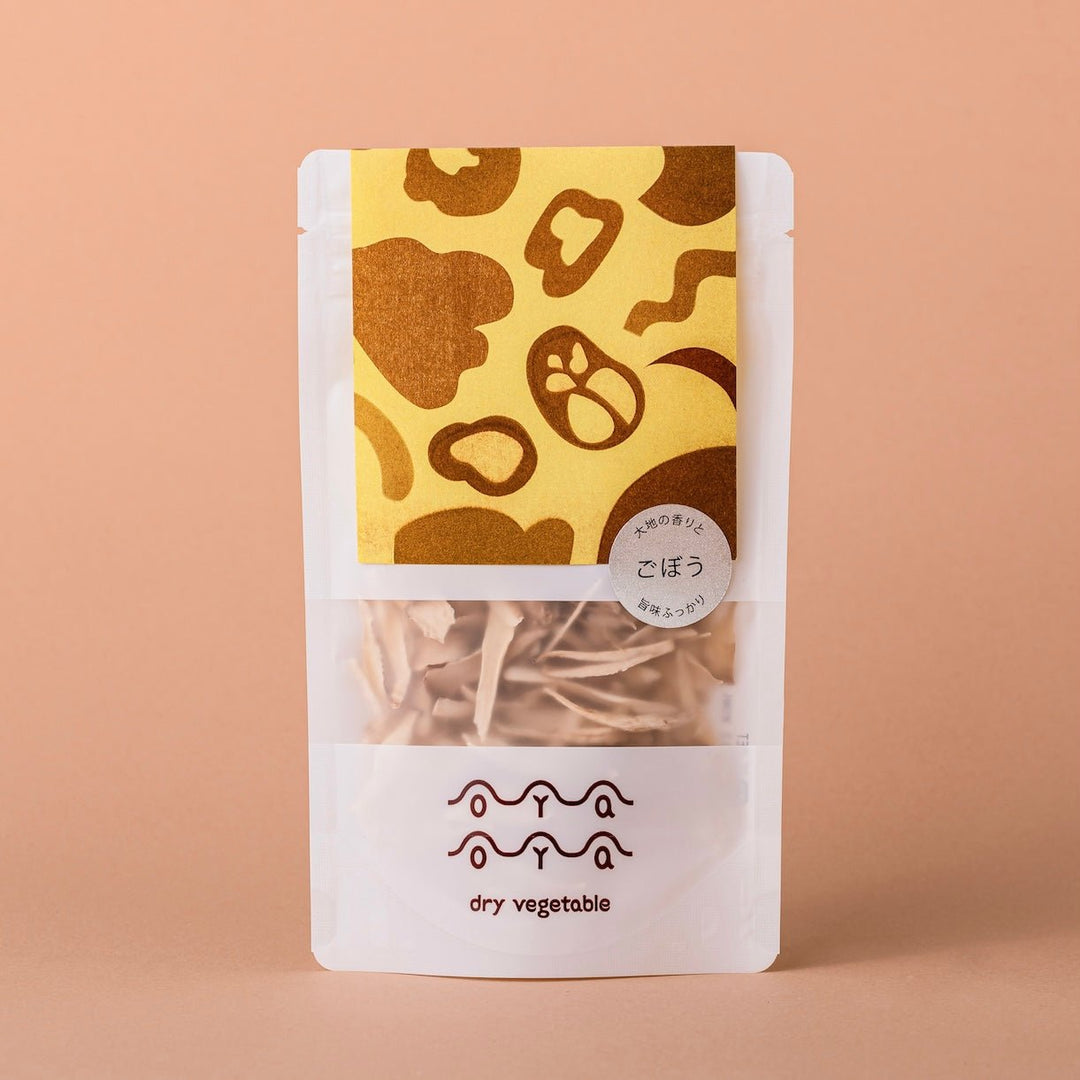
However, for strongly aromatic vegetables like dried mushrooms or burdock, it's recommended to rehydrate them in water first. In such cases, the rehydrating liquid is full of aroma and umami, so using it as part of the soup's base liquid will greatly enhance the flavor.
② Less salt is enough
Dried vegetables have their umami and sweetness naturally concentrated during the drying process, so even with minimal seasoning, they deliver plenty of flavor. Root vegetables and mushrooms, in particular, provide a deep richness to the soup just by simmering, so by using less consommé or miso, the inherent flavor of the ingredients can stand out even more.
Moreover, adding too much salt can mask the delicate flavors of dried vegetables. To enjoy the "natural umami" that gradually unfolds as you eat, it's best to season lightly and add a little extra at the end if needed.
③ Add a "hint of aroma" at the end
Once the flavors are balanced, adding a final touch of "aroma" can instantly elevate the soup's perfection. For example, drizzling a few drops of olive oil, butter, or sesame oil at the end sharpens the aroma's profile, adding depth to the taste.
Furthermore, a sprinkle of coarsely ground black pepper, shichimi togarashi (Japanese seven-spice blend), or dried herbs (rosemary, thyme, basil, etc.) adds an appetizing fragrance, keeping you engaged until the last spoonful.
Aroma is the soup's second seasoning. Even if it's not visible, that one drop can define the impression of your meal.
Try making your own dried vegetables
In addition to commercially available dried vegetables, you can easily make them at home. Simply wash and thoroughly dry your vegetables, slice them, spread them on a sieve, and dry them for 2-3 days in a sunny and well-ventilated spot.
In winter, the air is dry, so a windowsill is sufficient. In summer, drying indoors or using a fan is more hygienic. They will last 2-3 weeks in the refrigerator, or 1-2 months in the freezer if thoroughly dried.
Instead of "drying leftover vegetables," using vegetables with the intention of drying them is another option for your future meals.
Anyone can do it! 5 easy steps to make dried vegetables here
Summary: Add a spoonful of richness to your table with dried vegetable soup
Soup made with dried vegetables is a dish that effortlessly provides time-saving, preservation, nutrition, and flavor all at once. Even without special seasonings or dashi, the vegetables' inherent power naturally sets the flavor, and since preparation and cooking time are reduced, it can be easily incorporated into daily cooking.
The 7 recipes introduced in this article all leverage the appeal of dried vegetables and are versatile enough to be adapted to suit the season or your mood.
From "just because I had leftovers" to "I wanted to use these," choose dried vegetables. A future where dried vegetables naturally blend into daily cooking is just around the corner.
Start with soup. Add a simple yet satisfying bowl to your dining table.
Related Products
Learn More About Dried Vegetables
そのほかの乾燥野菜ブログ
View all