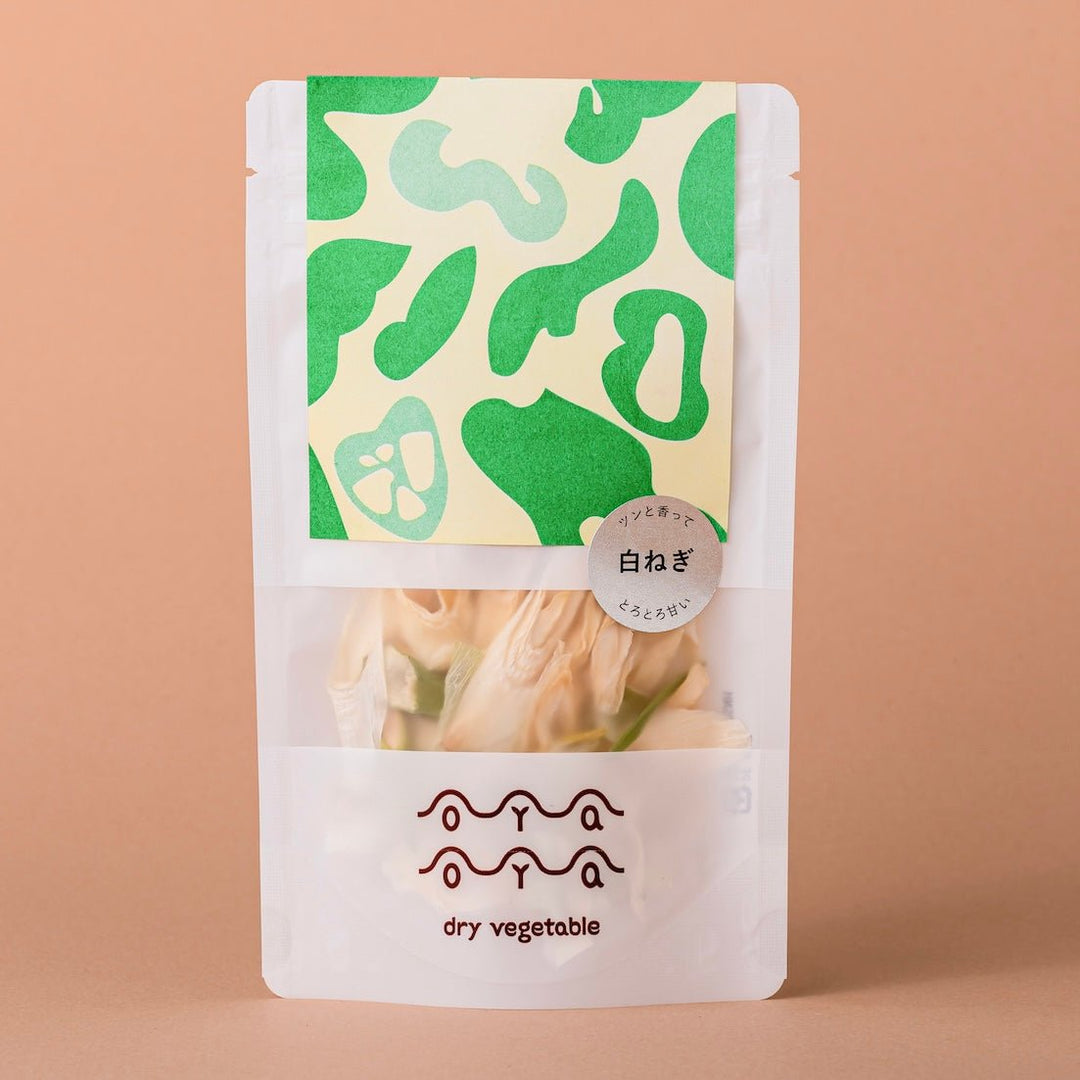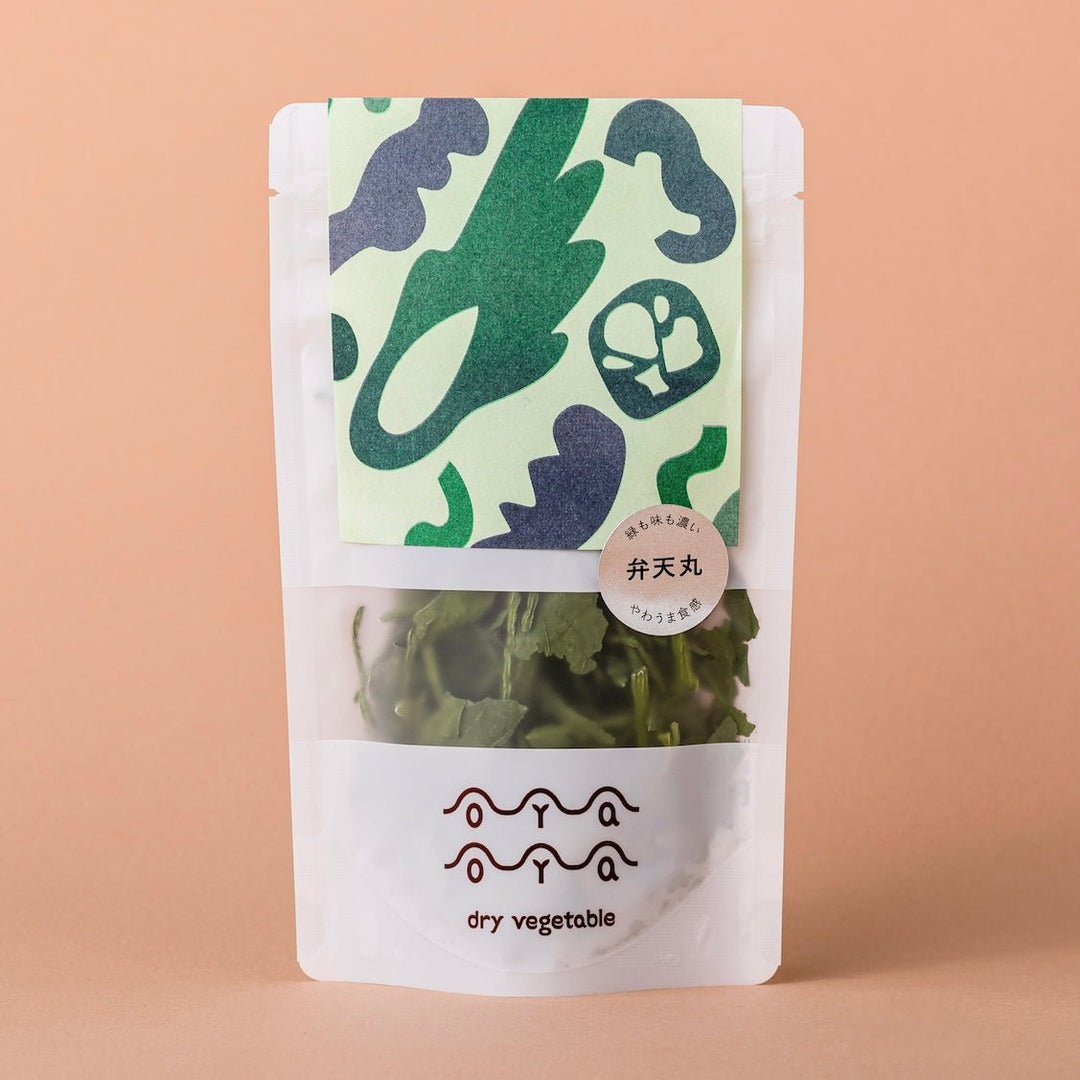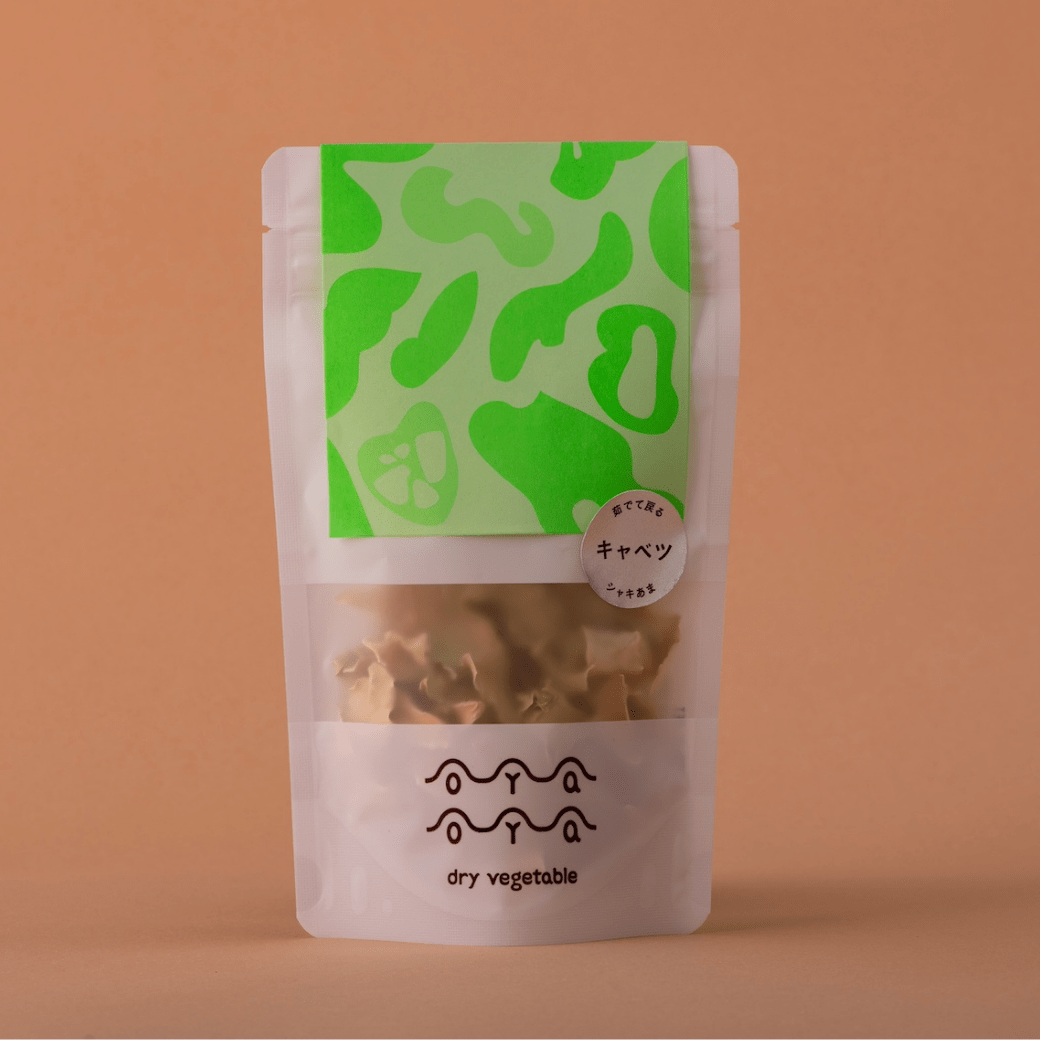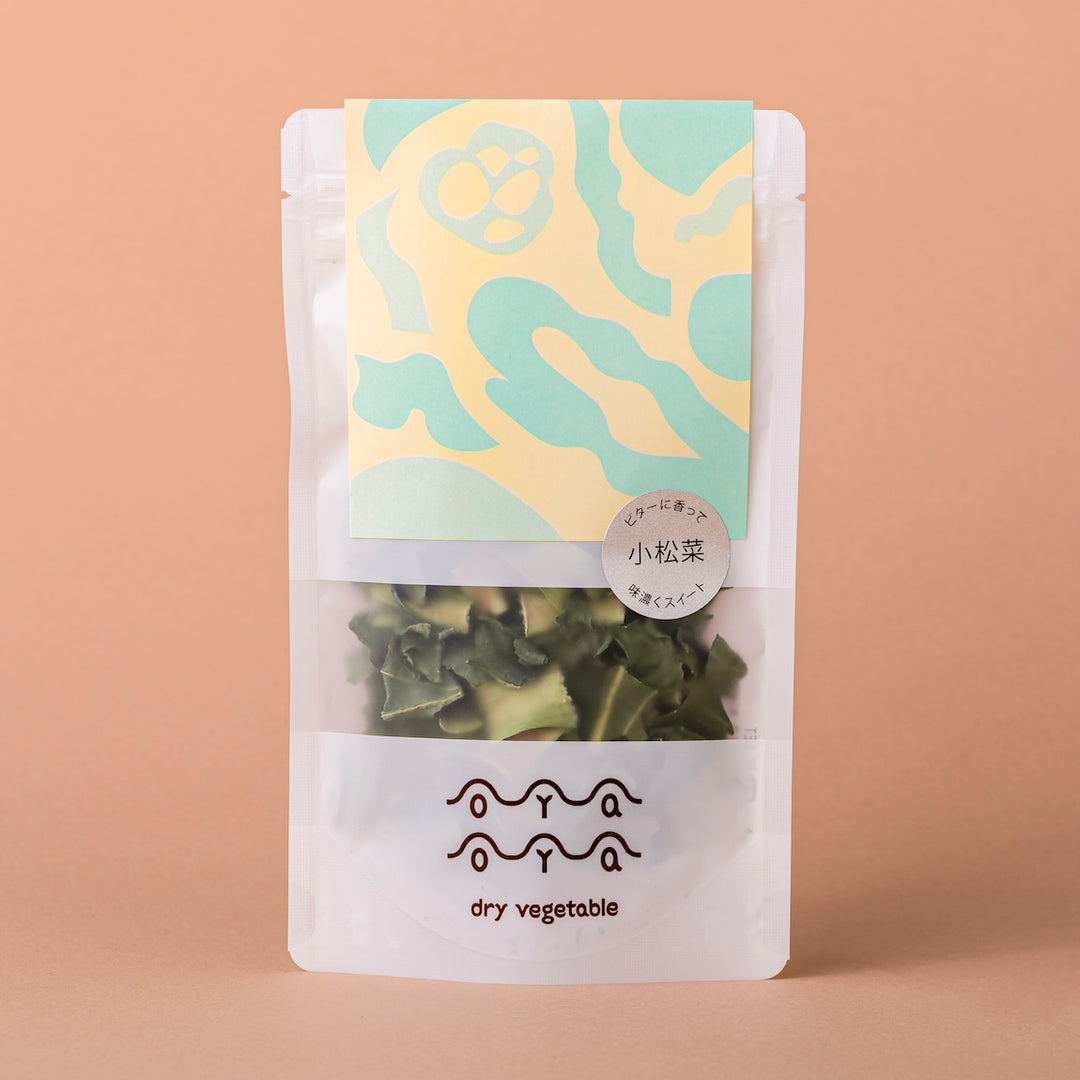


How to rehydrate dried vegetables. Basics and tips to restore plumpness and flavor in 10 minutes
Ever since I started eating dried vegetables that I made myself, I've noticed visible changes. These are improvements in my skin condition and general health. For a long time, I tended to live an unhealthy lifestyle, using the excuse that I lived alone. I would skip breakfast, have lunch at a convenience store, the company cafeteria, or a slightly luxurious pasta lunch with colleagues, and often eat such poor dinners that I didn't even know what I was consuming. With such a diet, there was no way my skin would be in good condition, and no way I would feel rested.
But now, in the mornings, I have a salad topped with dried vegetables, or consommé soup made by rehydrating dried vegetables. When I get hungry at work, I eat bite-sized dried lotus root that I carry in a small container. My sister was the most surprised and happy when I started this healthy eating habit.
"That's amazing, big sister! Practice my articles and get healthier and healthier!"
Her words were a major factor in my focus on making dried vegetables.
In the early days of making dried vegetables, I would simply dry them thoroughly and then enjoy their crispy texture as they were. However, after making them repeatedly, I wanted to try rehydrating the thoroughly dried vegetables and eating them soft again. The impetus for this was, once again, my sister's serialized articles.
"To all of you reading this series, aren't you quite used to making dried vegetables by now? We've received many comments from people who enjoy their crispy texture as a snack! For those of you, today I'd like to introduce a different way to enjoy dried vegetables."
My sister's article continued:
"The drier dried vegetables are, the better their texture and the more concentrated and delicious their flavor, right? Now, take those carefully made dried vegetables and try soaking them in water to rehydrate them! The method is simple. Just immerse them in water or hot water and leave them for about 10 minutes. If using cold water, 3 minutes is short, 10 minutes is long. If using hot water, 5 to 10 minutes. You can also use a microwave. Put them in a heat-resistant container, immerse them in water, and microwave for a few minutes."
My sister's article was written in a wonderfully simple style.
"The liquid from rehydrating dried vegetables, the so-called 'rehydration liquid,' can be used or discarded, but it's recommended to use it as a dashi (broth) for soups or stews."
"Hmm, the rehydration liquid from burdock root is this sweet..."
That morning, I savored a consommé soup made with burdock root and cabbage.
How to Rehydrate Dried Vegetables | A little effort to revive the flavor
Dried vegetables are fragrant and delicious as they are, but by rehydrating them, they transform into something like a different dish. The sweetness and umami condensed by drying dissolve into the water, and the plump, soft texture returns. Just by learning this simple step, your daily meals will become much richer.
Rehydrating with Water | When you want to retain texture and flavor
Slow rehydration with cold water is ideal when you want to preserve the flavor and texture of vegetables. The guideline is 3 to 10 minutes. Vegetables with firm fibers such as cabbage, burdock root, lotus root, and carrots become fresh and crisp when rehydrated this way. This method is perfect for dishes where you want to retain a fresh feel, like salads and aemono (dressed dishes).
Rehydrating with Hot Water | For quick, plump, and soft results
Using hot water softens vegetables in about 5 to 10 minutes, making them suitable for warm dishes like soups and stews. When rehydrated with hot water, the umami components in the dried vegetables dissolve, and the rehydration liquid can be used as dashi (broth). Daikon radish, napa cabbage, pumpkin, and mushrooms, in particular, have their sweetness enhanced when rehydrated with hot water.
Rehydrating with a Microwave | A time-saving method for busy mornings
Simply place dried vegetables in a heat-resistant container, pour in enough water to cover them, and heat for 2-3 minutes. Using a microwave can help save time on busy mornings or when preparing lunchboxes. It's also convenient when you only need a small amount, but be careful not to overheat, as it can diminish the flavor. Adjust as needed while monitoring.
Easy with a Microwave! How to Make and Enjoy Colorful Dried Vegetables
Can Dried Vegetables Be Made in an Oven? Explaining the Differences from Sun Drying
How to Use Rehydration Liquid | Utilizing umami and nutrients without waste
The "rehydration liquid" produced when rehydrating dried vegetables is rich in vegetable umami and minerals. Especially the rehydration liquid from burdock root and carrots has a strong natural sweetness, and when used as a dashi for consommé soup, takikomi gohan (mixed rice), or miso soup, it creates a deep flavor. The rehydration liquid from tomatoes and onions has a concentrated aroma, so it's recommended to use it as a base for sauces and stews.
3 Tips for Delicious Rehydration
There are a few tricks to rehydrating dried vegetables successfully. The taste and texture can change significantly depending on how you rehydrate them, so it's important to do it carefully.
-
Don't over-rehydrate. If they become too soft, the crispness and umami will be lost.
-
Don't discard the rehydration liquid. Many nutrients dissolve into the water, so use it for soups or stews.
-
Rehydrate just before use. Rehydrated vegetables can be refrigerated for about one day. Their flavor deteriorates if left for too long.
Summary | Rehydrating dried vegetables transforms daily meals
The charm of dried vegetables is not only their long shelf life but also their ability to bring out new deliciousness when rehydrated. The flavor spreads with every bite, and by using the rehydration liquid, the entire dish gains depth. From morning soup to lunchbox meals and evening stews – they are versatile ingredients that can be used in any situation. Why not incorporate the habit of taking a little extra effort to rehydrate dried vegetables into your daily meals?
Related Products
Learn More About Dried Vegetables
そのほかの乾燥野菜ブログ
View all