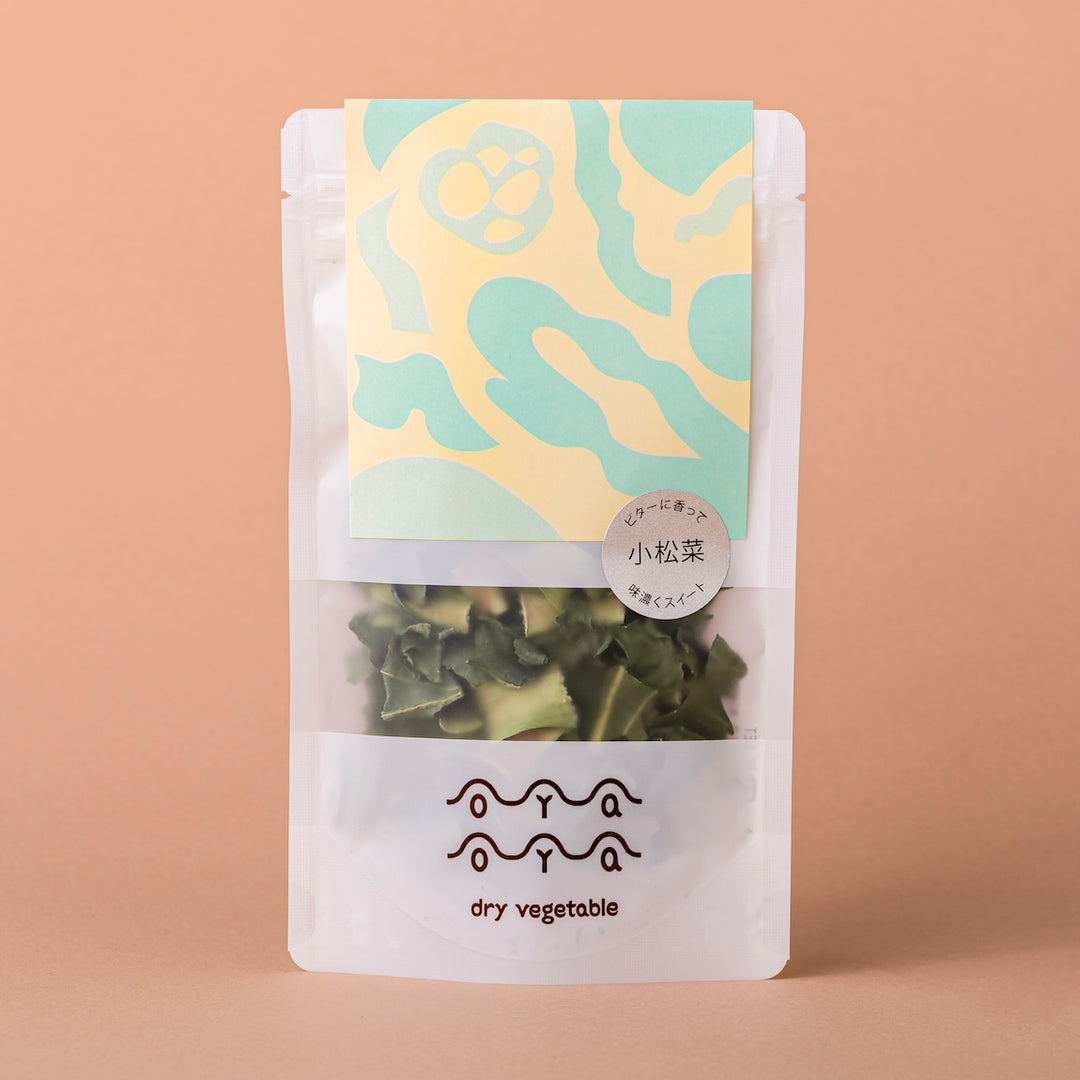


What is dried komatsuna? For those who dislike it, you should try suppressing the bitterness and grassy smell
I’ve made a lot of dried vegetables over the years, but there was one vegetable I swore I’d never try: komatsuna, or Japanese mustard spinach. I’ve disliked komatsuna ever since I was a child. I just couldn’t get used to its distinctive bitterness and grassy flavor.
My mother used to include finely chopped komatsuna in her meals to make it easier for me to eat. It would appear in simmered dishes, stir-fries, clear soups, and even in fish cakes. But none of these attempts ever helped me overcome my aversion to komatsuna.
My sister knew about my dislike for komatsuna, but she never suggested, “Why don’t you try drying it?” Perhaps her attitude, on the contrary, fueled my competitive nature and spurred me to try making dried komatsuna.
“Well, I guess I’ll give it a try,” I thought.
Anticipating that I probably wouldn’t be able to eat it all and would end up leaving some, I prepared only one bunch of komatsuna. After thoroughly washing off the dirt with water and patting it dry, I began the process of making dried vegetables. I cut the komatsuna into easy-to-eat pieces, arranged them on a drying rack, and left them to sun-dry for half a day. And just like that, semi-dried komatsuna was ready.
“Hmm... well, here we go... shall I try it?”
To be honest, I wasn’t particularly enthusiastic, but I had spent half a day making this dried komatsuna. I dulled my sense of smell and taste, and took a bite. At that moment, something unexpected happened.
“Huh... No way? What is this...?”
The komatsuna, which I had disliked so much since childhood, tasted sweet, as if it had become a completely different food. What’s more, its distinctive grassy flavor was completely gone.
“It’s delicious! I wish I had made more!”
Having overcome my long-standing dislike for komatsuna, my next challenge was to figure out how to cook and enjoy dried komatsuna. After much thought, I decided to simply stir-fry it with sesame oil and salt. I believed that the aroma of sesame oil and the saltiness would highlight the sweetness of the dried komatsuna.
The result, to put it simply, was a great success. The seasoning was exactly as intended, bringing out the umami and sweetness of the komatsuna, and creating a dish that was perfect as a snack with drinks.
“I’m pretty good at this, aren’t I?”
It was a night when, enjoying a cold can of beer with my sesame oil-fried komatsuna, I swore to myself that I would buy more komatsuna the next day.
The Power of Komatsuna
Komatsuna is a representative Japanese leafy vegetable, alongside spinach. It is rich in iron and calcium, and its main feature is its ease of use, as it has less oxalic acid than spinach and does not require blanching. It is widely used in Japanese cuisine for stir-fries, blanched dishes, and as an ingredient in miso soup. It is readily available throughout the year and its price is stable, making it a strong ally in home cooking.
On the other hand, many people develop a dislike for komatsuna in childhood due to its distinctive bitterness and grassy taste, and continue to avoid it even as adults. However, komatsuna undergoes a surprising change in flavor when dried. Dried komatsuna is something that people who dislike it should especially try.
What Happens When Komatsuna is Dried?
When komatsuna is sun-dried, a dramatic change in flavor occurs as the moisture evaporates. Many people are surprised by the difference, which is so profound that it can be said to be a completely different food from raw komatsuna.
Bitterness and Grassy Flavor Disappear
The biggest advantage of drying komatsuna is that its distinctive bitterness and grassy flavor are almost completely gone. As the moisture evaporates, the compounds that cause the grassy smell volatilize, and instead, sweetness comes to the forefront. Most people who disliked raw komatsuna are surprised by its mild sweetness when they taste dried komatsuna. This change, as if it has become a different food, is one of the fascinations of dried vegetables.
Nutritional Value is Retained
Even when dried, komatsuna retains its mineral content, such as iron and calcium. While some water-soluble vitamins may decrease, there is an advantage in being able to efficiently consume condensed nutrients in small amounts. By incorporating it into your daily diet, you can easily balance your nutrition. It is particularly a reassuring ingredient to have on hand for those who tend to lack iron.
How to Make Dried Komatsuna
Drying komatsuna, like other leafy vegetables, is primarily done by sun-drying. The process is simple, and the good news is that it’s hard to fail even for first-timers.
Preparation and Sun-Drying
Thoroughly wash the komatsuna with water and carefully remove any dirt from the roots. After patting it dry with a paper towel, cut it into easy-to-eat pieces. Arrange them on a colander or drying net, making sure they don’t overlap, and place them in a sunny and well-ventilated area. Semi-dried komatsuna will be ready in about half a day. The komatsuna is dry enough when the leaves have shrunk and become pliable, and feel light when lifted. For complete drying, sun-dry for 2 to 3 days.
Storage Method
Semi-dried komatsuna can be stored in the refrigerator for about 3 to 5 days. Completely dried komatsuna can be stored at room temperature in an airtight container or zippered storage bag for several weeks to about a month. It can be stored even longer if frozen. Making a batch at once is convenient, as you can use small amounts in your daily cooking.
Recommended Ways to Eat Dried Komatsuna
Dried komatsuna truly shines with simple cooking methods. Here are ways to maximize the concentrated sweetness of its flavor.
Simple Stir-fry with Sesame Oil and Salt
The most recommended way to eat it is a simple stir-fry with just sesame oil and salt. The aroma of sesame oil enhances the sweetness of the dried komatsuna, and the saltiness provides an accent. The umami spreads with every bite, making it an excellent accompaniment for beer or other alcoholic beverages. The cooking time is only a few minutes, which is another attractive point.
Miso Soup, Soup, and Takikomi Gohan (Mixed Rice)
Dried komatsuna can be easily added directly to miso soup or other soups. Just add a pinch of dried komatsuna to your bowl before pouring in the miso soup, and the subtle sweetness will elevate your usual miso soup to the next level. Adding it to takikomi gohan also adds both color and nutrition. Combining it with chirimen jako (dried young sardines) or aburaage (fried tofu) will create an even more flavorful dish.
Komatsuna: A Vegetable You Can Learn to Love as an Adult
Komatsuna is one of those vegetables that many people disliked as children. However, by drying it, its bitterness and grassy flavor disappear, transforming it into an surprisingly sweet and mild-tasting vegetable. Dried komatsuna might just be the key to rekindling your relationship with a vegetable you’ve avoided for years.
I especially encourage those who have an aversion to it to give dried komatsuna a try. The harmony of its savory aroma and sweetness when stir-fried with sesame oil is sure to completely change your impression of komatsuna.
Related Products
Learn More About Dried Vegetables
- 5 Easy Steps to Make Dried Vegetables
- How to Rehydrate Dried Vegetables | 10 Minutes to Restore Plumpness and Umami
- How to Store Dried Vegetables and Their Shelf Life
- Dried Vegetables Transform Miso Soup! The Ultimate Ingredient with Concentrated Umami
- 7 Delicious Soup Recipes Made with Dried Vegetables
そのほかの乾燥野菜ブログ
View all