

King of Dried Vegetables! 3 Cooking Methods to Maximize Shiitake Umami
How often do you use dried shiitake mushrooms?
Japanese food was a common occurrence in my childhood home, and I particularly loved simmered dishes. Dried shiitake, which could be called the star of these dishes, was a staple in our pantry. When added to simmered dishes or miso soup, that distinctive aroma and deep flavor really pull the dish together.
In fact, dried shiitake mushrooms contain a condensed amount of nutrients and umami far superior to fresh shiitake. Compared to fresh shiitake, they contain about 10 times more vitamin D and about twice as much dietary fiber. What's particularly noteworthy is the umami component called "guanylic acid." This is a crucial element that determines the flavor of dried shiitake mushrooms.
[Citation]Standard Tables of Food Composition in Japan 2020 (8th revised edition)
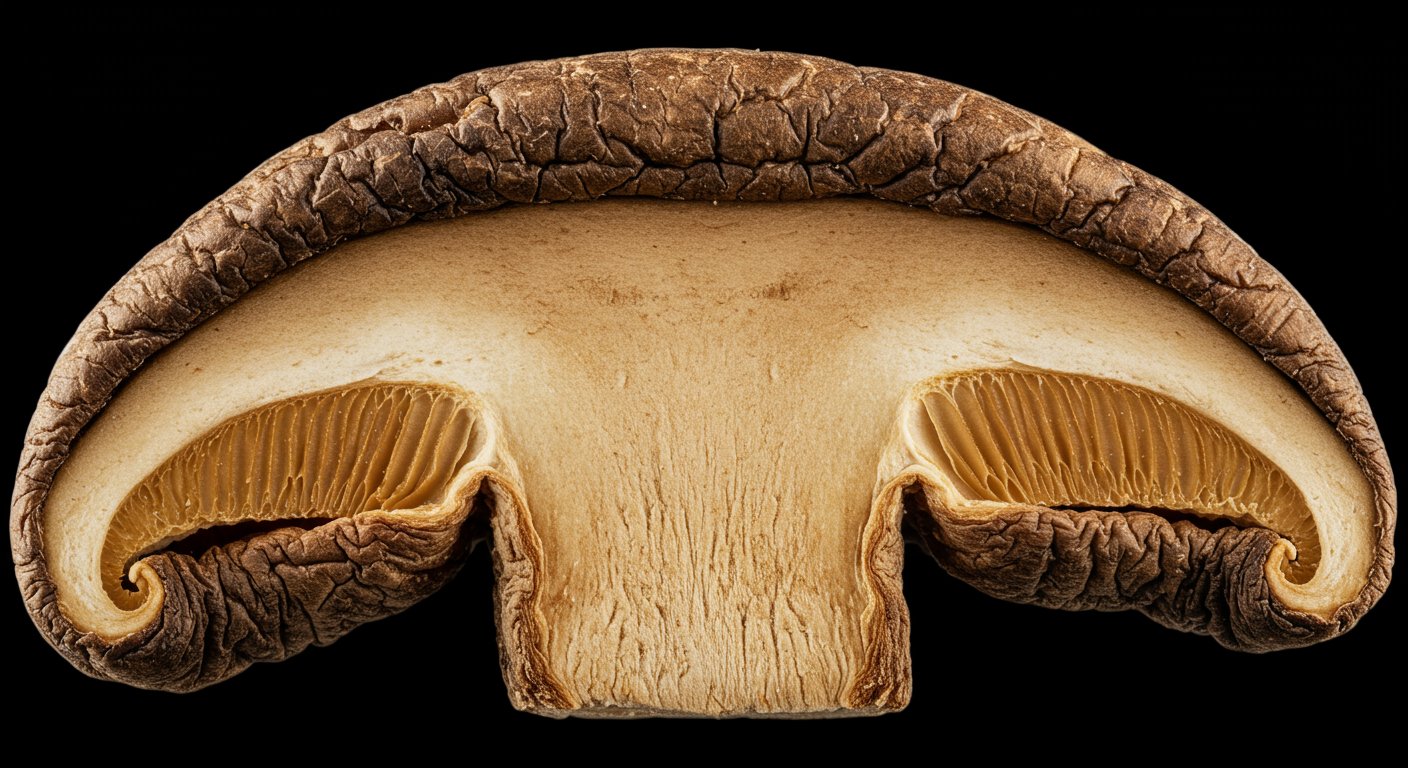
The "guanylic acid" found in dried shiitake mushrooms is one of the "three major umami components," alongside "glutamic acid" from kombu seaweed and "inosinic acid" from bonito flakes. But for some reason, "guanylic acid" tends to be overlooked.
Mastering the Art of Rehydrating Dried Shiitake!
3 Methods to Preserve Umami
When you use dried shiitake mushrooms, how do you rehydrate them?
The truth is, the amount of umami can change significantly depending on how you rehydrate them. To maximize the "guanylic acid," let's master the correct rehydration methods. Here are three particularly recommended methods.
1. Microwave Rehydration (Fastest, around 10 minutes)
For those who think, "Rehydrating dried shiitake takes too long and is bothersome…", using a microwave is recommended!
This method allows you to rehydrate dried shiitake in just about 10 minutes. Moreover, the umami doesn't escape into the rehydration liquid, making the shiitake itself richer in flavor.
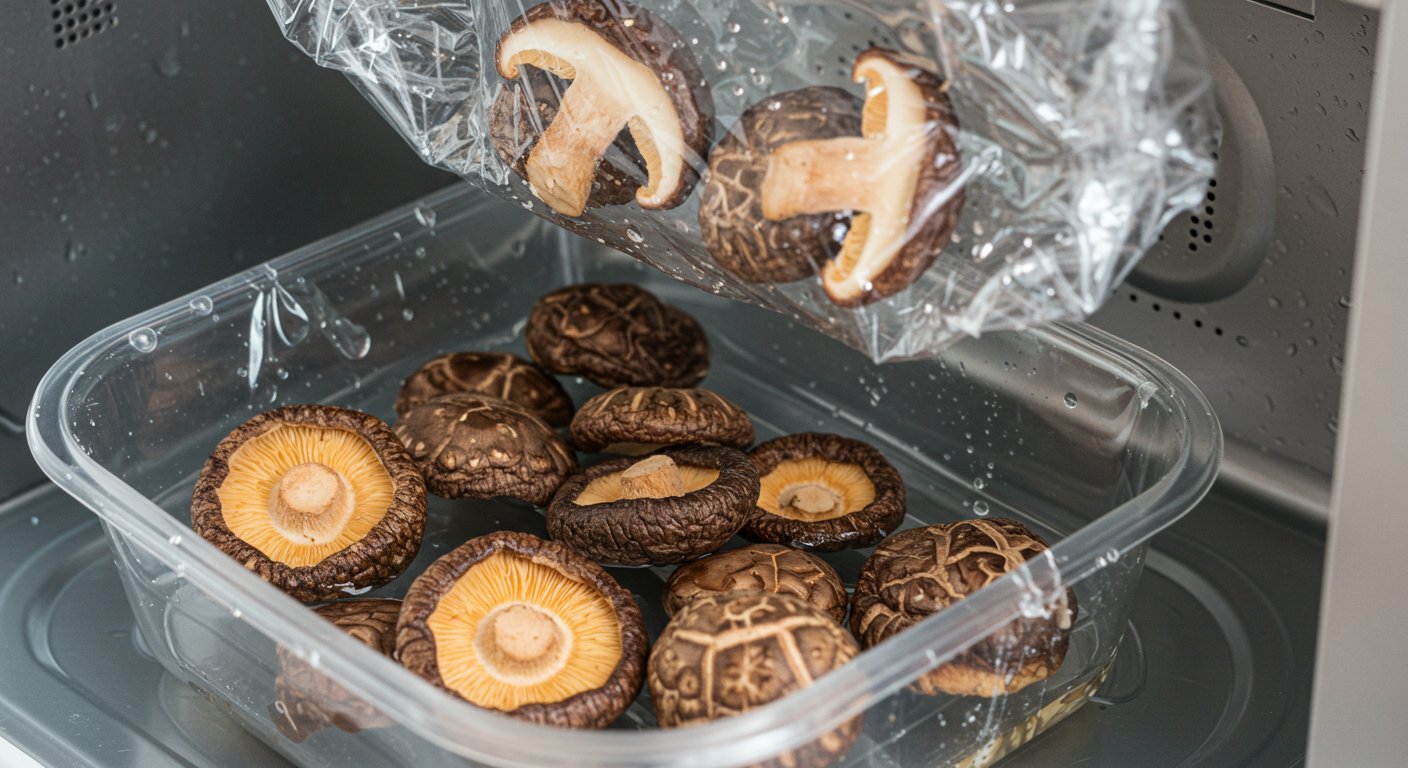
【Microwave Rehydration Steps】
-
Cut off the stems of the dried shiitake with kitchen scissors or break them off by hand.
-
Rinse lightly under running water to remove dust.
-
Place the dried shiitake in a heat-resistant container with the same amount of water, arranging them so the underside of the cap is submerged.
-
Cover with plastic wrap, making sure it's in close contact with the water surface and mushrooms.
-
Heat in the microwave (500W) for 3 minutes (adjust time as needed).
-
Let stand for 15 minutes to cool.
This microwave rehydration method is an idea for those who can't wait for water rehydration!
2. Cold Water Rehydration (Recommended for those who prefer a slower approach)
If you have time, rehydrating with cold water is also recommended. Simply soak them in the refrigerator overnight, and they'll be ready to use by the next morning. The advantage of cold water rehydration is that the shiitake's flavor is slowly drawn out. The rehydration liquid will also be full of umami, so if you use it in your cooking, you can fully utilize the umami without waste.
Click here for delicious rehydration methods for dried vegetables
3. Hot Water Rehydration (Time-saving & Umami-focused)
If you want to rehydrate them relatively quickly, hot water rehydration is recommended. Rehydrating in water around 60°C for about 30 minutes efficiently extracts the umami component, guanylic acid. It is said that the enzyme that produces guanylic acid, the umami component in shiitake, is activated at temperatures between 40-60°C. That's why it's important to use slightly cooled water, not boiling water!
| Method | Time required | Key points | Advantages | Precautions |
|---|---|---|---|---|
| Microwave Rehydration | Approx. 18 min (3 min heating + 15 min standing) | Suitable for thin shiitake. Place in a heat-resistant container with water and cover tightly with plastic wrap. | Fastest rehydration. Umami is less likely to escape into the rehydration liquid. | Not suitable for thick shiitake. Be careful not to overheat. |
| Cold Water Rehydration | Overnight in the refrigerator (approx. 6-12 hours) | Soak in water for a slow rehydration. | Shiitake become plump, and the rehydration liquid is rich in umami. | Time-consuming. Not suitable when in a hurry. |
| Hot Water Rehydration | Approx. 30 min (water around 60°C) | Enzymes are activated at 40-60°C, promoting guanylic acid production. | Relatively quick and efficiently extracts umami. | Boiling water is a no-go (destroys umami components). Temperature control is necessary. |
3 Ways to Maximize the Umami of Dried Shiitake Mushrooms
Once you've mastered the rehydration methods, it's time for cooking. Here are three ways to bring out the maximum umami in dried shiitake mushrooms.
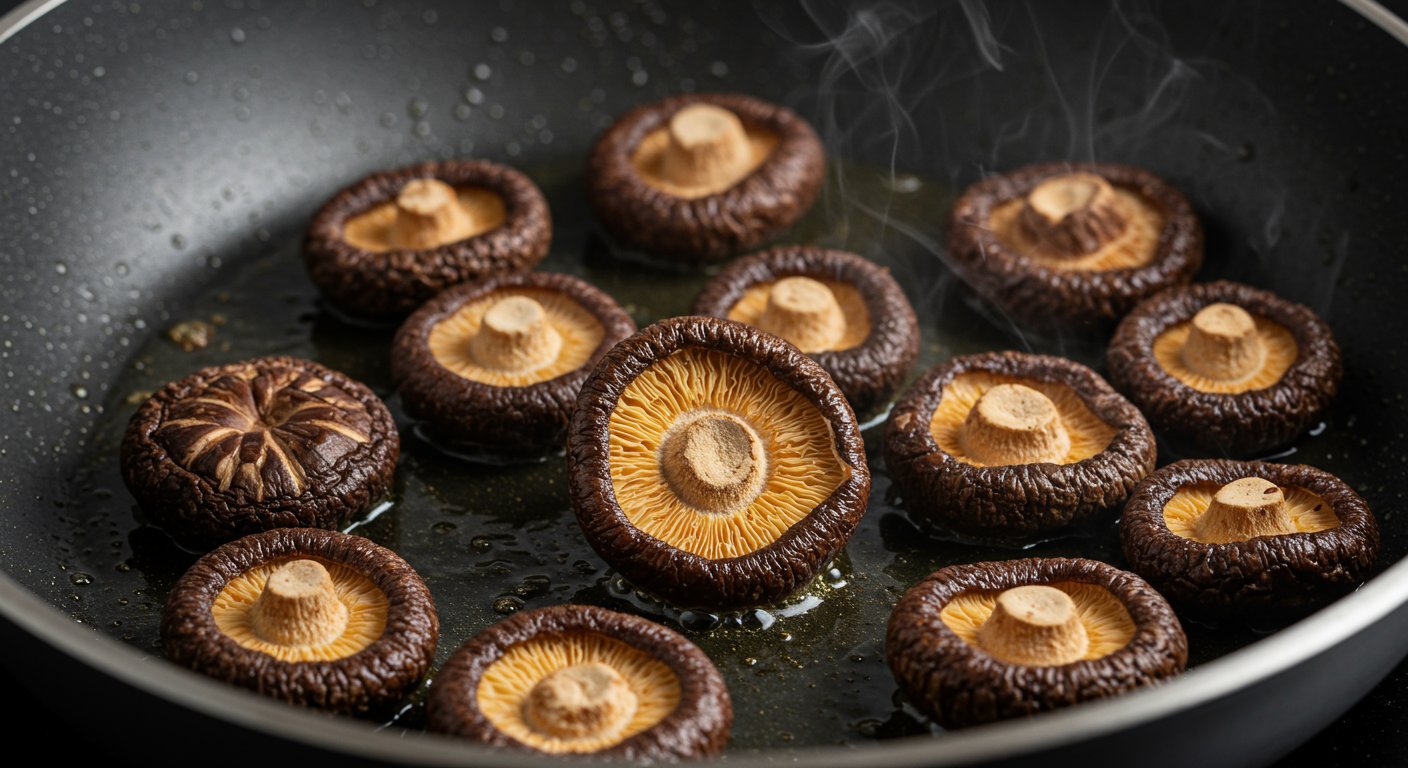 Umami-Sealing Grilling Method
When grilling dried shiitake mushrooms, the key is to grill them with the inside of the cap (the side with the gills) facing up. The moisture that comes out during grilling is packed with umami. By trapping this moisture inside the cap, you can cook them without losing any of that delicious umami.
Adding a little butter creates a perfect match between the shiitake's aroma and the butter's flavor, resulting in an even deeper taste.
Simmering with Rehydration Liquid
Are you discarding the rehydration liquid after rehydrating dried shiitake mushrooms?
That rehydration liquid is actually packed with umami components that have dissolved from the dried shiitake. If you use this liquid to make simmered dishes, you can enjoy a deep richness and flavor.
It pairs especially well with root vegetables! Simmering daikon or taro in dried shiitake rehydration liquid allows the sweetness of the vegetables and the umami of the shiitake to blend together, creating an exceptional flavor.
Powdered Usage Method
Grind dried shiitake mushrooms in a blender or food processor to create an all-purpose seasoning!
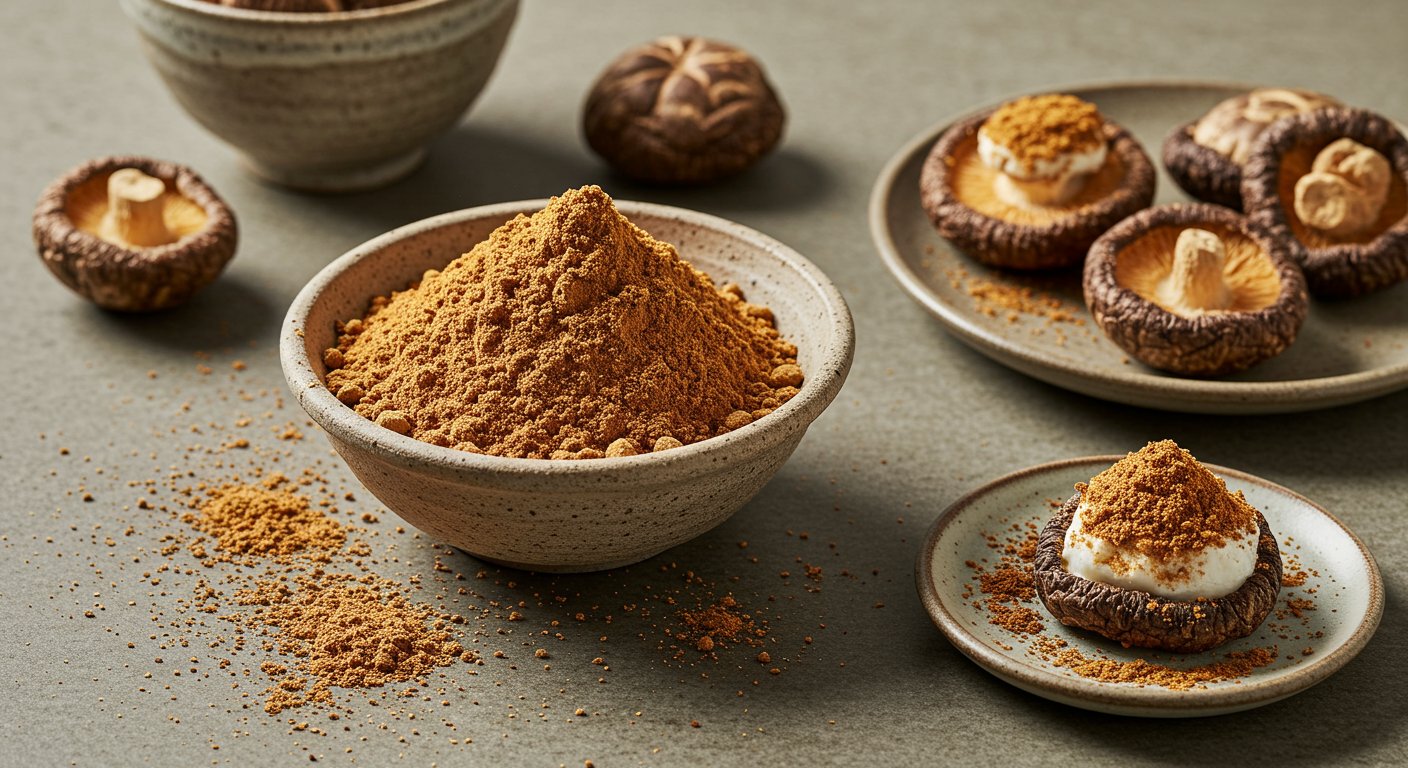 This powder can be used as dashi for soups and miso soup, as well as a secret ingredient in stir-fries and simmered dishes, and to add flavor to pasta and risotto. Even a small amount provides a strong umami kick, making it a powerful ally when you want to add depth to your cooking.
Mix it with salt to create "shiitake salt." Sprinkling this on rice balls or tempura will instantly elevate them to restaurant-quality!
3 Easy Recipes Using Dried Shiitake Mushrooms
Finally, here are three easy and delicious recipes using dried shiitake mushrooms.
1. Dried Shiitake Mushroom Takikomi Gohan (Mixed Rice)

This recipe for umami-rich mixed rice uses dried burdock root and dried shiitake mushrooms. It's a dish that can be easily made with simple ingredients, yet it becomes the star of your dining table. The aroma and texture unique to dried ingredients soak into the rice, making it delicious even when cold.
Click here for the dried vegetable takikomi gohan recipe
2. Dried Shiitake Risotto

This simple yet profoundly delicious risotto recipe features the umami of dried shiitake mushrooms. By using the rehydration liquid, the shiitake flavor permeates the entire rice, and a simple drizzle of olive oil and black pepper at the end creates an elegant dish. Recommended for those who want to fully enjoy the umami of dried vegetables.
Click here for the dried shiitake risotto recipe
3. Dried Shiitake and Konnyaku Shigure-ni Style

A warming Japanese side dish where the rich umami of dried shiitake mushrooms soaks in. The deep flavor of dried shiitake permeates the konnyaku, making it a complete dish on its own. The seasoning features clever touches like balsamic vinegar and white wine, creating an exquisite flavor that pairs perfectly with both rice and sake.
Click here for the dried shiitake and konnyaku shigure-ni style recipe
Summary: Elevate Your Cooking with Dried Shiitake Mushrooms
Dried shiitake mushrooms are a nutritional powerhouse, containing about 10 times more vitamin D and twice as much dietary fiber as fresh shiitake. And most importantly, they are a crucial ingredient that determines the flavor of a dish, rich in "guanylic acid," one of the three major umami components. By utilizing the three cooking methods introduced here, you can maximize the umami of dried shiitake and elevate your everyday cooking by a notch.
If you're eager to try dried vegetables that aren't available at the supermarket, making your own is highly recommended. The process is incredibly simple! Just wash and dry your vegetables, then cut them and sun-dry them in a well-ventilated, sunny spot.
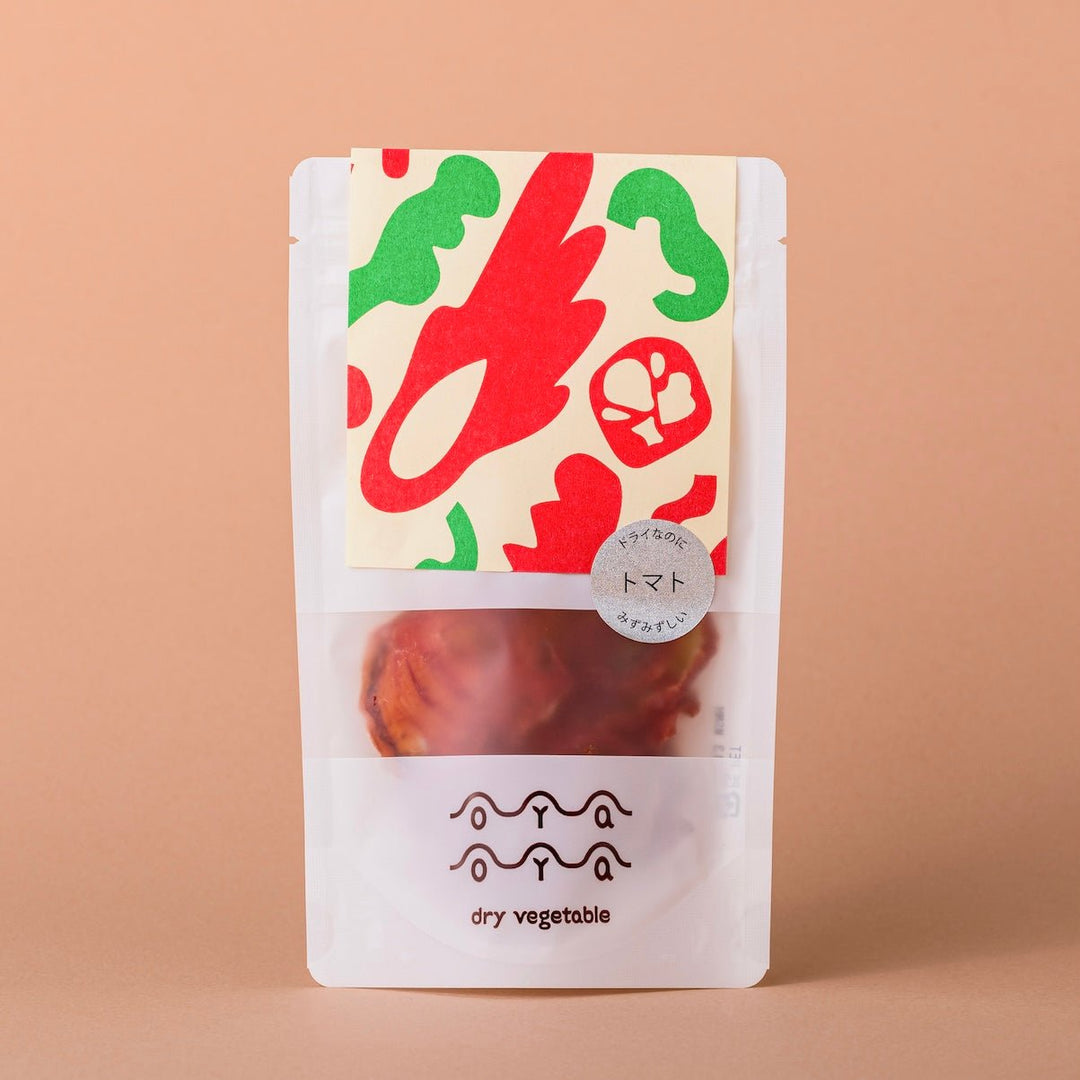
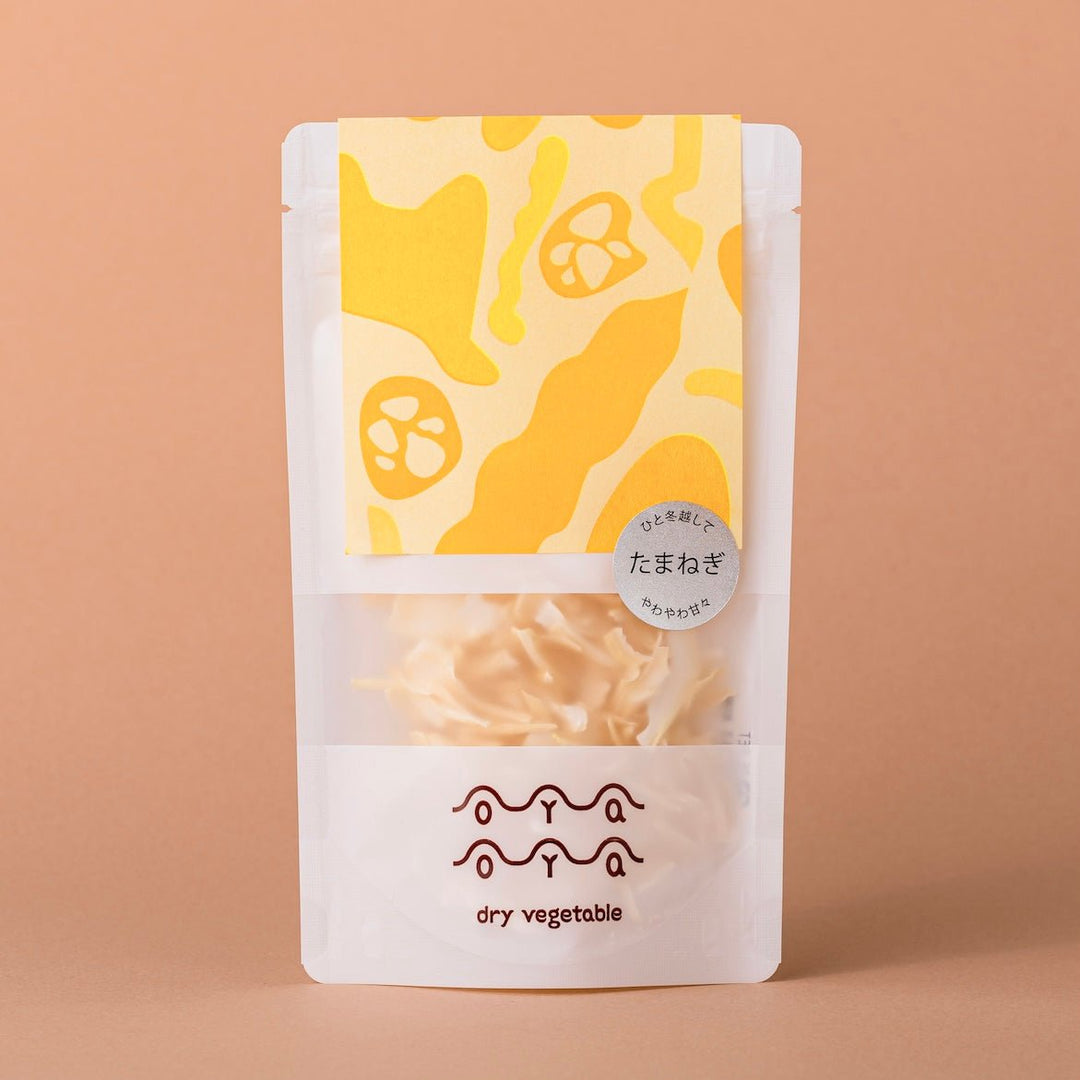
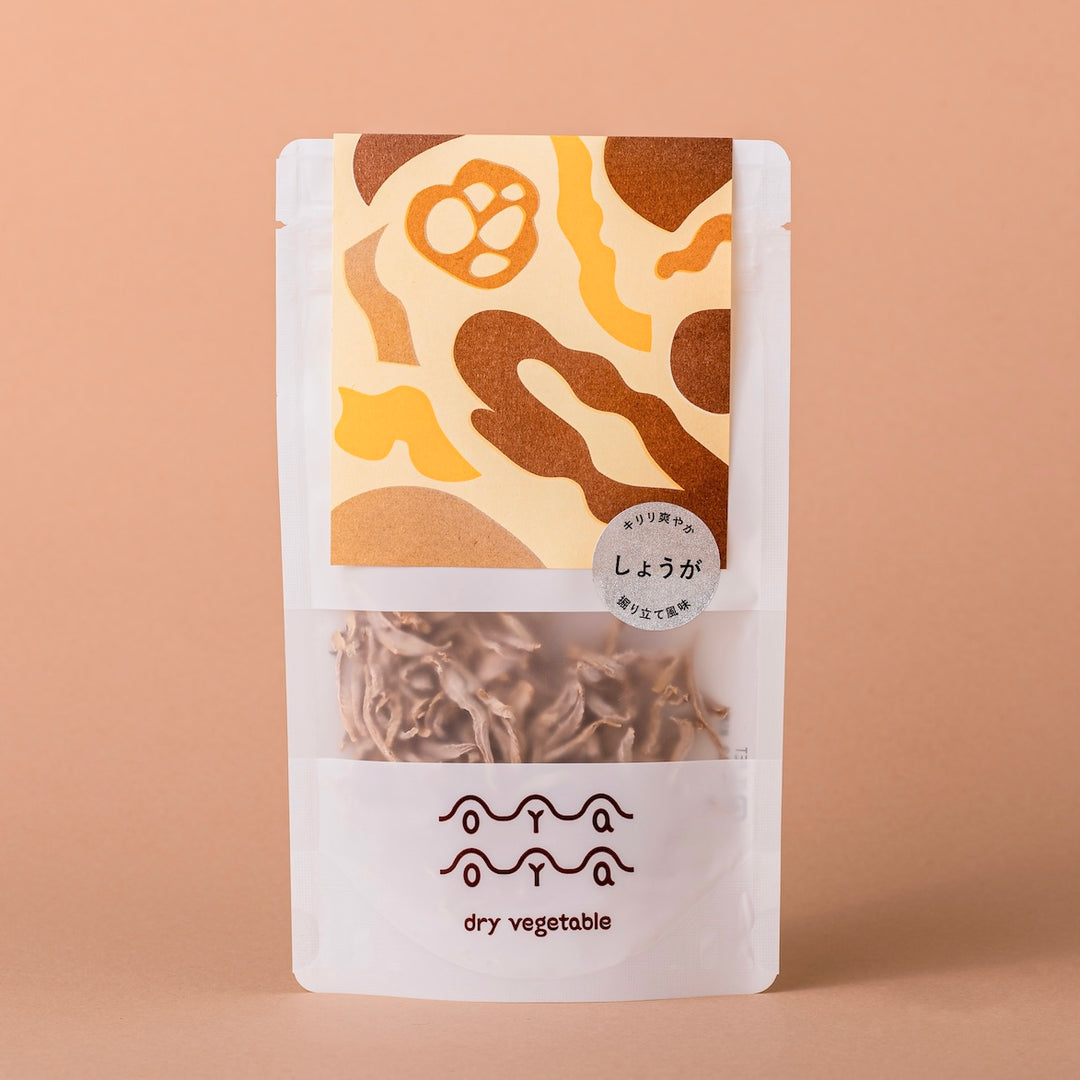
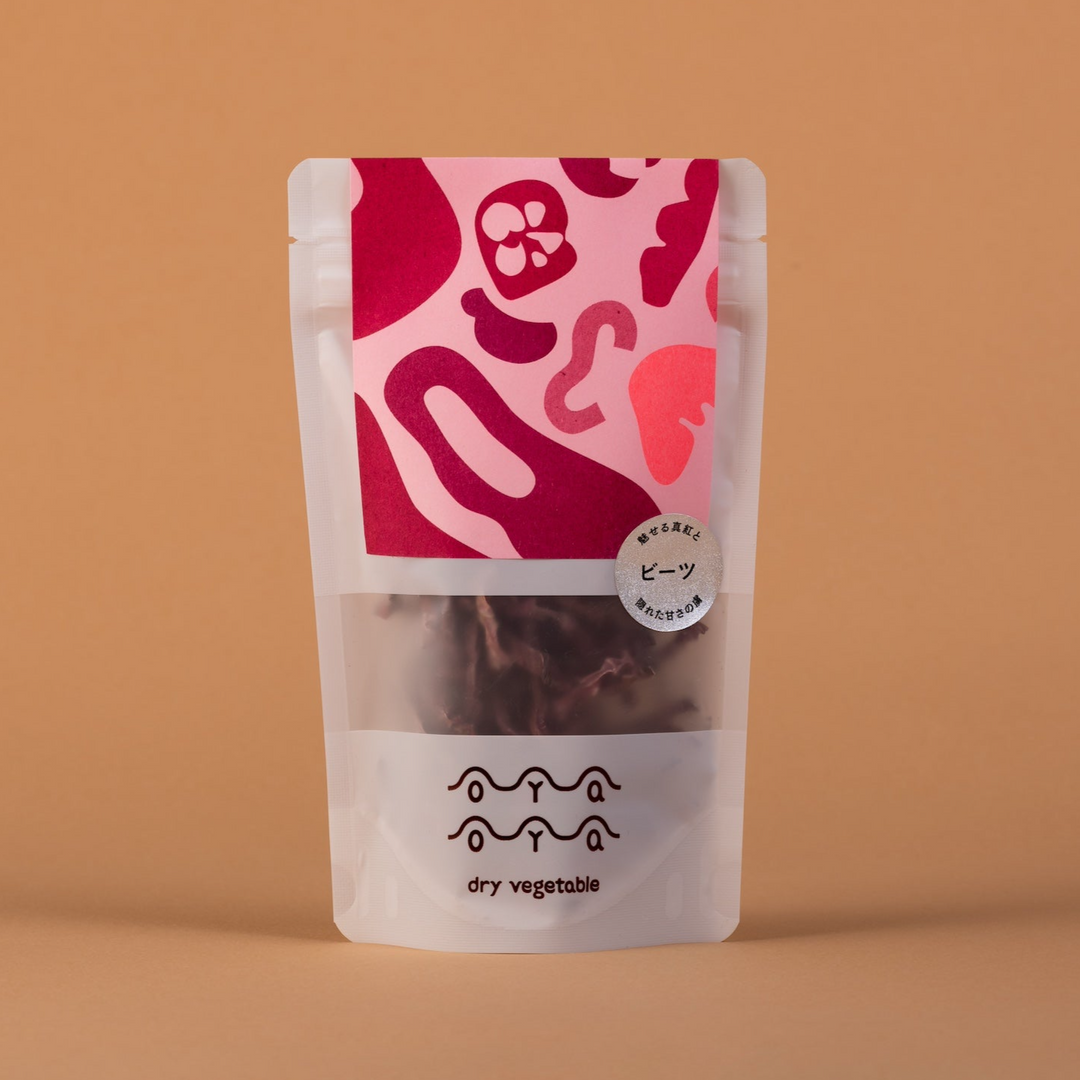
If you can't wait until you can make your own, then by all means, try OYAOYA's dried vegetables.
Related Products
Learn More About Dried Vegetables
そのほかの乾燥野菜ブログ
View all