

Dried Vegetables Revolutionize Miso Soup! How to Use This Umami-Packed Super Ingredient
On a busy morning or a slightly tiring evening, a bowl of miso soup can sometimes warm your heart and soothe your soul. But have you ever felt that "the usual ingredients are getting boring" or "I want to boost the nutritional value"?
That's where dried vegetables come in handy.
Leftover cabbage leaves, carrot ends, or daikon radish still in the fridge. By simply drying these, the world of miso soup will transform. The umami dramatically increases, creating a rich flavor even without dashi. Plus, they store well, making them perfect as a pantry staple.
This time, we'll introduce the appeal of dried vegetables and recommended recipes that can be used in miso soup.
Transform your "usual miso soup" into a "special treat." We invite you to experience this at your own table.
 3 Magical Effects Dried Vegetables Bring to Miso Soup
What kind of changes occur when you add dried vegetables to miso soup?
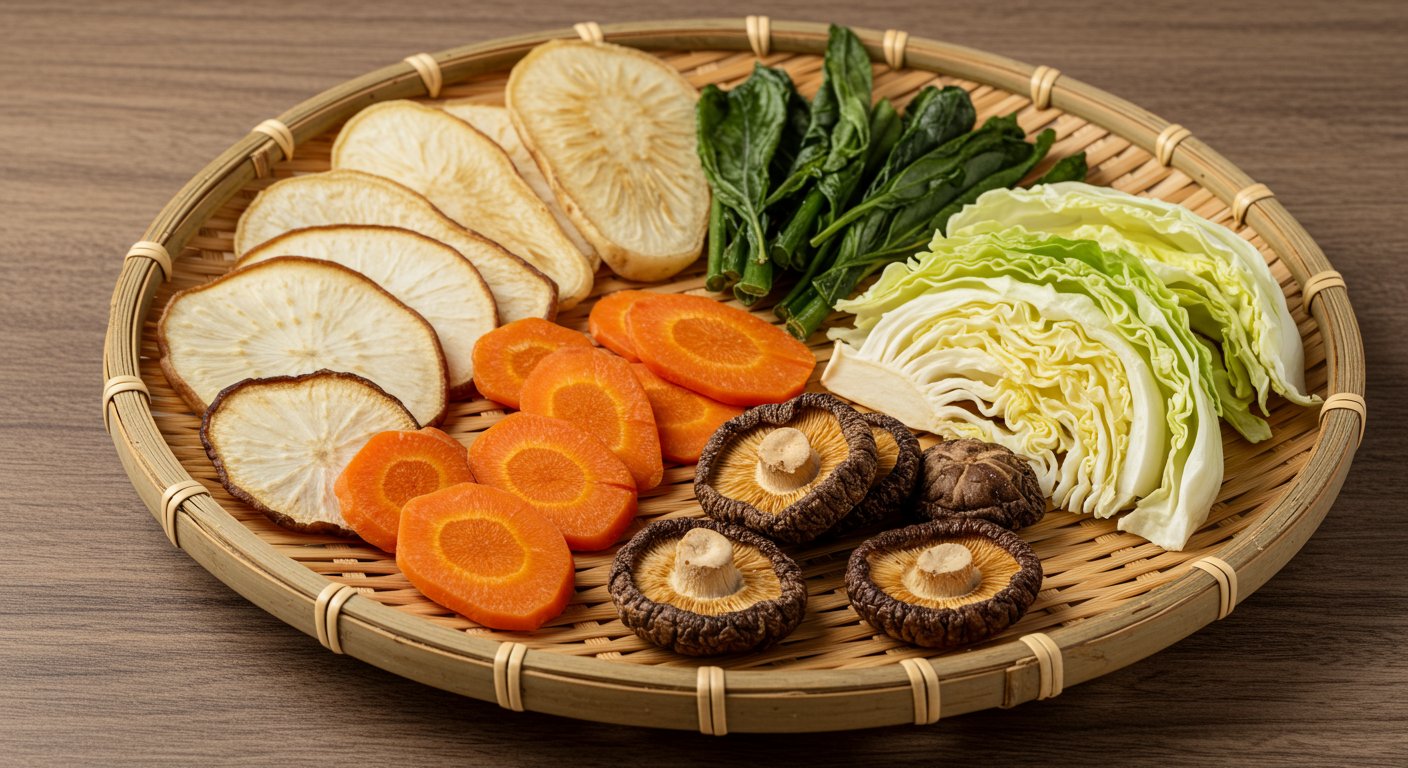
First, you'll be surprised by the authentic flavor achieved without dashi. The umami components that slowly dissolve from dried vegetables provide sufficient depth, even without bonito flakes or kelp dashi. Dried shiitake mushrooms and kiriboshi daikon, in particular, can serve as excellent dashi bases on their own.
Next, you'll notice an "increase in sweetness." Vegetables condense their natural sweetness when dried. Adding dried carrots or dried pumpkin will release a natural sweetness as if sugar had been added.
 Top 5 Dried Vegetables Perfect for Miso Soup
What ingredients do you usually use for your daily miso soup? In fact, just adding dried vegetables can dramatically deepen the flavor.
Drying condenses the natural sweetness and umami of vegetables, creating a delicious miso soup even without dashi. Here, I've carefully selected 5 "dried vegetables that pair perfectly with miso soup" that I truly recommend.
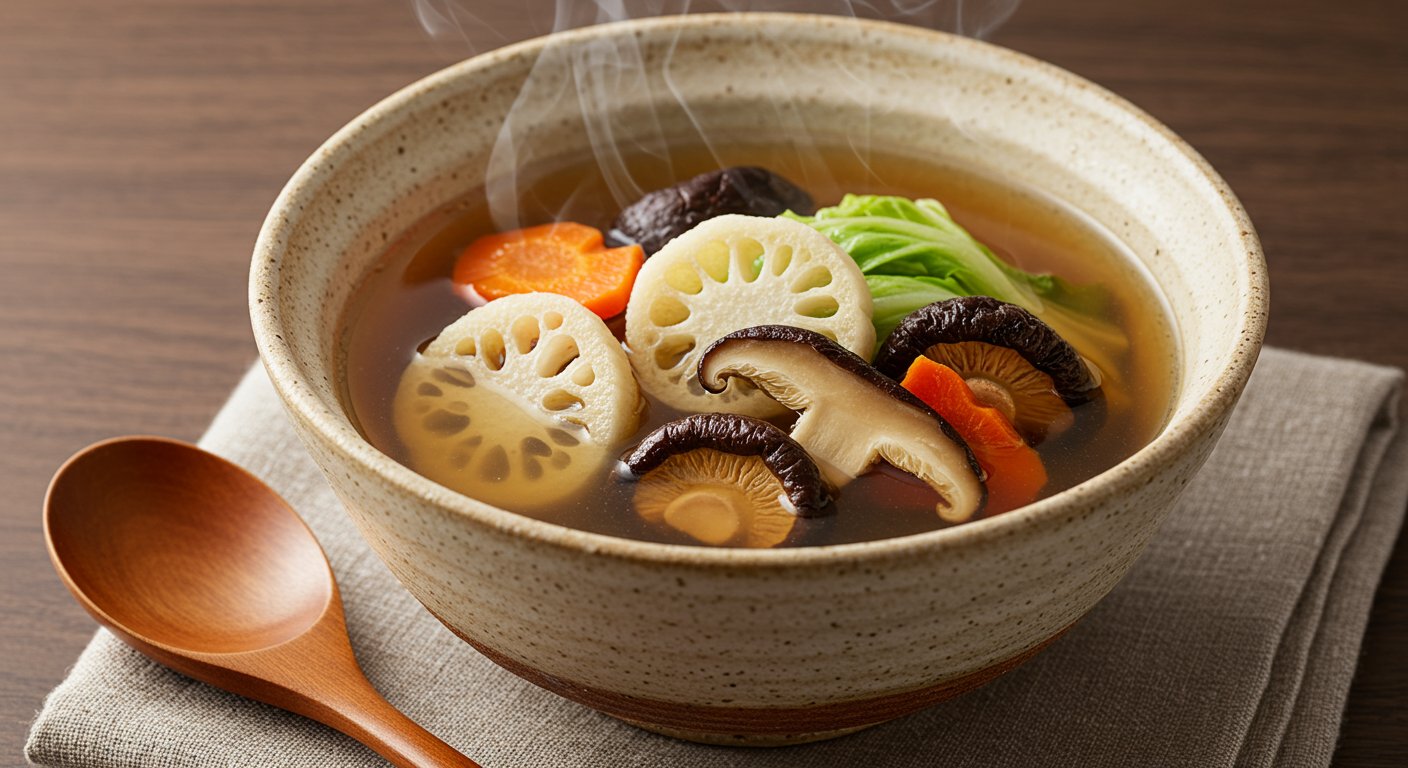
1. Kiriboshi Daikon (Dried Daikon Radish Strips)
This is the quintessential dried vegetable. Drying condenses the sweetness and umami of daikon radish, resulting in a mellow and rich flavor for the entire soup. Even without using bonito flakes or kelp, this alone creates a wonderful "natural dashi."
2. Dried Shiitake Mushrooms
Dried shiitake mushrooms, a块 of umami, bring a profound depth to miso soup, almost like a high-end restaurant. Using the rehydrating liquid as well further enhances the flavor. This is a must-try for dried vegetable beginners.
3. Dried Gobo (Burdock Root)
The charm of dried gobo is that you can enjoy both its aroma and texture. Drying softens the unique earthy taste of gobo, instead bringing out a subtle sweet and savory flavor. The umami that spreads with every bite will make you want a second helping of miso soup.
4. Dried Carrots
Dried carrots boast vibrant color and natural sweetness. When cooked, they become tender and soft, creating a perfect balance with the salty miso.
5. Dried Cabbage
Even the outer leaves of cabbage, often discarded, become a splendid "star of miso soup" when dried. Along with a crisp texture, the characteristic sweetness of cabbage stands out. It has little bitterness and pairs well with any ingredient, making it a versatile vegetable. It's convenient to dry a batch and keep it on hand.
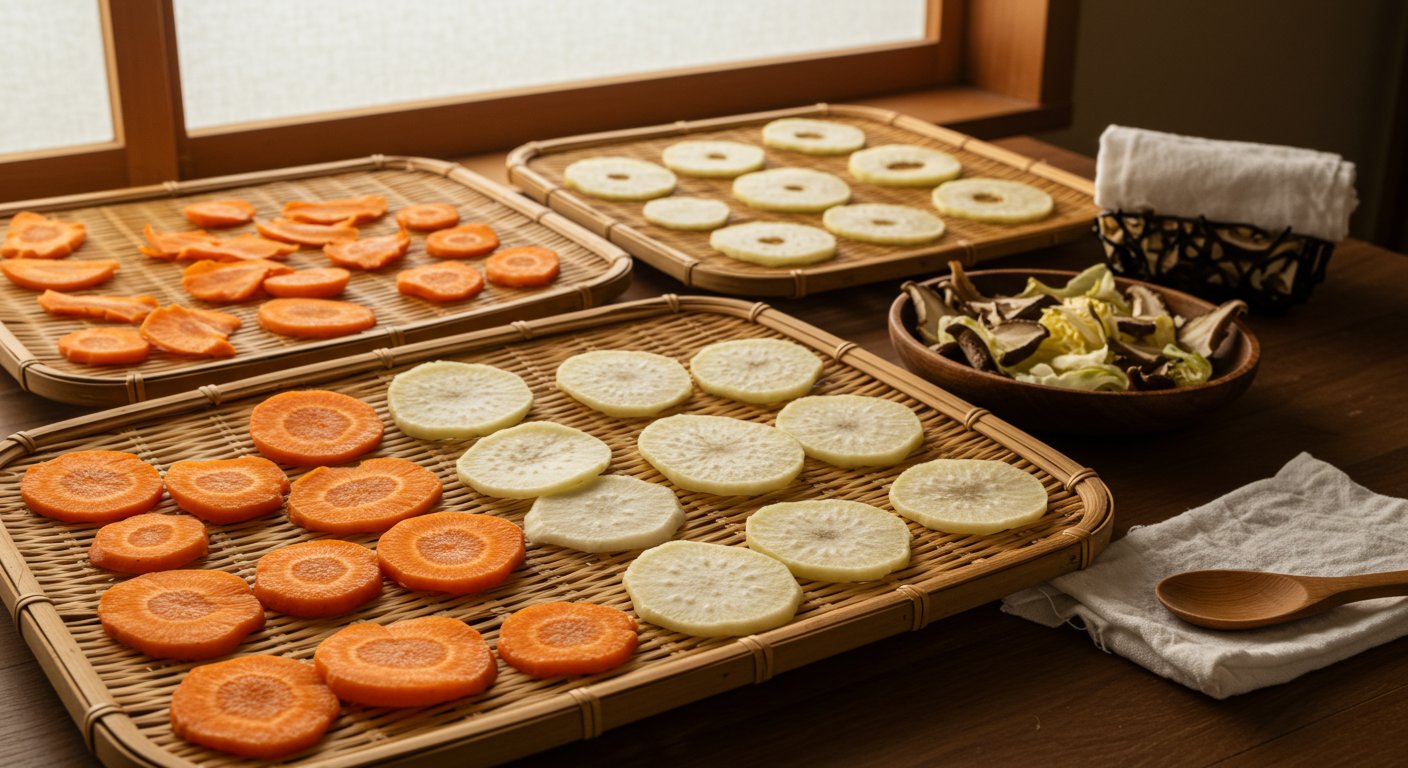 These dried vegetables are delicious on their own, but combining them increases the depth of flavor. My recommendation is the golden combination of kiriboshi daikon and dried shiitake mushrooms. They make an excellent dashi all by themselves!
【Dried Vegetables × Miso Soup】3 Recommended Recipes
Now, let's introduce three recipes that allow you to fully enjoy the charm of dried vegetables in miso soup.
1. Summer Vegetable Miso Soup

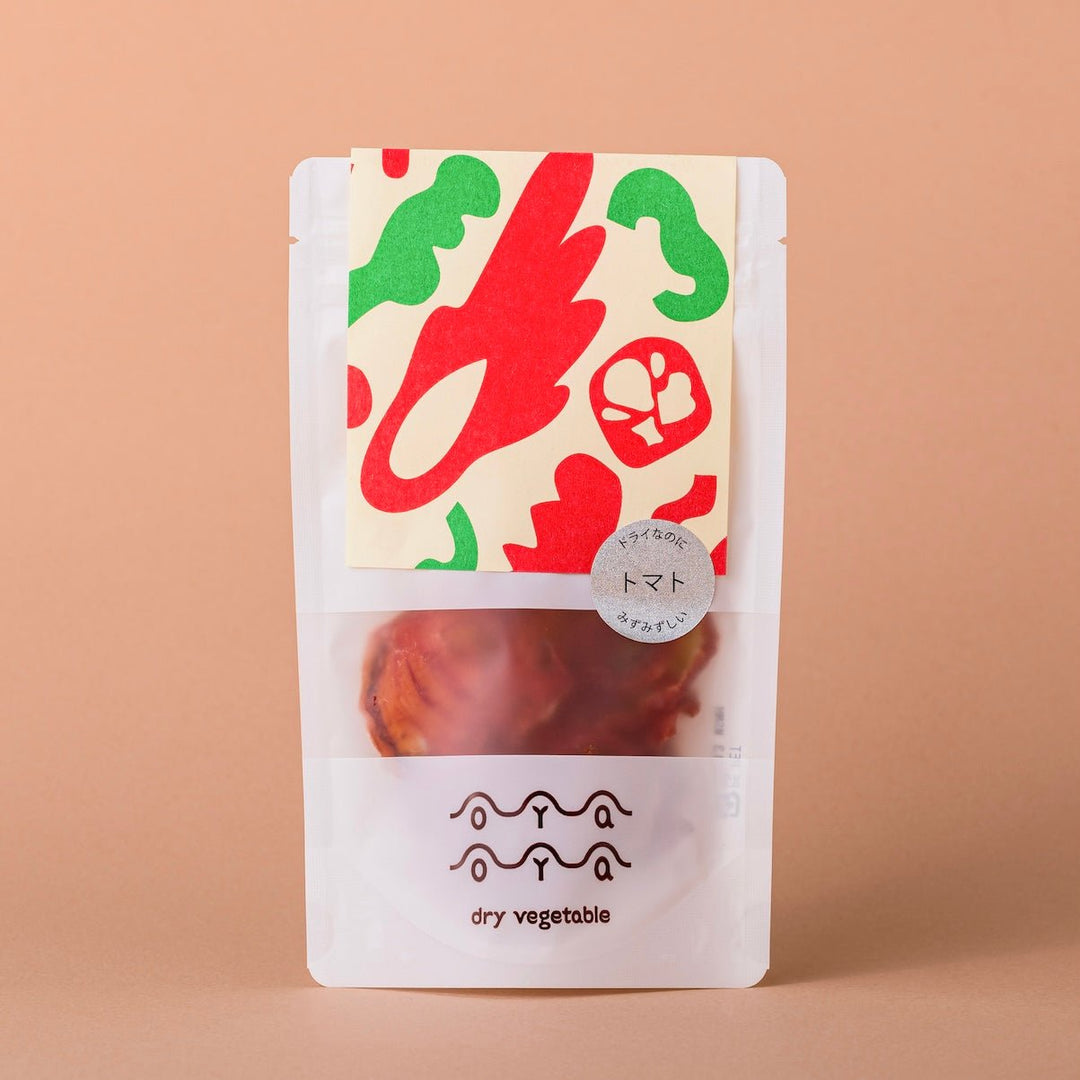
This nutritious miso soup, perfect for summer, is made with authentic dashi. You can enjoy the rich flavor of sun-dried tomatoes, the sweetness of pumpkin, and the stickiness of okra, along with changes in color and texture.
Click here for the Summer Vegetable Miso Soup recipe
2. Dried Tomato and Natto Miso Soup

The acidity and umami of sun-dried tomatoes dissolve into the base, and adding natto further boosts nutrition and umami. It's a unique yet addictive combination.
Click here for the Dried Tomato and Natto Miso Soup recipe
3.Kiriboshi Daikon Miso Balls

By mixing miso with ingredients and rolling them into balls beforehand, you can make homemade instant miso soup by simply adding hot water. The sweetness and umami of kiriboshi daikon are fully present, making for a satisfying bowl.
Click here for the Daikon Miso Ball recipe
Dried Vegetables and Miso Balls: Make Your Daily Miso Soup More Free and Enjoyable
Once you've experienced the charm of dried vegetables, next, try combining them with "miso balls."
Miso balls are homemade instant miso soup where miso and ingredients are rolled together in advance, and you just add hot water to complete the soup. If you add dried vegetables to this, you can quickly make an authentic bowl without needing dashi.
For example, if you combine umami-rich ingredients like kiriboshi daikon or dried shiitake mushrooms, you'll experience a deep flavor that makes you say "Oh, that's different" with just one sip. Since they can also be frozen, it's recommended to prepare 1-2 weeks' worth at once. They become a "charm" that allows you to enjoy warm miso soup anytime, anywhere, whether on a busy morning, for lunch at the office, or during hiking or traveling.
Just "dry," "roll," and "pour." Dried vegetables and miso balls are the ultimate duo that bring freedom and richness to your daily miso soup.

Vegetable Miso
The flavor of dried vegetables permeates, making it easy to use in miso soup and miso dishes. No preparation is needed; just marinate them in your preferred miso. For those who prefer minimal effort, I also recommend Vegetable Miso, where you simply put dried vegetables directly into the miso.
Summary: Adding "Magic" to Miso Soup with Dried Vegetables
No dashi needed, packed with nutrition, and stores well. Dried vegetables bring "three magical effects" to miso soup.
"I want to make my usual miso soup a little more special."
When you feel that way, please try drying leftover vegetables from your fridge. That will be the first step to making your daily meals a little more enjoyable.
If you combine them with miso balls, you can enjoy a delicious bowl of miso soup effortlessly, even on busy mornings.
Related Products
Learn More About Dried Vegetables
そのほかの乾燥野菜ブログ
View all