

Useful for disaster preparedness! 6 recommended foods and emergency foods to keep in your rolling stock
“Rolling stock” is a method of regularly consuming and replenishing stored food. Unlike typical long-term food storage, which prioritizes extended shelf life, rolling stock incorporates emergency food into daily meals, meaning the types of food chosen are different. This article introduces how to select foods suitable for rolling stock and recommends specific items.

What are Foods Suitable for Rolling Stock?
1. Prioritize Palatability Over Long Shelf Life
In traditional food storage, it was common to select foods with a long shelf life, such as 3-6 years. However, this limited choices and resulted in a lack of flavor variety. With rolling stock, because foods are consumed regularly, even items with a shelf life of about one year can be stored. When choosing foods, it’s better to prioritize delicious taste and everyday usability over a long shelf life.
2. Nutrient-Dense Foods
Nutritional balance is crucial during disasters. Choose foods that contain plenty of meat and vegetables, providing protein, vitamins, and minerals.
3. Foods That Require Minimal Preparation
During emergencies, gas and water services might be disrupted, making cooking difficult. Therefore, stock up on foods that require no cooking or can be eaten simply by adding water or hot water.
Having retort-pouch foods and ingredients that require no pre-preparation can also be useful for everyday cooking.
4. Foods That Keep Well at Room Temperature
If your refrigerator stops working during a disaster, food will spoil quickly. Therefore, it's reassuring to stock up on ingredients that can be stored at room temperature for a long time.

6 Recommended Foods for Rolling Stock
Now, let's introduce eight specific foods recommended for rolling stock.
Canned Goods
Canned goods have a long shelf life at room temperature and come in a wide variety. Tuna and mackerel cans are easy to incorporate into everyday meals. During a disaster, they become a valuable source of nutrition. It’s also recommended to stock canned fruits, which are highly nutritious and can serve as a dessert.
Retort Foods (Stew, Curry)
Retort foods require no cooking; simply remove them from the pouch and heat them up. They are nutritionally balanced and delicious. They are also useful in daily life for busy times as they are easy to eat. Instant Soup: Instant soups and miso soup, which can be eaten by simply adding hot or cold water, are also recommended. They are useful not only during emergencies but also when you're busy.
Alpha Rice and Packaged Rice
Alpha rice is vacuum-packed and can be stored for a long time. It requires no cooking and can be easily eaten by adding water. Packaged rice has the taste of regular rice, making it easy to use daily.
Dried Noodles
Dried noodles have a long shelf life and are easy to prepare. Stocking a little more than usual can be helpful in an emergency.
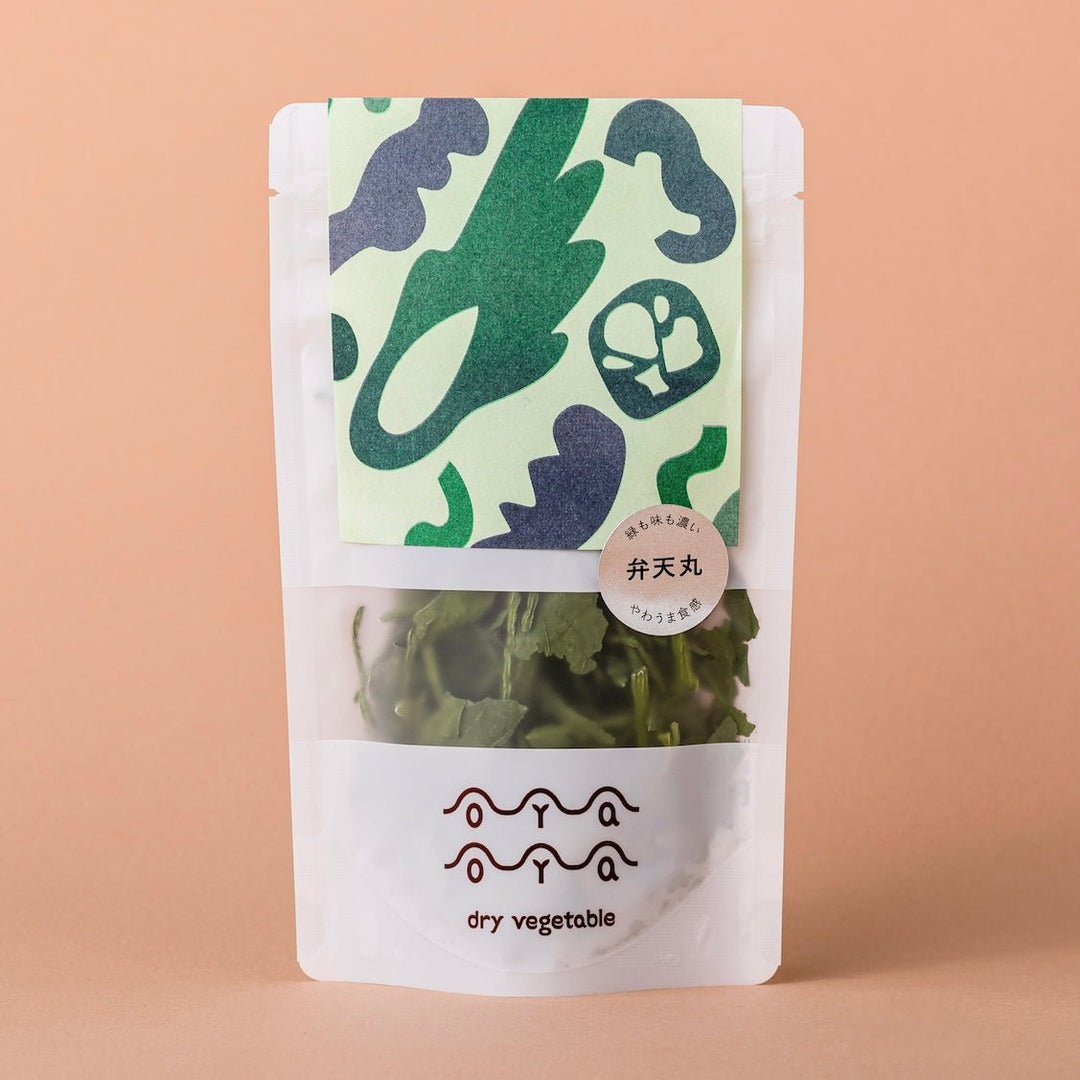
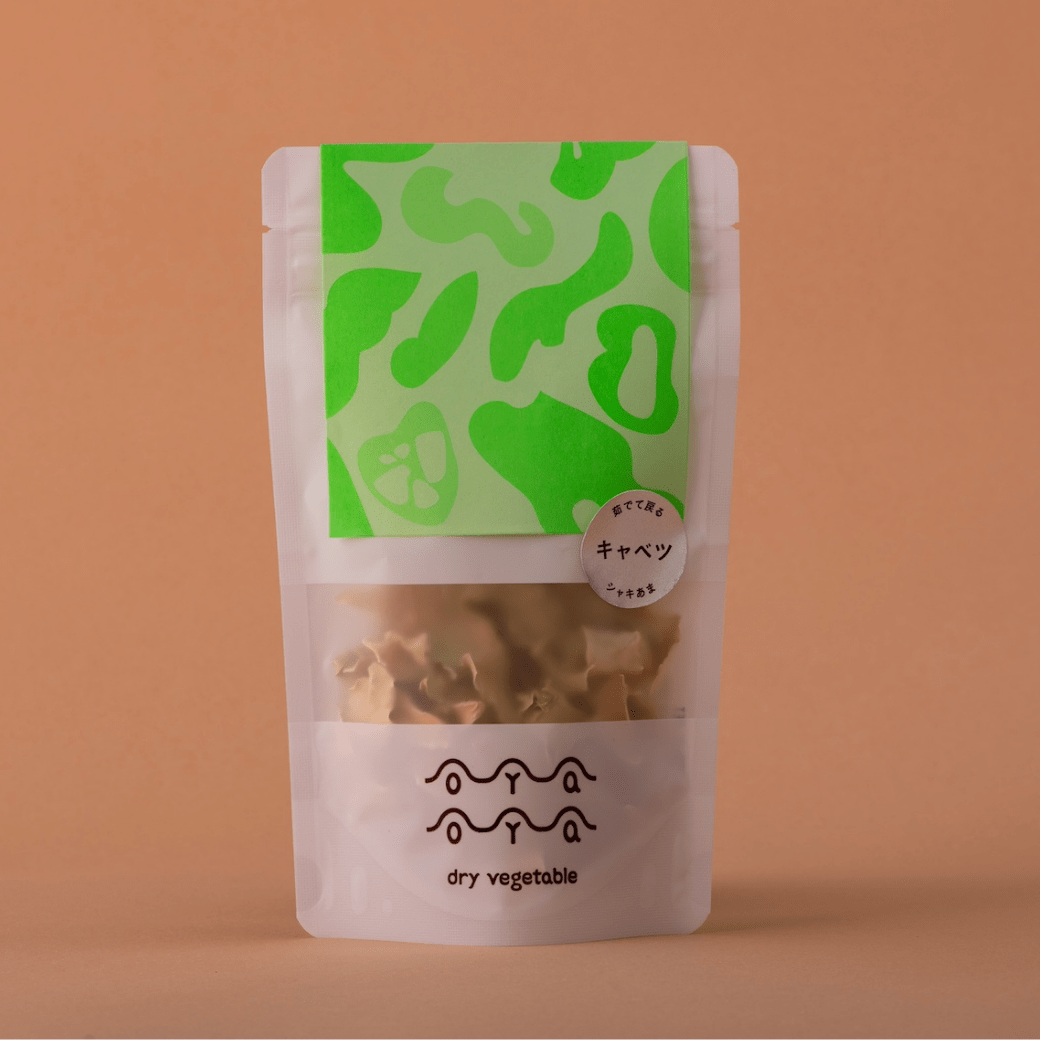
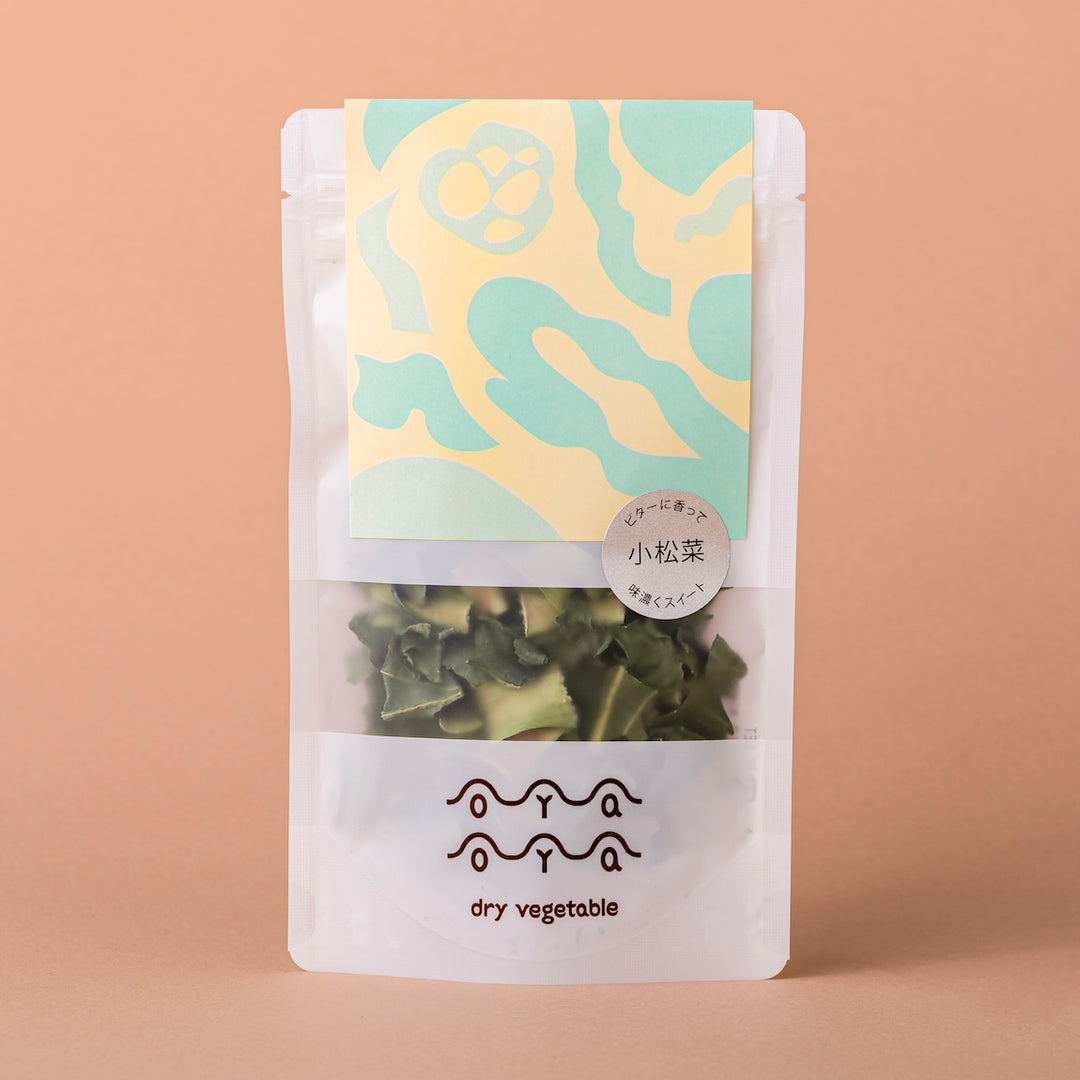
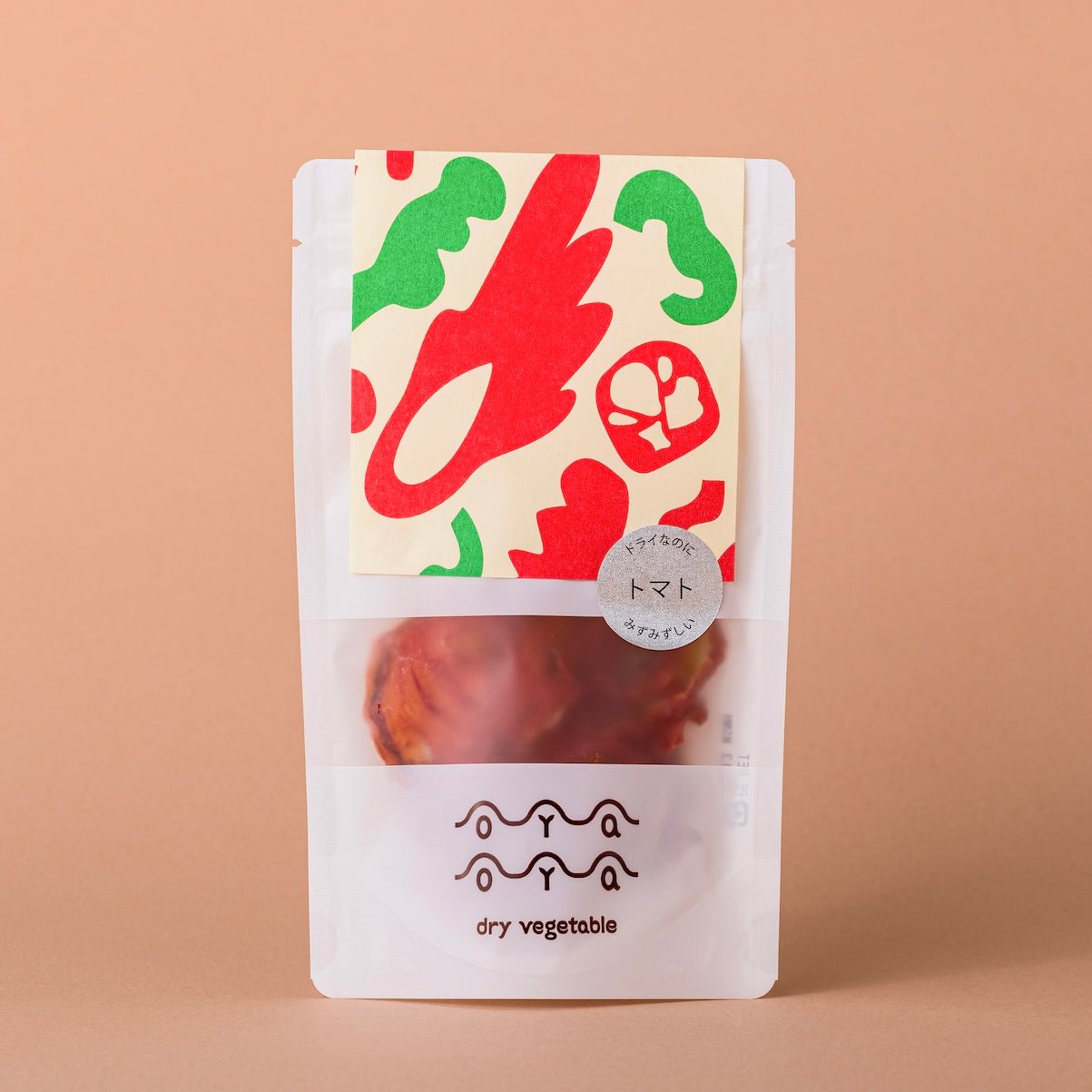
Dried Sliced Vegetables
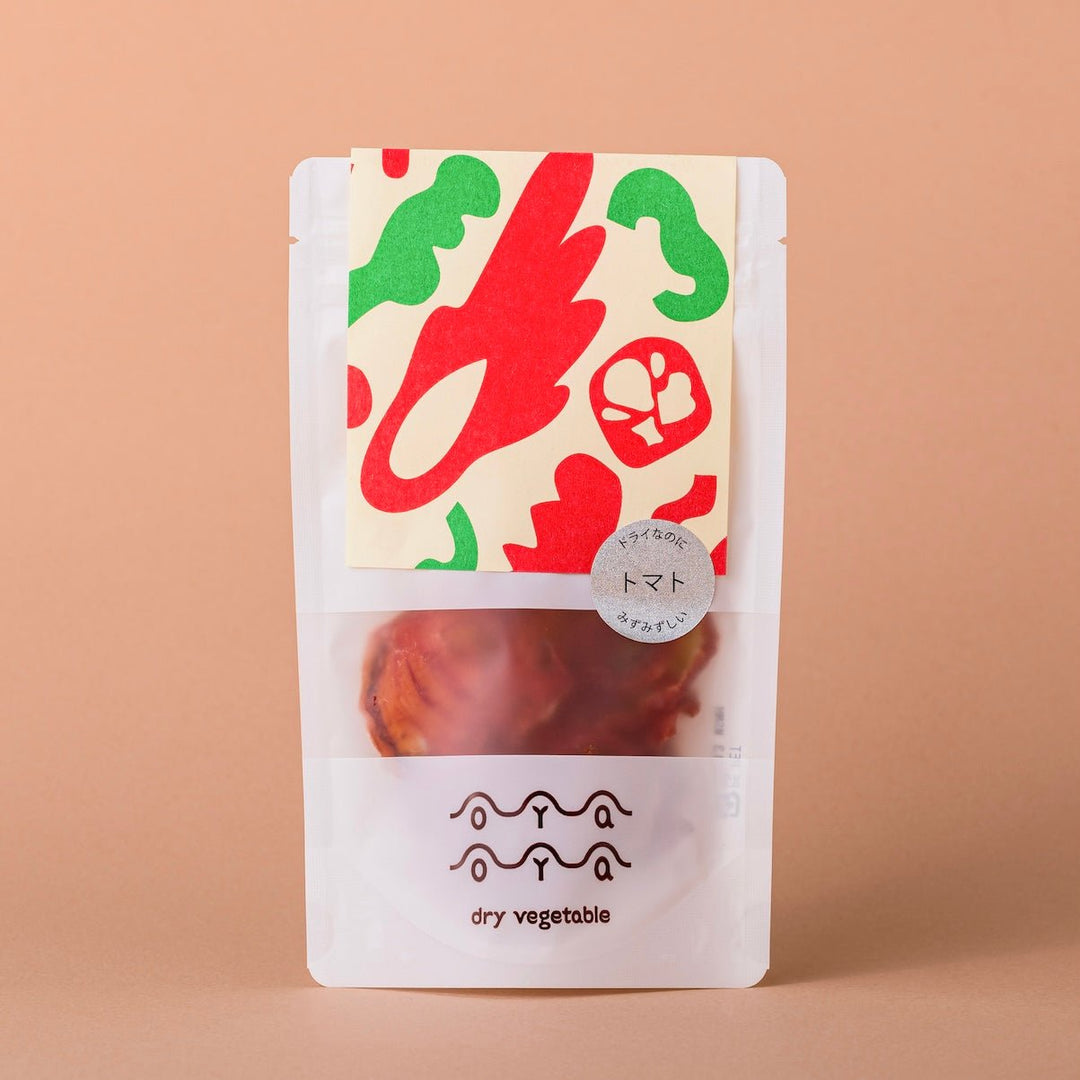
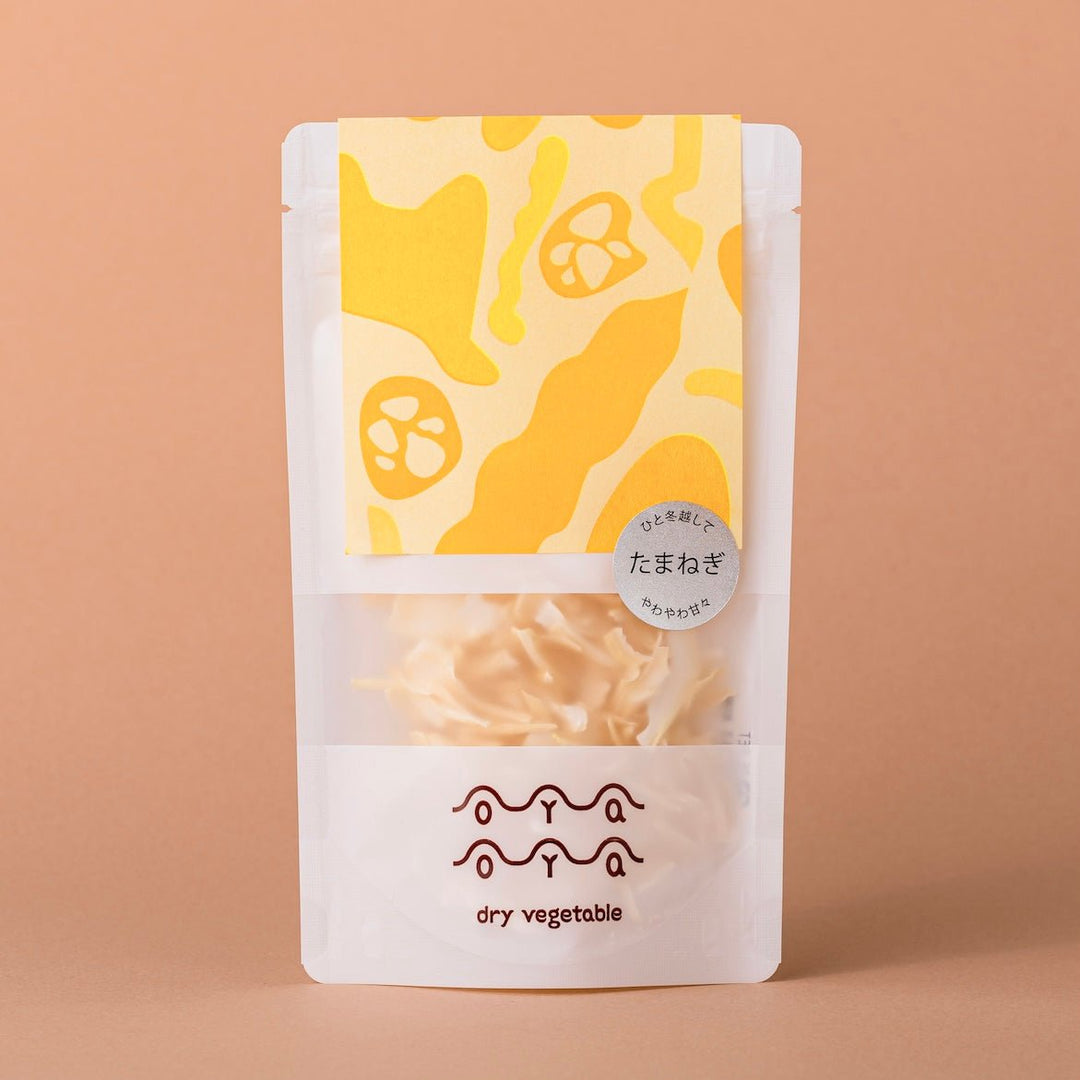
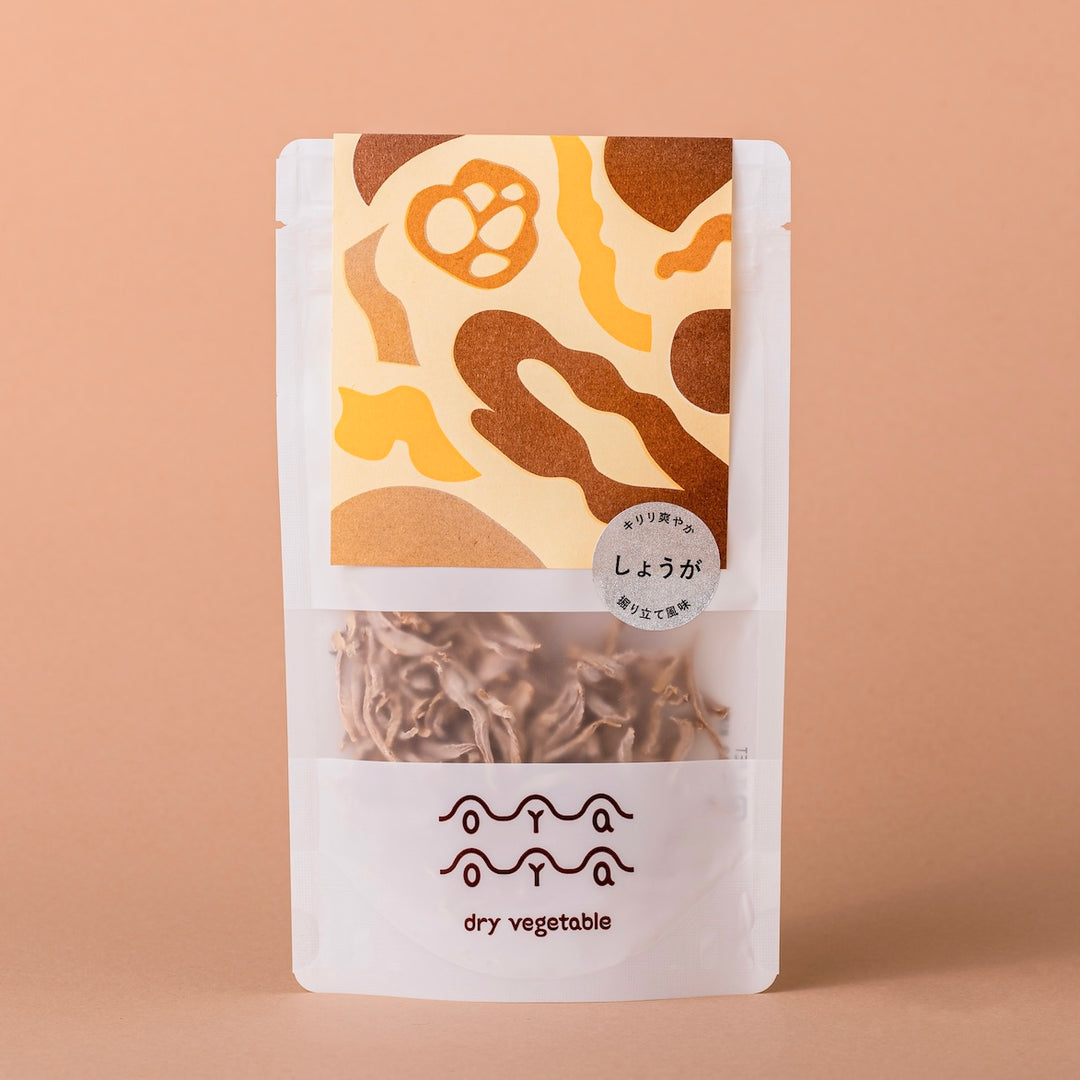
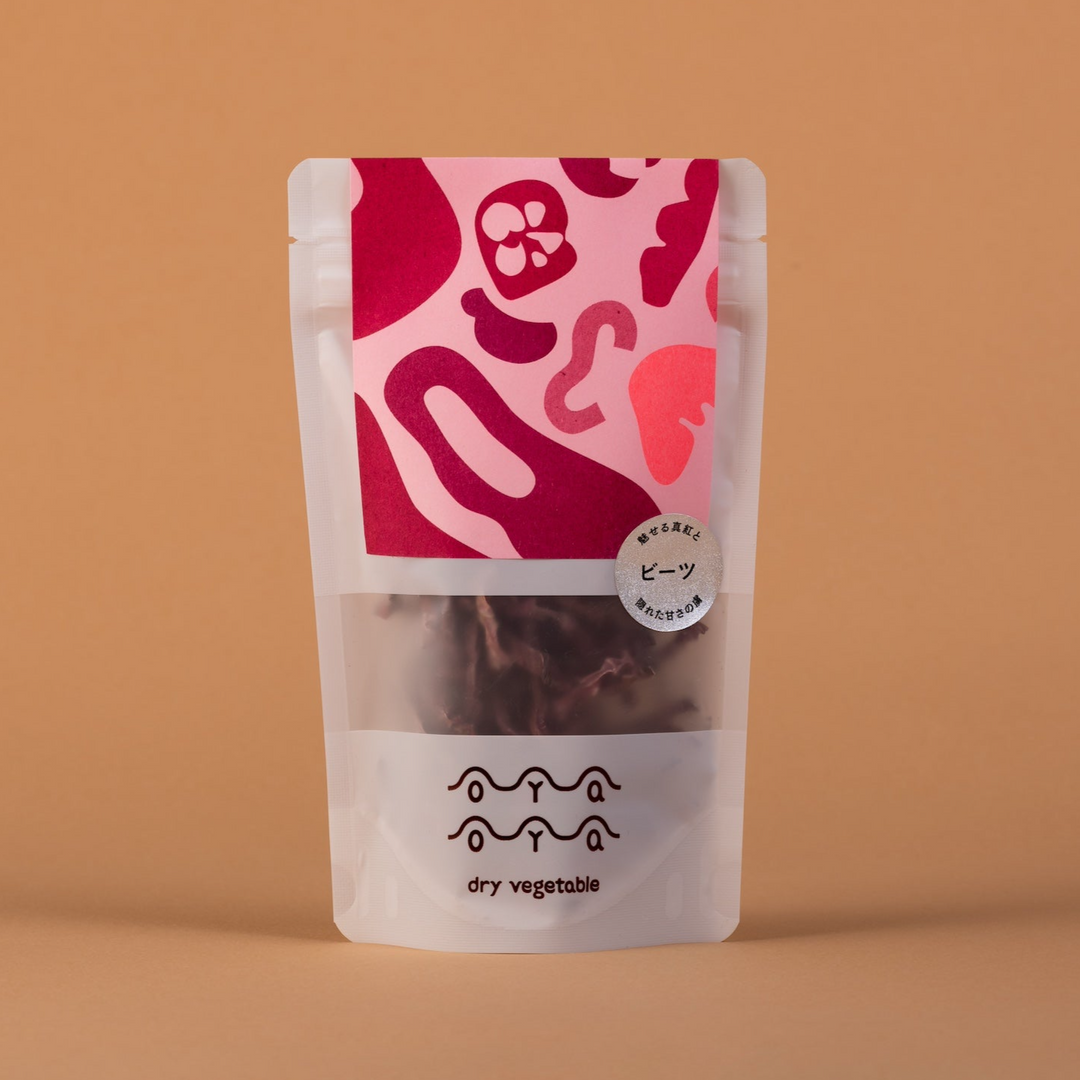
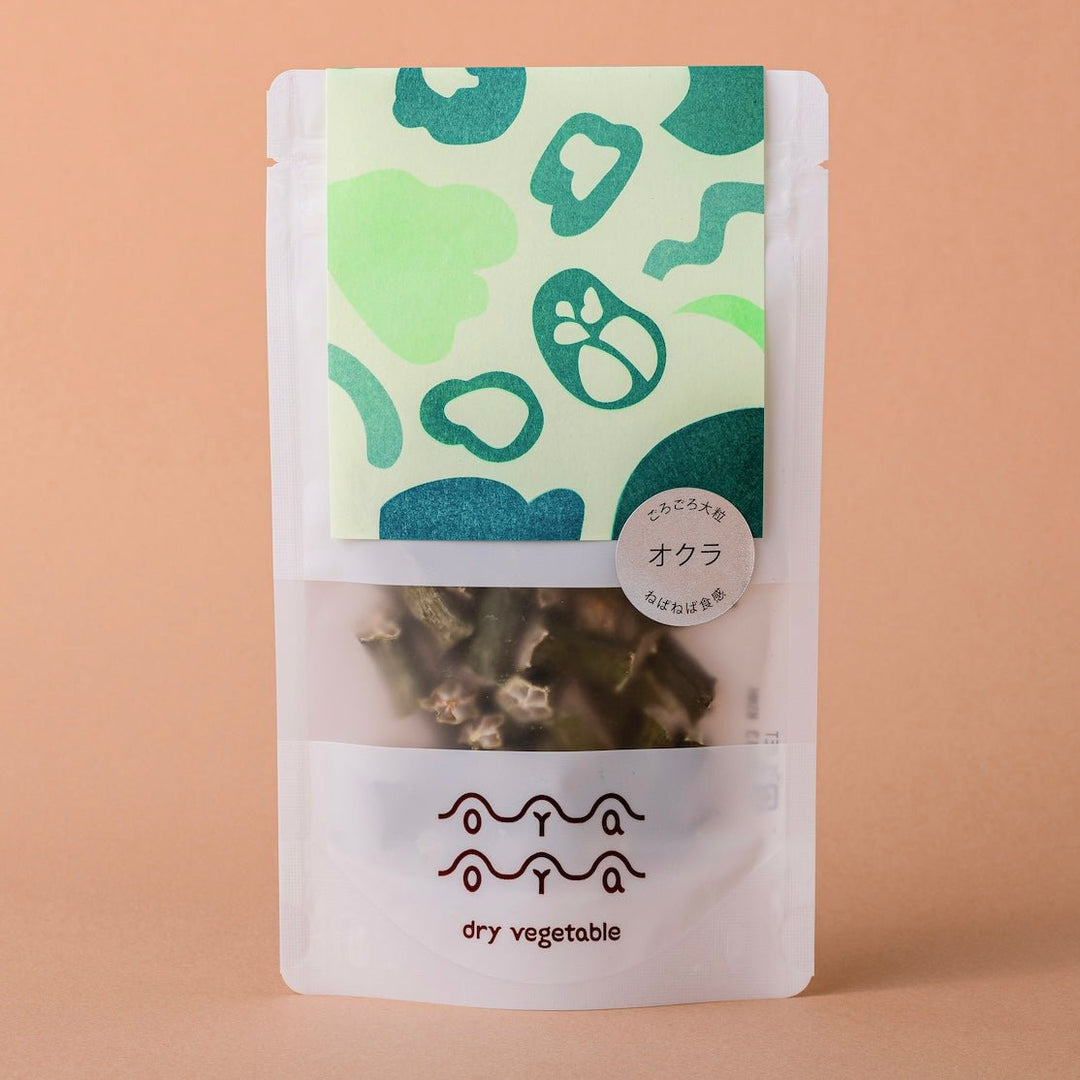
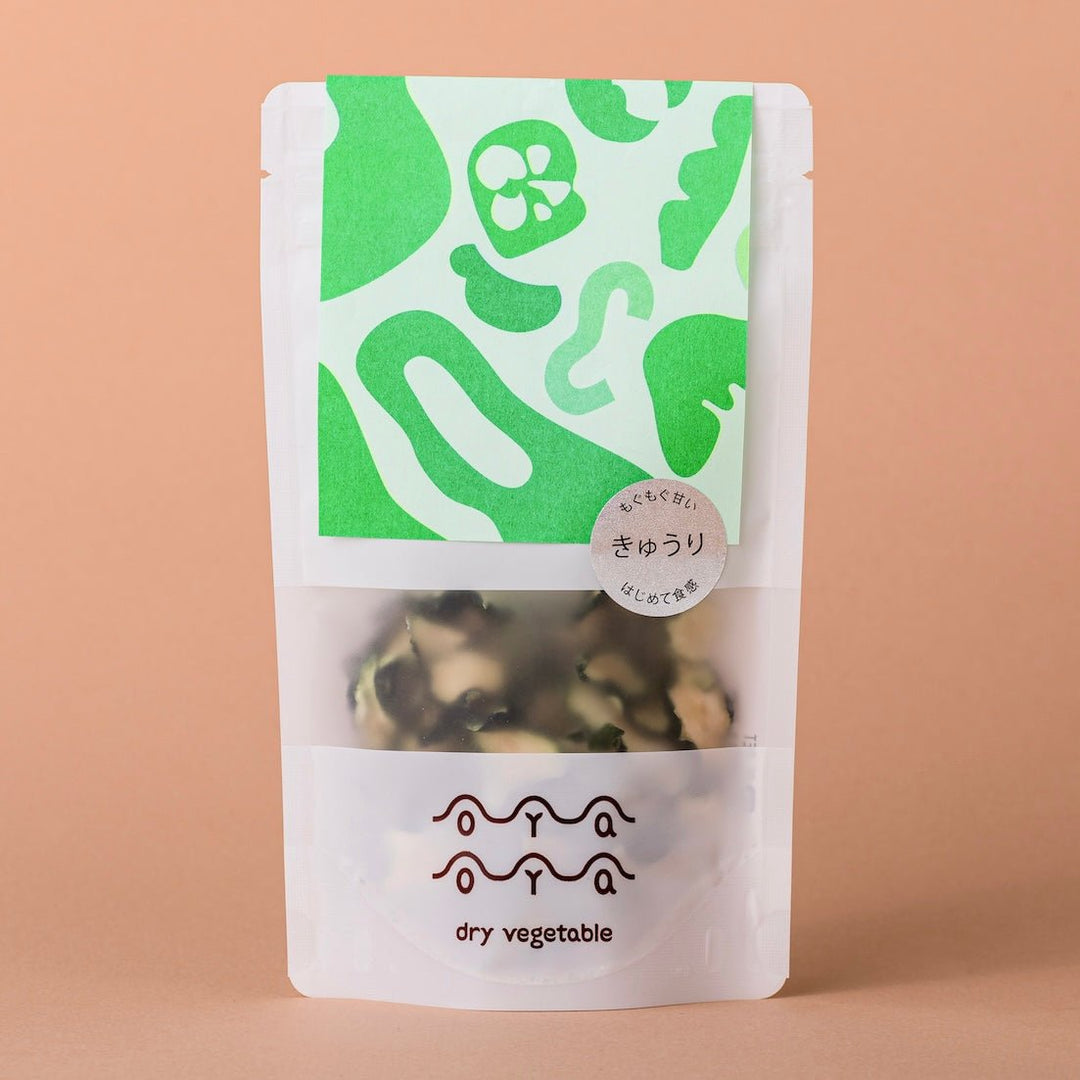
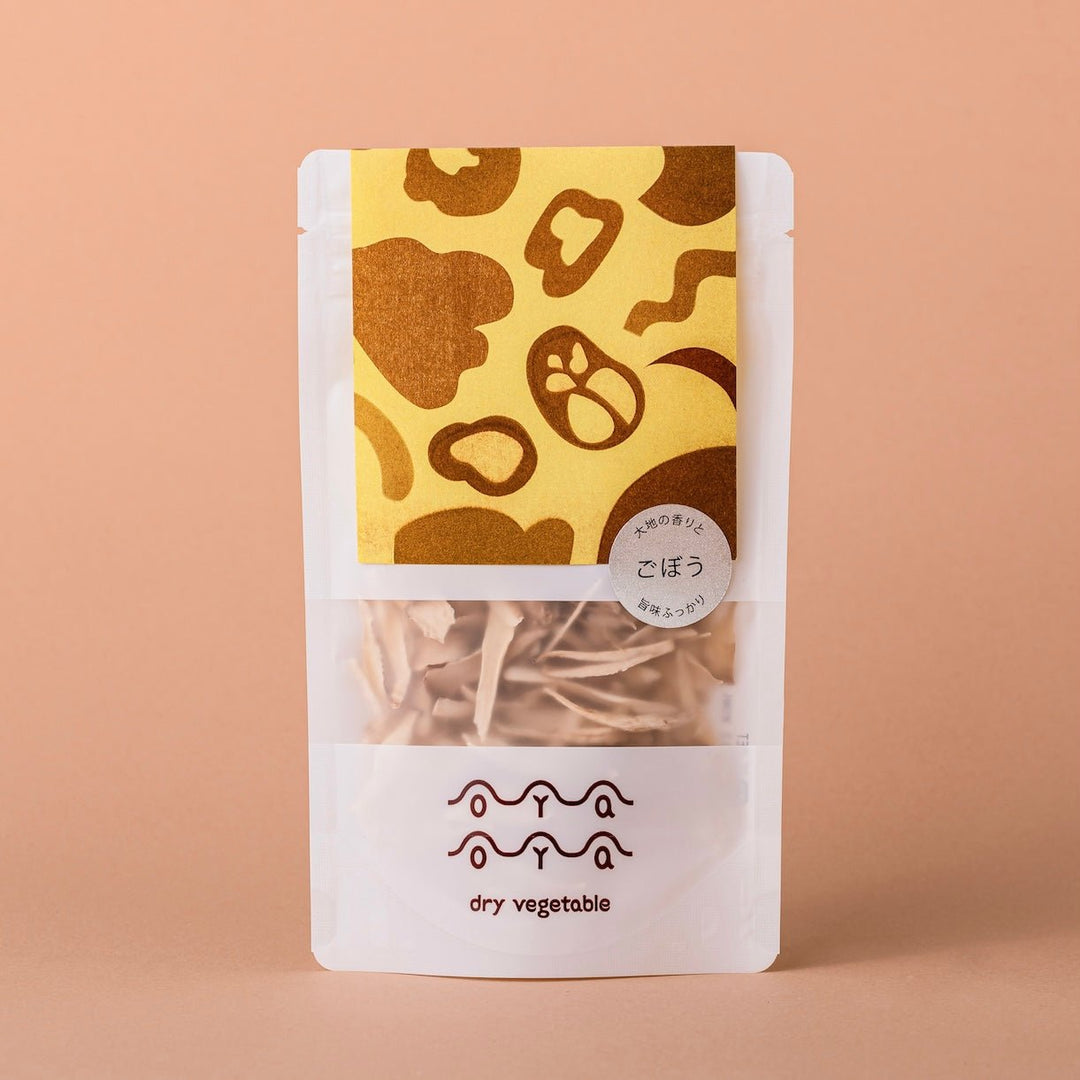
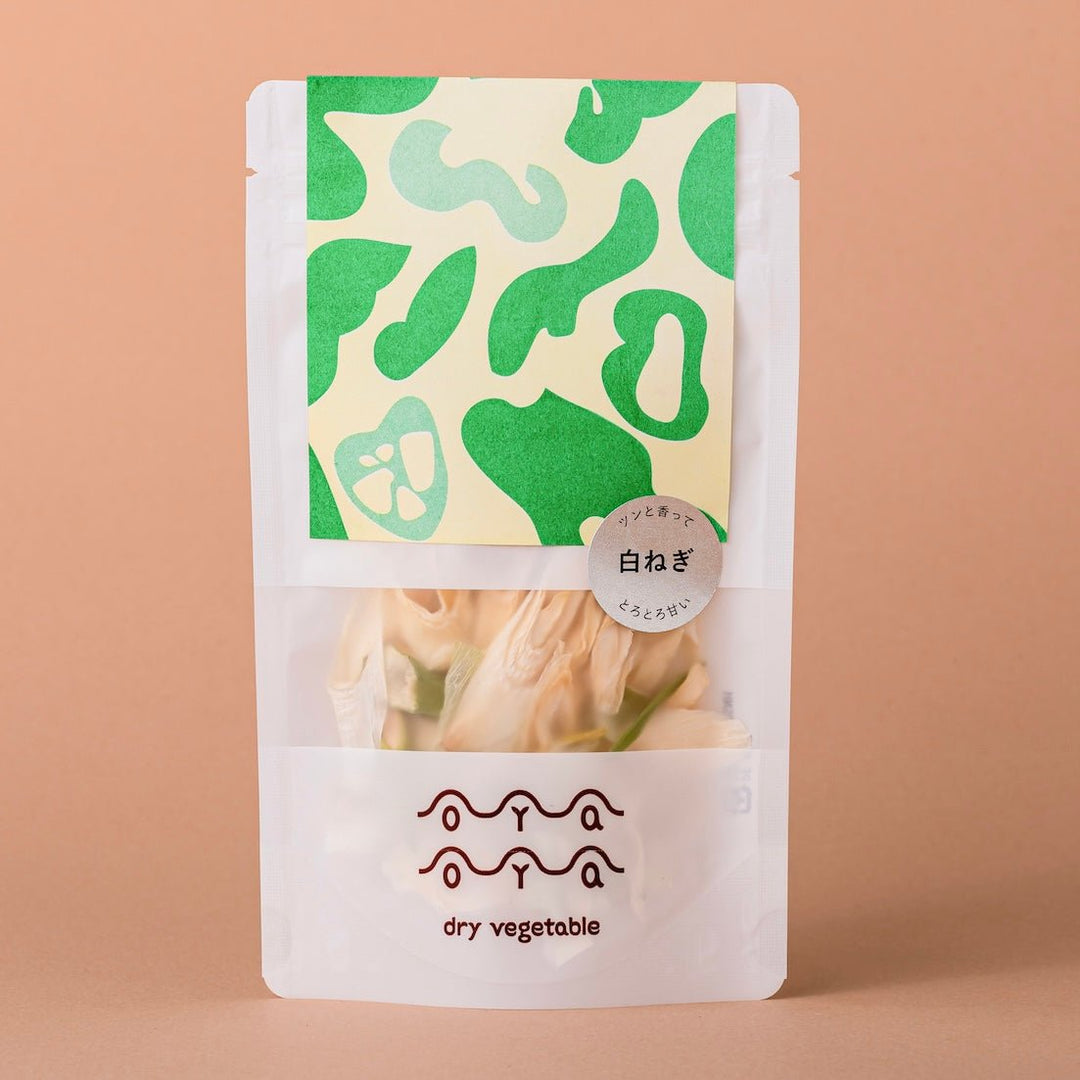
Dried sliced vegetables, which are delicious when hot or cold water is added, are also recommended for rolling stock. In times of disaster, they become an important source of dietary fiber, vitamins, and minerals. Since they don't require cutting and can be added directly to soups and stews, they are convenient for daily cooking.
Key Points of Rolling Stock
The amount of food to store with rolling stock varies depending on the number of family members and the duration of storage. Generally, it is recommended to store about 3 to 7 days' worth of food per person. Since it might be difficult to procure food during an emergency, it's good to have as much as you can reasonably store.
In rolling stock, regular consumption is important, so store food in an easily accessible place like the kitchen. Arranging items by their expiration date helps prevent older foods from being overlooked.
Additionally, regular replenishment is essential for rolling stock. To avoid shortages when needed, make sure to restock immediately after consuming food. Maintaining a constant supply of stored food contributes to peace of mind during disasters.
Start Rolling Stock!
Rolling stock is not only a preparation for disasters but also helps save time in daily cooking by having easily prepared foods. OYAOYA's dried sliced vegetables require no pre-preparation, and their concentrated umami and sweetness make them perfect for everyday cooking. In times of disaster, dried sliced vegetables can help you replenish essential vegetable nutrients. Please give them a try.
Related Articles
- I stopped rolling stock! Smart food management with OYAOYA's dried vegetables
- What is rolling stock? Advantages and how to get started!
- Rolling stock with dried vegetables! Includes sample recipes
Related Products
Learn More About Dried Vegetables
- 5 Easy Steps to Make Dried Vegetables
- How to Rehydrate Dried Vegetables | 10 Minutes to Restore Plumpness and Umami
- How to Store Dried Vegetables and Their Shelf Life
- Dried Vegetables Transform Miso Soup! The Ultimate Ingredient with Concentrated Umami
- 7 Delicious Soup Recipes Made with Dried Vegetables
そのほかの乾燥野菜ブログ
View all