

Why are Kyoto vegetables so special? | The history and culture of Kyoto vegetables

Beloved Kyoto Vegetables
One of the charms of Japanese food culture is its diverse ingredients, rooted in regionality and history. Among them, "Kyo-yasai" (Kyoto vegetables), traditional vegetables representative of Kyoto, have been cherished as a special presence. This article explores the history and cultural background of Kyo-yasai, revealing their appeal.
What are Kyo-yasai? Their Definition and Characteristics
Kyo-yasai is a general term for traditional vegetables cultivated primarily in Kyoto Prefecture. Unlike common vegetables, they have strong regional and traditional characteristics, and have been used for centuries in Japanese imperial cuisine and tea ceremony hospitality. Therefore, Kyo-yasai have a sense of luxury, and their taste and nutritional value are also meticulously considered.


History of Kyo-yasai
The history of Kyo-yasai is old, with cultivation said to have begun in the Heian period. Kyoto was once the capital of Japan, a place where Japanese culture, such as imperial cuisine and the tea ceremony, flourished. For this reason, Kyo-yasai became highly cultivated as a high-quality ingredient. The climate and topography of Kyoto, which are suitable for Kyo-yasai cultivation, also contributed to their development.
Varieties and Characteristics of Kyo-yasai
Kyo-yasai that are also associated with OYAOYA include Mibuna, Kujo negi (green onion), Manganji togarashi (chili pepper), Kamo nasu (eggplant), Shogoin daikon (radish), and Fushimi togarashi (chili pepper). These vegetables have unique varieties and cultivation methods, and have been cultivated according to the local climate. Furthermore, the nutritional value and flavor of each vegetable are a major appeal of Kyo-yasai.

Why Kyo-yasai are Loved and OYAOYA's Dried Vegetables
The reasons why Kyo-yasai are loved are their rich taste and high nutritional value. They are also compatible with Japanese food culture, which values seasonal ingredients and dishes made with local produce, and are therefore supported by many people. Furthermore, Kyo-yasai enhance the appeal of food by allowing people to experience their history and culture.
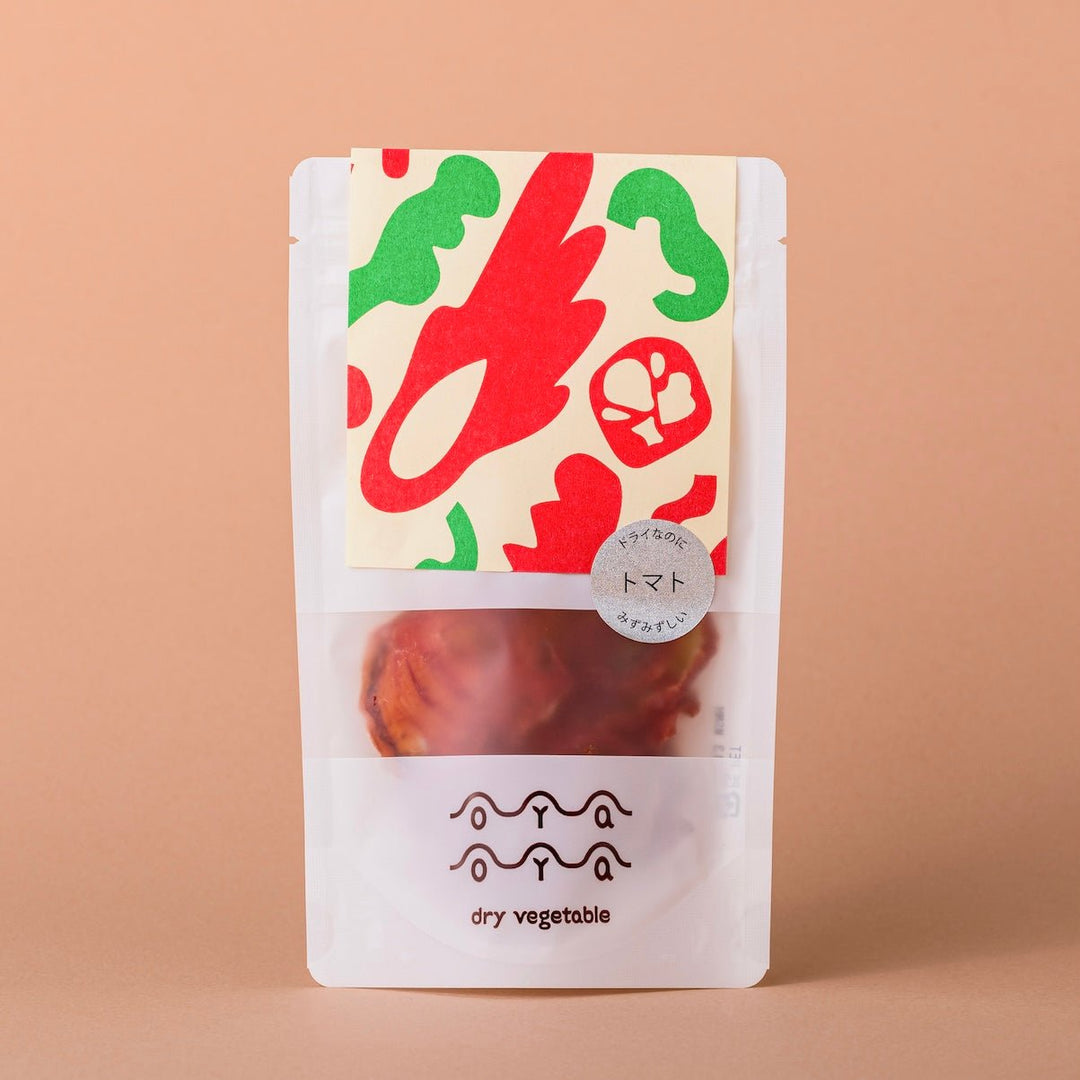
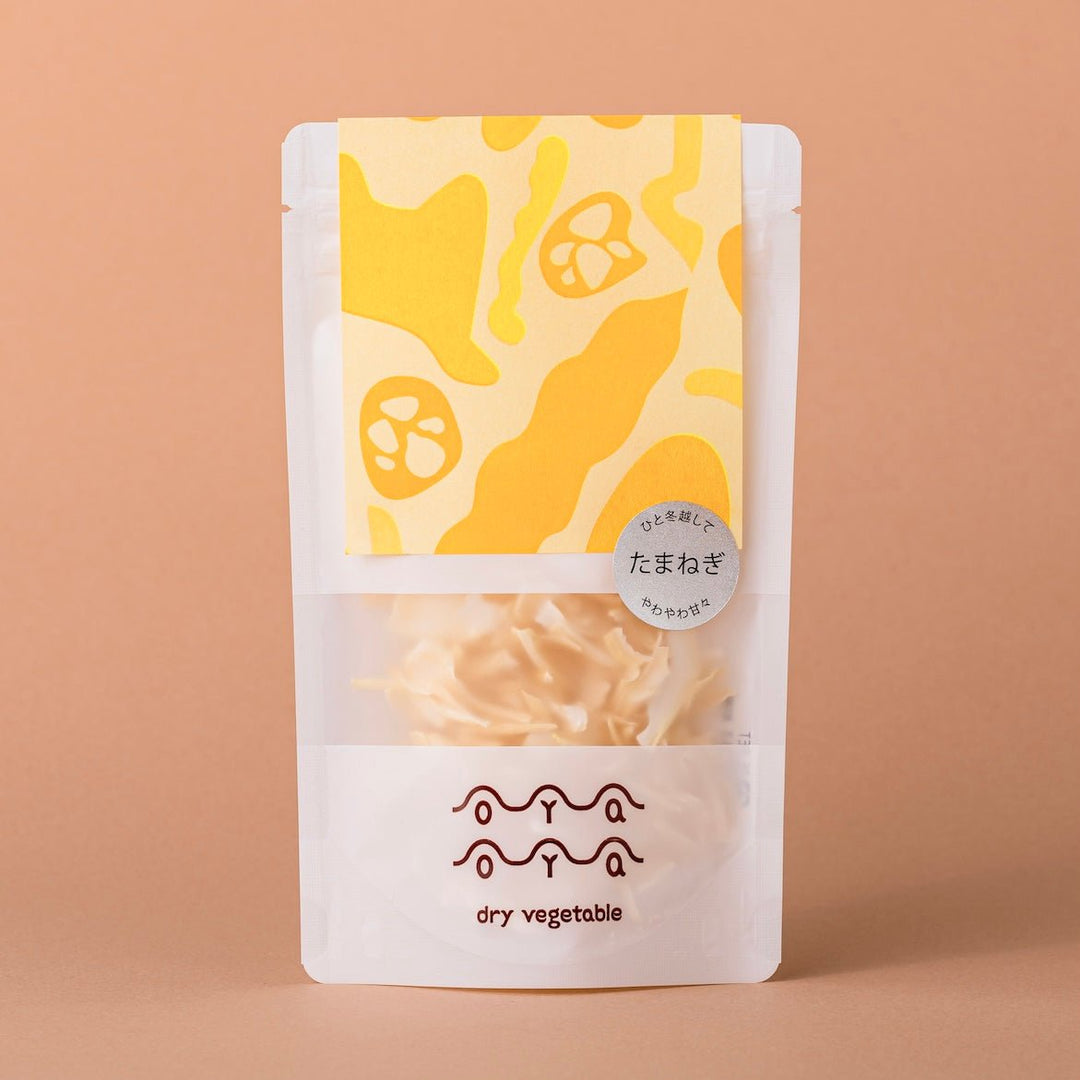
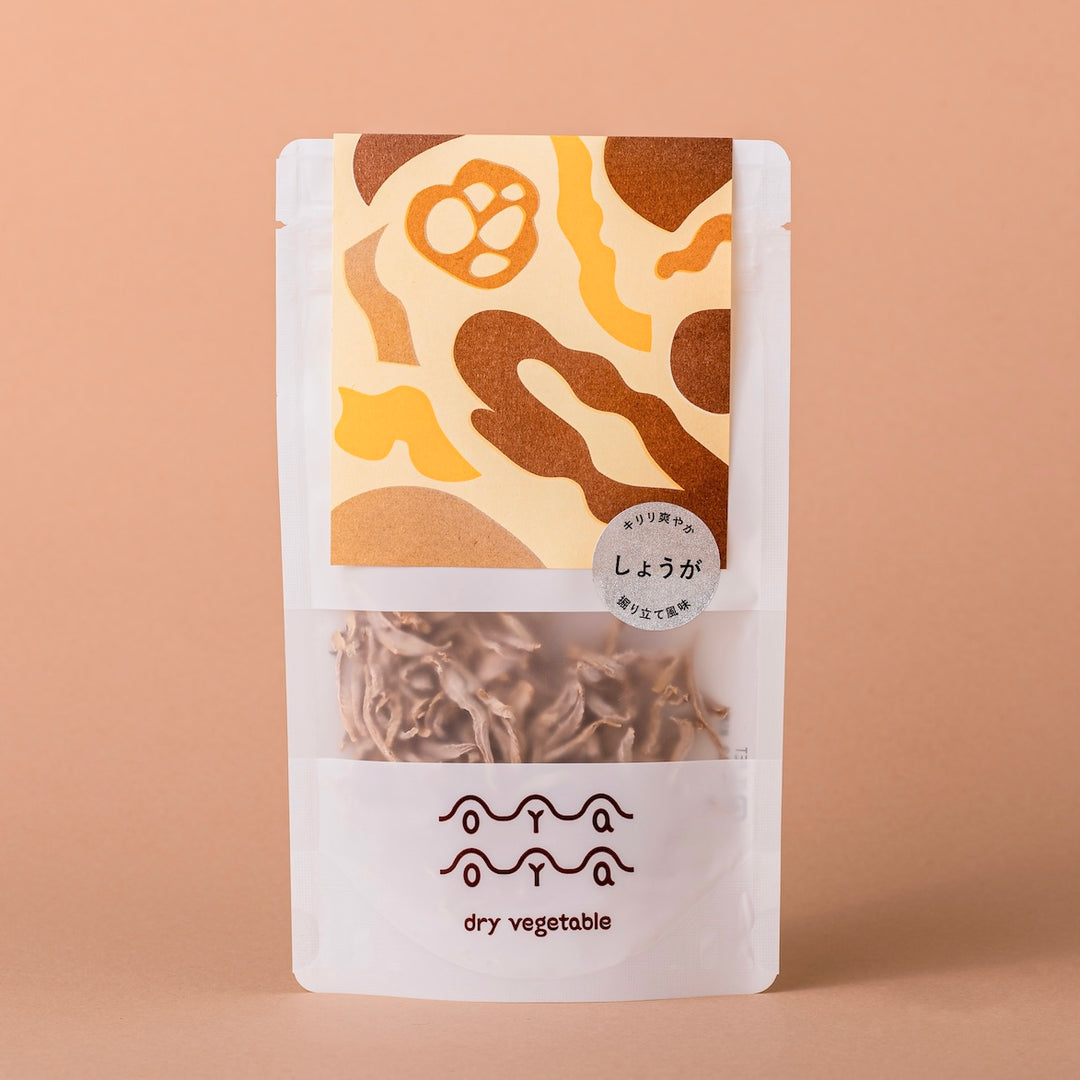
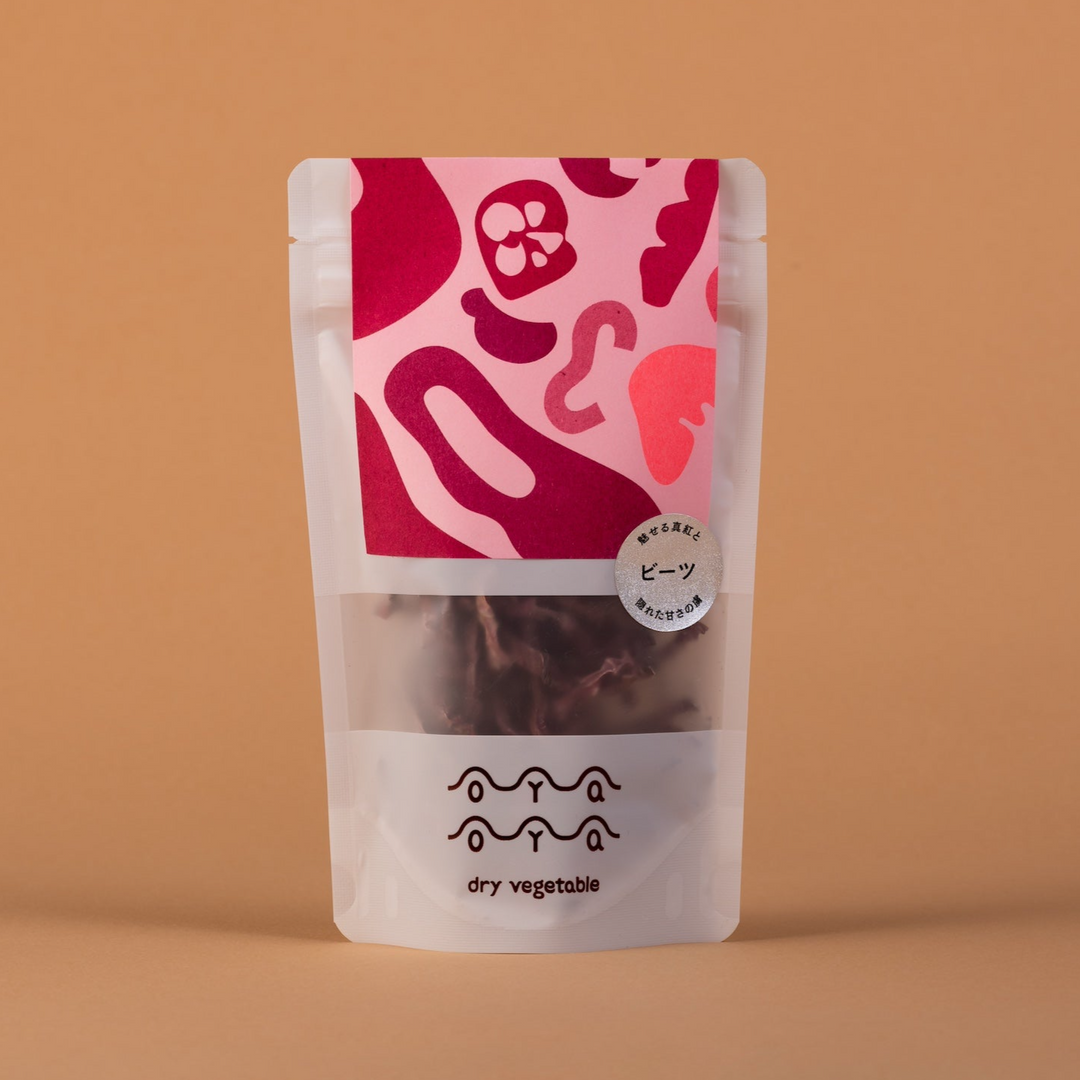
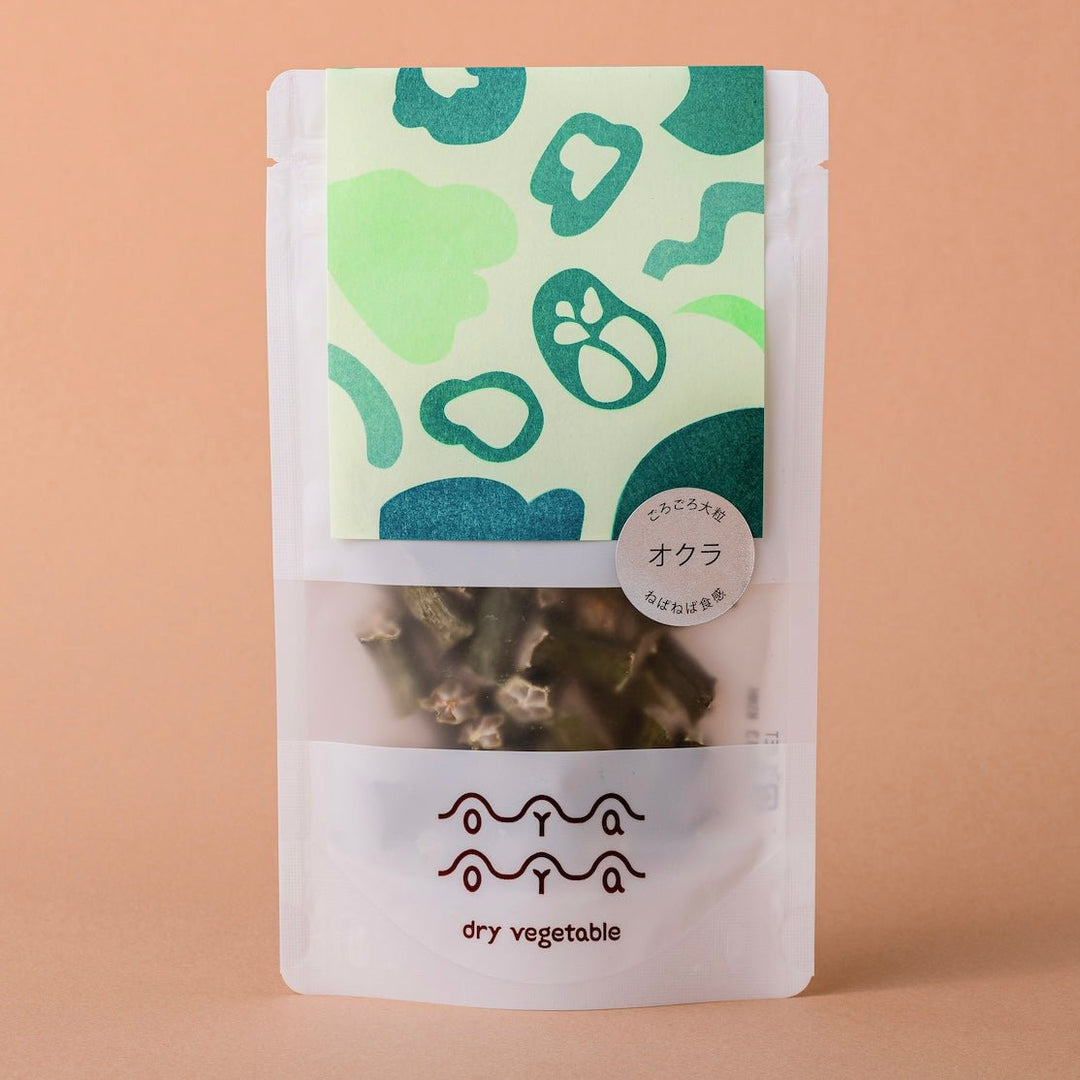
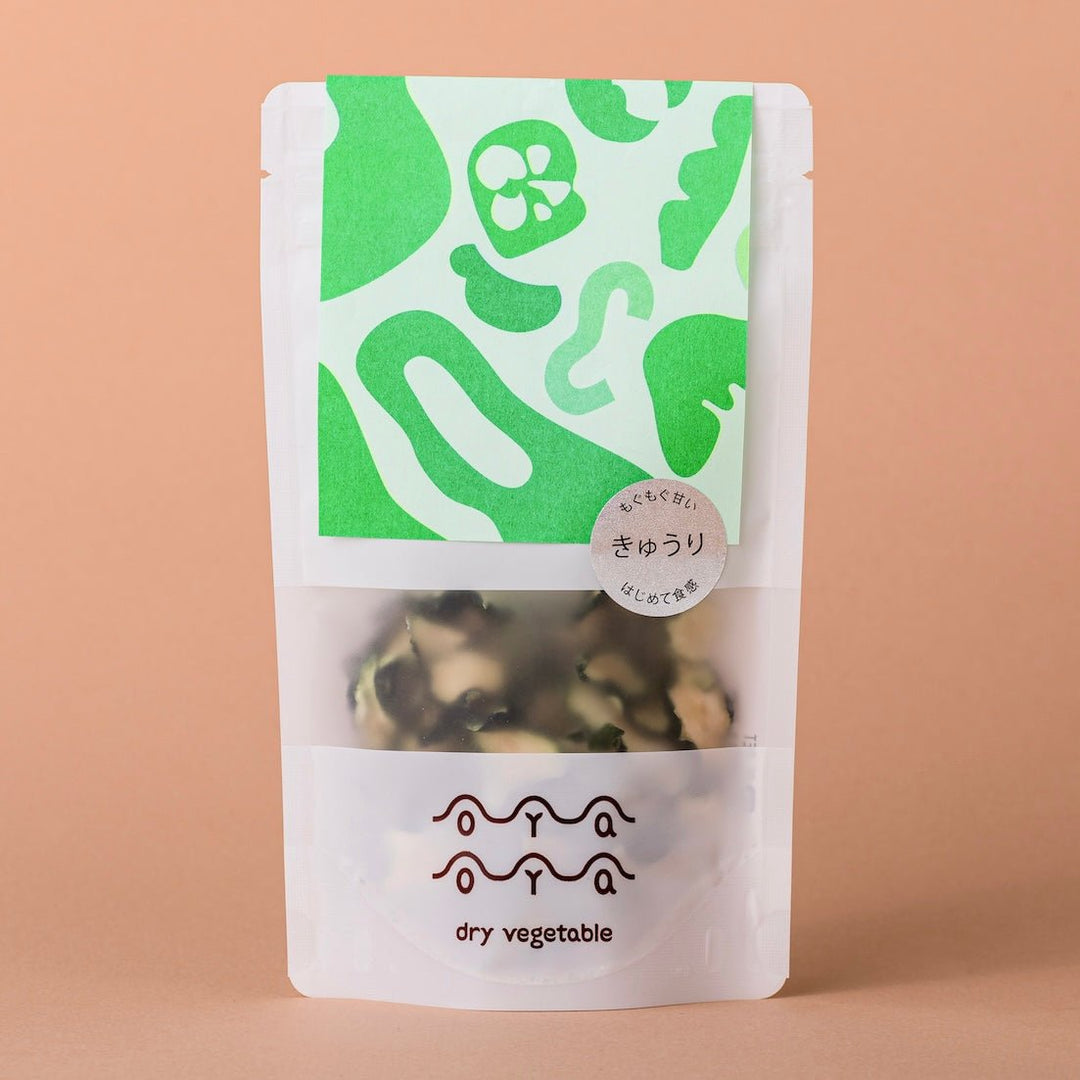
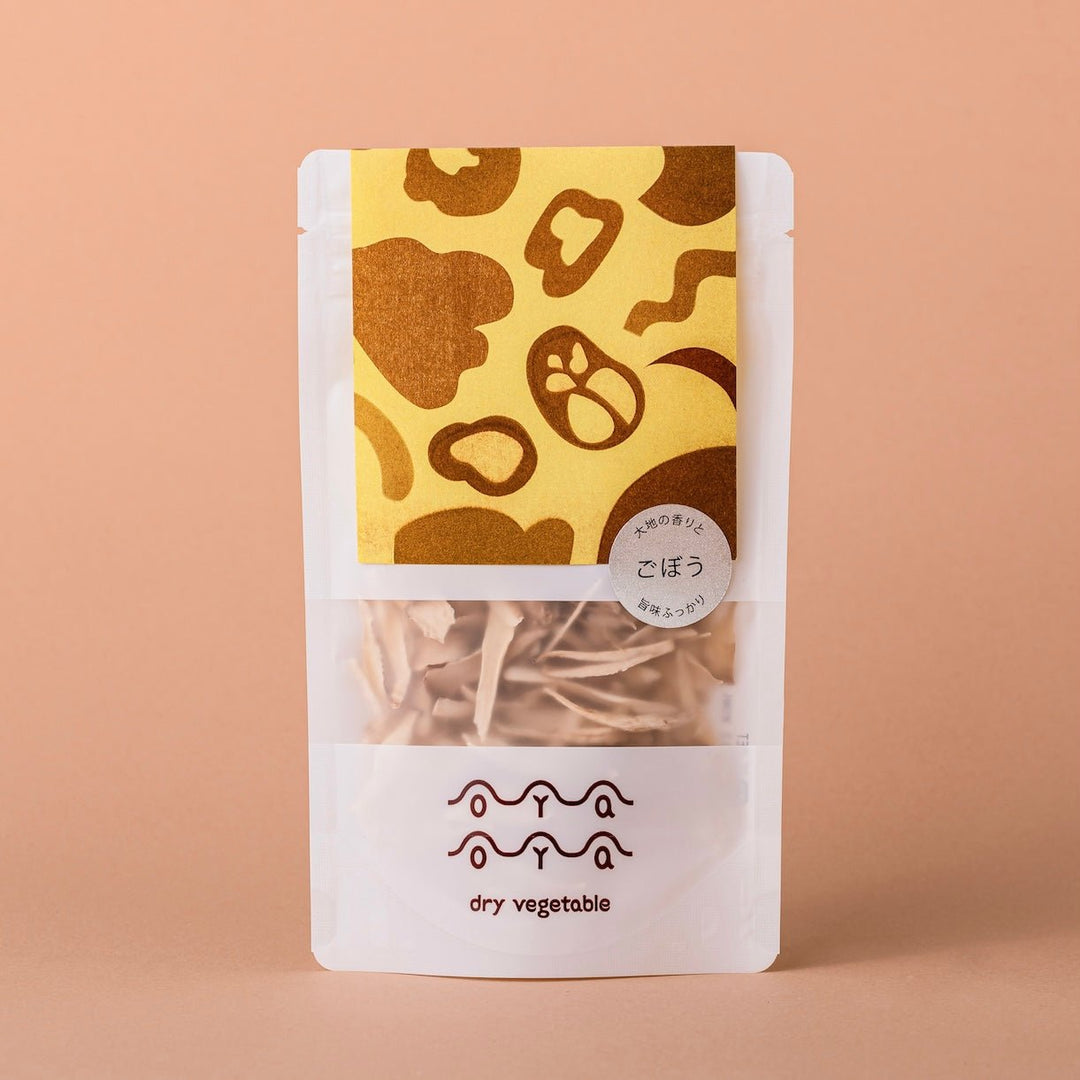
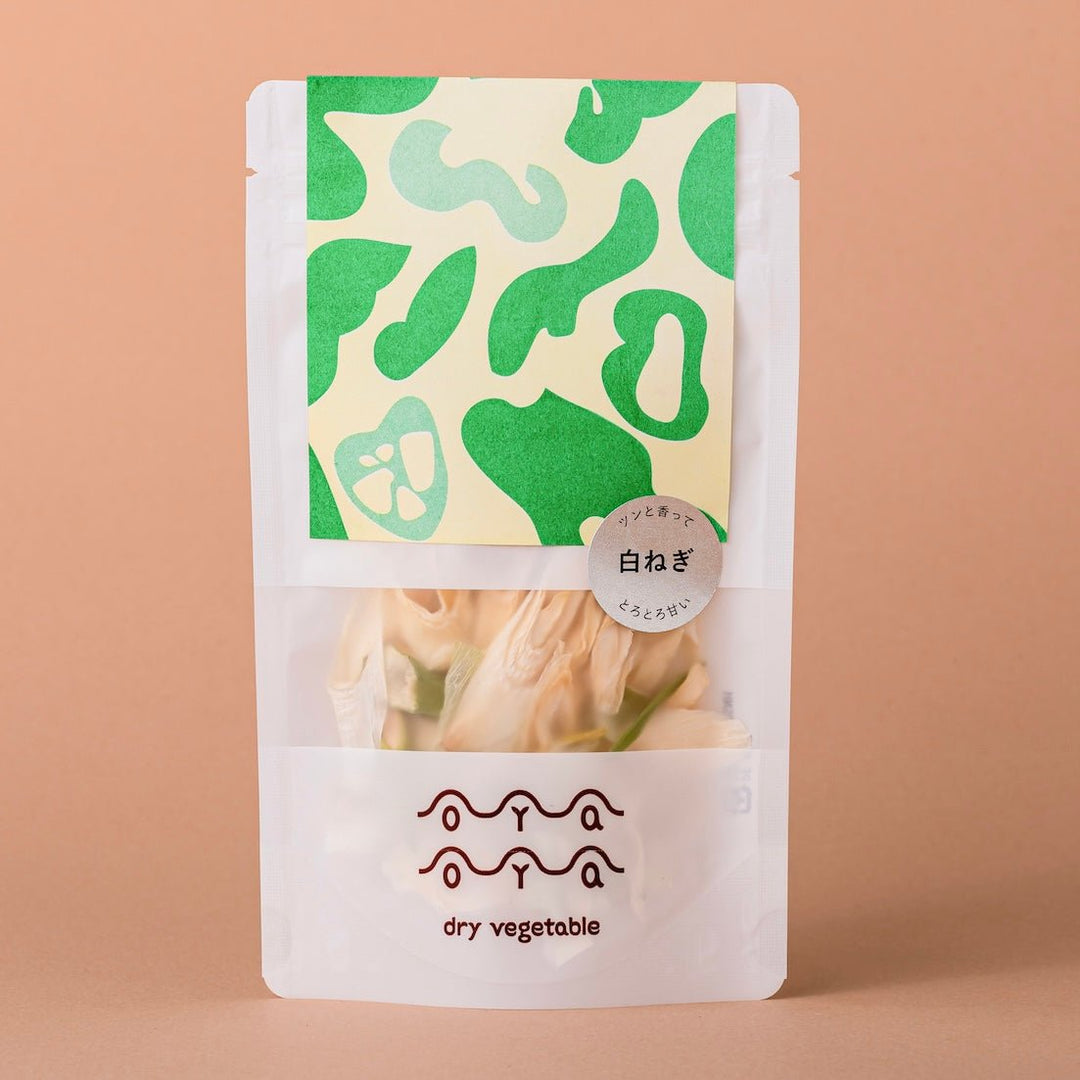
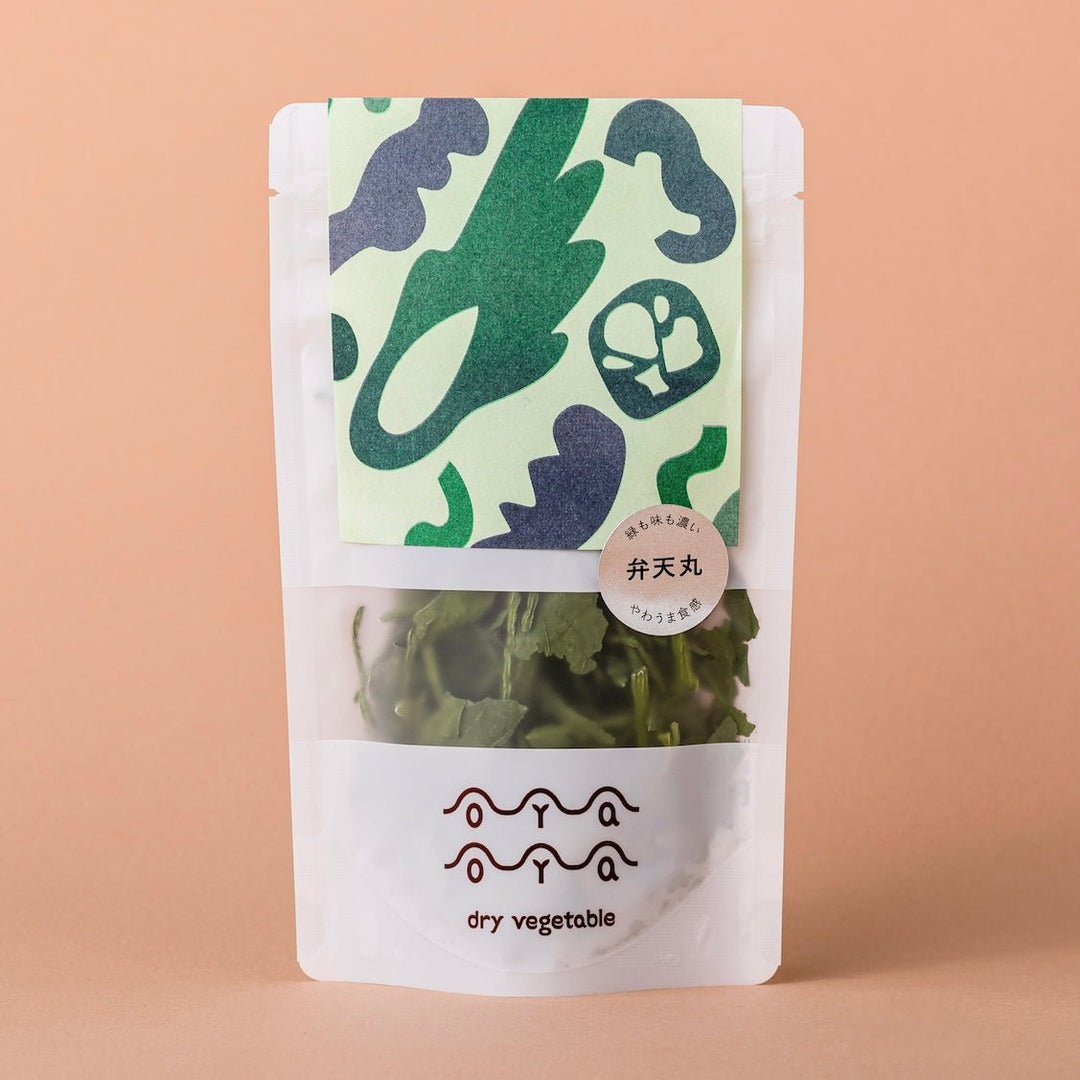
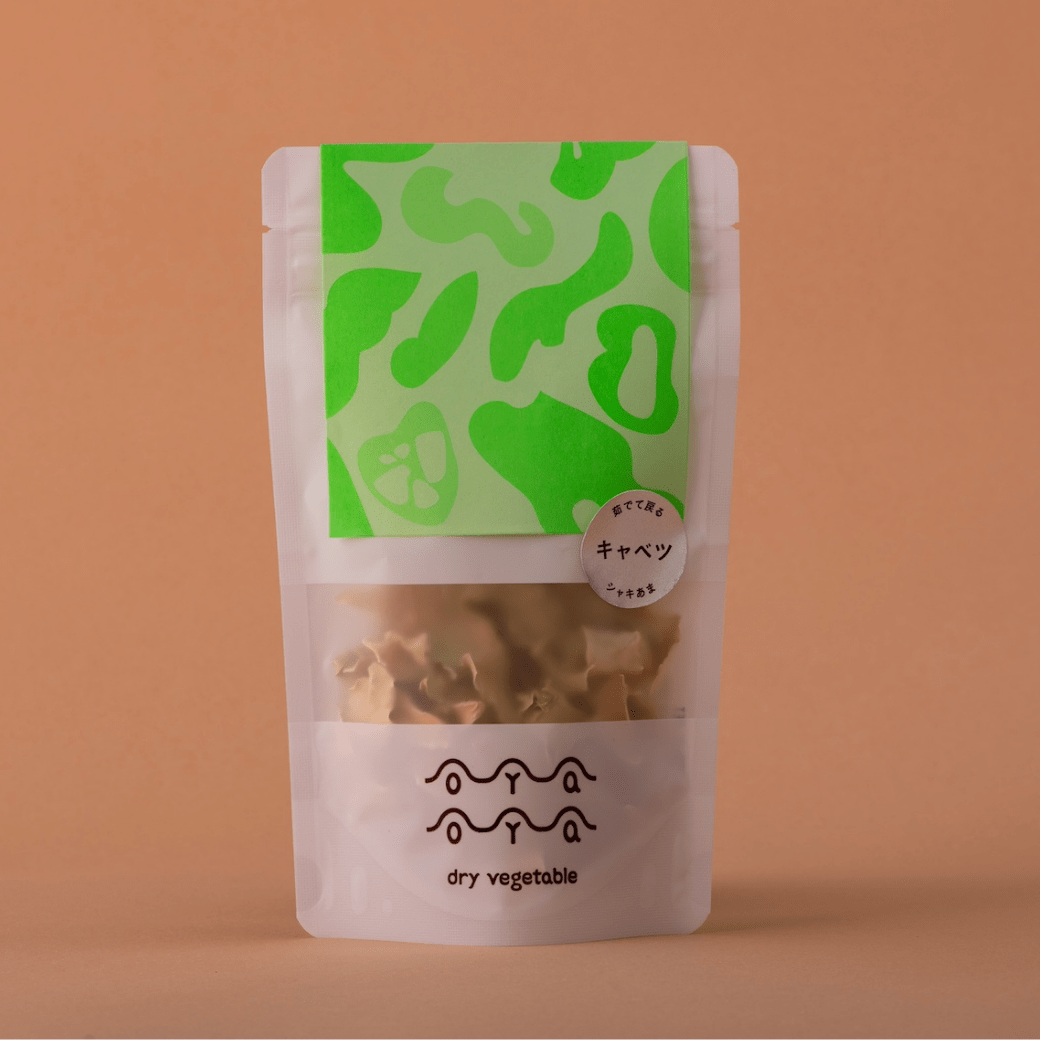
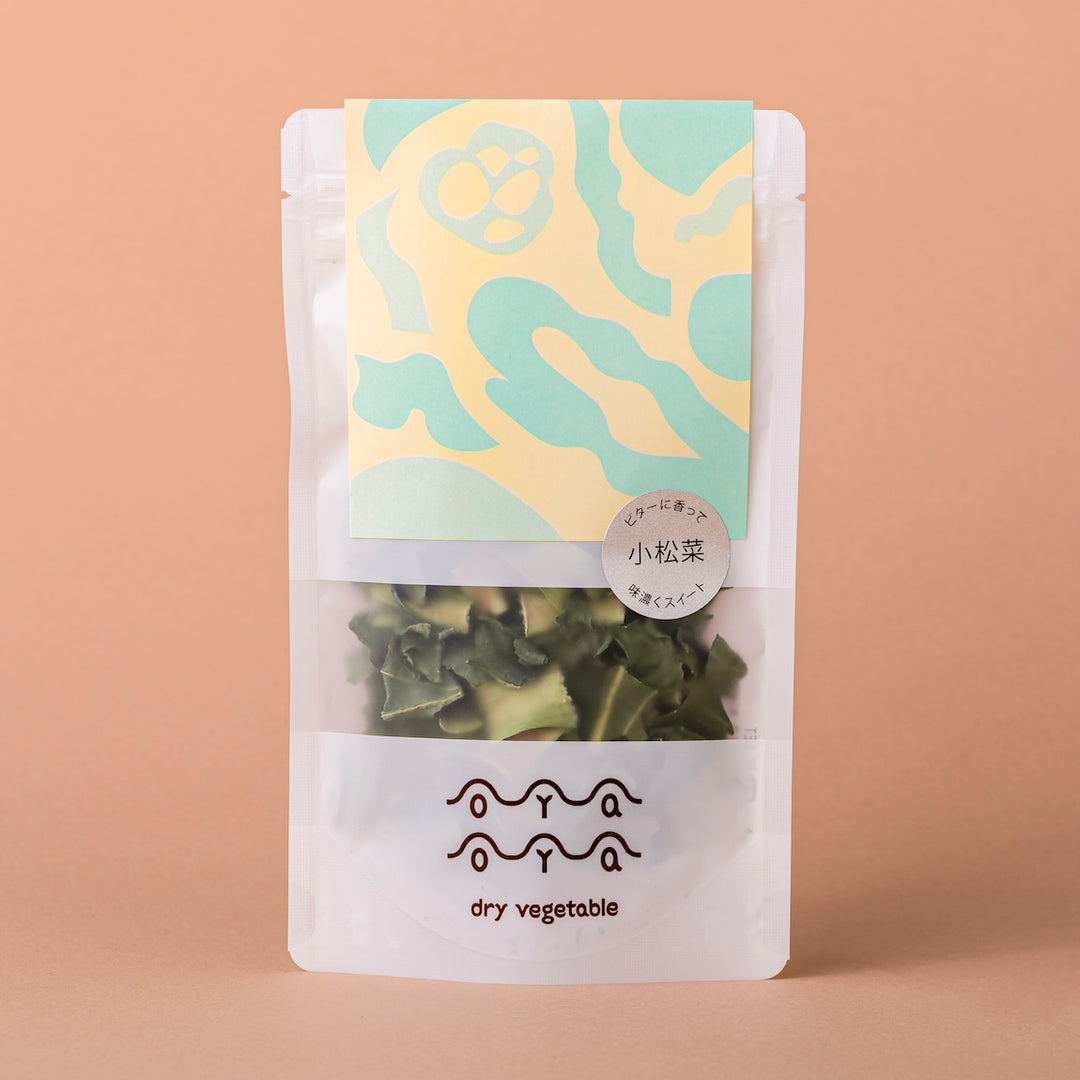
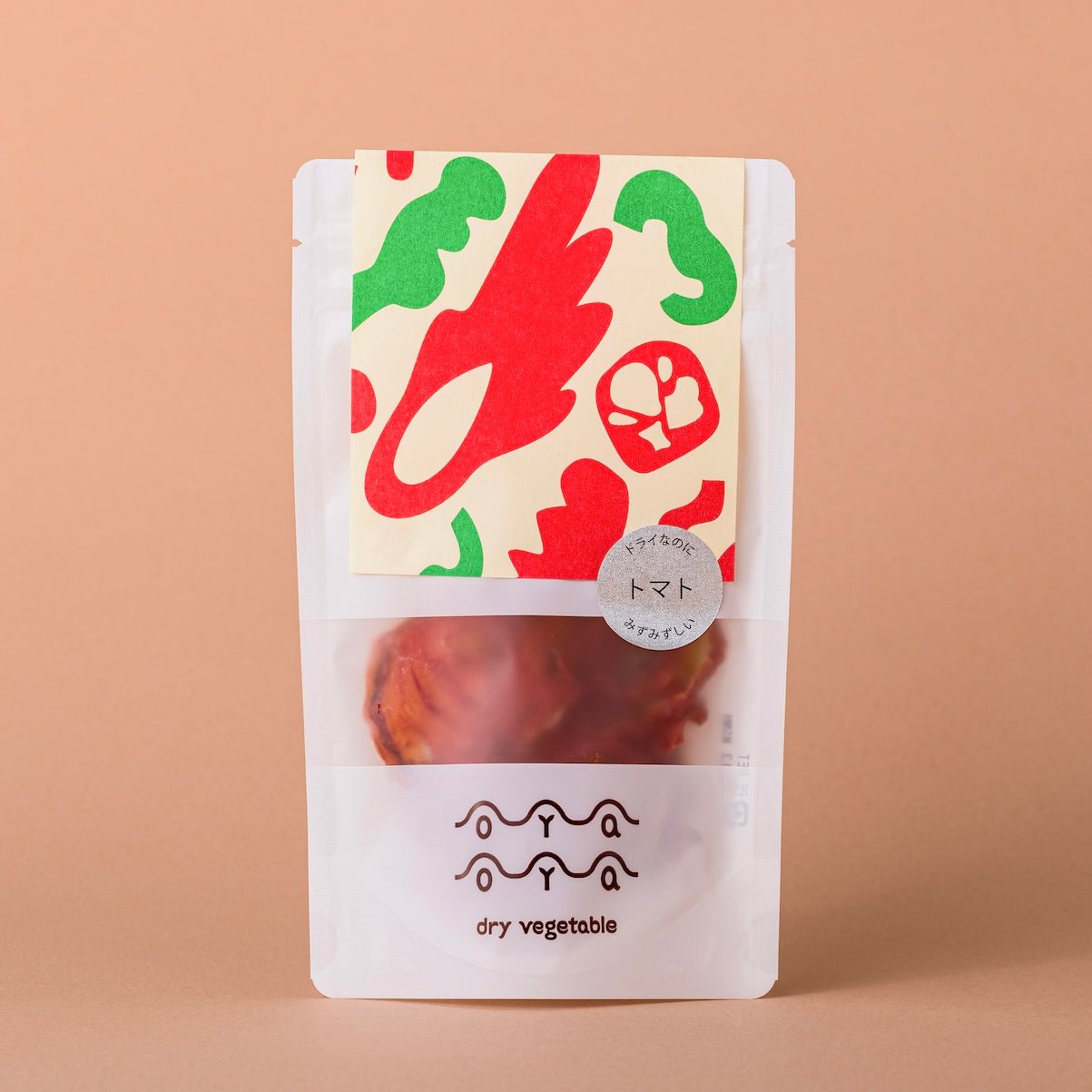
OYAOYA offers dried vegetables made from Kyo-yasai such as Manganji chili pepper and Kujo green onion. Dried vegetables can be eaten as they are, or used in cooking, making it easy to enjoy Kyo-yasai. Furthermore, drying concentrates nutrients and improves shelf life, making them recommended for health-conscious individuals.

The Future of Kyo-yasai
Today, Kyo-yasai are highly acclaimed both domestically and internationally, and are cherished by many restaurants and chefs. Local farmers and technicians are also working on developing new varieties and improving cultivation methods, and the appeal of Kyo-yasai is expected to continue in the future.
At the same time, there is a demand for sustainable cultivation methods that are environmentally friendly while valuing tradition and regionality. However, Kyo-yasai are still a distant presence from the dinner table. OYAOYA looks forward to seeing Kyo-yasai, carefully cultivated by farmers, on your dinner table through dried vegetables.
Related Products
Learn More About Dried Vegetables
そのほかの乾燥野菜ブログ
View all