

Dried Vegetables: Cabbage Edition | Unpacking the Reasons for Enhanced Sweetness and Ease of Use
"Oh, it's still expensive..."
I was standing alone, deep in thought, in front of the cheese section of a supermarket that stocked international ingredients. My target that day was prosciutto.
"I was in the mood for wine today."
After work, I had decided to drink wine that evening, so I stopped by a slightly upscale supermarket. I had already put a bottle of wine in my shopping basket and just needed to buy prosciutto.
I keenly felt the severity of recent price increases.
Somewhat disheartened, I gave up on both wine and prosciutto, left the supermarket, and decided to wander through the nearby shopping street. My steps suddenly stopped in front of an old-fashioned greengrocer. A whole head of cabbage was being sold at a bargain price.
"Two heads, please."
I remembered that I had some gifted sausages and dried pasta in my refrigerator, so I decided to make instant cabbage peperoncino for dinner.
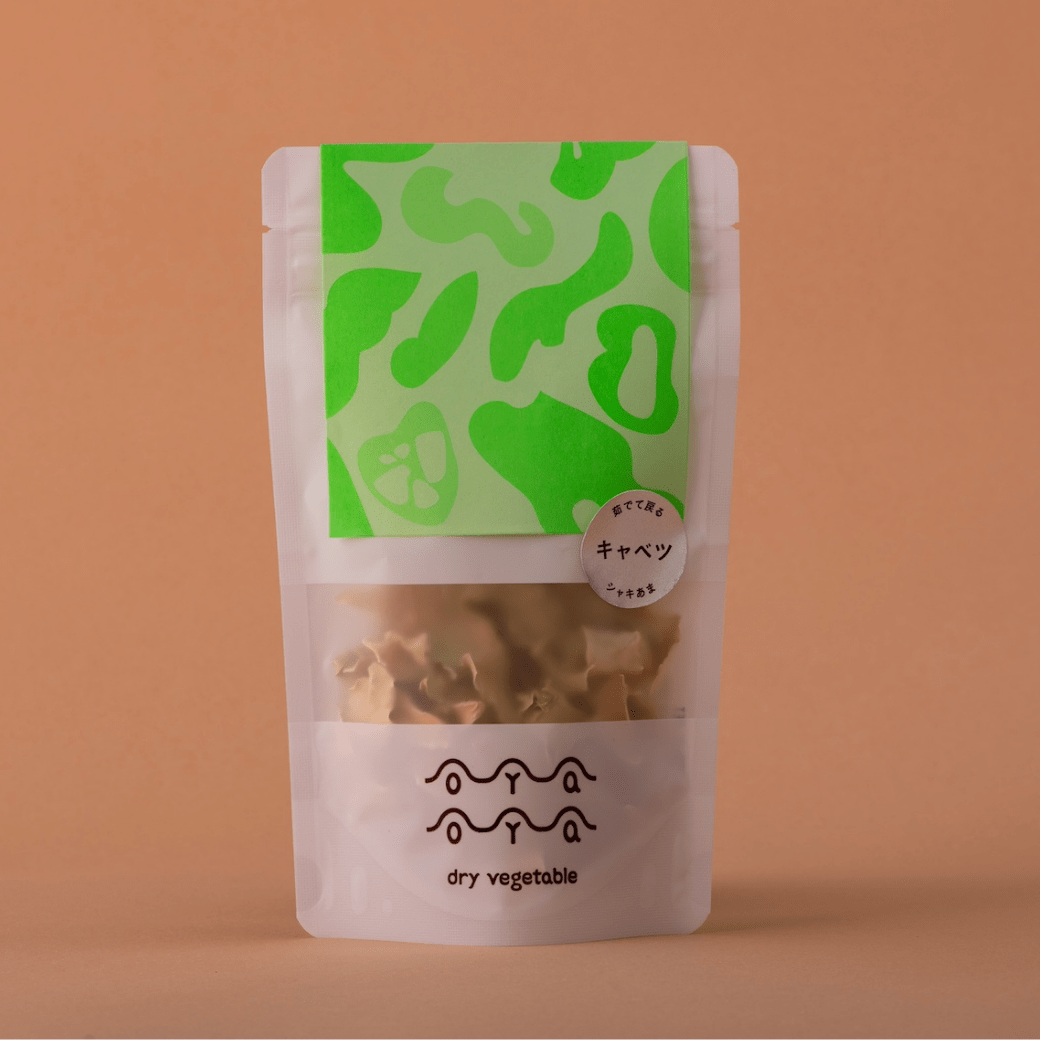
Why did I buy two heads of cabbage? Well, of course, the remaining cabbage would be transformed into dried vegetables. In fact, the amount of cabbage I'd use for the peperoncino would be negligible; dried vegetables accounted for 90% of the reason I bought the cabbage. Dried cabbage is delicious on its own, of course, but it's also an excellent ingredient that can be added to miso soup or other soups, or used in small simmered dishes or stir-fries. A delightful bonus is that as the moisture leaves, the sweetness intensifies, allowing you to directly savor the inherent goodness of the cabbage.
What about its texture? One characteristic of dried cabbage is that it retains its crispness even when put into hot liquid like soup. It goes well with tofu and fried tofu, of course, but also with other vegetables, and I appreciate its versatility.
One tip I keep in mind when making dried cabbage is not to remove the core. Leaving the core makes it easier to dry as the leaves don't fall apart. Of course, if you don't like the core, you can remove it before drying. Finding your own "just right" balance according to your preferences is probably one of the joys of making dried vegetables. And so, I, who had until now been far removed from domestic chores and cooking, had obtained the lifestyle I had secretly longed for, much like water permeates every corner of dry farmland.
"Alright, let's get cooking."
I tightened the strings of my apron in front of two large, tightly packed heads of cabbage.
Episode 25: About Kiriboshi Daikon
The Option of Dried Cabbage
Cabbage is a commonly used vegetable, yet its price fluctuates significantly. How to use it all up when you get it cheap is a common concern for many households. In such cases, choosing to make dried cabbage is an effective solution.
Dried cabbage not only has a longer shelf life but also significantly changes in taste and usability. It doesn't take up space in the refrigerator and you can use only the amount you need, making it an easy ingredient to incorporate into your daily cooking.
Benefits of Drying Cabbage
When dried, cabbage exhibits a slightly different appeal than other vegetables.
Increased Sweetness, Highlighting the Goodness of the Ingredient
The biggest benefit of drying cabbage is the distinct increase in sweetness. As moisture is removed, the natural sugars in the cabbage become concentrated, bringing out a gentle sweetness when heated. It can be prepared with minimal seasoning, making it suitable for dishes where you want to enjoy the natural flavor of the ingredients.
Retains Texture Well
While dried vegetables are often imagined to become too soft, cabbage is an exception that tends to retain its crispness. Even when added to soup or miso soup, it remains firm to the bite, providing a textural accent. This is one of the reasons why dried cabbage is highly regarded.
Highly Versatile, Suitable for Any Dish
Dried cabbage blends well with Japanese, Western, and Chinese cuisines. It can be used in miso soup and other soups, of course, but also as an ingredient in stir-fries, simmered dishes, and pasta. It pairs well with other vegetables, tofu, fried tofu, and meats, expanding your menu options.
How to Make Dried Cabbage and Tips
Making dried cabbage does not require special tools and can be easily done at home.
The Choice to Leave the Core
One tip for making dried cabbage is to intentionally not remove the core. Leaving the core prevents the leaves from falling apart, making them easier to handle when drying. It can also be cut after drying, offering a benefit in terms of work efficiency.
Of course, if you dislike the texture of the core, there's no problem removing it. The ability to adjust it to your own preference is also part of the appeal of making dried vegetables.
Adjust Drying Level According to Use
Leaving a little moisture in a semi-dried state, rather than drying it completely crispy, increases its usability. By varying the drying level according to its intended use, such as for soups or stir-fries, the possibilities for dried cabbage expand even further.
Recommended Uses for Dried Cabbage
Dried cabbage naturally integrates into everyday cooking.
Add to Soups and Miso Soup
The easiest way to use it is in soups and miso soup. Simply adding dried cabbage allows its sweetness and umami to dissolve, adding depth to the flavor. The fact that it can be used without rehydration is also a welcome convenience on busy days.
For Stir-fries and Pasta Ingredients
It pairs well with oil, and adding it to peperoncino or simple stir-fries brings out the sweetness of the cabbage. It's also easily combined with pantry staples like dried pasta and sausages.
How Dried Cabbage Changes Your Life
Incorporating dried cabbage naturally fosters an awareness of using vegetables without waste. The practice of buying in bulk when prices are low and storing them for later use also helps with managing food expenses.
Dried cabbage is not an ingredient for special occasions. It's something that can enhance your daily meals and enrich your life a little. Discover your own drying methods and uses, and enjoy the new charm of cabbage.
Related Products
Learn More About Dried Vegetables
- 5 Easy Steps to Making Dried Vegetables
- How to Rehydrate Dried Vegetables | 10 Minutes to Restore Fluffy Umami
- How to Store Dried Vegetables and Their Shelf Life
- Dried Vegetables Transform Miso Soup! The Strongest Ingredient with Concentrated Umami
- 7 Delicious Soup Recipes Made with Dried Vegetables
そのほかの乾燥野菜ブログ
View all