

Beginner's Guide to Dried Vegetables! 7 Tips for Success and Basic Methods
While staying at a hotel on a business trip, I received a delightful message from my younger sister, who lives separately.
"Sis! I've been put in charge of an article about a content distribution service for a new work project! Would you mind reading it and sending me your feedback?"
My sister found a job as a writer at a community-based publishing company where she had worked part-time during university. This year marks her fifth year since joining the company, and I couldn't help but feel incredibly proud that her hard work had finally paid off.
I remembered my own fifth year as a working adult. Assigned to a department with a lot to learn, I struggled daily due to my clumsiness and inflexible nature. Compared to me, my sister must be tackling her work every day with flexibility, sincerity, and her natural cheerfulness. As soon as that thought crossed my mind, I couldn't resist reading the article she had written. Lying on my hotel bed, I jumped up and opened my laptop.
"Time to read it, I suppose."
When I accessed the URL my sister sent, a page adorned with soft colors and warm illustrations appeared.
"Oh... dried vegetables, huh?"
It seemed my sister's article was on the theme of "dried vegetables," introducing various aspects such as how to make them, how to eat them, andアレンジ recipes. As I clicked on the article titled "Part 1: How to Make Dried Vegetables," I found myself leaning forward, completely engrossed in the text.
"Everyone, please allow me to share with you, just a little—no, a lot—of the charm of [dried vegetables]." My sister's article, which began with such a provocative opening, was a mix of slight awkwardness, freshness, and boldness.
According to my sister's explanation, dried vegetables are ingredients whose nutritional value is increased and umami is condensed by removing moisture from cut vegetables. For something familiar to us, many might think of kiriboshi daikon (dried daikon radish). What surprised me even more was that dried vegetables can be made relatively easily at home by anyone.
"Wow! I thought you could only make them in specialized facilities..."
Dried vegetables can be made simply by exposing them to sunlight to dry, and the degree of drying can be adjusted by the length of time they are exposed to the sun. The key points are a "sieve for drying vegetables," "good ventilation," and "sunlight." If you have these three, you can make homemade dried vegetables.
A garden or balcony with plenty of sunlight is suitable for drying. Good ventilation should also not be forgotten.
And if the drying period extends over several days, indoor storage is necessary at night when humidity rises. The best season for making dried vegetables is, as anyone can imagine, "summer." Consecutive clear days are ideal for making delicious dried vegetables. The one thing to be careful about is to avoid the rainy season when the weather is unstable.
After finishing my sister's momentous first article, my mind was already full of plans to make dried vegetables.
"I read it. I immediately downloaded a weather app. Checking the weather is essential for dried vegetables, right?"
It goes without saying that my sister's reply to my feedback message was incredibly fast.
I now had both the joy of reading my sister's serial articles and the challenge of trying my hand at making dried vegetables. My days are likely to get even busier.
Part 2: Easy indoor drying! How to make dried vegetables without failure and 4 drying methods
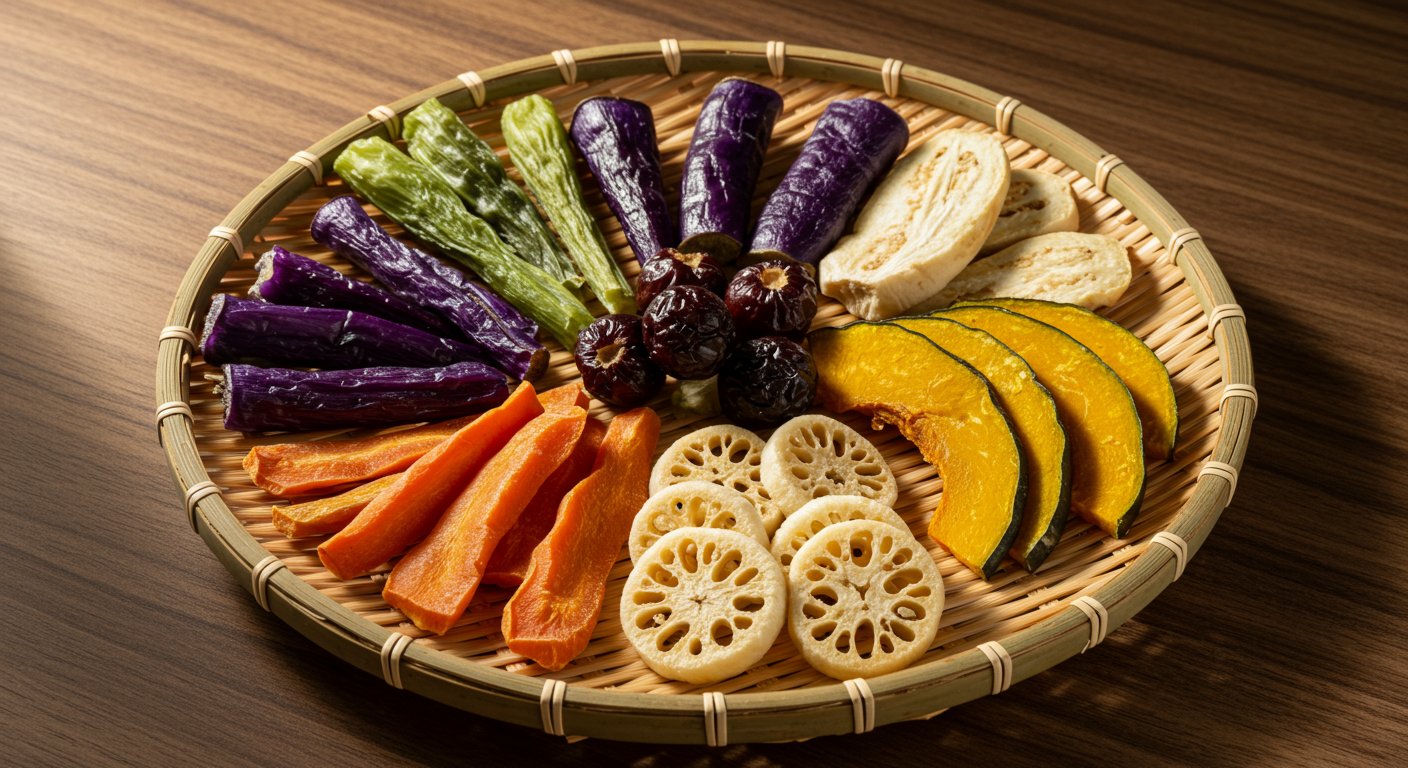
Basics of Making Dried Vegetables! How to Make Them Successfully Even for Beginners
Making dried vegetables is much easier than you might think. Once you master the basic method, you'll be able to dry any vegetable deliciously.
First, choose a sunny day. Days with good sunlight and ventilation are ideal for making dried vegetables. The dry season from autumn to winter is especially recommended. Drying them during the strongest sunlight hours, from about 10 AM to 3 PM, allows for efficient drying.
Steps for Basic Dried Vegetable Making
-
Wash the vegetables and cut them into your desired shapes without peeling
-
For watery vegetables, wipe off moisture thoroughly with kitchen paper
-
Arrange the vegetables on a sieve or net so they don't overlap
-
Simply place them in a sunny and well-ventilated spot to dry!
Drying times vary by vegetable, but semi-dried takes about half a day to a day, while fully dried takes about 1 to 2 days. Vegetables with less moisture, like mushrooms, take about 3 hours, while watery vegetables take 6 hours or more.
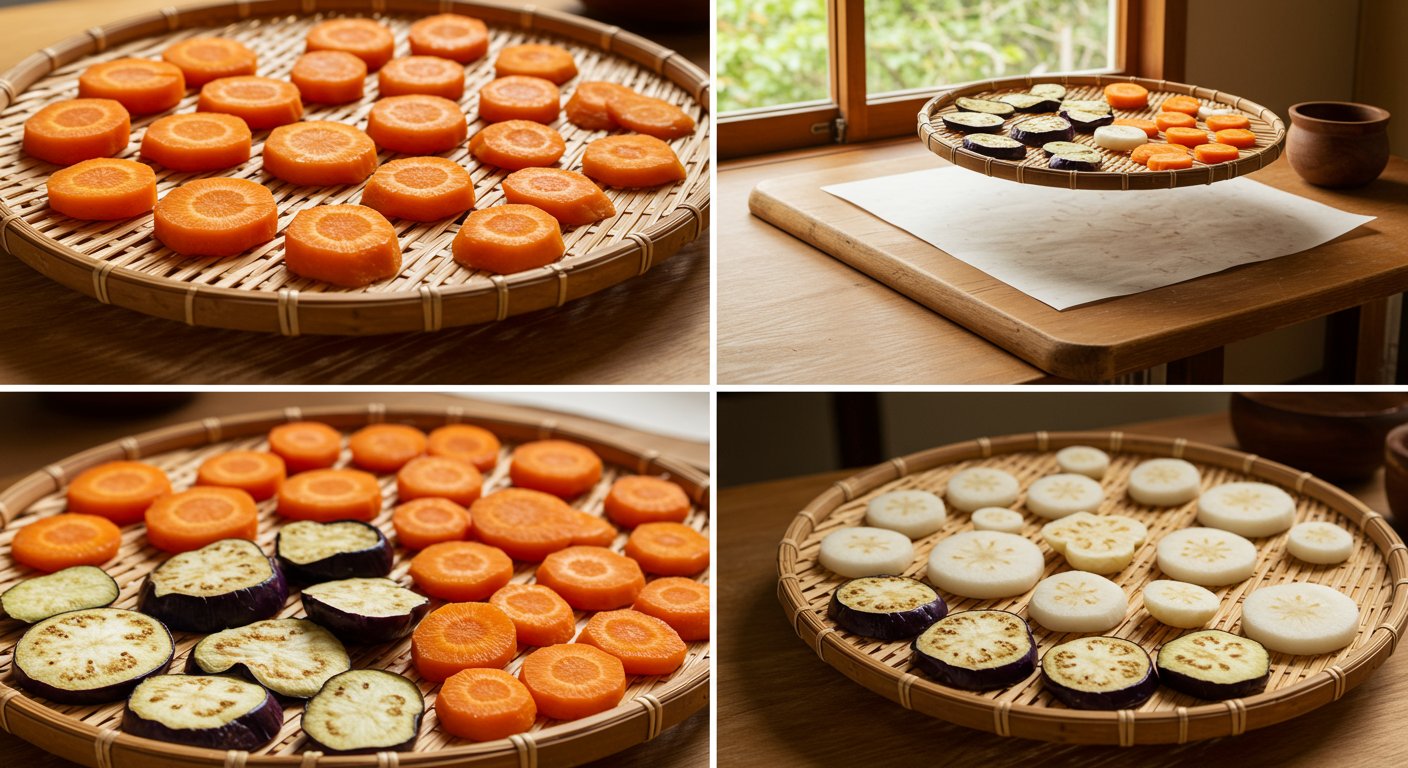 Essentially, any vegetable is suitable for making dried vegetables! However, for beginners, cucumbers, daikon radish, and carrots are recommended. The difference in taste from fresh vegetables is significant, and drying them transforms them into something surprisingly delicious.
It's best to avoid delicate vegetables that spoil quickly, such as mizuna, lettuce, and bean sprouts.
No-Fail! 7 Tips for Making Dried Vegetables
While making dried vegetables is generally easy, keeping a few tips in mind will make them even more delicious. Here are 7 points to ensure success, even for beginners.
1. Choose the right weather and time of day
Choosing a sunny day is crucial for making dried vegetables. The period from about 10 AM to 3 PM, when sunlight is strong, is ideal. During this time, the sun's power is intense, allowing for efficient moisture evaporation.
The best season is autumn to winter when the air is dry. It's advisable to avoid the rainy season when humidity is high.
2. Get creative with cutting methods
When cutting vegetables, it's good to consider how you'll use them after drying. If you want to dry them quickly, cutting them thinly is key.
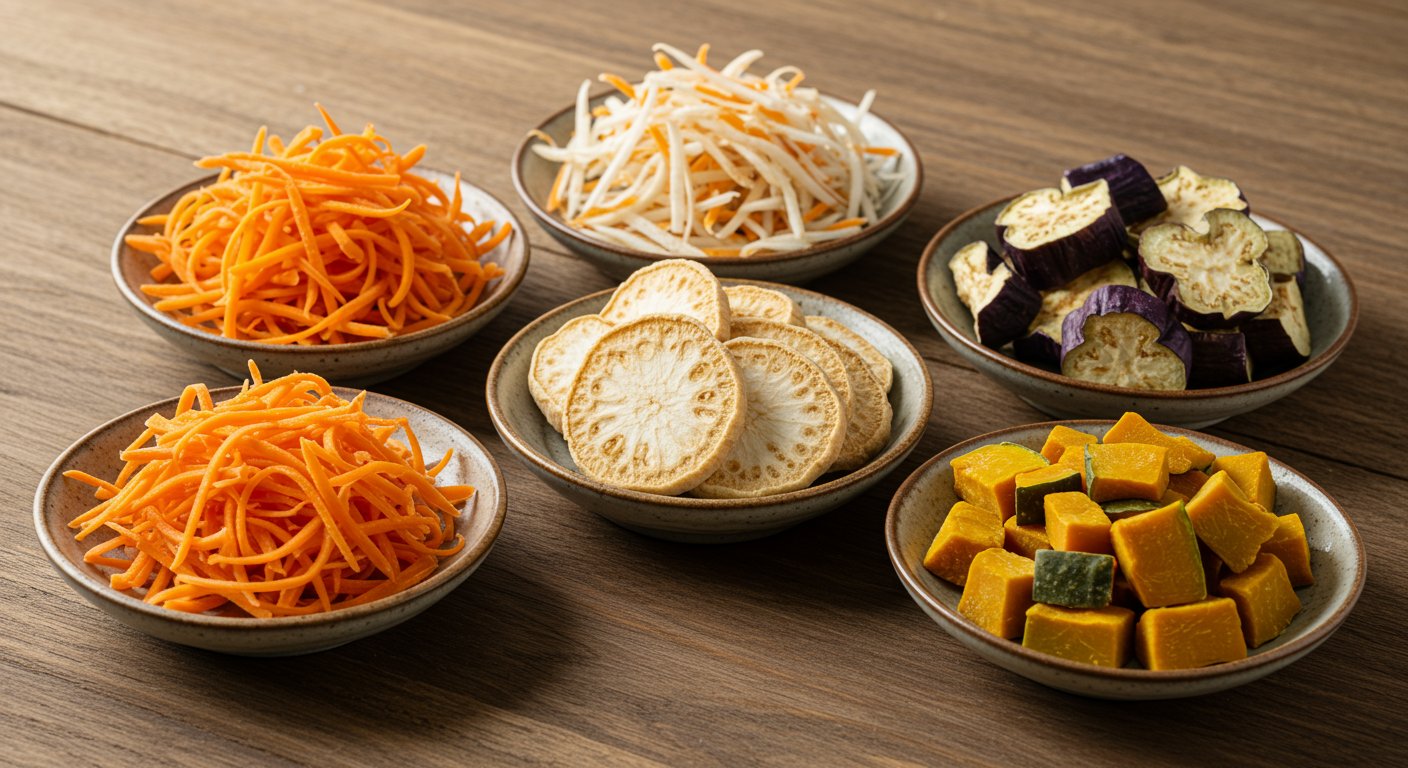
For example, julienned vegetables are good for pickles and mixed rice, thin rounds for stews, soups, or deep-fried chips, and thicker rounds for sautéing, stir-frying, or deep-frying.
Don't forget that vegetables shrink when they dry, so cut them a little larger than you intend!
 3. Thoroughly wipe away moisture
Especially for watery vegetables (like daikon radish, tomatoes, cucumbers), thoroughly wipe off moisture with kitchen paper before drying. This alone will allow them to dry beautifully.
If moisture remains, it not only takes longer to dry but can also lead to mold.
4. Arrange at appropriate intervals
It's important to arrange vegetables at equal intervals so they don't overlap. If they overlap, those parts will dry unevenly.
Arranging them on a well-ventilated sieve or net allows air to pass through from below, enabling efficient drying.
5. Bring them in by evening
Humidity tends to rise from evening to night, so bring dried vegetables indoors. If the weather is good again the next day, put them back outside to dry.
Repeating this process allows them to dry slowly and evenly.
6. Frequently check the drying progress
Drying times vary depending on the type and size of the vegetable and the weather. Check the drying progress frequently by touching them.
Daikon radish and bell peppers should be limp and soft, while carrots and pumpkins should be whitish and hard all over to be perfectly dry.
7. Pay attention to storage methods
After thoroughly drying, store dried vegetables in airtight containers or bags. They can be stored in the refrigerator for about 5 days, in the freezer for about 1 week if semi-dried, and about 1 month if fully dried.
Choose storage containers that can be tightly sealed to protect against moisture and dust.
Why not try making dried vegetables by following these 7 tips?
How to Use Dried Vegetables!
Recipe Hints to Make Your Cooking Much More Delicious
You've gone to the trouble of making dried vegetables, but you might be wondering how to incorporate them into your cooking. Dried vegetables have condensed umami, so they can significantly enhance the flavor of various dishes.
The biggest advantage of dried vegetables is the reduced cooking time! Since they contain less moisture, they absorb flavors easily and are less likely to fall apart. For stir-fries, they cook faster, saving oil and gas. Furthermore, as they are already cut, they reduce preparation time, making them perfect for busy days!
Basic Rehydration Method for Dried Vegetables
Dried vegetables can sometimes be used directly in cooking, but they are also often rehydrated first. Rehydration is simple! Just soak them in water or lukewarm water for about 10 to 30 minutes. Some vegetables may remain firm, so rehydrate them longer if needed.
The rehydration liquid is rich in umami components, so it's recommended to use it as a broth for soups or stews instead of discarding it.
Easy Recipe Ideas Using Dried Vegetables
-
Dried cabbage → For soups or miso soup ingredients
-
Dried carrots, dried daikon radish → For stews or mixed rice
-
Dried eggplant, dried pumpkin → Deep-fried and used in dressed dishes
-
Stewed dried daikon radish and fried tofu → A classic side dish
-
Miso soup with dried eggplant → Rich in aroma
-
Salad with dried carrots and kiriboshi daikon → Enjoy the crisp texture
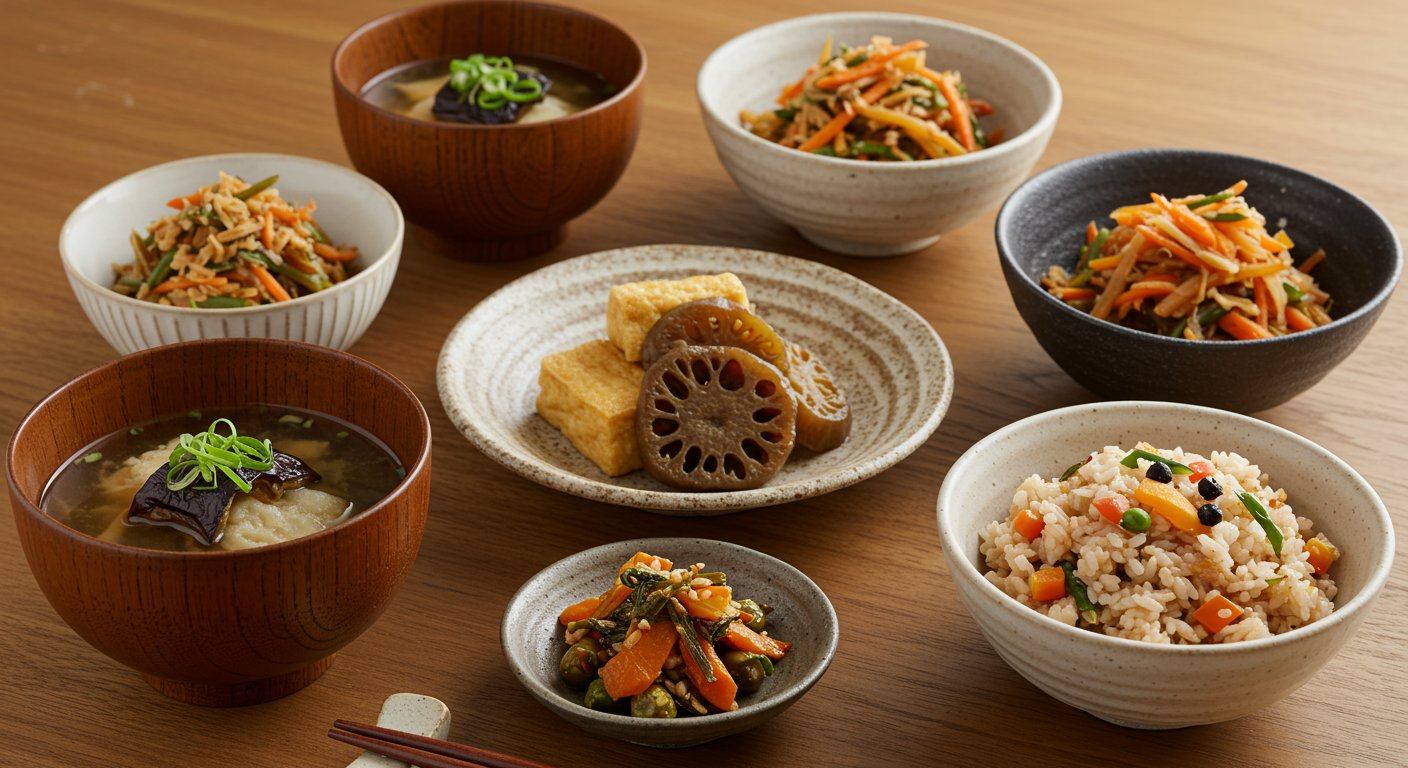 Outer cabbage leaves left in the refrigerator, carrot and daikon radish scraps, oddly shaped eggplants and zucchinis... Vegetables that would normally be thrown away can be transformed into excellent ingredients when dried.
Making dried vegetables turns "waste" into "delicious." Why not incorporate dried vegetables into your daily meals?
Common Mistakes in Making Dried Vegetables and How to Deal with Them
Have you ever tried making dried vegetables but didn't succeed? It's common to make small mistakes when trying something new. But don't worry, if you know how to fix them, you're sure to succeed next time!
Here are common mistakes and how to deal with them.
Mold has grown!
The main reasons for mold on dried vegetables are insufficient drying or humidity in the storage environment. To address this, it's crucial to thoroughly wipe off moisture before drying, choose a sunny day, and store them only after they are sufficiently dried. Also, make sure your storage containers are clean and dry.
If you find even a little mold, it's safest to discard the dried vegetables.
Uneven drying occurred
If the vegetables are cut to varying thicknesses or overlap during drying, uneven drying can occur.
Aim to cut them to a uniform thickness and arrange them at equal intervals so they don't overlap when drying. Also, turning them over midway through drying can help them dry more evenly.
Became too hard or dry and crumbly
Over-drying can make vegetables too hard or dry and crumbly.
If you want them semi-dried, shorten the drying time and frequently check their condition. Also, when rehydrating, using lukewarm water can speed up the process.
Even overly hard dried vegetables can be quite delicious if soaked in water for a longer period. In fact, thoroughly dried ones are suitable for long-term storage.
Insects got on them
When drying outdoors, insects can sometimes be attracted.
Using a net specifically for sun-drying or covering them with clean gauze can provide peace of mind. It's also important to keep the area around where you're drying clean.
Making dried vegetables improves with a little ingenuity and practice. Don't be discouraged by failures; keep trying!
Summary: Add a Little Richness to Your Table with Dried Vegetables
Making dried vegetables is a wonderful food habit that anyone can start easily, without special tools or techniques. While it's a simple process of cutting and drying vegetables, the effects are tremendous. Umami and nutrients are condensed, long-term storage becomes possible, and above all, you can enjoy a different kind of deliciousness than fresh vegetables.
By following the 7 tips introduced here, even beginners should be able to make delicious dried vegetables without failure. Choose the right weather and time of day, get creative with cutting methods, thoroughly wipe away moisture, arrange at appropriate intervals, bring them in by evening, frequently check the drying progress, and pay attention to storage methods. By observing these basics, a wonderful dried vegetable life is sure to begin.
If you want to try dried vegetables that you can't get at the supermarket, making your own is highly recommended. The process is incredibly simple! Just wipe the moisture from washed vegetables and sun-dry the cut vegetables in a well-ventilated and sunny spot.
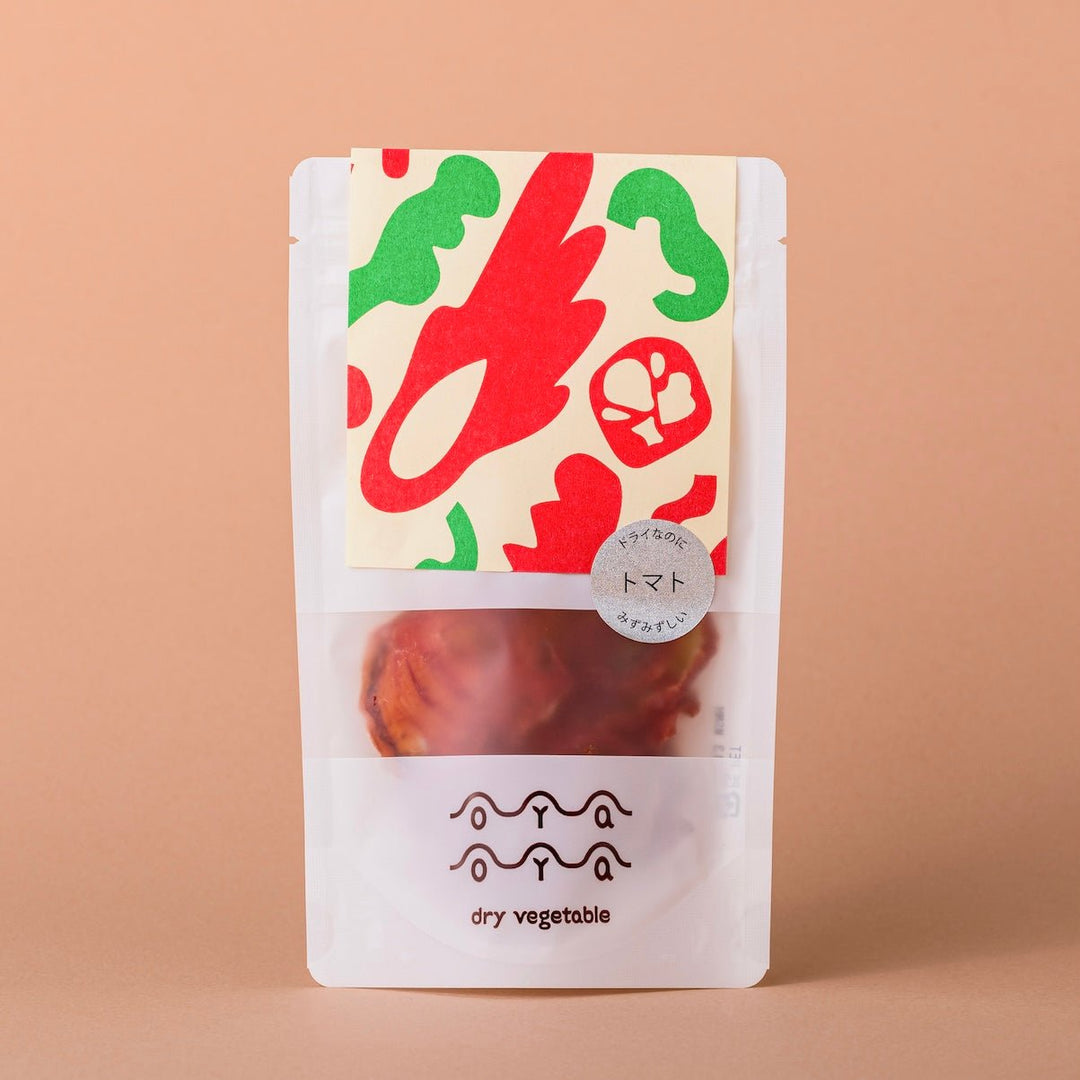
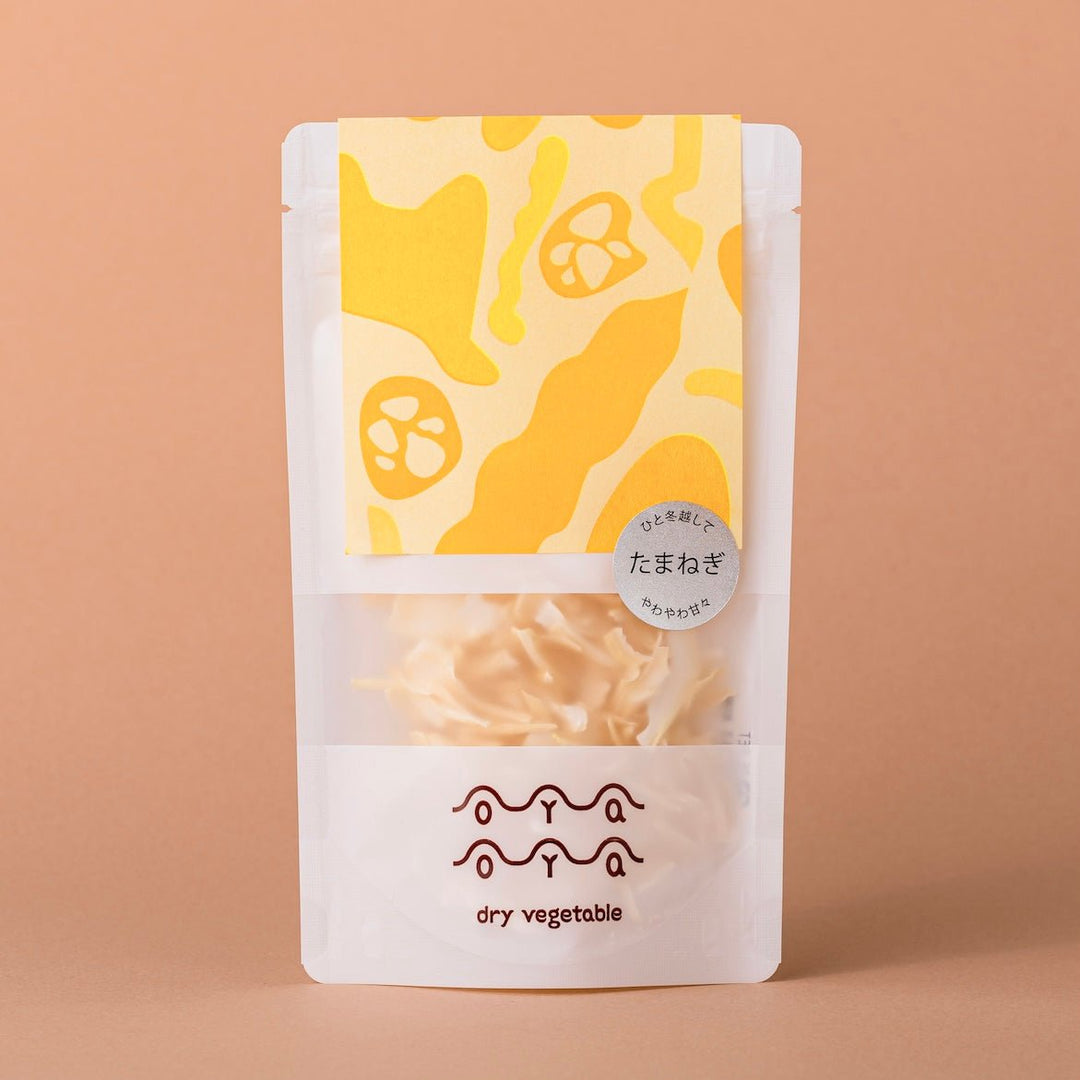
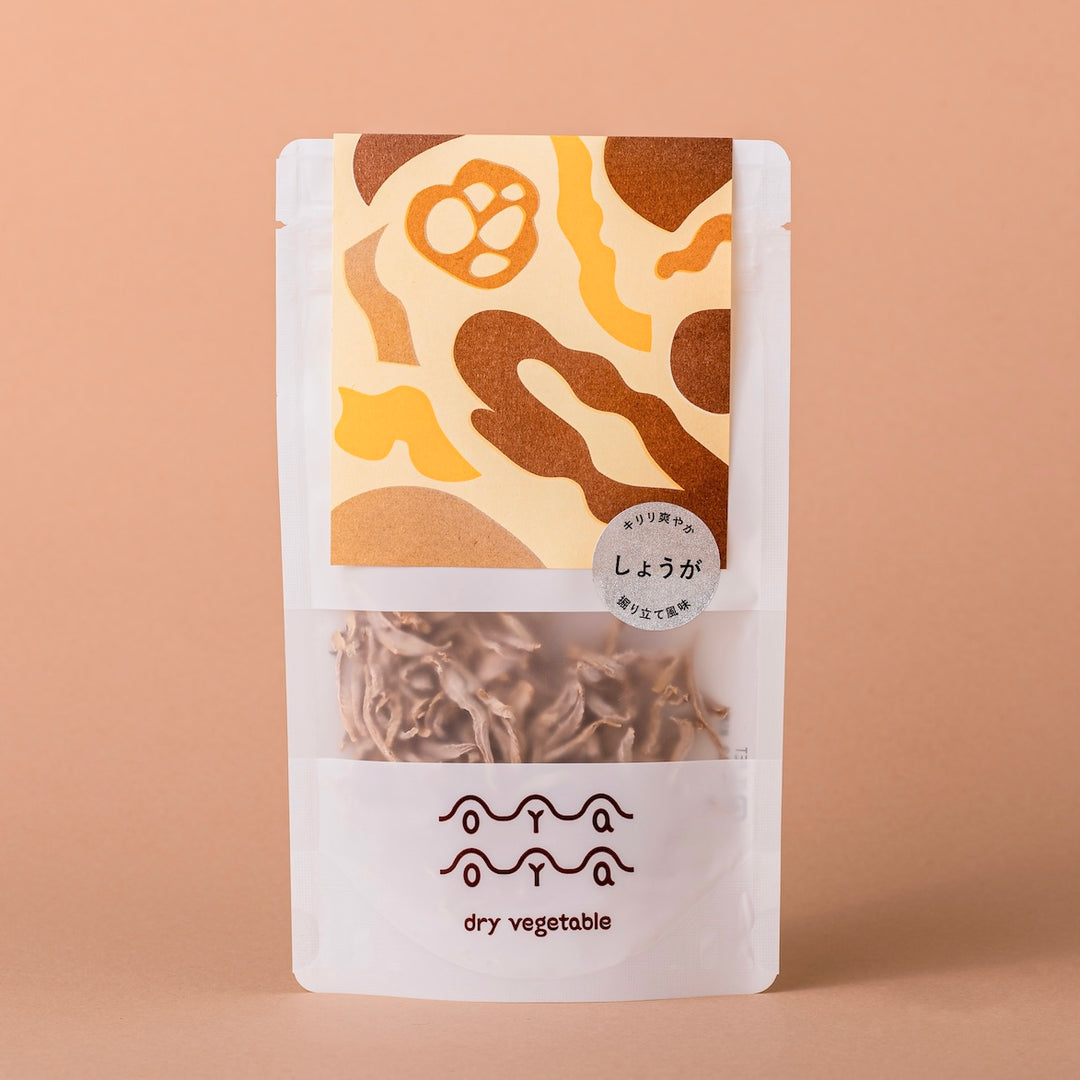
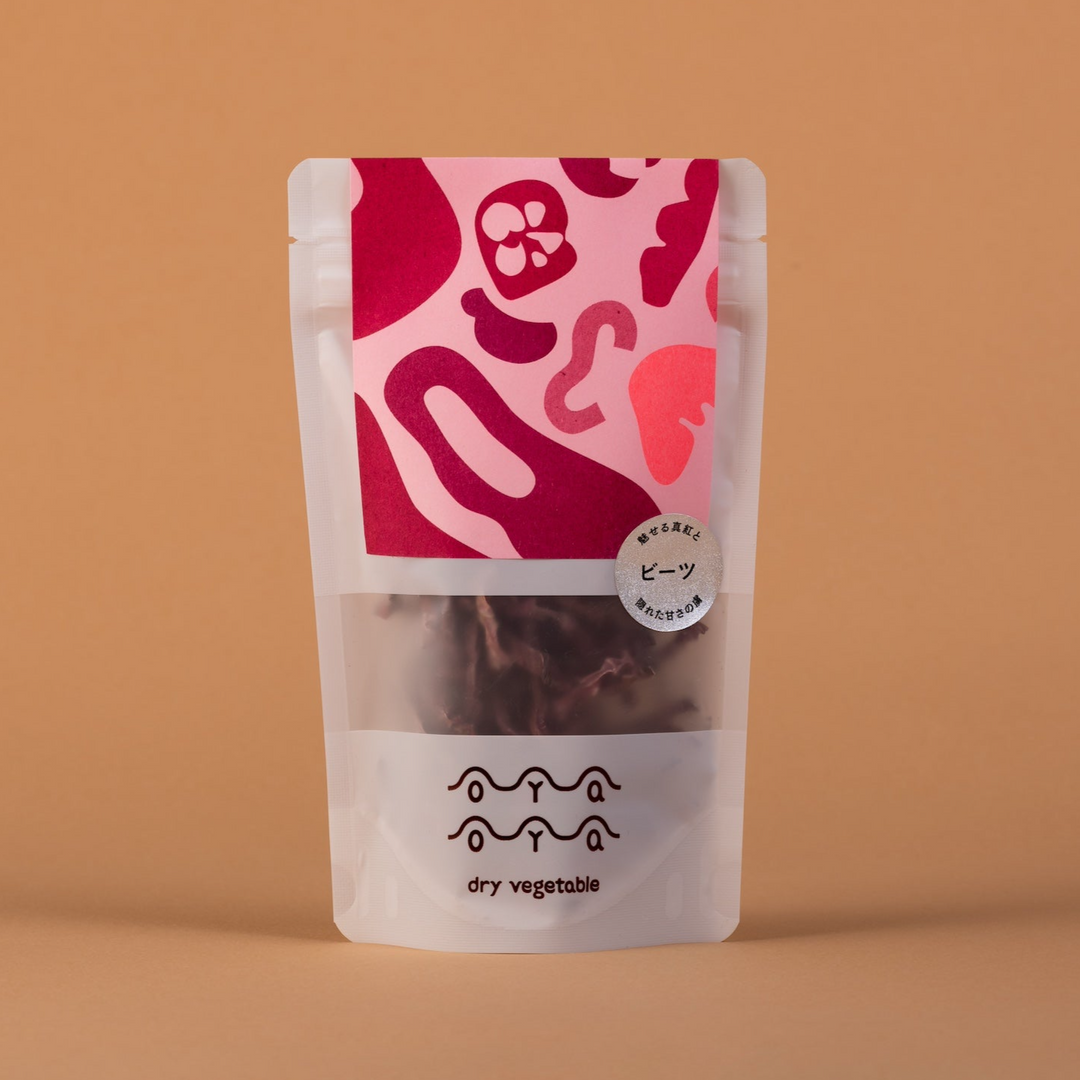
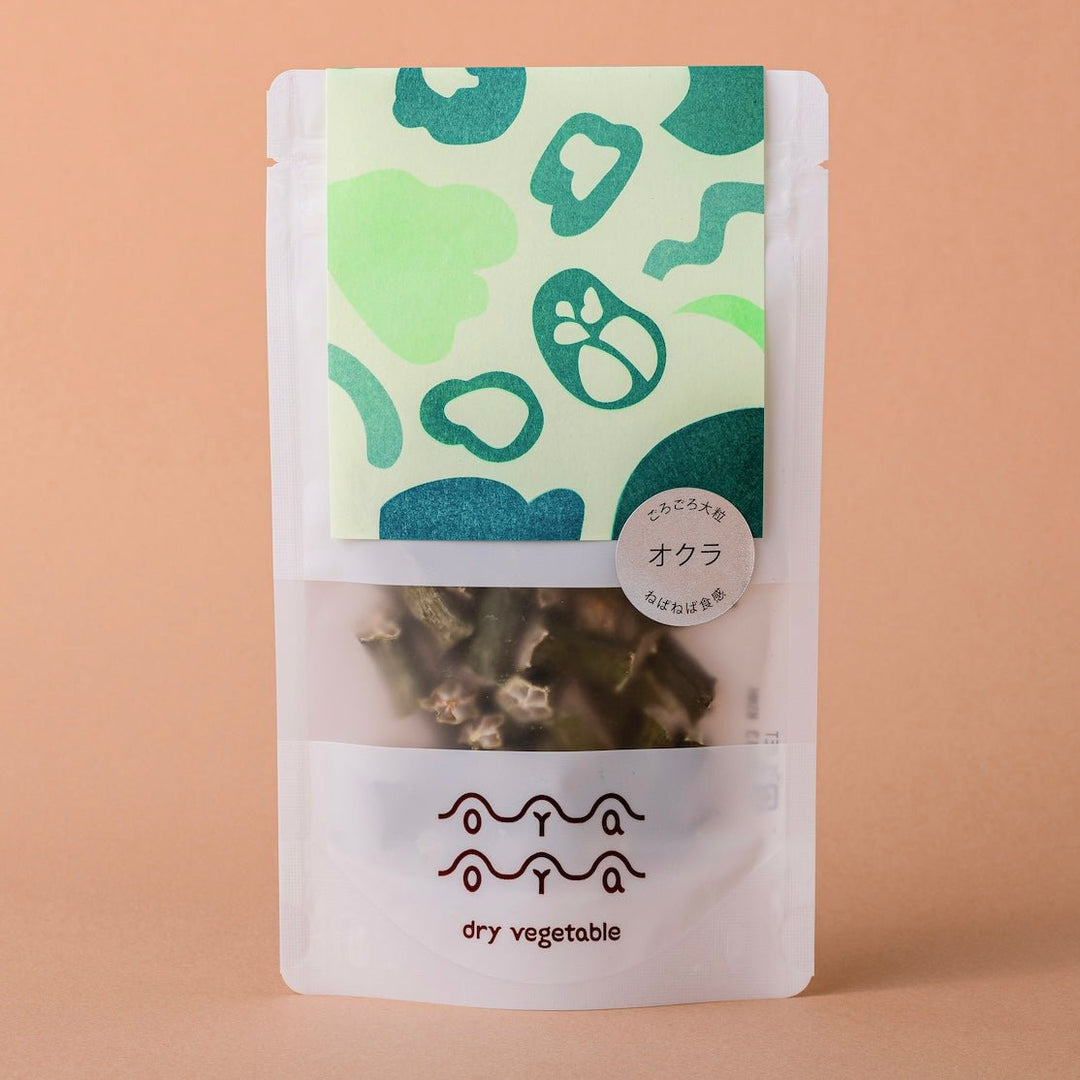
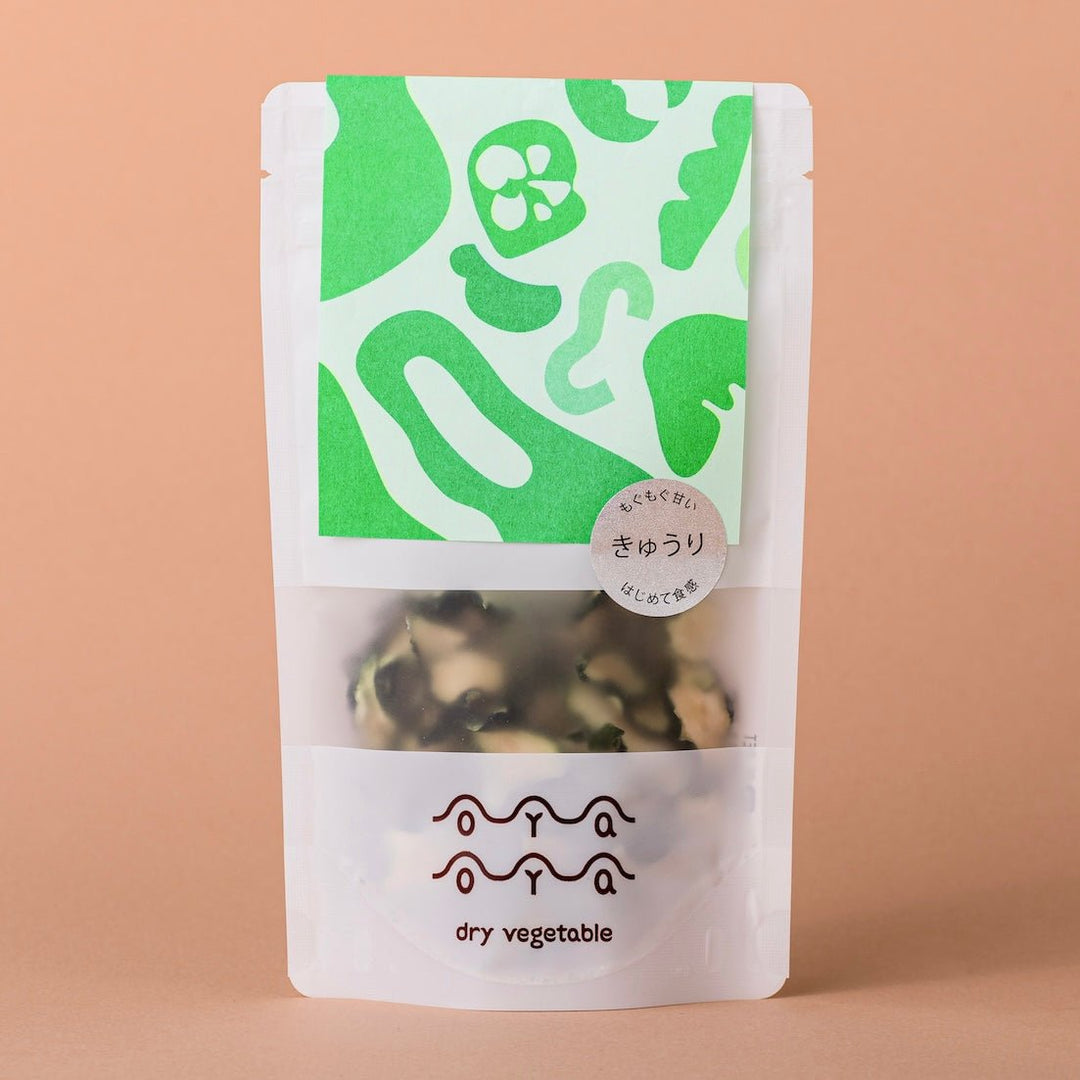
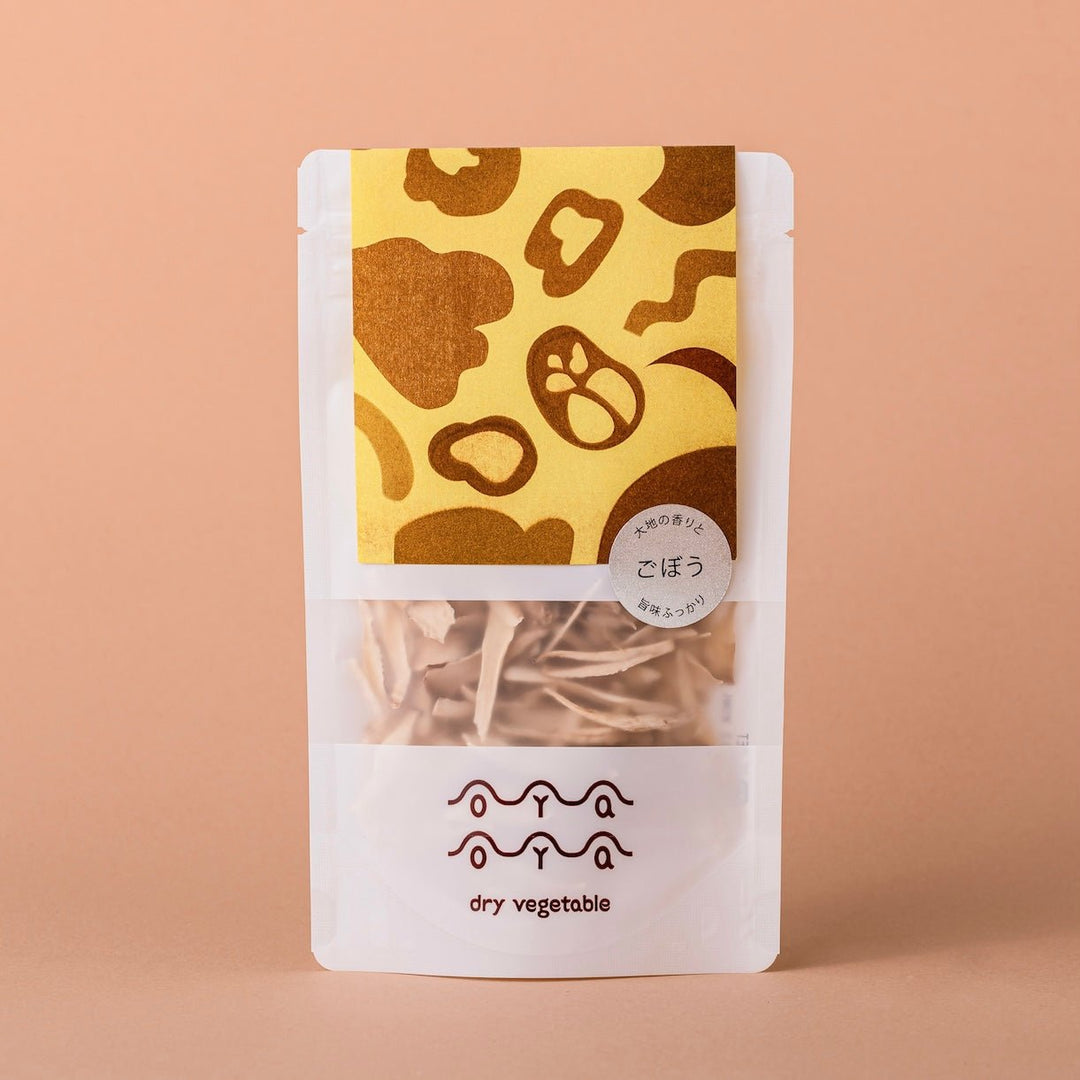
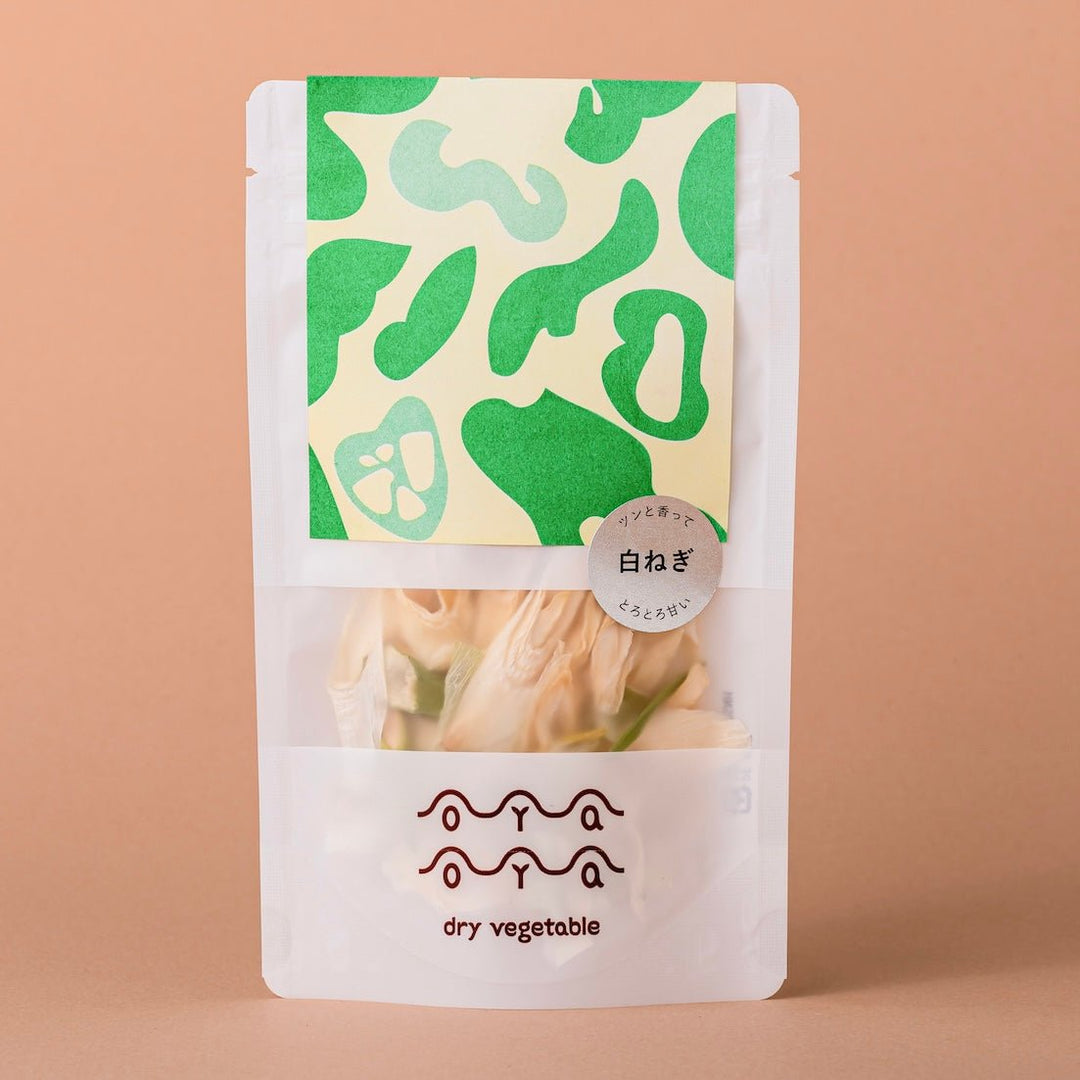
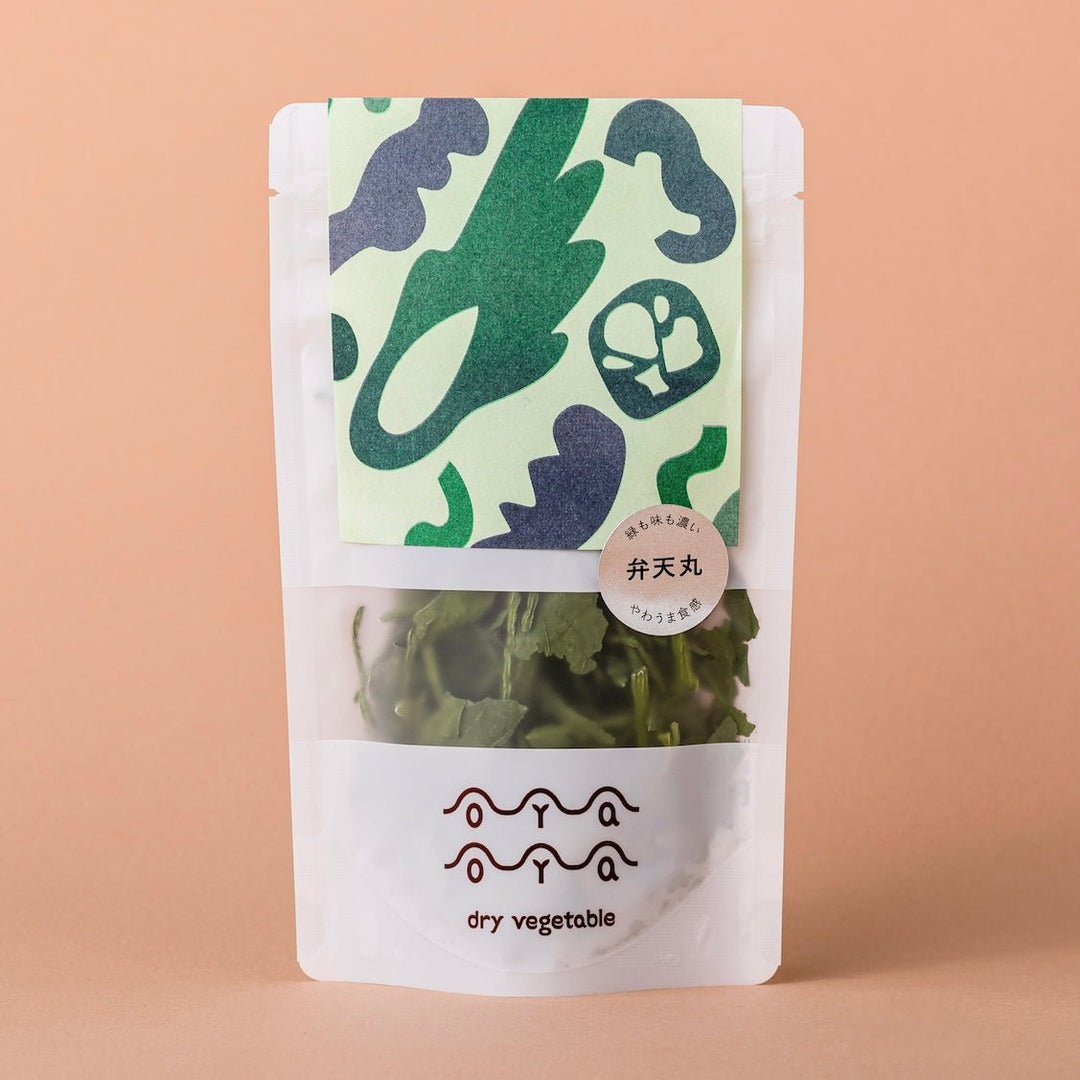
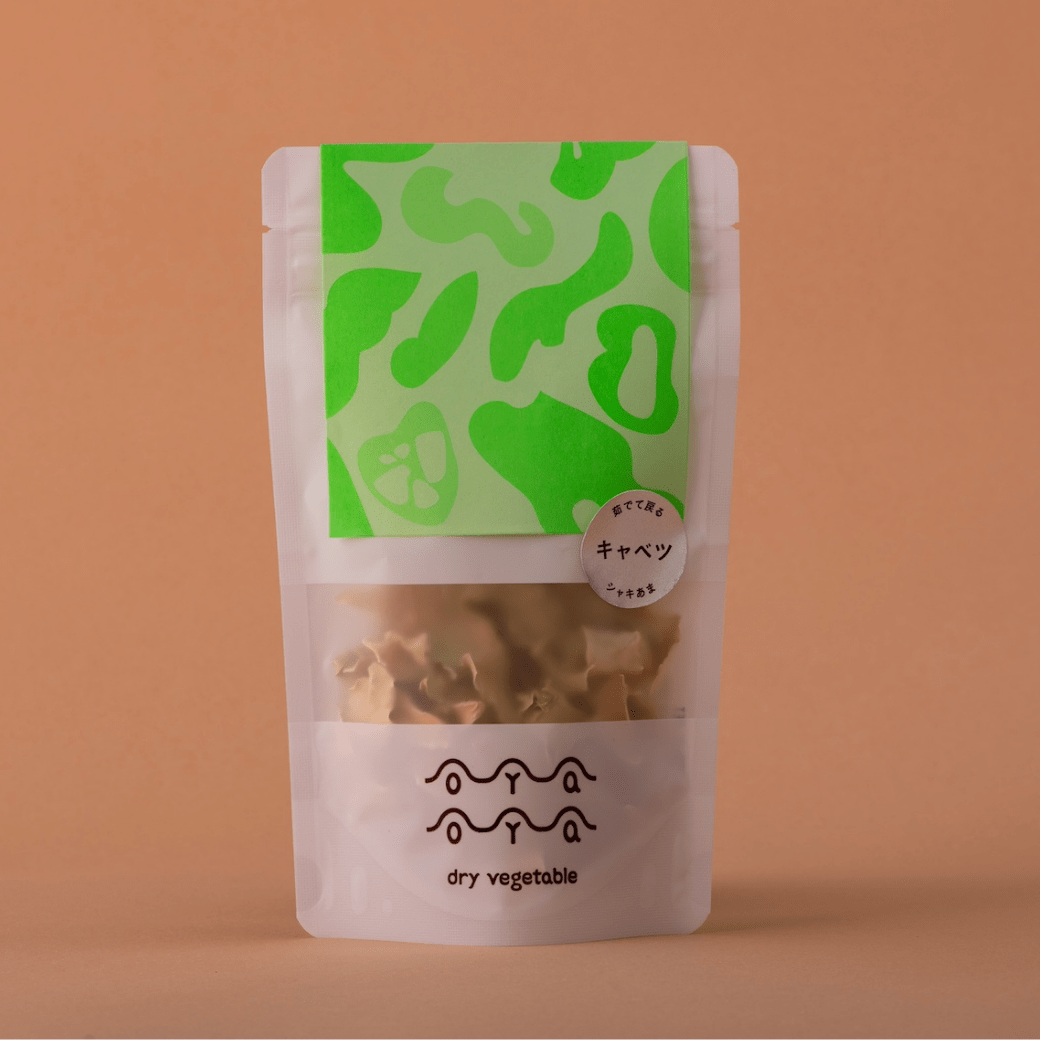
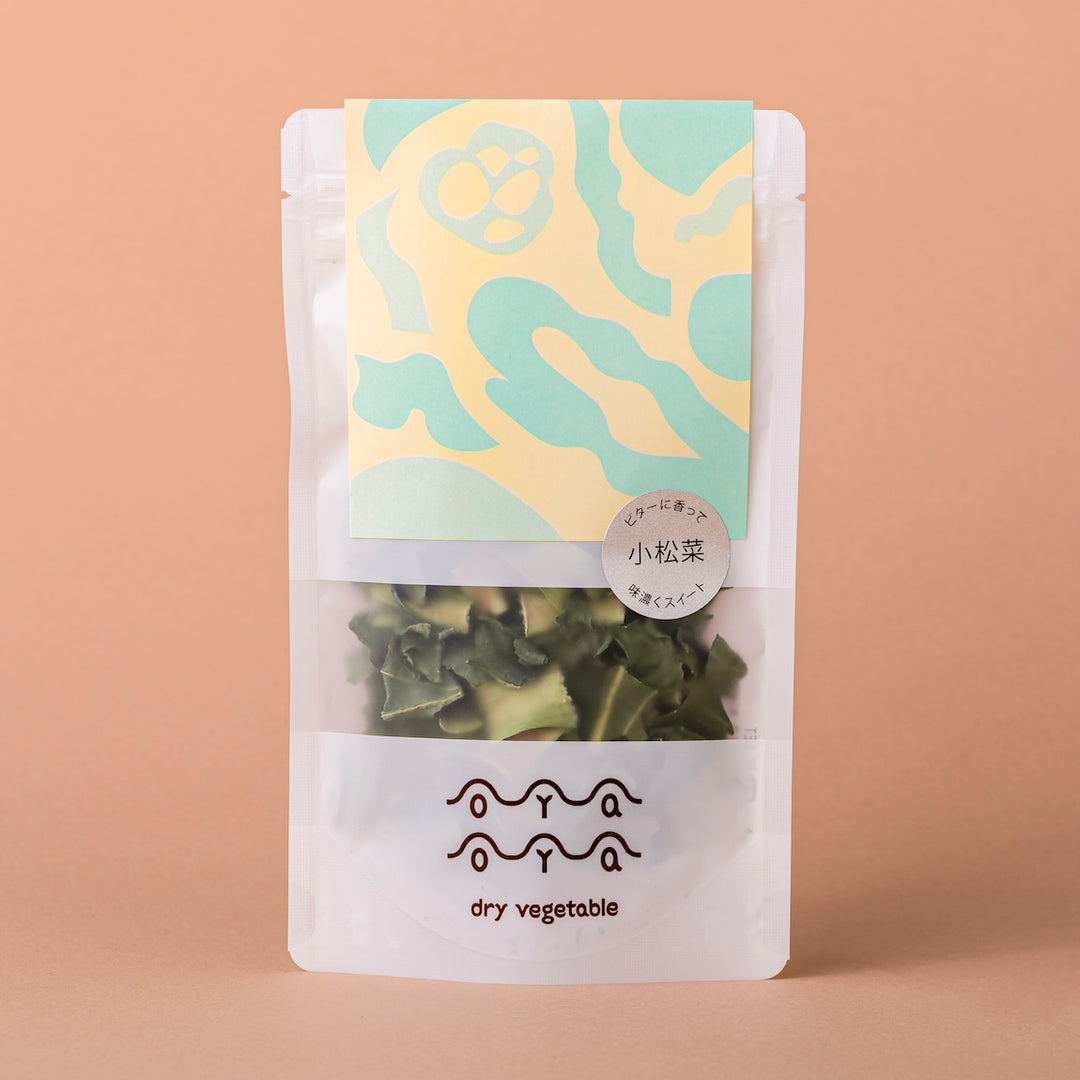
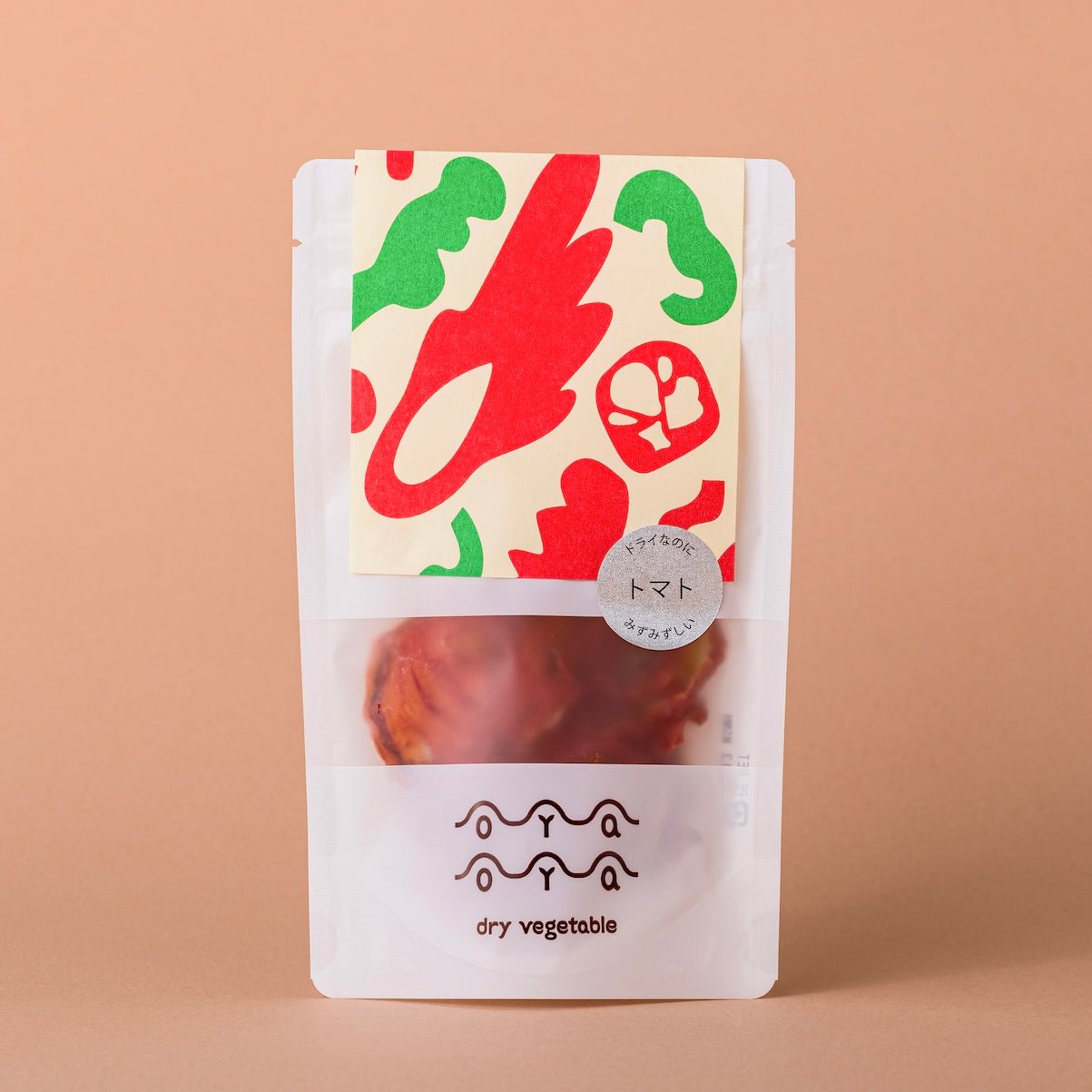
If you can't wait until you can make your own, please try OYAOYA's dried vegetables.
Related Products
Learn More About Dried Vegetables
そのほかの乾燥野菜ブログ
View all