

Anyone can do it! 5 easy steps to making dried vegetables
Vegetables forgotten in the corner of the refrigerator. By the time you notice them, they're shriveled up and inevitably end up in the trash...
Have you ever had that experience? Actually, it's too early to give up on those vegetables. You can breathe new life into them by making them into dried vegetables.
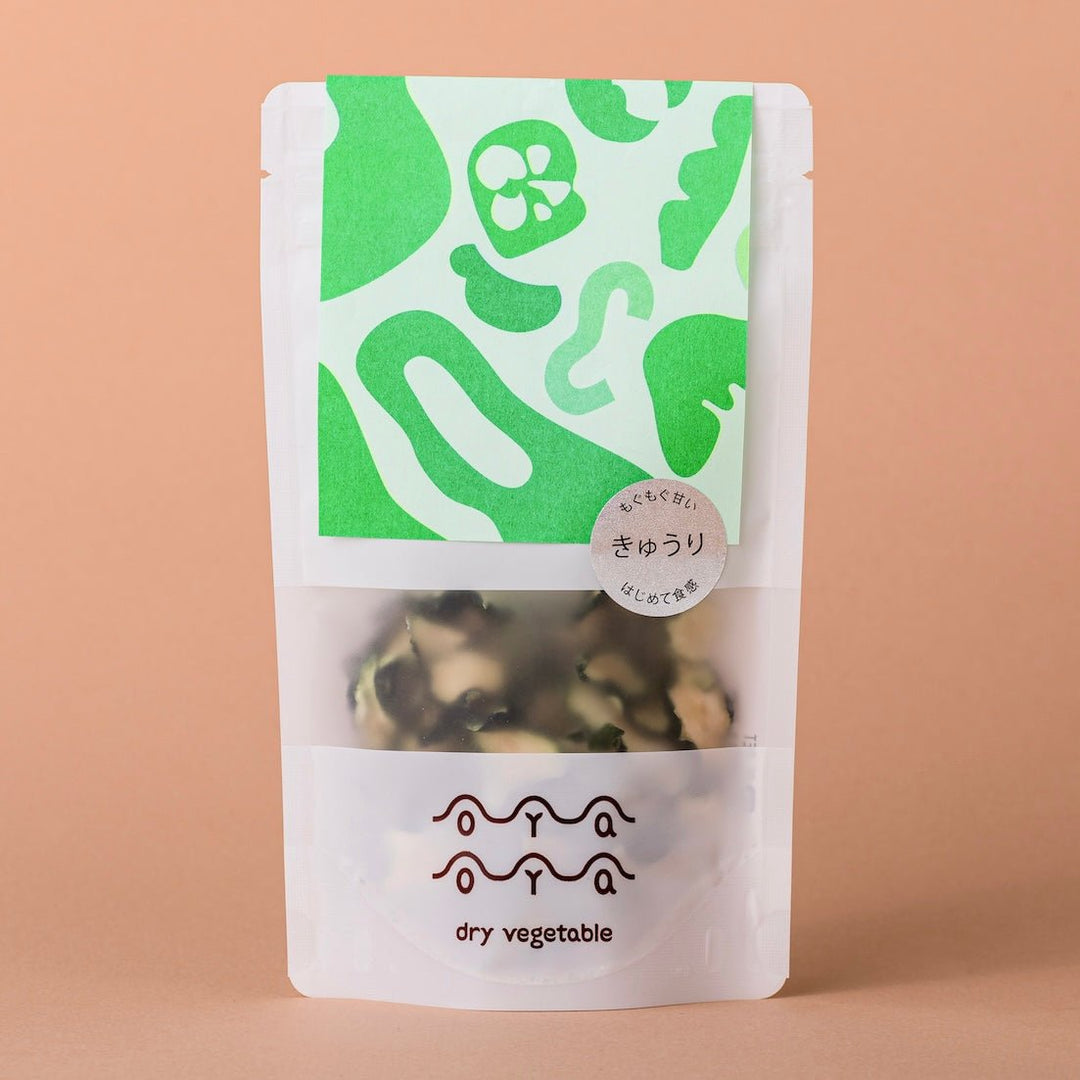
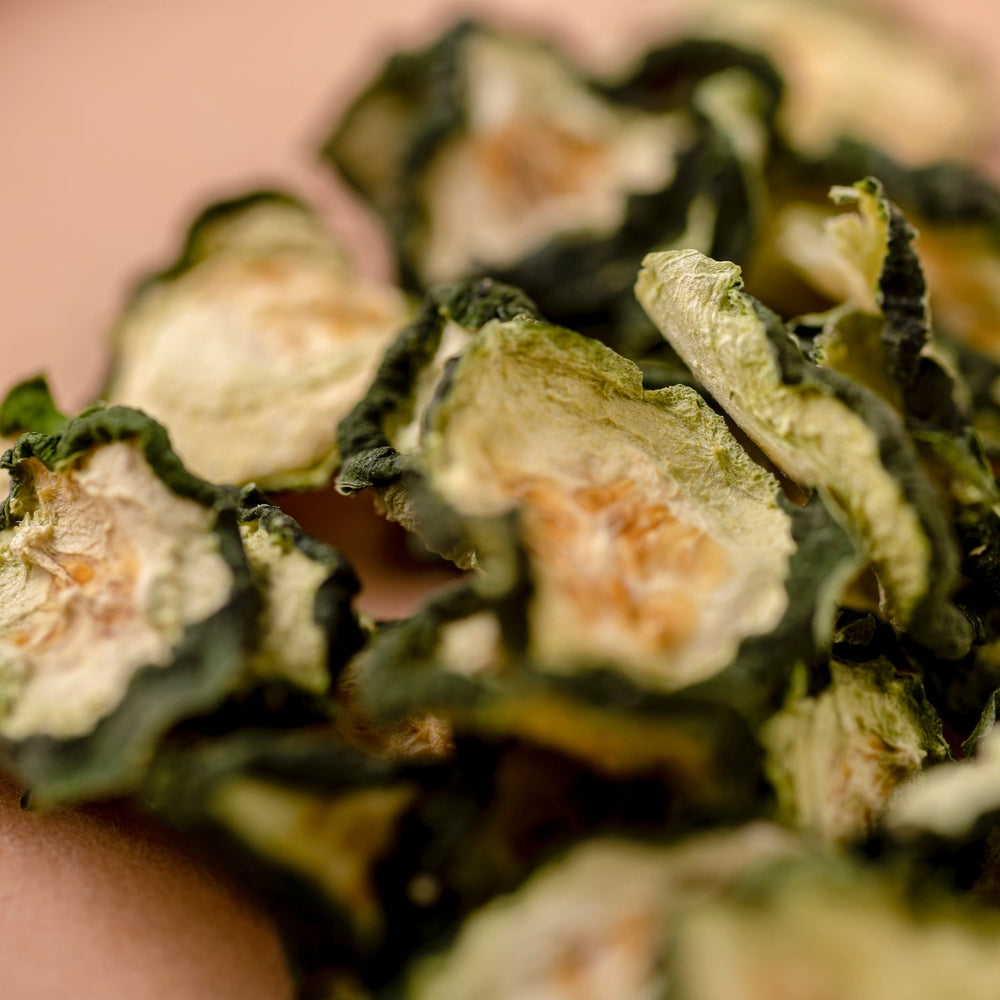
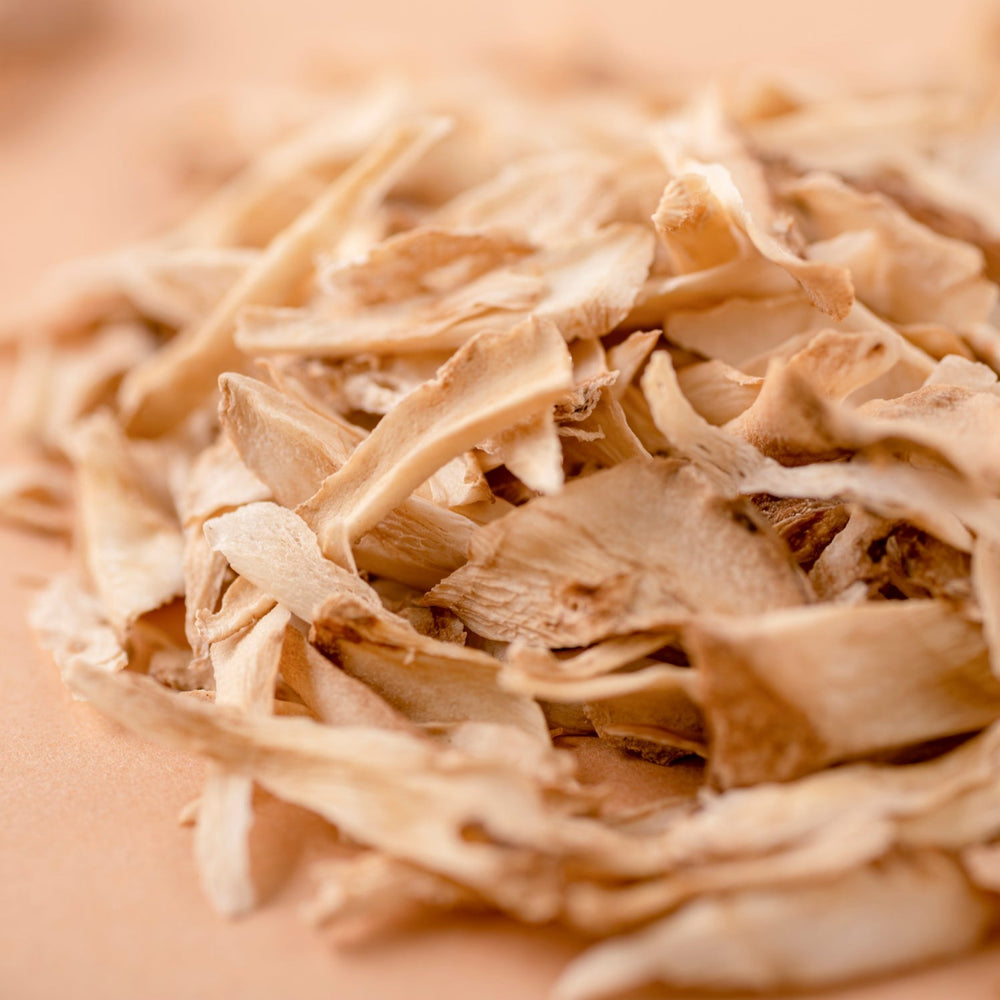
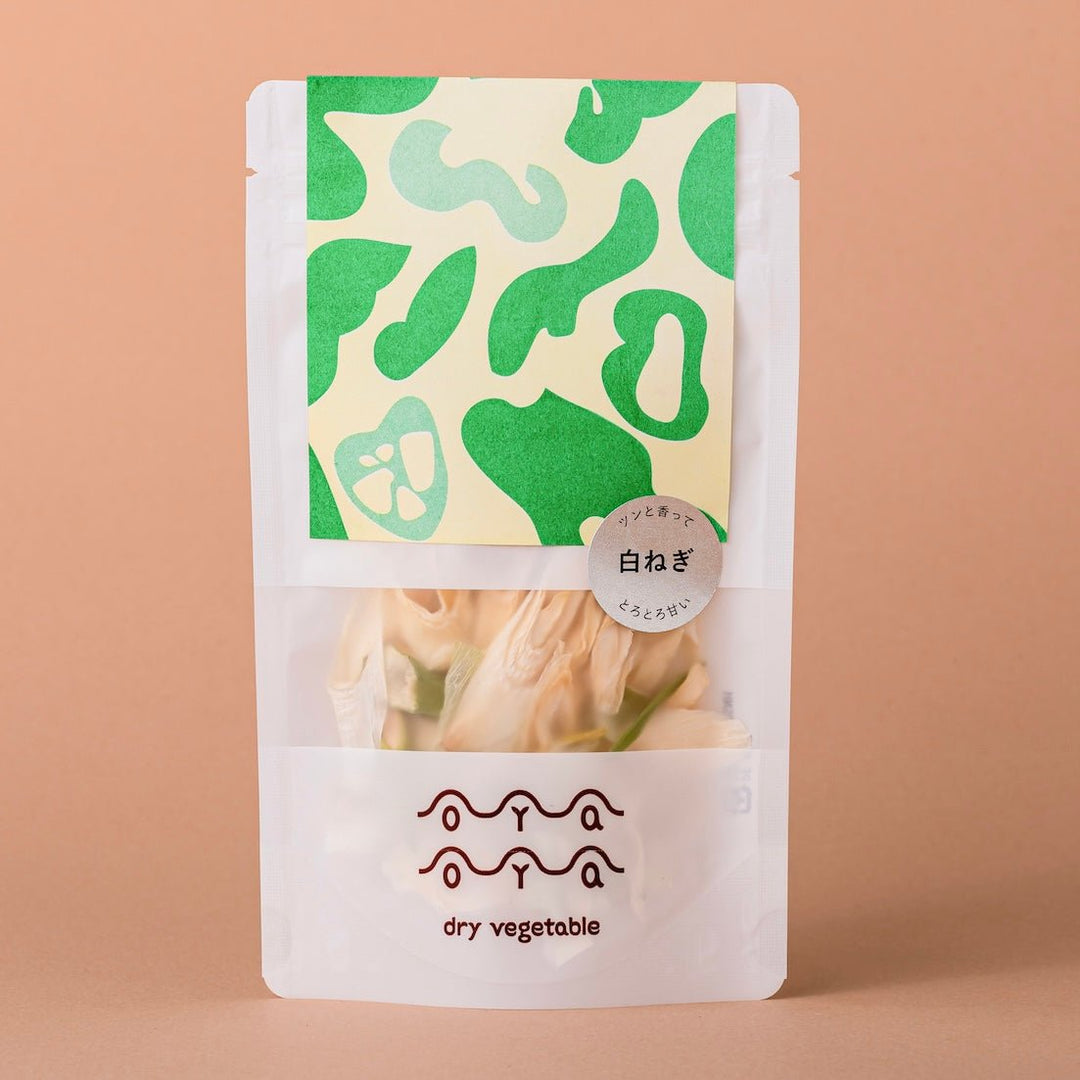
Dried vegetables don't just extend their shelf life. By drying them, moisture is removed, and the natural sweetness and umami of the vegetables are concentrated. Vegetables that were dormant in the refrigerator are reborn as surprisingly flavorful ingredients.
What's more, you don't need any special tools to make dried vegetables. Anyone can easily start with just a small space on a balcony or by a window.
What is the appeal of dried vegetables?
The appeal of dried vegetables is, above all, that you can turn "waste" into "deliciousness."
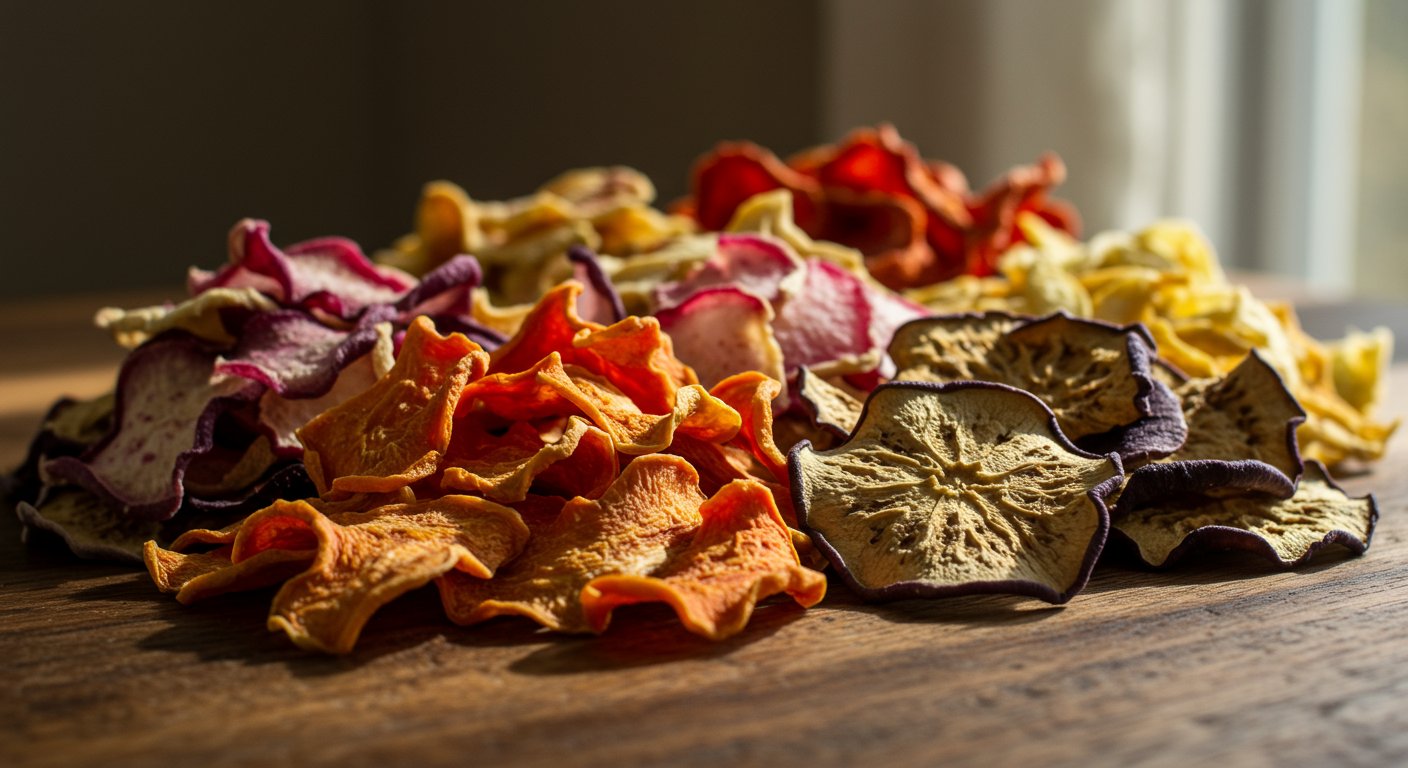 There are three main appeals of dried vegetables.
-
Increased umami and nutrition!: By removing moisture, the natural sweetness and umami of the vegetables are concentrated. Additionally, nutrients are also concentrated during the drying process.
-
Long-term storage is possible!: If thoroughly dried, they can be stored in the refrigerator for 5 days, or frozen for about 1 month. This reduces food waste.
-
Saves cooking time!: Since they are already cut, no prep work is needed. Flavors permeate easily, and they cook quickly, shortening cooking time.
Dried vegetables have been cherished as a preserved food in various parts of Japan since ancient times. The reason they are attracting attention again now is because they perfectly align with the modern challenge of reducing food loss.
What tools are needed for making dried vegetables?
"I want to try making dried vegetables, but I need special tools, right?"
For those thinking that, rest assured. In fact, almost no special tools are needed. You can easily start with what you have at home.
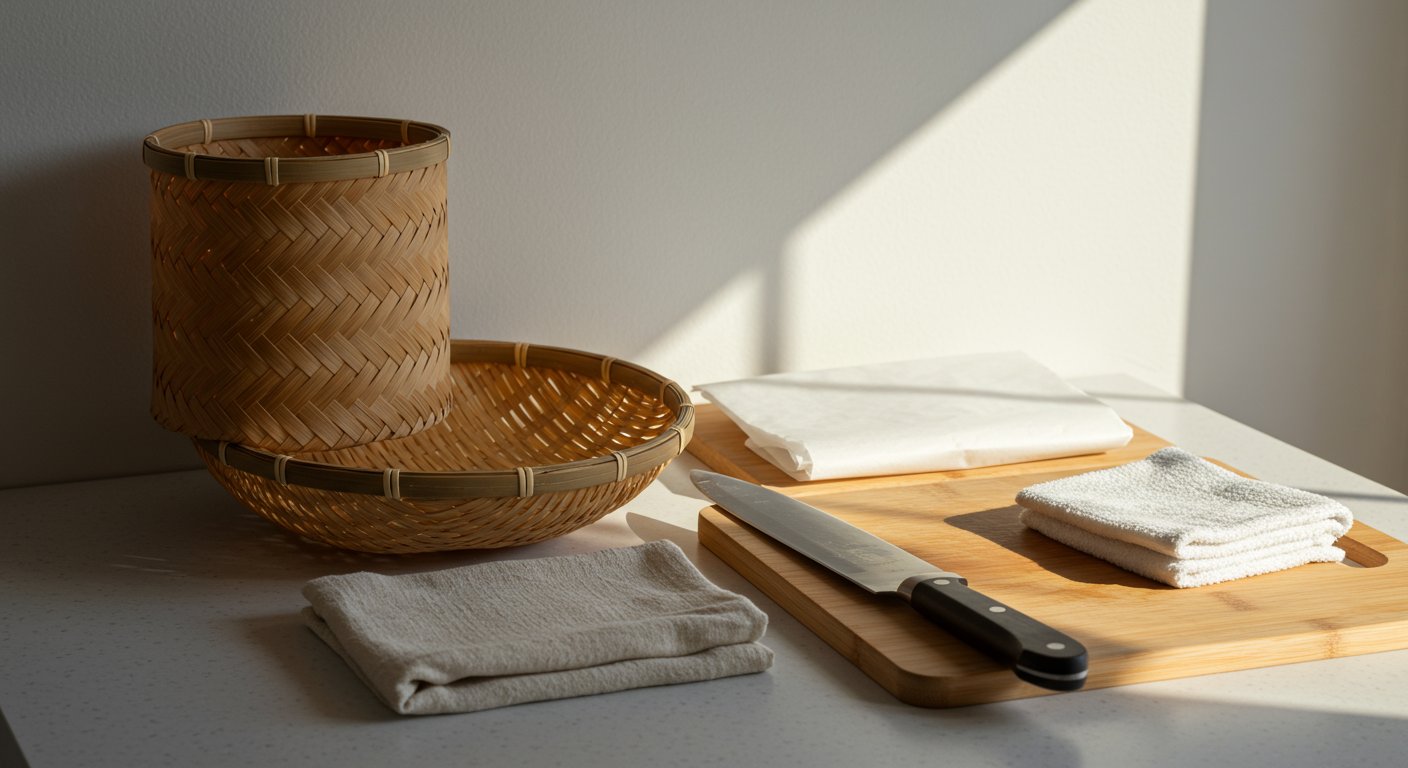 The minimum essentials for making dried vegetables are as follows:
-
Knife and cutting board: Basic tools for cutting vegetables
-
Kitchen paper: Used to wipe off moisture from watery vegetables
-
Drying location: A place with good ventilation and sunlight (such as a balcony or window sill)
And for arranging the vegetables, any of the following will suffice:
-
Colander/Basket: A bamboo colander is especially recommended for its good ventilation
-
Mesh drying net: If it's a hanging type, it's convenient as it doesn't take up space
-
Newspaper or kitchen paper: These alone are sufficient for drying
-
Cooling rack: The kind used for baking is also fine
I started by laying kitchen paper on a newspaper and arranging vegetables on top. You can make dried vegetables perfectly well with just that.
However, after making them a few times, I realized the convenience and now I use four different sizes of bamboo colanders: 24cm, 26cm, 30cm, and 36cm. I use the small colanders for casually tossing leftover vegetables, and the large ones when drying a lot.
5 Easy Steps to Making Dried Vegetables
Now, I'll show you how to make dried vegetables. Anyone can do it in 5 very simple steps!
Step 1: Choose your vegetables
Basically, any vegetable can be dried. For beginners, radish, cucumber, and Chinese cabbage are recommended as you can enjoy the difference in taste between fresh and dried. It's best to avoid easily perishable vegetables such as mizuna, lettuce, and bean sprouts.
It's fine if the vegetables are leftover in the refrigerator or are irregularly shaped. In fact, utilizing such "wasteful" vegetables is the real thrill of dried vegetables.
Click here for tips on choosing the best vegetables
Step 2: Cut the vegetables
Wash the vegetables, then cut them to your preferred shape without peeling.
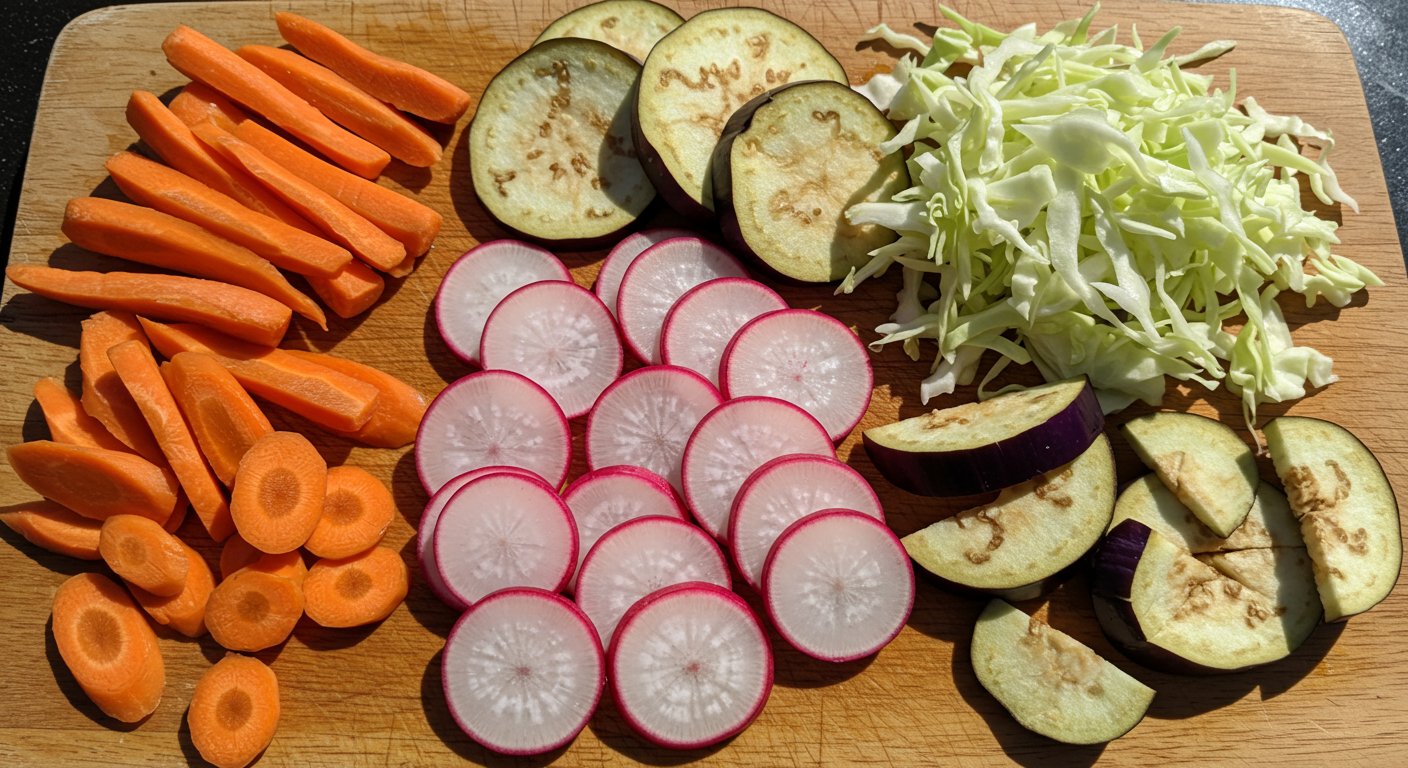 You can vary how you cut dried vegetables depending on their intended use in cooking.
-
Julienned: For pickles, takikomi gohan (mixed rice)
-
Sliced (thin): For stews, soups, deep-fried chips
-
Sliced (thick): For sautéing, stir-frying, deep-frying
The key is to cut vegetables slightly larger, as they shrink when dried. Also, for watery vegetables like radish and tomatoes, thoroughly wiping off moisture with kitchen paper helps them dry nicely. However, if they are too thick, they might not dry completely, so adjustment is needed depending on the season.
Step 3: Arrange the vegetables
Arrange the cut vegetables on a colander or net, spaced evenly so they don't overlap. The trick is to leave a small gap between them, as vegetables that stick together will be harder to dry.
Step 4: Dry them
Simply place them in a sunny and well-ventilated spot, such as a balcony, eaves, or window sill. Sun-drying is best from around 10 AM to 3 PM. Autumn and winter, when the air is dry, are recommended seasons.
Drying time guidelines: 3 hours to half a day for semi-dried, and 1-2 days for thoroughly dried. Vegetables with low moisture, like mushrooms, take about 3 hours, while watery vegetables take 6 hours or more.
Bring them indoors from evening to night, and dry them again the next day.
How to dry vegetables indoors / How to dry vegetables in an apartment
Step 5: Store them
Once dried, store the vegetables in an airtight container or bag. They will keep for about 5 days in the refrigerator, or in the freezer, semi-dried ones for a week, and thoroughly dried ones for a month.
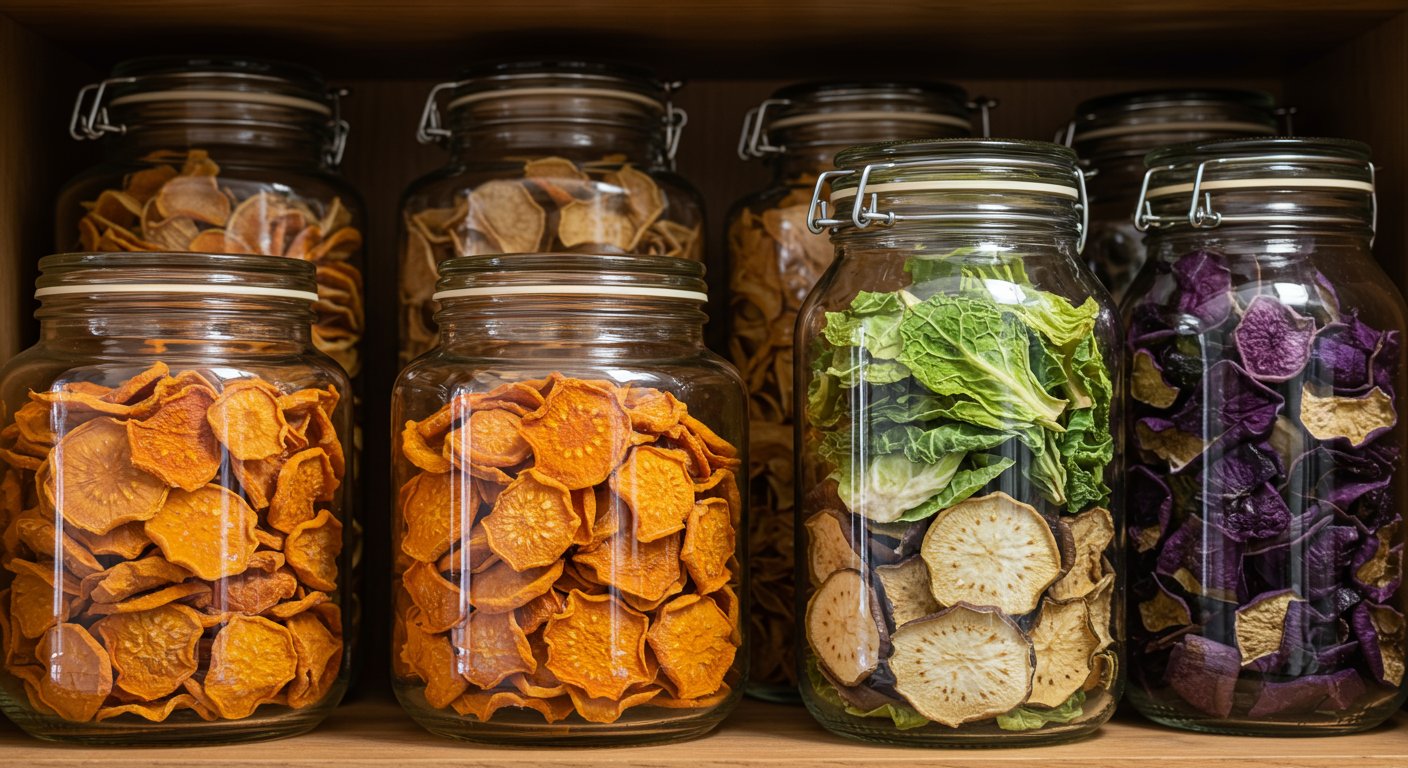 Here's a personal mishap of mine.
The first time I made dried vegetables, I put them into a storage container before they were completely dry, and a few days later, they molded... Thorough drying is the secret to long shelf life!
Summary: Enrich Your Diet with Dried Vegetables
Making dried vegetables requires no special tools or skills, and anyone can easily start. Vegetables left in the corner of the refrigerator or those that are irregularly shaped and not visually appealing can be transformed into wonderful ingredients that last longer and have concentrated umami by drying them.
The basic steps for making dried vegetables are simply: choose the vegetables, cut them, arrange them, dry them, and store them. Through this simple process, you can discover new charms of vegetables.
Why not try making dried vegetables in your kitchen to turn "waste" into "deliciousness"? You're sure to find the joy of not wasting food and discover new flavors.
Related Products
Learn more about dried vegetables
そのほかの乾燥野菜ブログ
View all