

Delicious! The benefits and nutrition of dried vegetables

Do dried vegetables have nutrients?
If you're looking for a healthy diet with your body in mind, dried vegetables, which can be stored at room temperature for a long time, are incredibly convenient.
Moreover, from the perspective of nutrition and flavor, dried vegetables are delicious in many ways! Exactly what kind of deliciousness they hide is not fully understood just by comparing them with fresh vegetables, so I've compiled this article.
Let's cultivate our knowledge of delicious dried vegetables.

Fresh vegetables vs. dried vegetables.
Which is healthier?
To maintain health and prevent lifestyle-related diseases, it is recommended to consume 350g or more of vegetables per day (※1).
However, while varying by type, most of the components in common vegetables are water. Even if you try to get a lot of them easily in salads or stir-fries, fresh vegetables, when cooked, are juicy and their texture can make you feel surprisingly full...

Dried vegetables with concentrated nutrients
In contrast, dried vegetables, from which moisture has been removed, have not only concentrated umami but also concentrated nutrients. Therefore, they are perfect for supplementing the daily intake with high nutritional value, and for alleviating overall vegetable deficiency.
Drying also enhances their flavor and texture, allowing you to enjoy a different kind of deliciousness from fresh vegetables and offering a completely satisfying meal. (※1)Click here for reference page

When vegetables are dried,
they transform with the power of enzymes.
Dried vegetables have significantly enhanced nutritional value, allowing you to consume more fiber and vitamins with less quantity than fresh vegetables.
The reason why the umami, especially the sweetness, is concentrated at the same time seems to lie in the enzymes that vegetables possess. It is said that as vegetables warm up during drying, the enzymes become active, increasing the sugar content and making them sweeter.
Benefits of drying
Also, the distinct taste and aroma that can be enjoyed in dried vegetables, unlike fresh ones, are reportedly related to the action of enzymes that produce or break down pungent and aromatic compounds.
The flavor of dried aromatic vegetables is particularly distinct from fresh ones. Onions lose their pungency and become even sweeter, while the crisp spiciness and refreshing aroma of ginger become stronger than when consumed fresh.

For both ingredients and dashi!
Enjoy the umami of vegetables.
Dried vegetables are packed with umami, so by rehydrating them with water, you can extract dashi.Therefore, if you use dried vegetables for dishes where vegetable umami is the key to the flavor, it kills two birds with one stone by serving as both an ingredient and dashi.
Click here for rehydration instructions

Cooking dried vegetables without losing nutrients
When making soups or mixed rice, you can simply add water and heat without rehydrating them first, allowing you to cook easily without losing umami and nutrients.The trick to making rich vegetable dashi is to layer the umami of various vegetables, mainly sweet ones like onions and carrots.

Dried vegetables with various arrangements
If you keep a variety of dried vegetables on hand, you can easily make delicious vegetable dashi anytime and readily change the vegetable blend to keep things interesting.
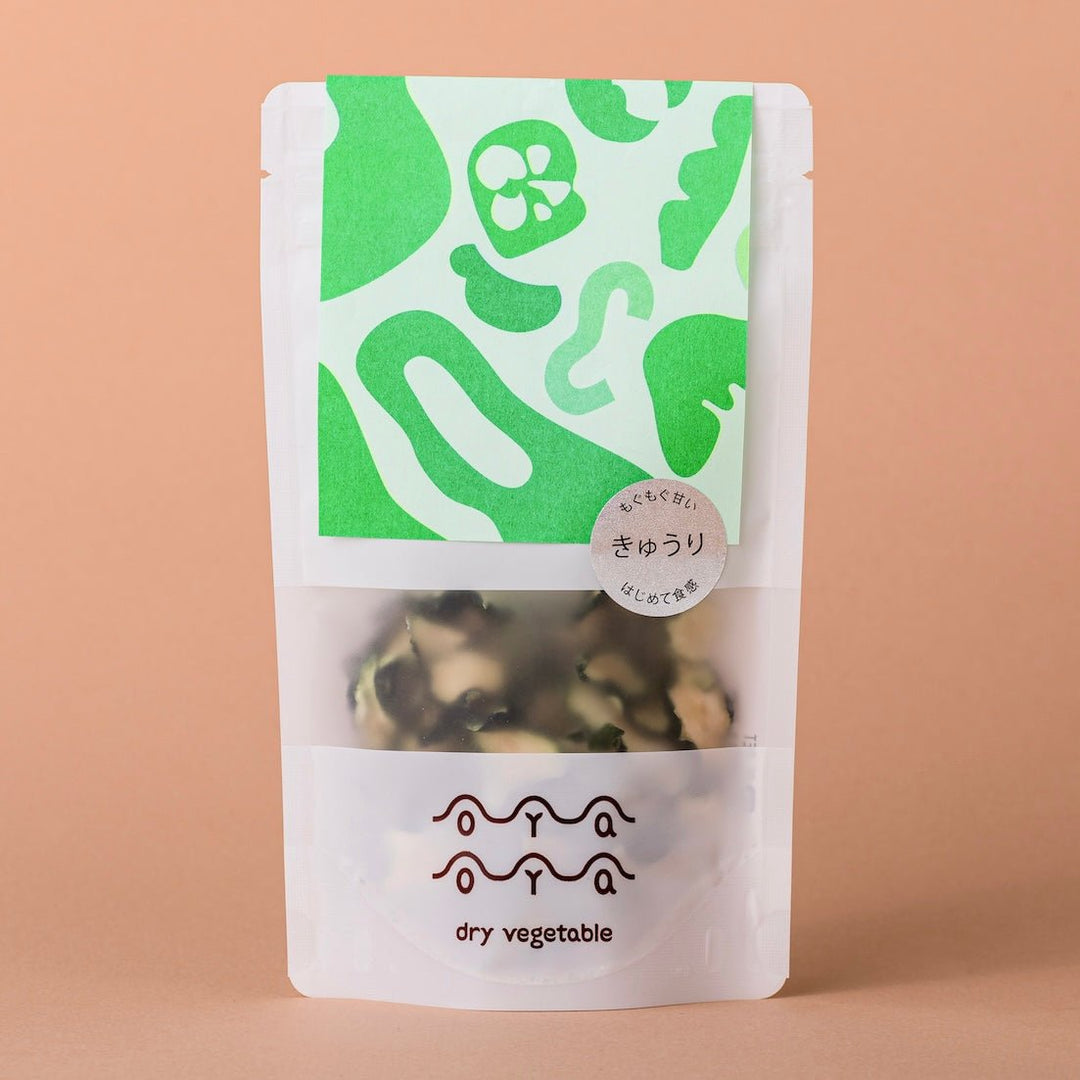
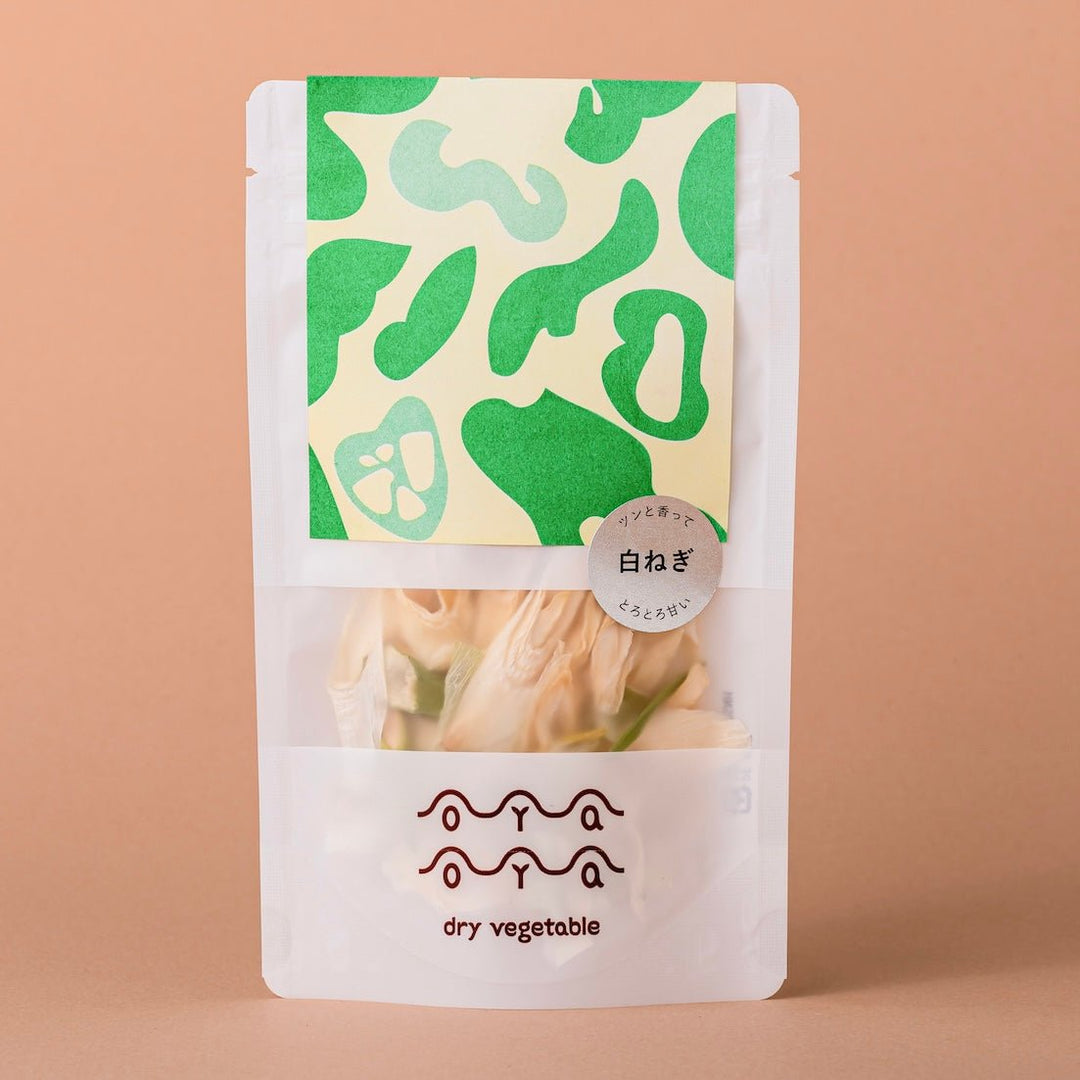
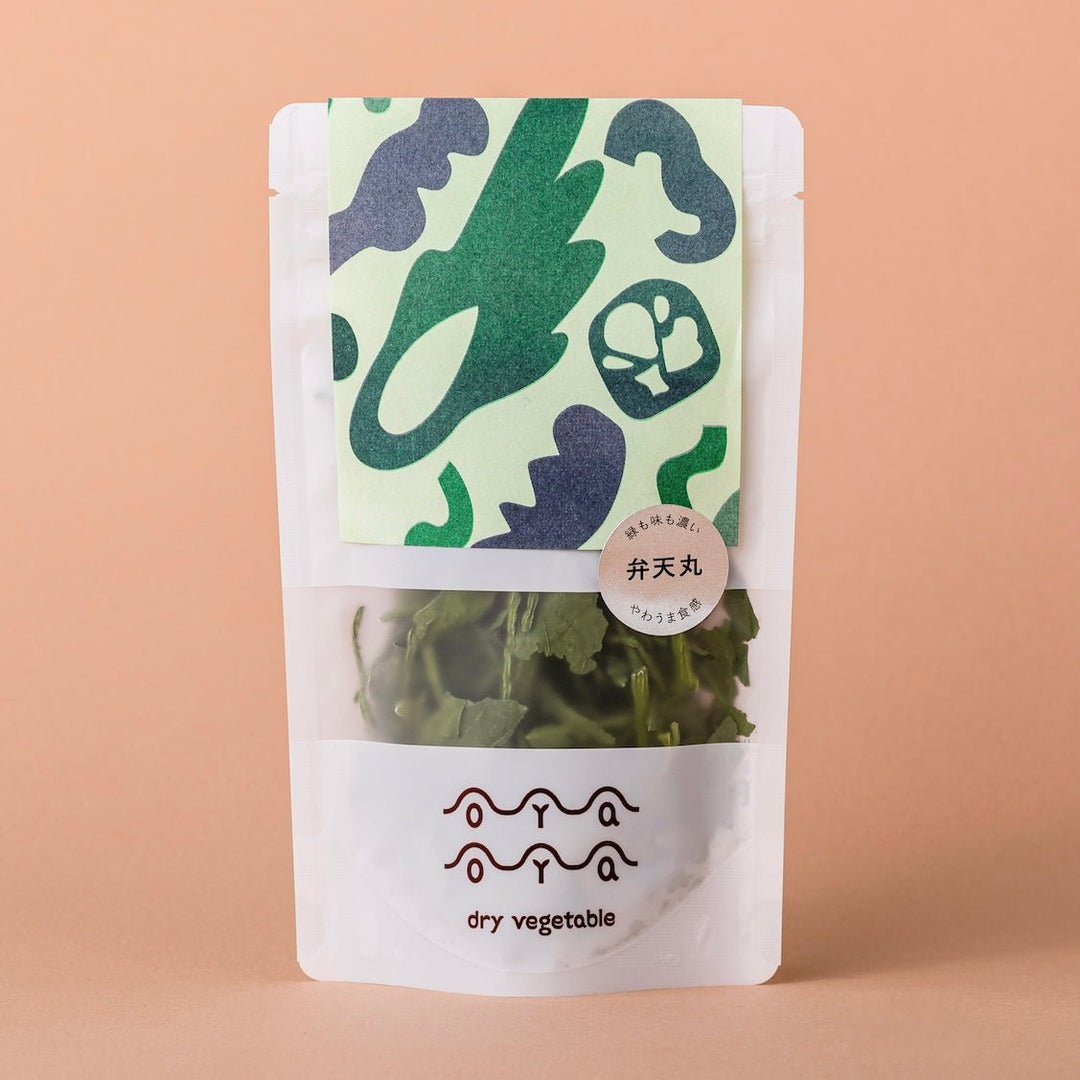
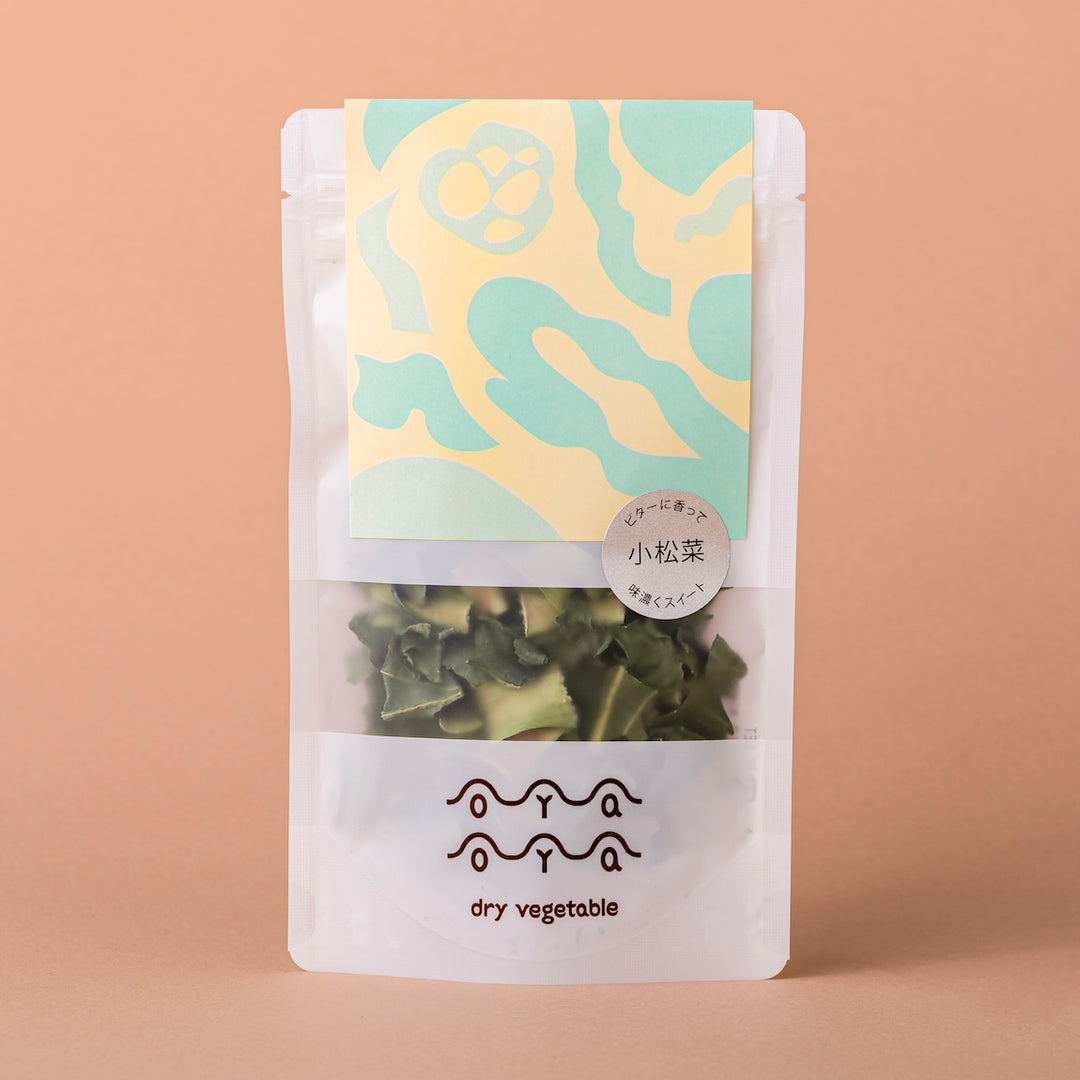
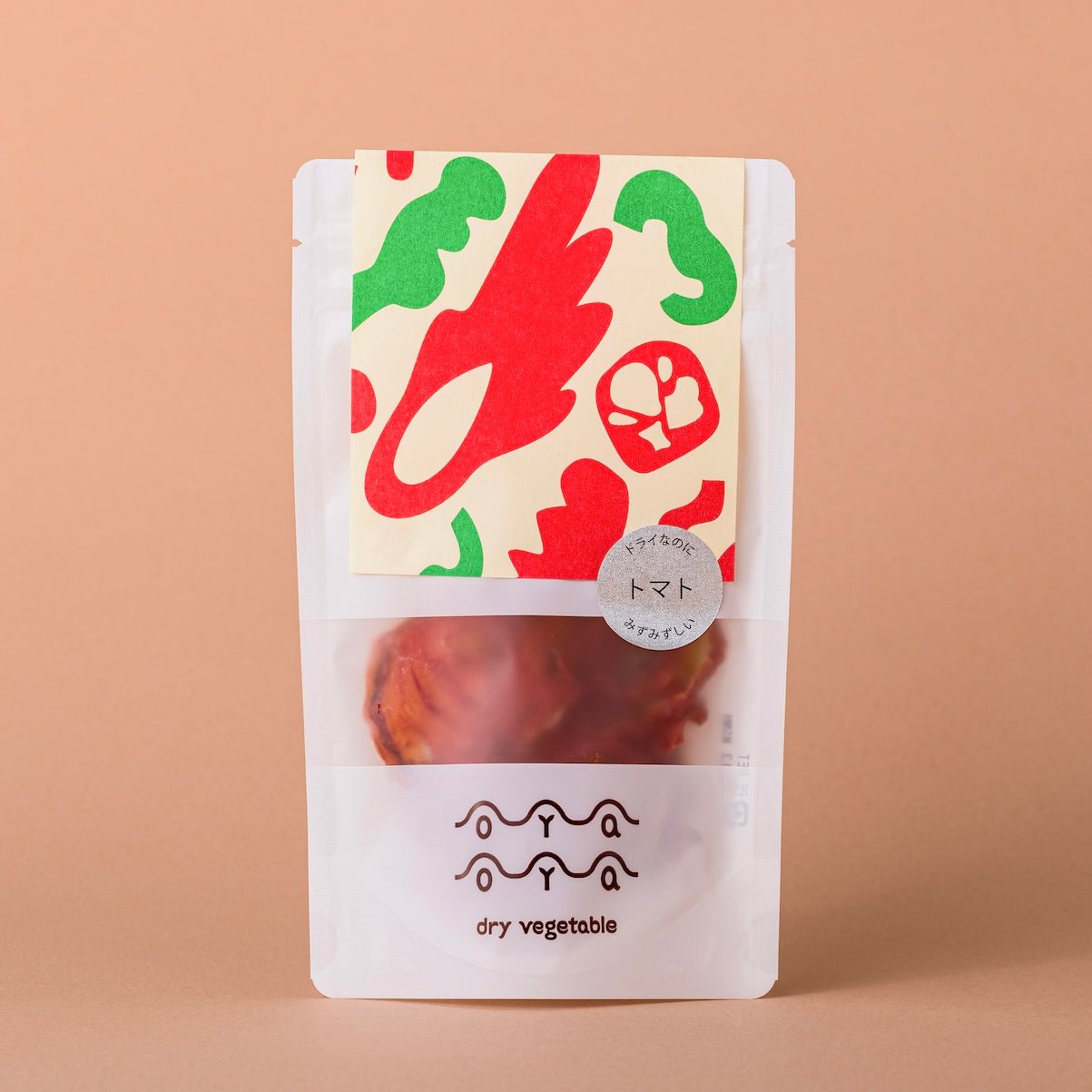
If you're eager to try various dried vegetables, leave it to [OYAOYA], which offers a rich lineup.

Related products
Learn more about dried vegetables
そのほかの乾燥野菜ブログ
View all