

[History of dried vegetables] A look into the roots of a food ingredient still loved today
Dried vegetables are vegetables that have been dried and preserved so that they can be eaten across seasons. Dried vegetables have been used in many cultures since ancient times due to their high nutritional value, preservability, and ease of preparation. This article explains the history of dried vegetables, how they are used around the world, and their cultural significance.
History of Dried Vegetables
Dried vegetables were also used as food during voyages. Because dried vegetables have lost their moisture, they were resistant to spoilage and suitable for storage on ships. In particular, in the 16th century, voyages from Europe to America became active, and dried vegetables became an essential food source.

In Japan, dried vegetables were widely used during the Edo period. "Hoshi-yasai" (dried vegetables) are a type of dried vegetable, where vegetables are dried using the power of wind and sun. During the Edo period, dried daikon radish and dried shiitake mushrooms were widely used, and they remain as regional dishes today.
How Dried Vegetables are Used Around the World
Dried vegetables are used in various ways around the world. Below, we introduce how dried vegetables are used in representative countries and regions.
Asia
In Asia, dried vegetables are an indispensable ingredient in diverse food cultures. In China, dried shiitake mushrooms, dried green onions, and dried shrimp are widely used and added to various dishes.
In India, many dried spices are used, with dried red chilies and curry powder being famous. Dried vegetables are also used as long-term preserved food in Asia, and many preserved foods made with dried vegetables are produced in Taiwan and China.
Europe
In Europe, dried vegetables are mainly used in dishes such as soups and stews. For example, dried tomatoes are an essential ingredient in Italian tomato sauce, and in France, onion gratin soup made with dried onions is famous. In Nordic countries, soups and stews made with dried vegetables are cherished as traditional dishes.
America
In the Americas, snacks called trail mix primarily use dried vegetables. Also, dried vegetables such as dried grass and dried corn, which were used by Native Americans, are still deeply rooted in Native American culture today.

Cultural Significance of Dried Vegetables
Dried vegetables have been used in many cultures since ancient times due to their preservability and ability to be eaten across seasons, thus holding cultural significance.
For example, in ancient Egypt, dried vegetables were used not only as preserved food but also as food for the dead. Also, during the Edo period, dried vegetables were a staple food for common people, but during wartime, they were used as an important preserved food to supplement food shortages.

Furthermore, dried vegetables are closely related to agriculture. By drying vegetables, they can be eaten across seasons, making them an important food source that supports farmers' livelihoods. Dried vegetables also contribute to reducing food waste. By drying a large quantity of vegetables harvested during the harvest season, they can be preserved for a long time, allowing surplus to be utilized without waste.
Also, dried vegetables are related to the modern problem of food loss. In modern society, where fresh vegetables and fruits are often discarded, dried vegetables, being long-lasting, have the potential to reduce food loss.
OYAOYA Dried Vegetables
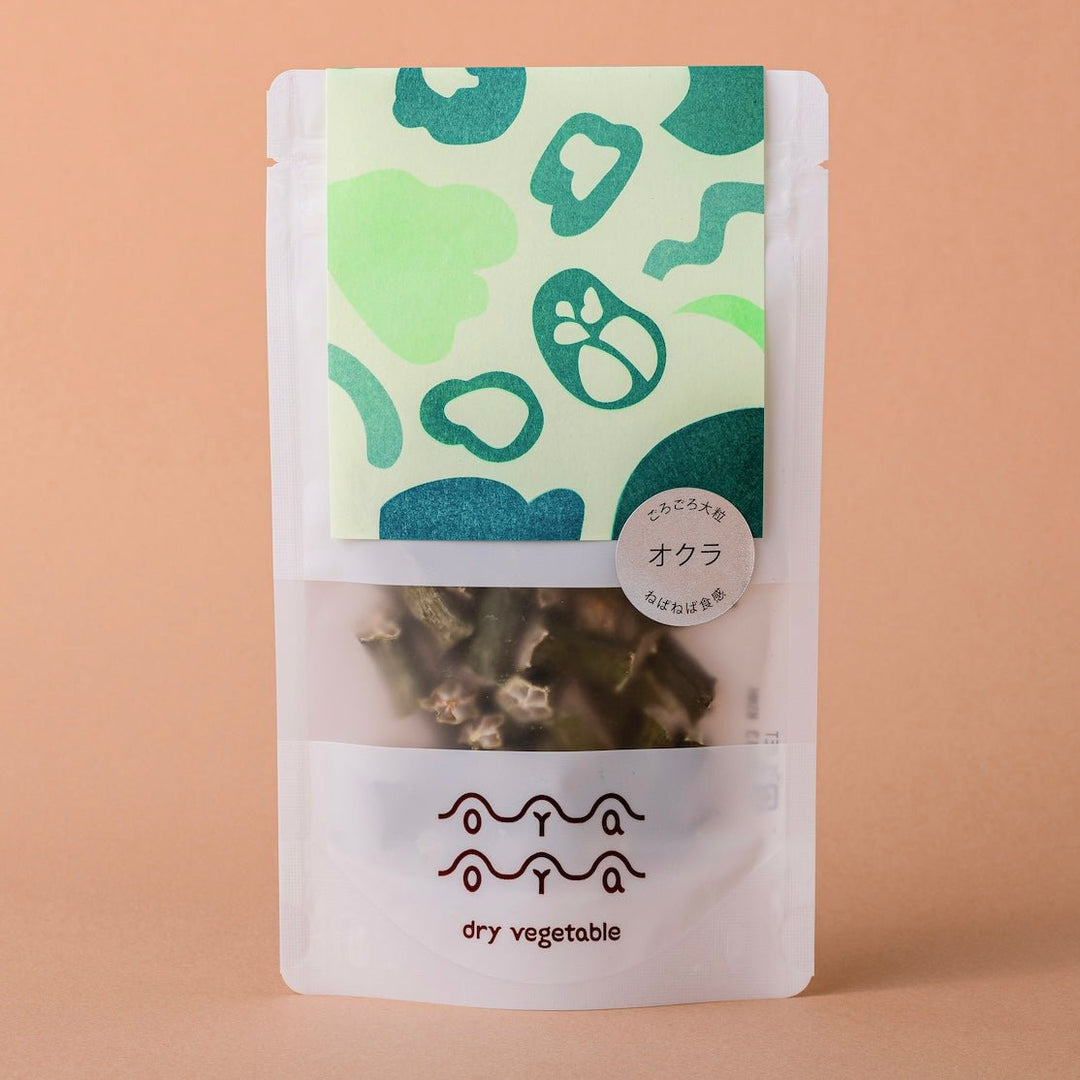
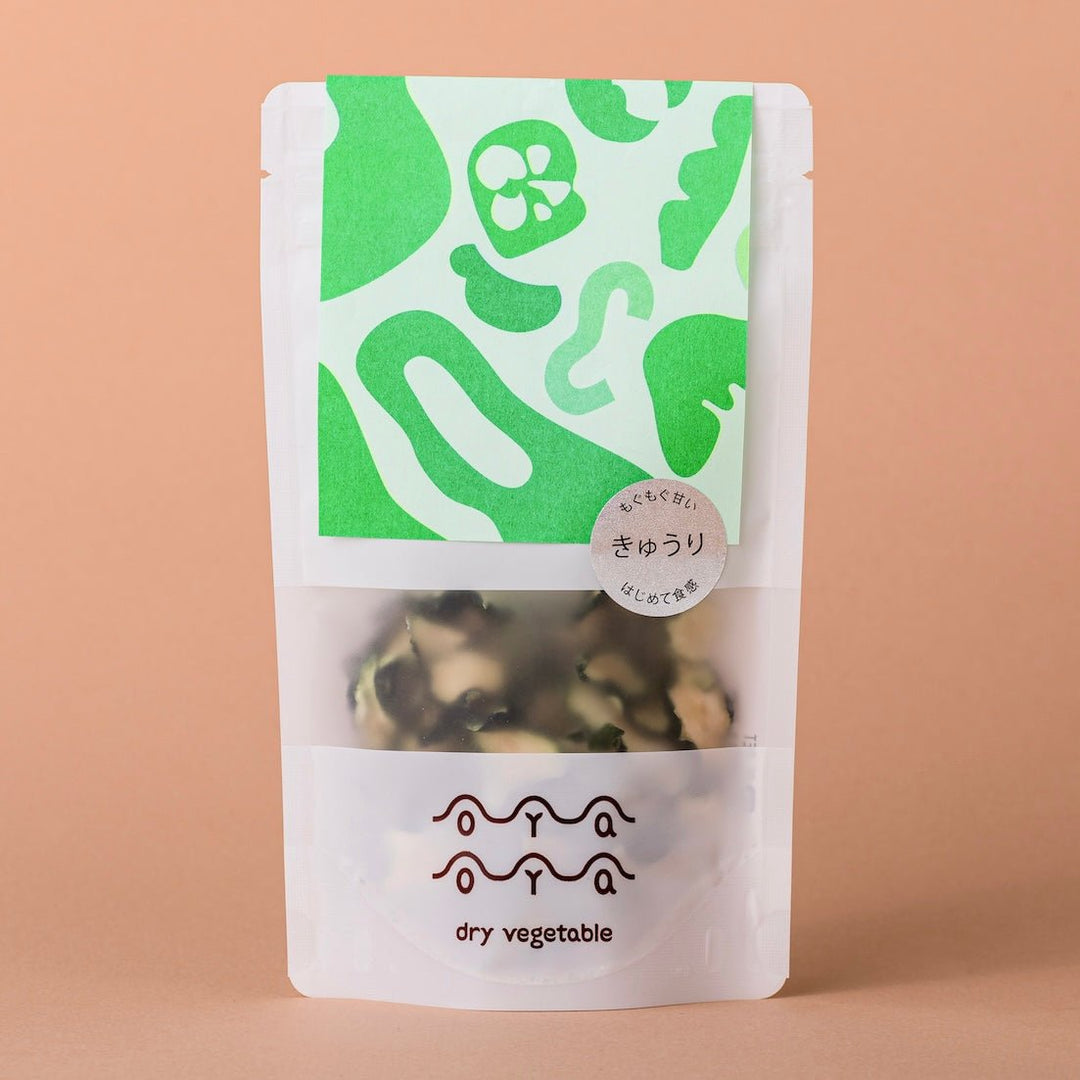
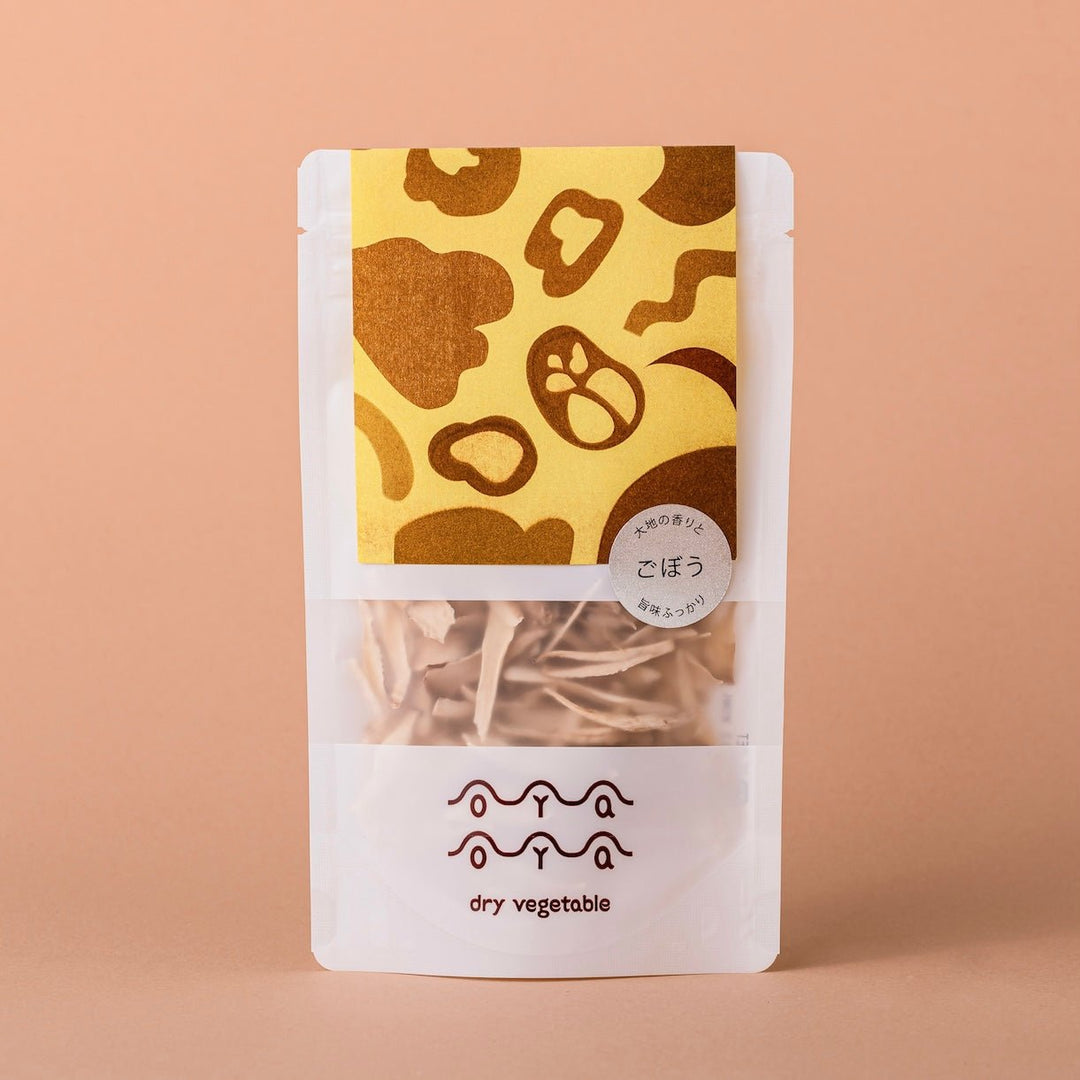
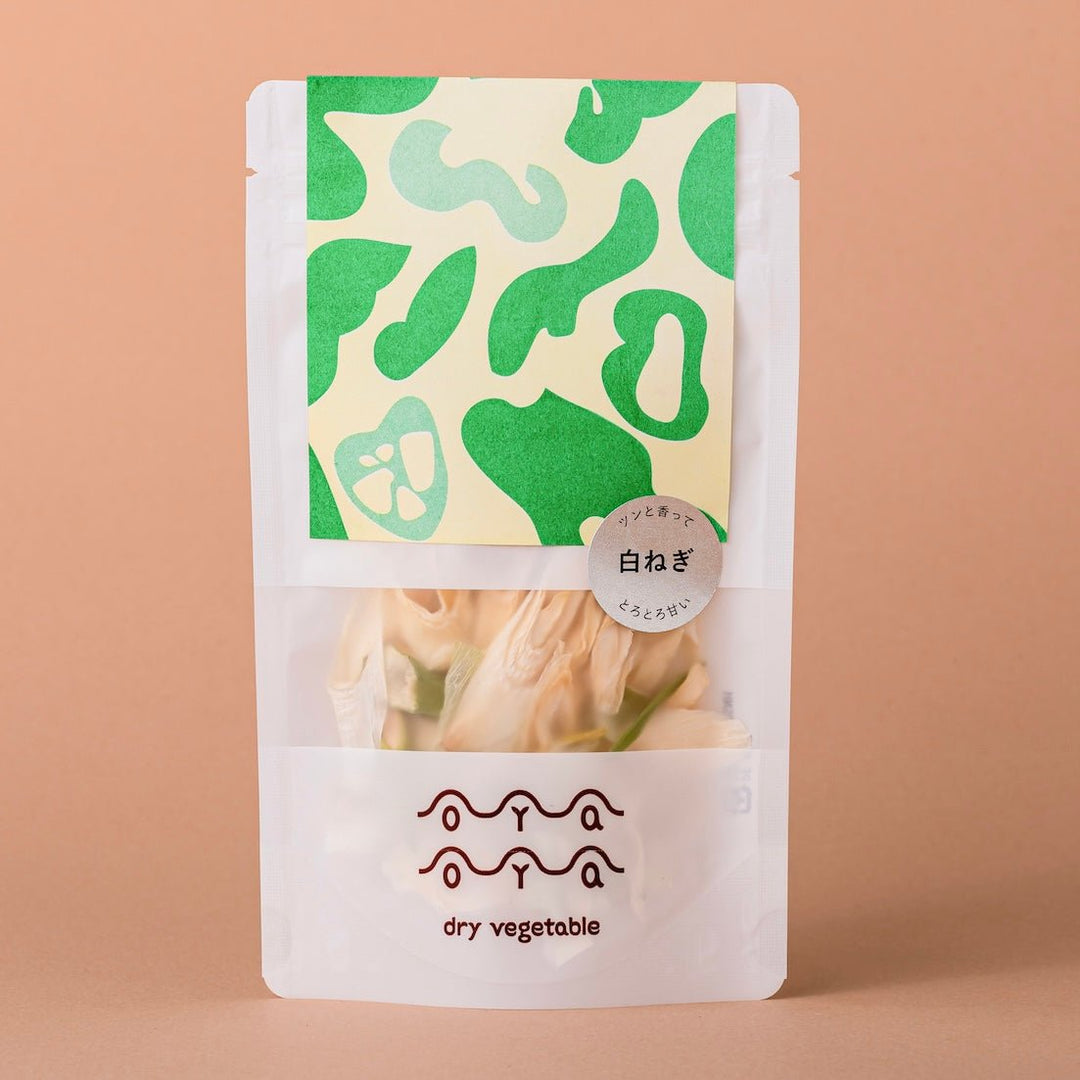
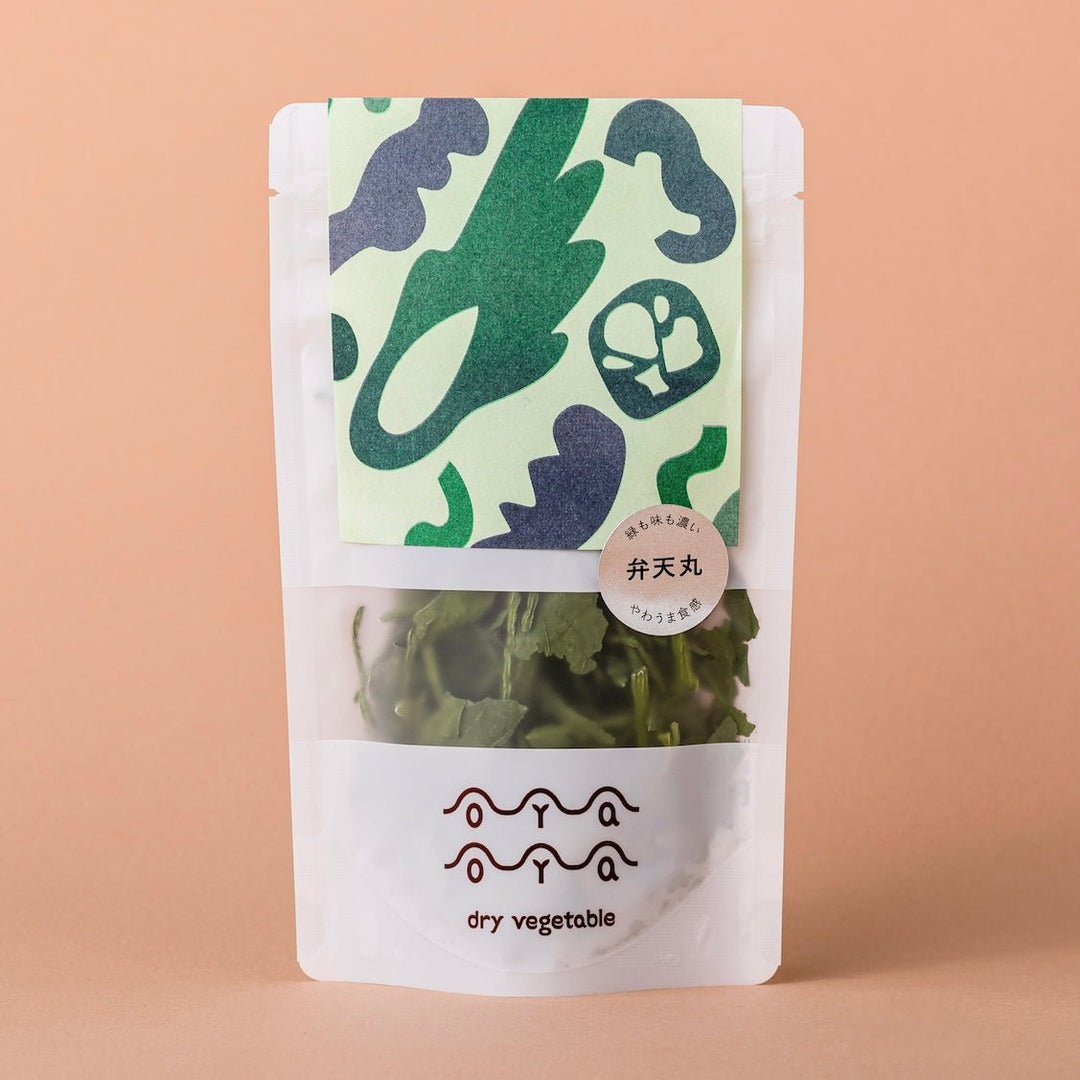
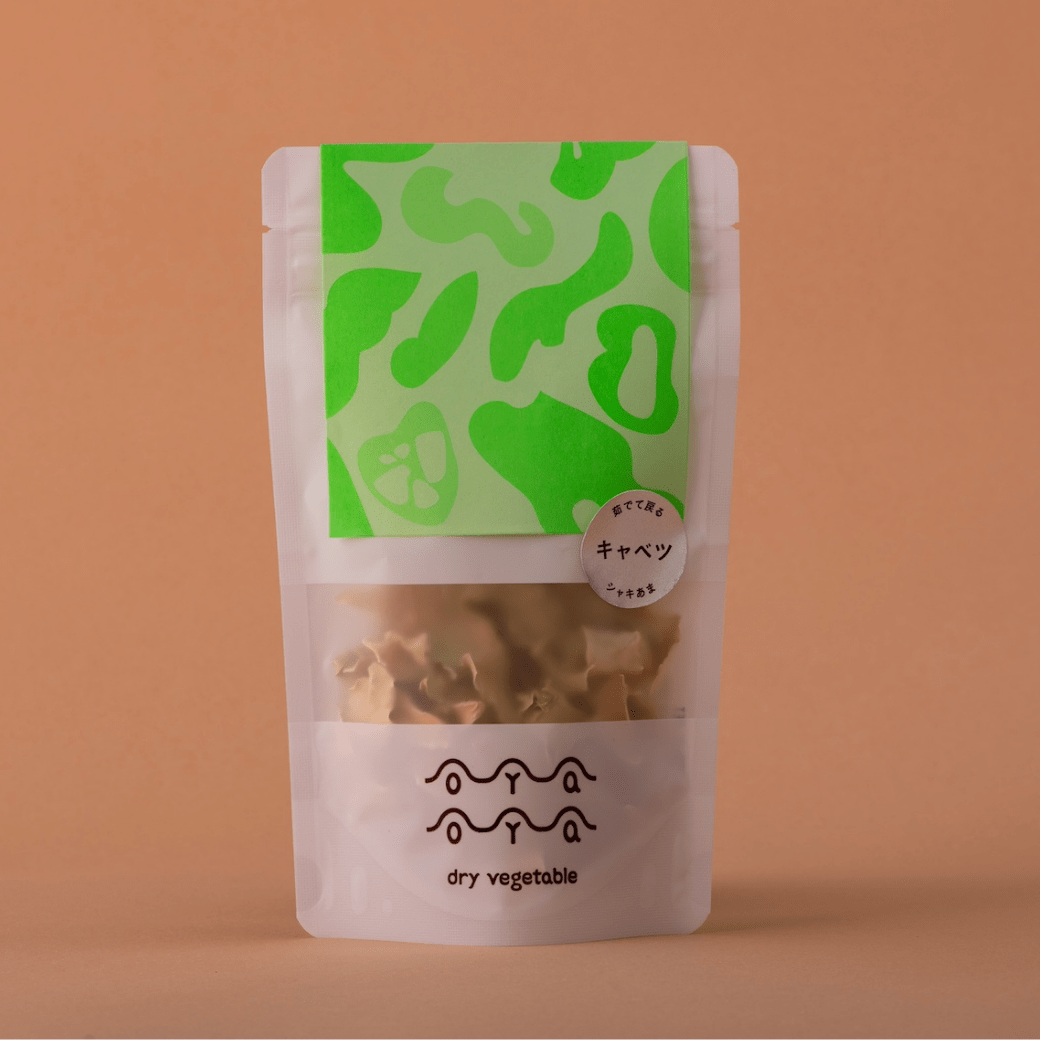
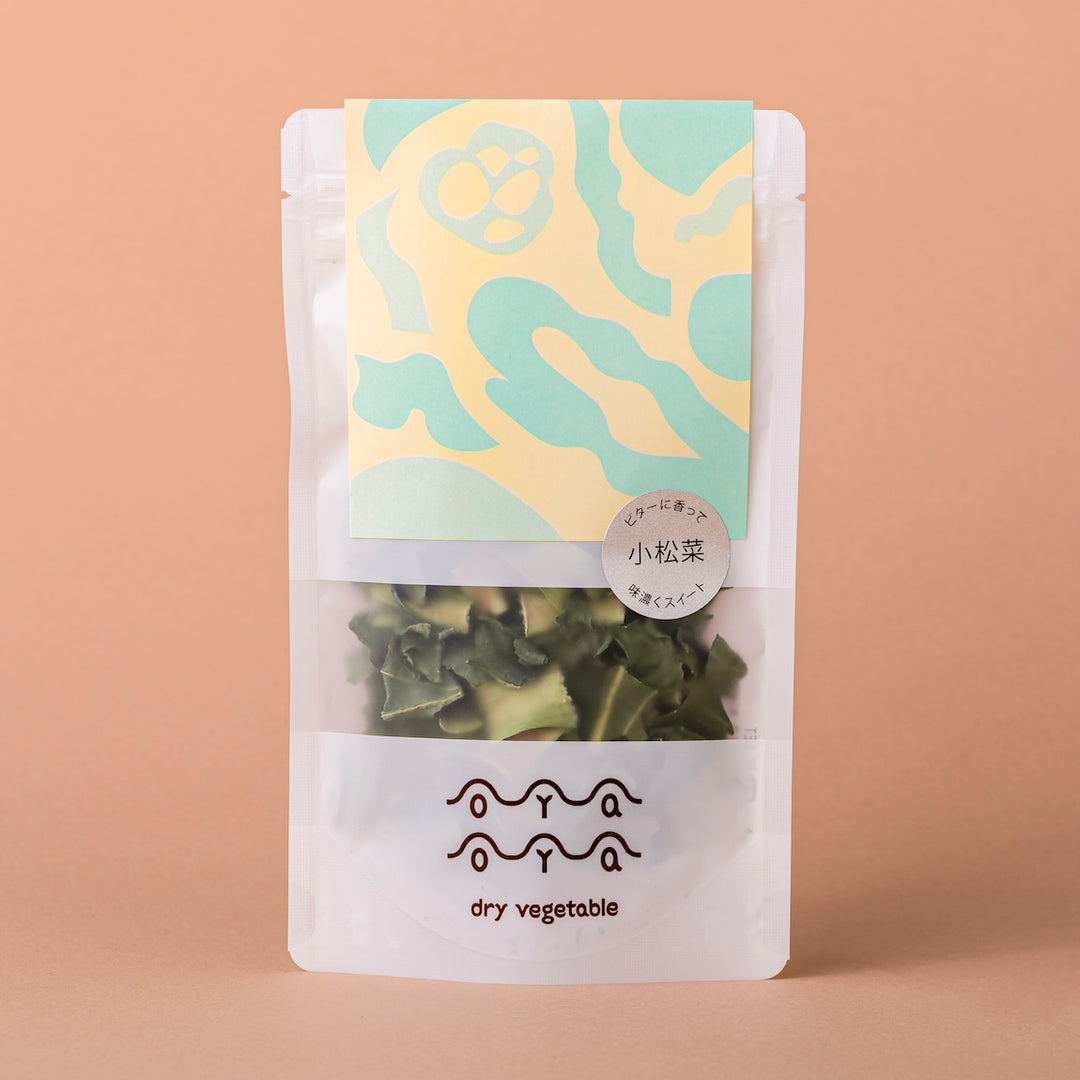
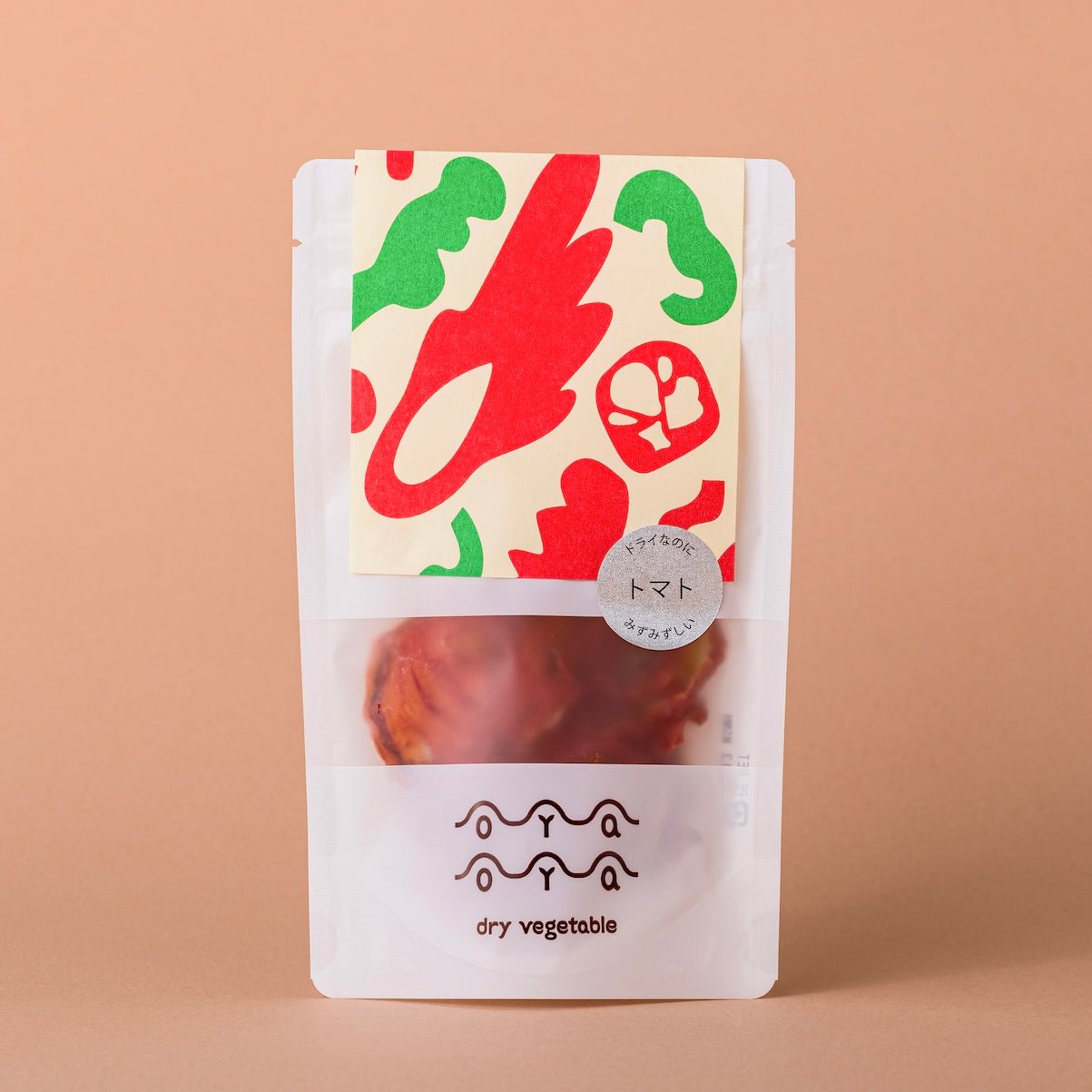
OYAOYA sells products made by drying seasonal vegetables, utilizing the climate and traditions of Kyoto. OYAOYA's dried vegetables are carefully made with time and effort, adhering to traditional drying methods to preserve their flavor and nutritional value.
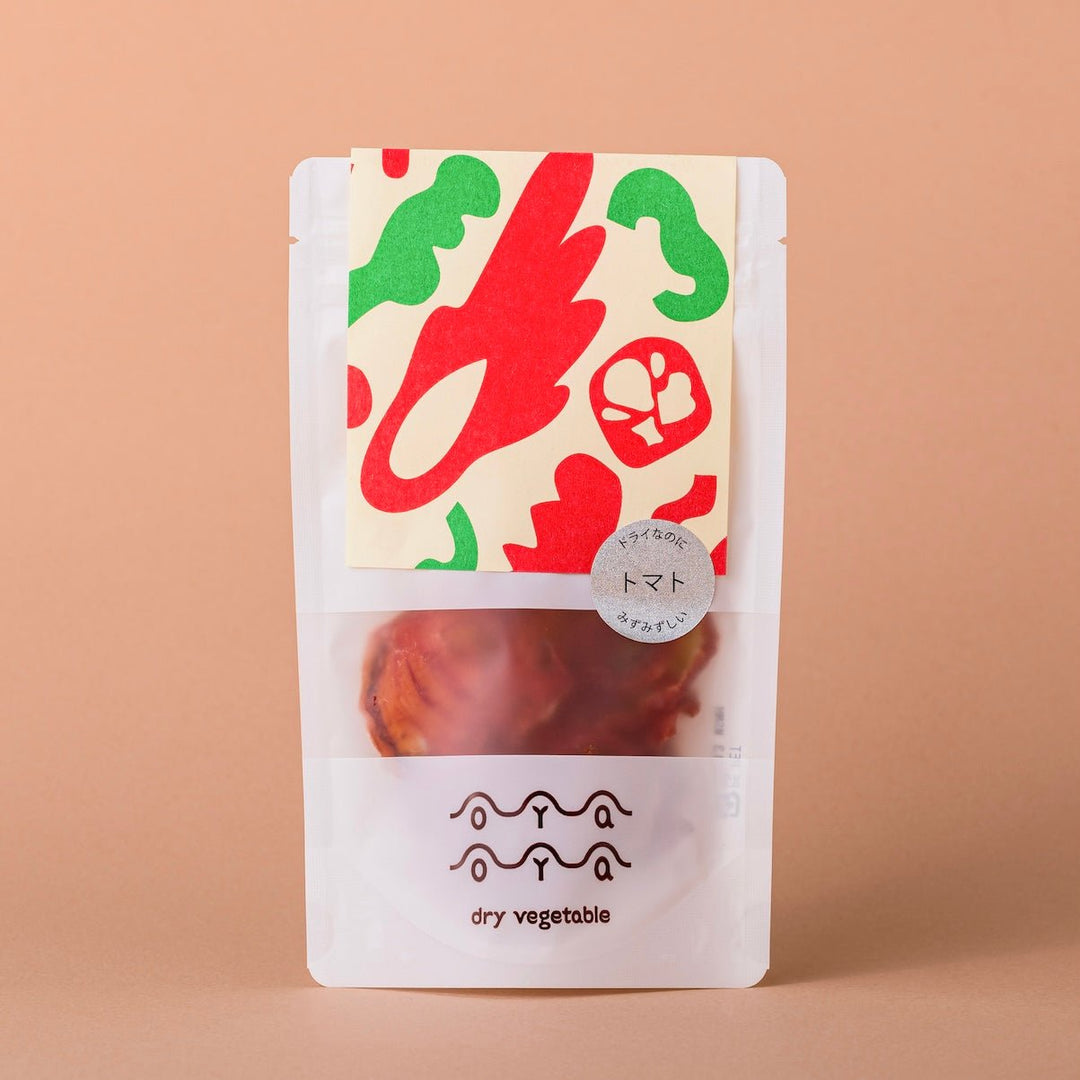
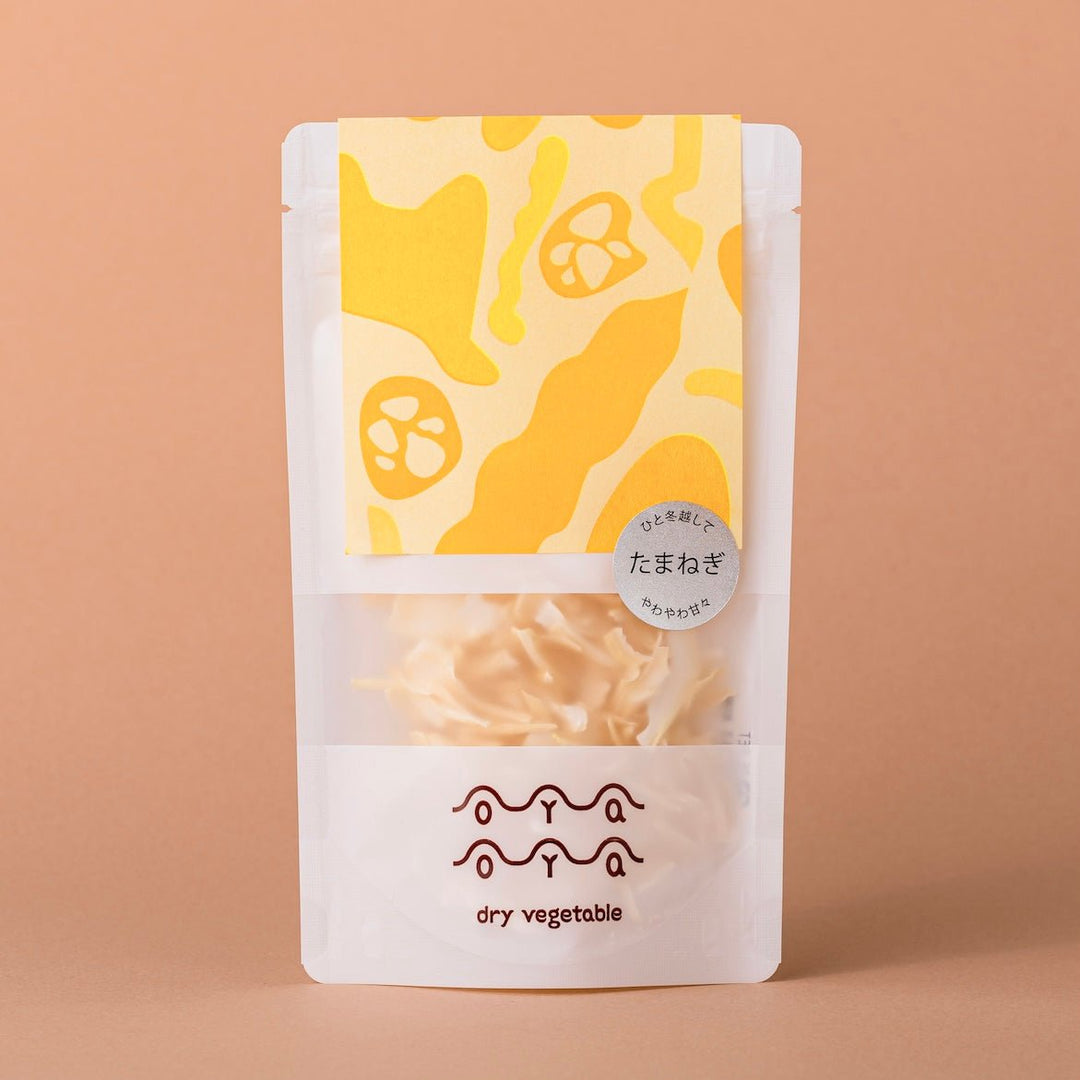
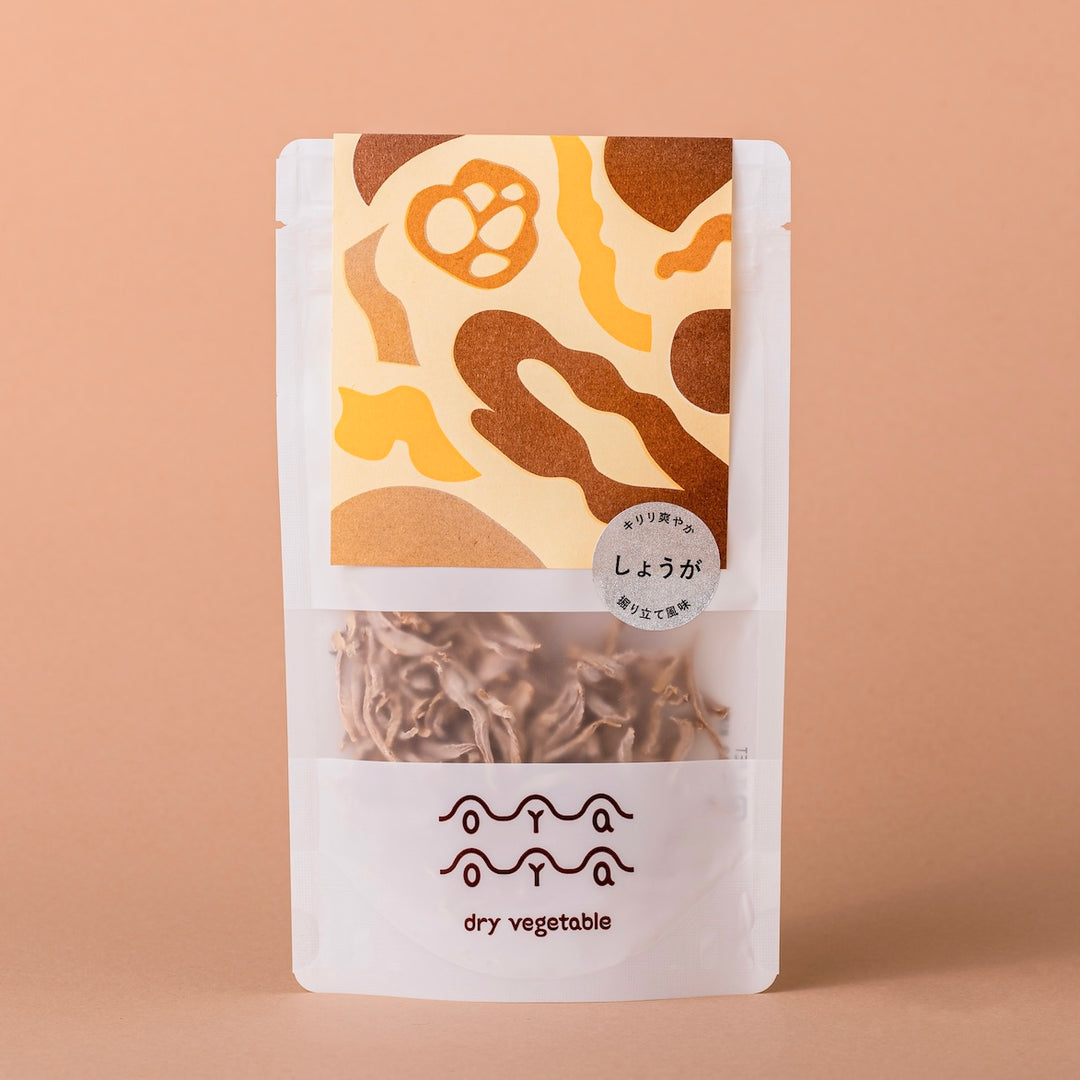
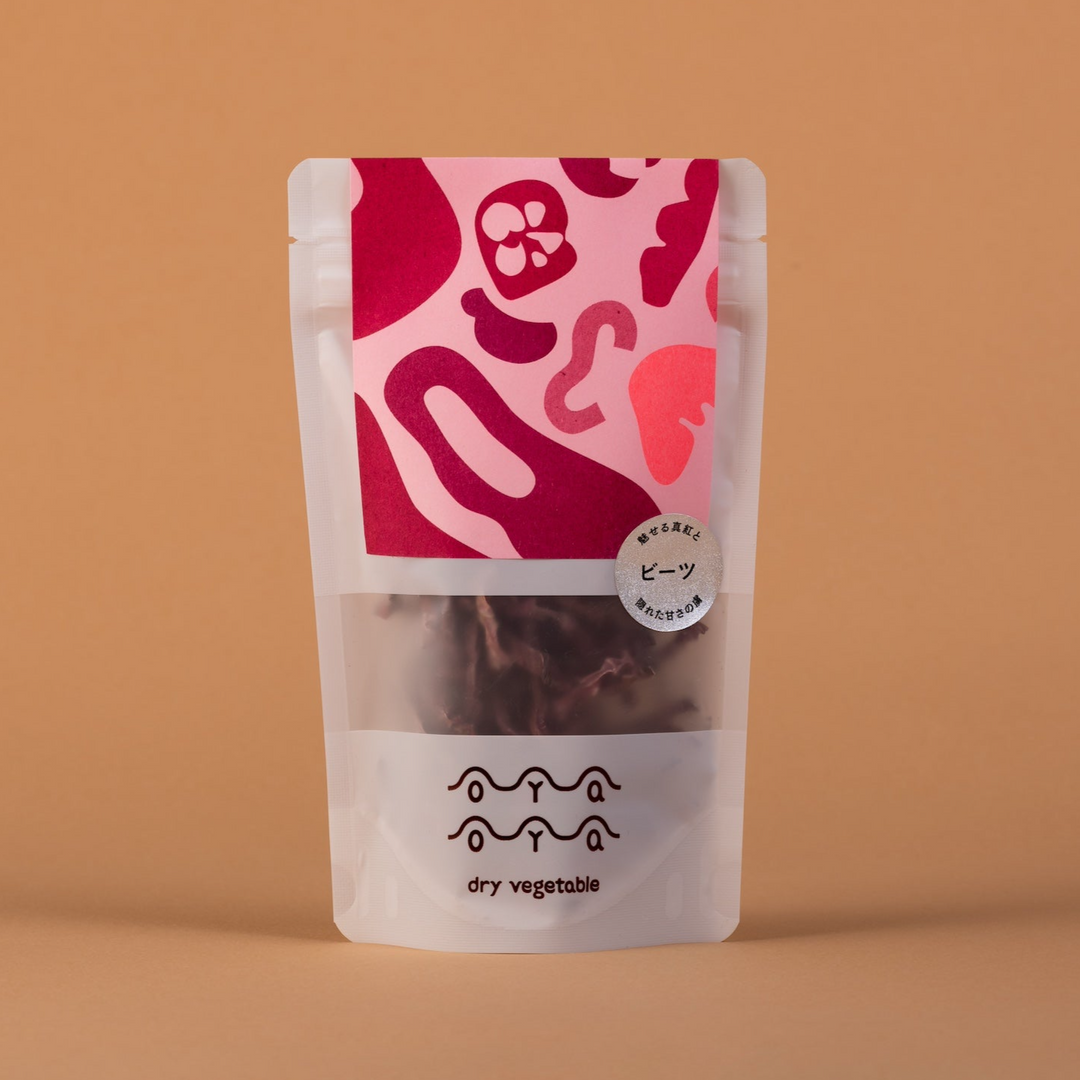
OYAOYA's dried vegetable lineup includes various vegetables such as onions, carrots, pumpkins, chili peppers, tomatoes, and radishes. These dried vegetables are popular as indispensable ingredients for the table because they can be stored for a long time and allow you to enjoy the seasonal taste as it is.
Additionally, OYAOYA offers recipes using dried vegetables. Dried vegetables, when rehydrated, regain their freshness and can be used in various dishes. For example, dried tomatoes can be used in pasta, pizza, and salads, while dried onions can be used in soups, stews, and curries. OYAOYA's dried vegetables are excellent ingredients that can be enjoyed deliciously without losing their taste or flavor, adding color to your dining table.
Dried Vegetables Also Contribute to Food Waste Reduction
Dried vegetables have been utilized in many cultures since ancient times and, due to their preservability and long shelf life, have become an important food source that also contributes to the reduction of food loss. Furthermore, OYAOYA's dried vegetables can be stored for a long time without compromising their flavor and nutritional value, thus reducing food waste. OYAOYA's dried vegetables are made using traditional drying methods, leveraging the climate and traditions of Kyoto, allowing you to enjoy the taste of seasonal vegetables as they are.
Dried vegetables, being long-lasting and allowing the enjoyment of seasonal flavors and nutritional value as they are, will likely continue to be a focus in the future. It is important to introduce their appeal to many people through dishes made with OYAOYA's dried vegetables and contribute to the development of dried vegetable culture.
Related Articles
Related Products
Learn More About Dried Vegetables
- What are Dried Onions? Dried Onions with Enhanced Sweetness
- 5 Easy Steps to Making Dried Vegetables
- How to Rehydrate Dried Vegetables | Flavor Returns in 10 Minutes
- How to Store Dried Vegetables and Their Shelf Life
- Miso Soup Transformed with Dried Vegetables! The Ultimate Ingredient with Concentrated Umami
そのほかの乾燥野菜ブログ
View all