

Exquisite Pasta with Dried Vegetables! Easy Arrangement Ideas and Perfect Pairings
When boiling pasta, have you ever looked into your refrigerator's vegetable drawer and wondered, "What else should I add?"
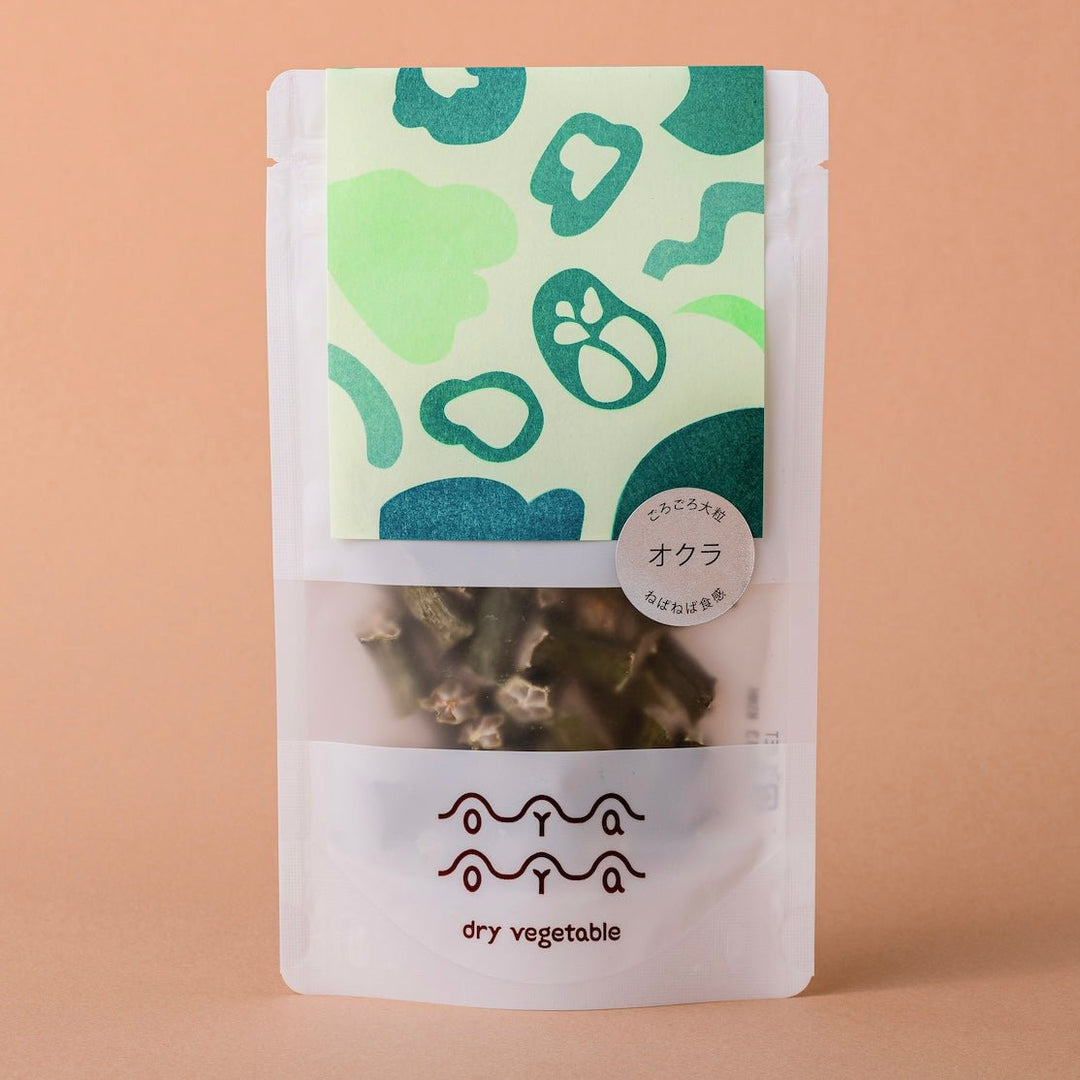
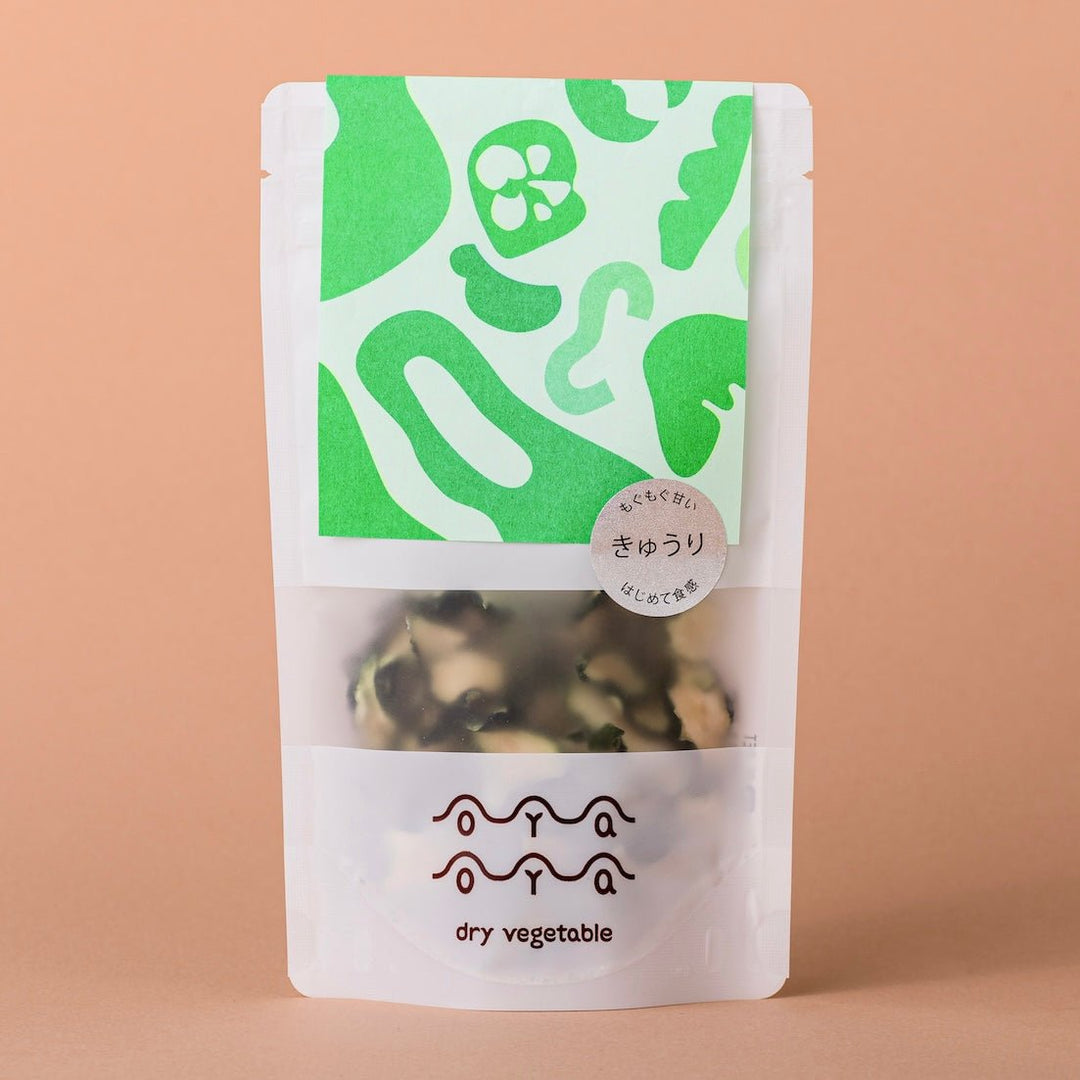
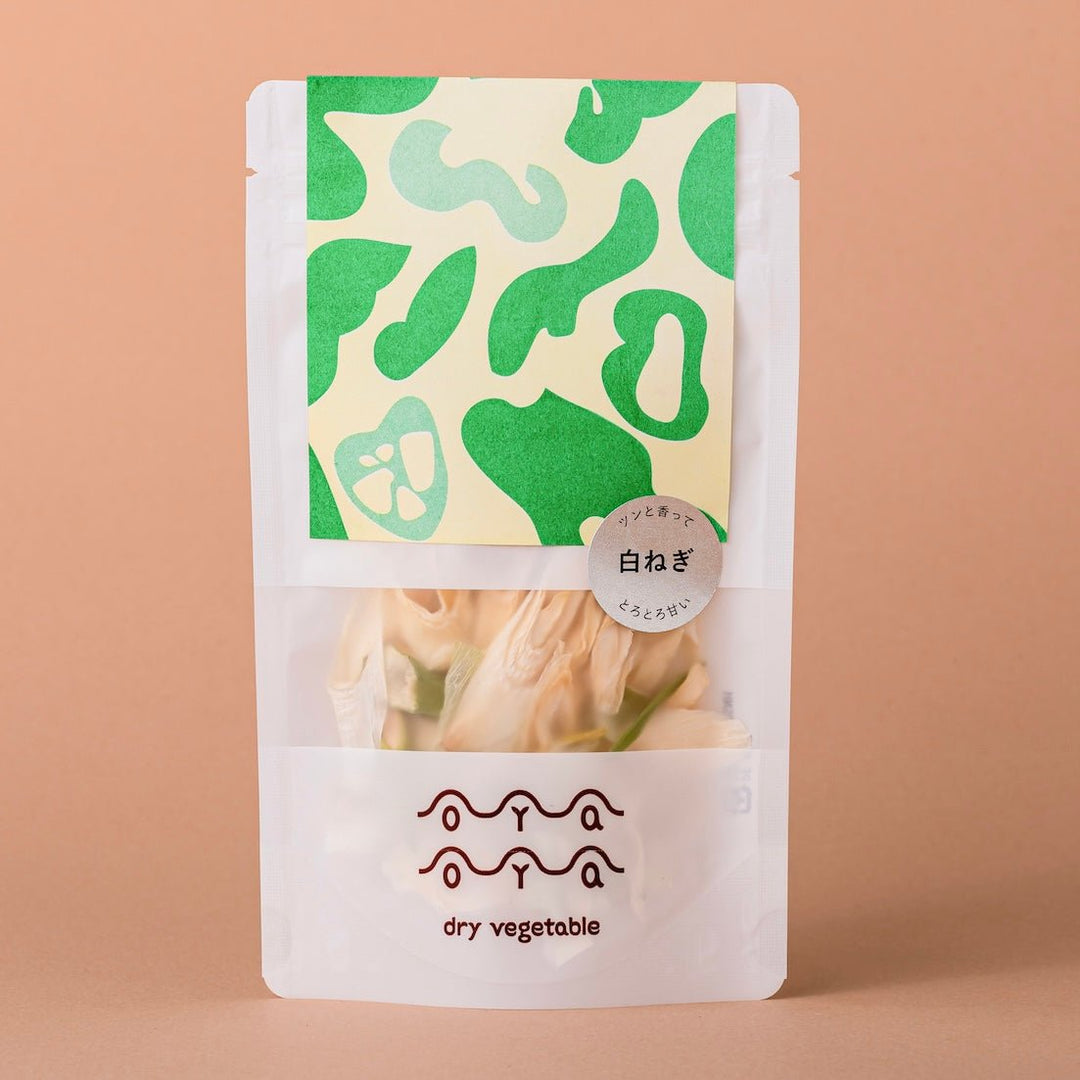
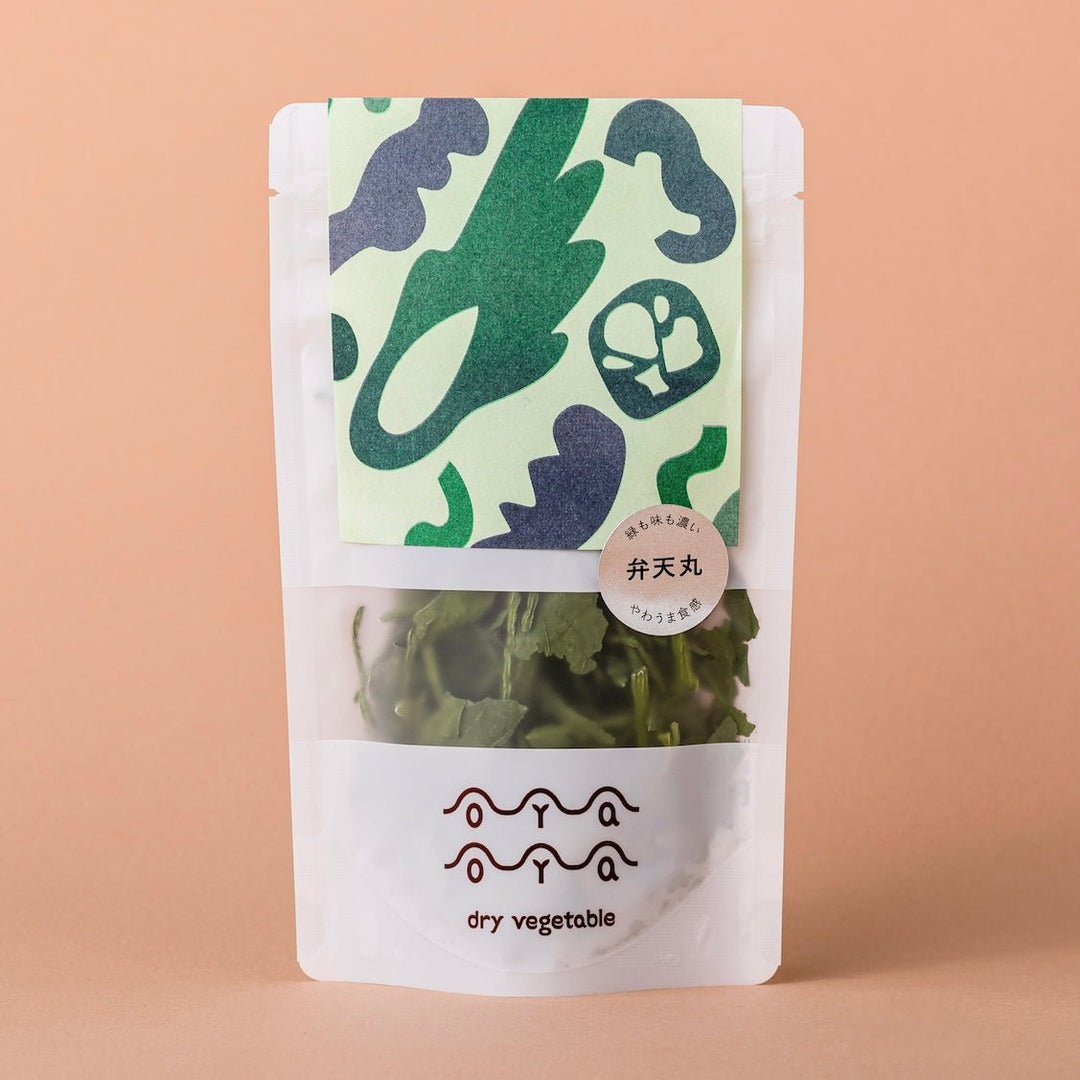
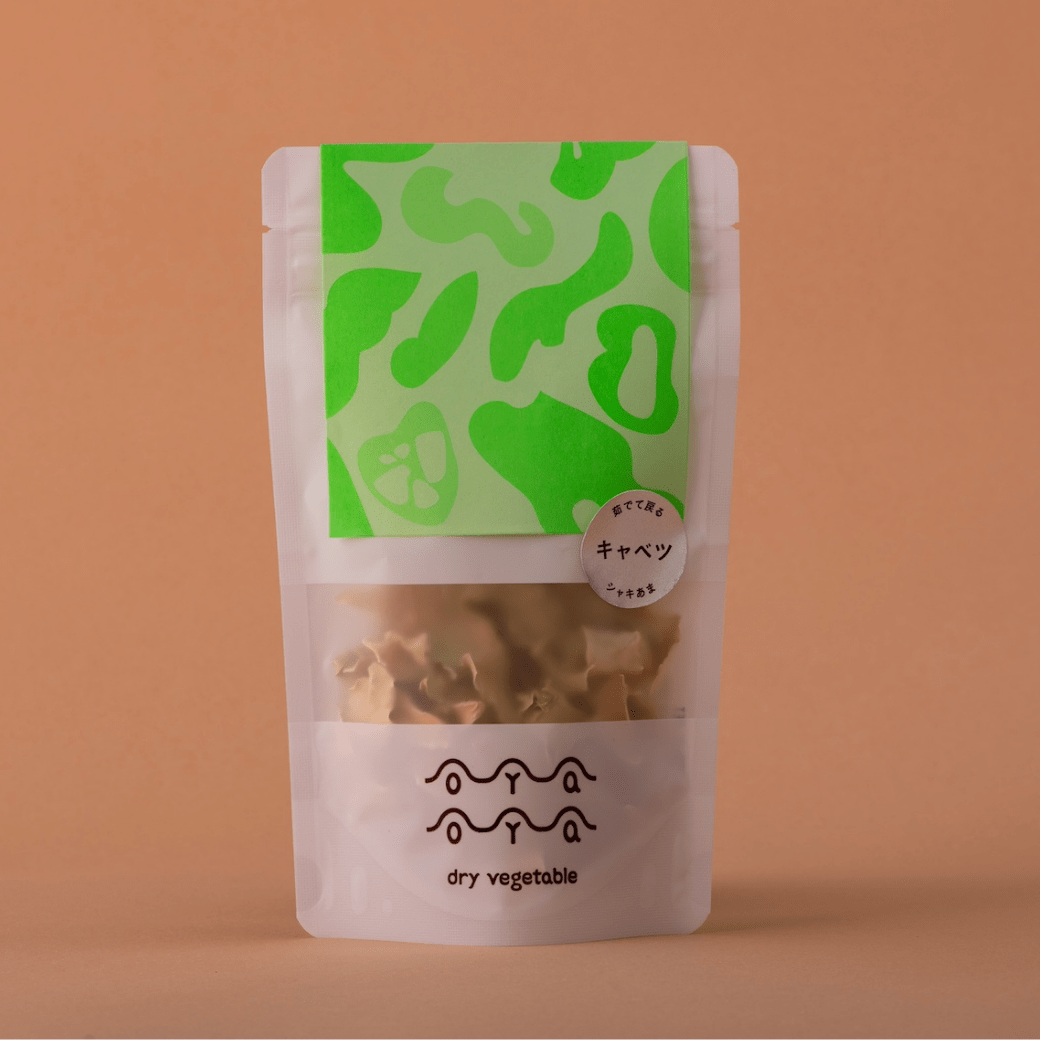
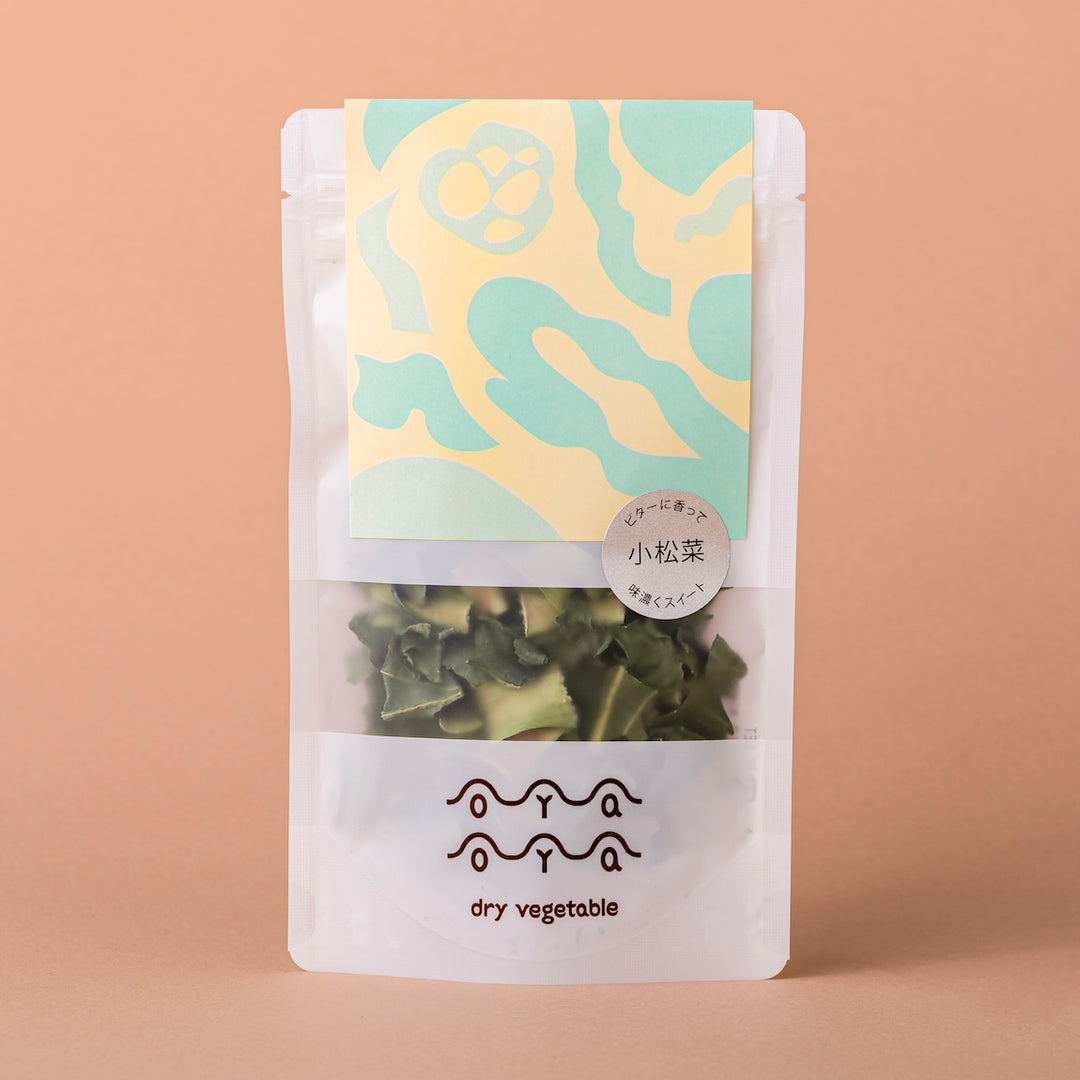
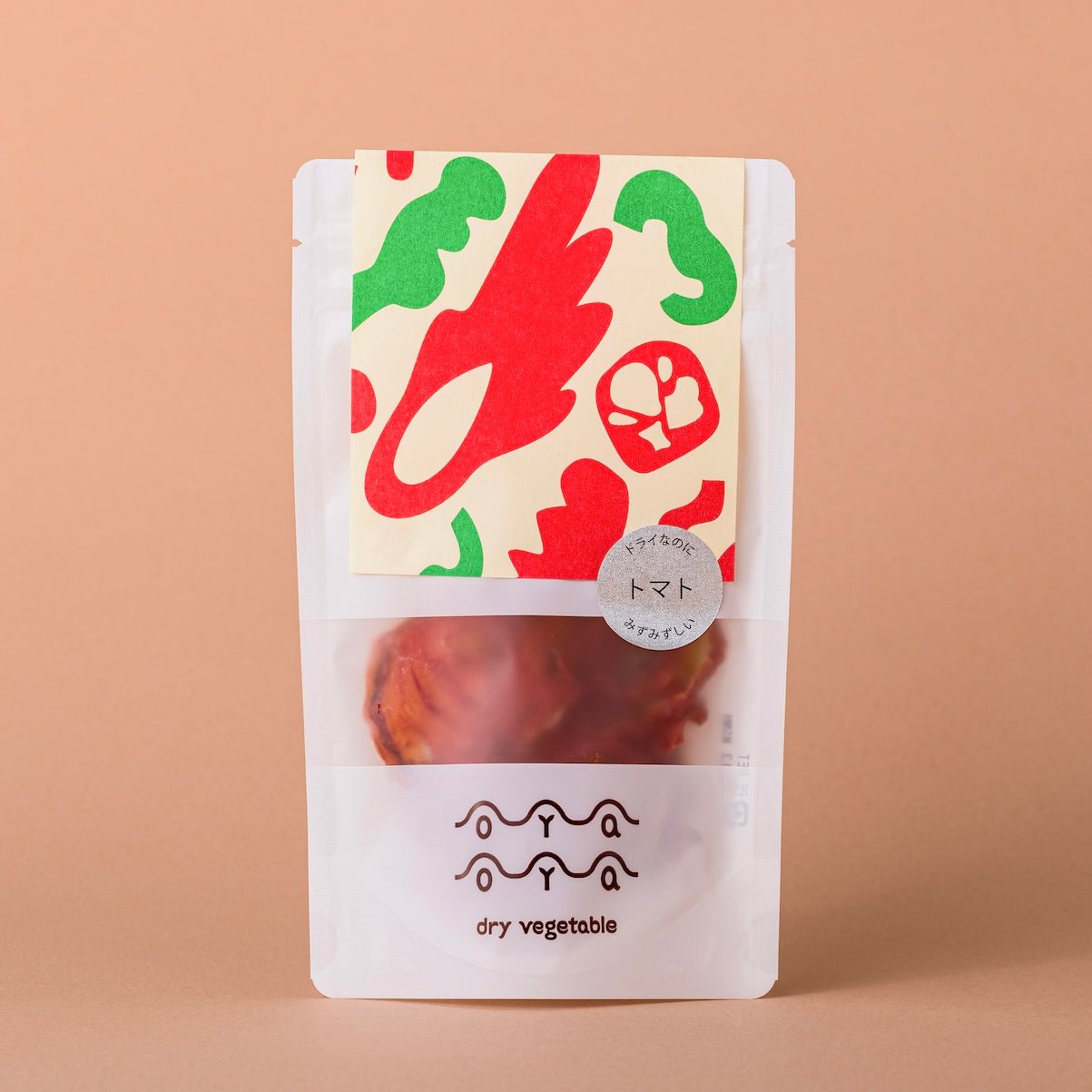
In such cases, dried vegetables are your reliable ally. When the moisture is removed, the umami is concentrated, and these dried vegetables add a rich flavor just by stir-frying. Moreover, they have a long shelf life, so stocking them up prevents food waste and is economical. In fact, dried vegetables are a "block of umami."
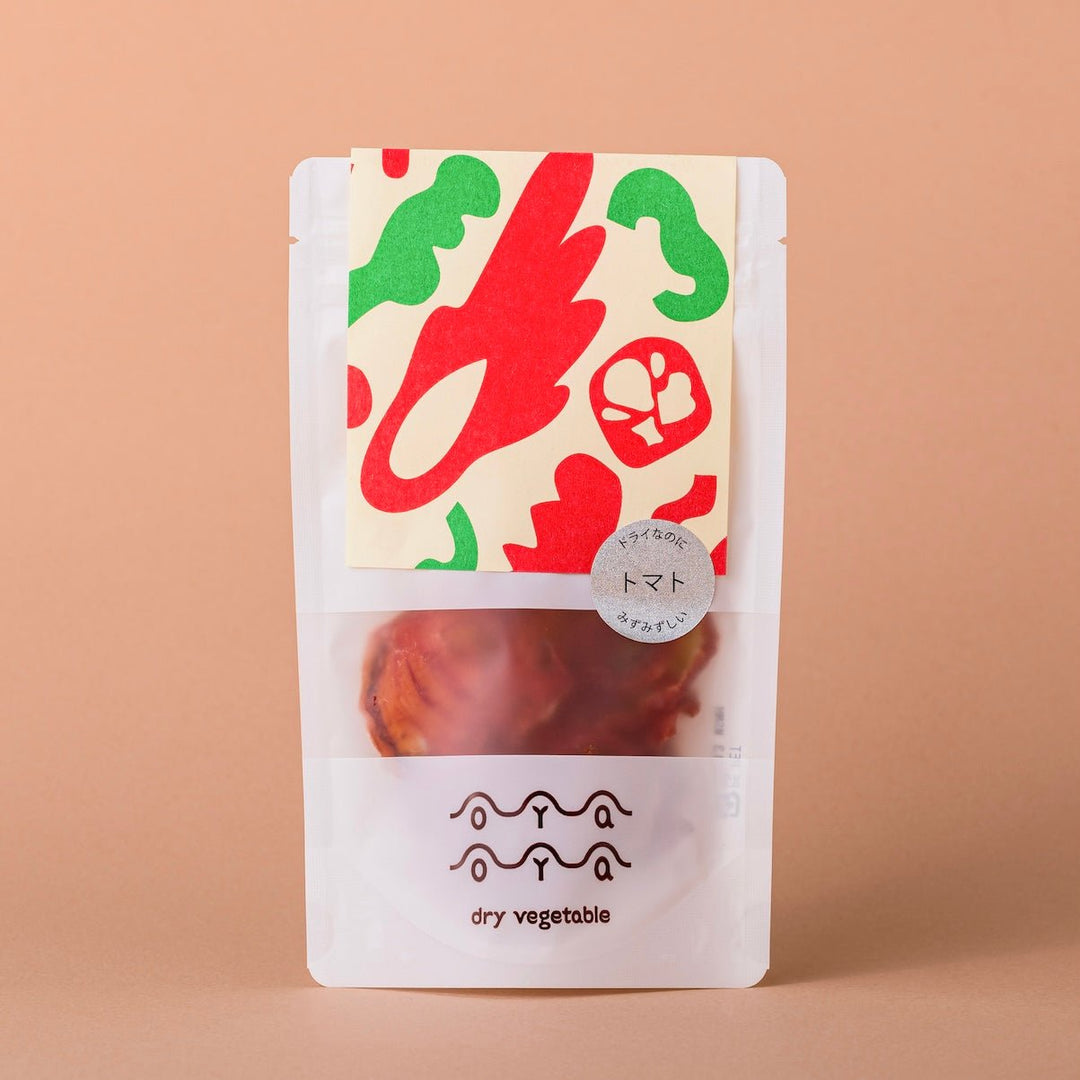
They pair especially well with pasta. Tomatoes, onions, shiitake mushrooms, etc., when dried, develop a richness like that of high-end ingredients.
In this article, we will introduce the basic way to make "dried vegetable pasta" that utilizes the charm of dried vegetables, along with easy yet authentic arrangement recipes. Make vegetables more delicious and waste-free. Why not start enjoying pasta in a new way, starting today?
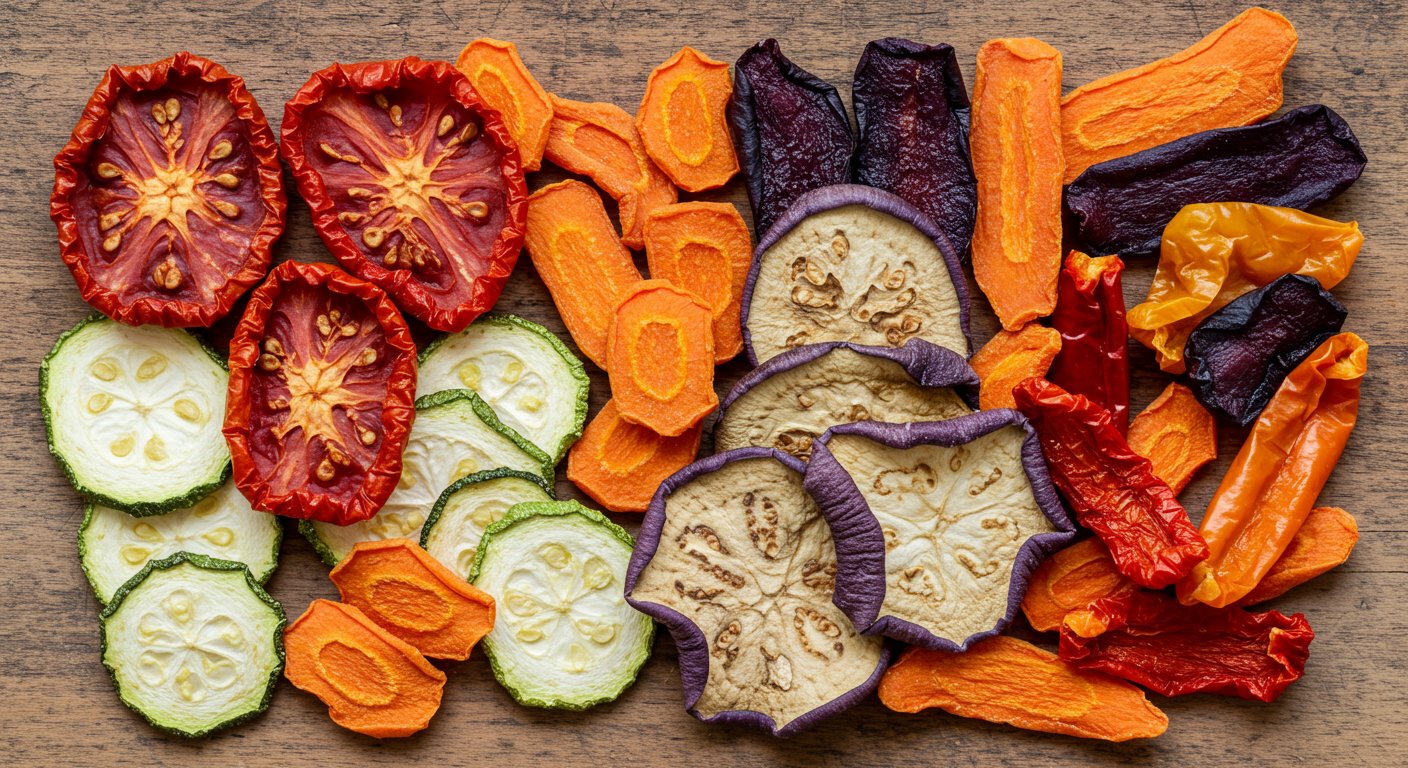
Basic Recipe for Dried Vegetable Pasta! 3 Easy Steps for Anyone
Making dried vegetable pasta is much simpler than you think! Once you master the basic recipe, you can arrange it however you like.
First, let's talk about rehydrating dried vegetables. Rehydrating them in water is common, but my top recommendation is "steam rehydration." By steaming them using a steamer or colander, they don't become watery, and the vegetable flavor remains firm. If you're short on time, rehydrating them directly in the pasta boiling water is also an easy and good option.
【Step 1】Rehydrate the dried vegetables
Rehydration times vary depending on the type of dried vegetable, but generally, you can rehydrate them using the following methods:
-
Water rehydration: Place dried vegetables in a bowl, add just enough water to cover, and soak for 30 minutes.
-
Steam rehydration: Steam in a steamer for 5 to 15 minutes.
-
Boil rehydration: Rehydrate by placing directly into the water used to boil pasta (suitable for finely chopped dried vegetables).
Products like sun-dried tomatoes in oil that are already marinated don't need rehydration and can be used as is. It's recommended to add them at the end to maximize their rich flavor.
【Step 2】Boil the pasta
The trick is to boil the pasta for 1 minute less than the package directions. It will reach the perfect firmness when tossed with the sauce. Always reserve a little of the pasta water. It will be very useful later for thinning the sauce.
【Step 3】Combine with ingredients
Heat olive oil and garlic in a frying pan, add the rehydrated dried vegetables, and stir-fry. Season with salt and pepper, then add the cooked pasta and toss quickly. If necessary, add a little pasta water to make the sauce smoother.
As a tip, for strongly aromatic dried vegetables like garlic or onions, stir-frying them with olive oil is also recommended to bring out their aroma.
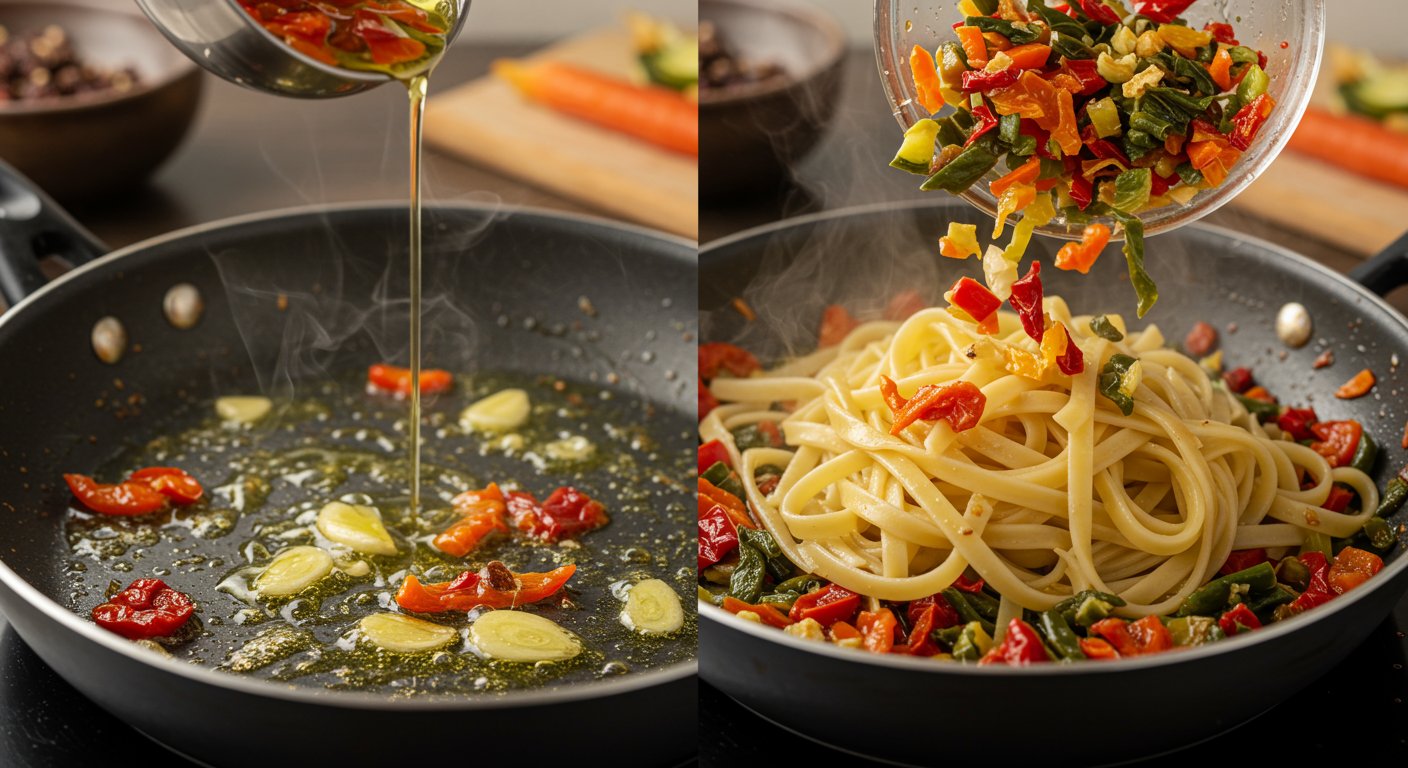
3 Exquisite Dried Vegetable Pasta Arrangements!
Easy yet authentic flavors
Once you've mastered the basic recipe, let's enjoy some arrangements! Here, I'll introduce combinations that I've tried and found to be excellent. All of them are appealing for their simplicity, made with just 3-5 ingredients.
①Fushimi Chili Pepper Aromatic Pasta (A new classic combining Japanese and Italian)

A simple Japanese-style pasta featuring the subtle spice of Fushimi chili peppers and fragrant garlic oil. A dash of soy sauce as a secret ingredient further enhances the vegetable's flavor. The surprisingly crisp texture, despite being dried vegetables, is also a charm.
See recipe: https://oyaoya-kyoto.com/blogs/recipe/fushimi
②Salmon Flake Cream Pasta (Mild Flavor)

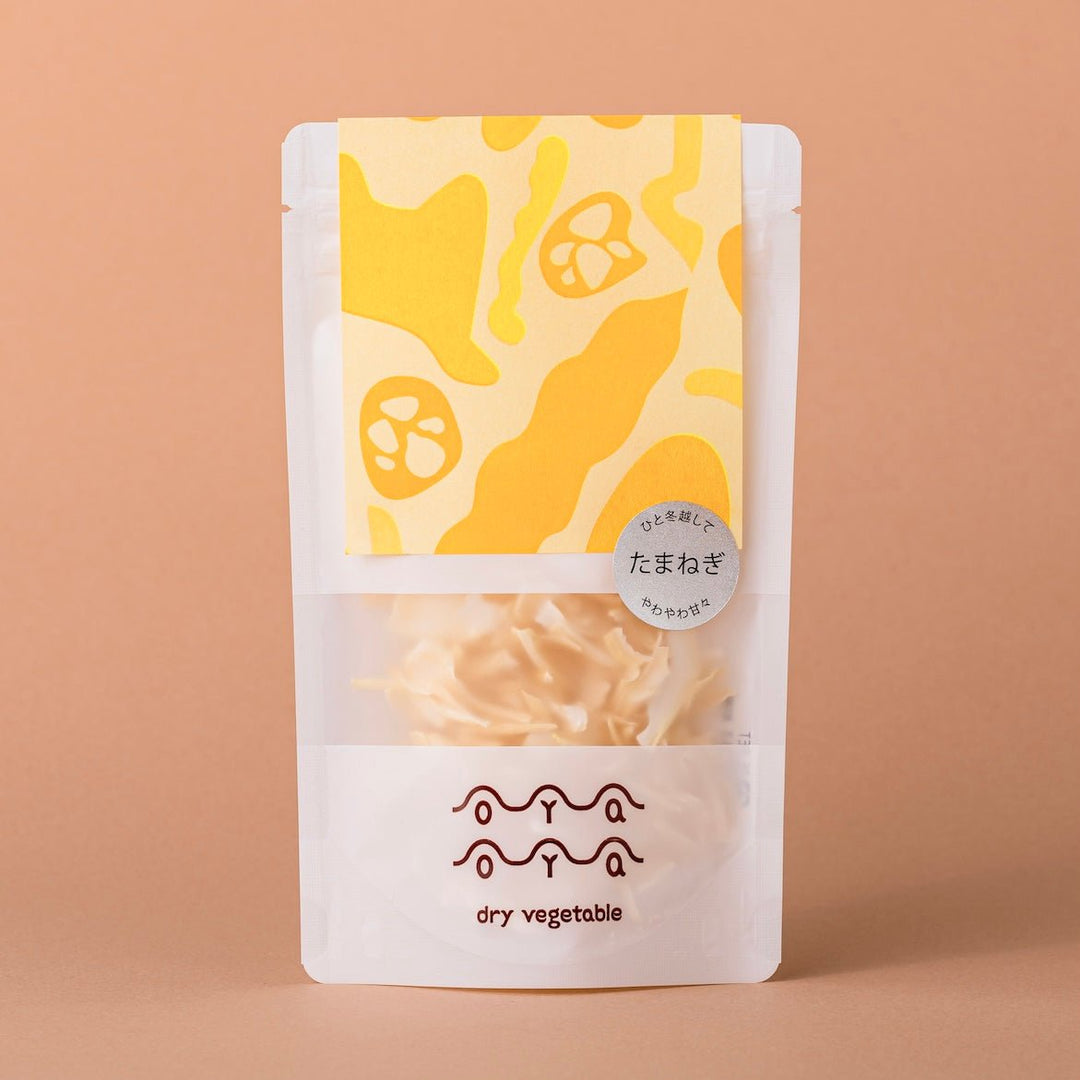
Just boil pasta directly in hot water with dried onions and Manganji peppers, then right before it's done, add salmon flakes, milk, butter, grated cheese, and olive oil, mix, and it's complete. It's an easy yet creamy and rich dish, perfect for a work-from-home lunch.
▶ See recipe: https://oyaoya-kyoto.com/blogs/recipe/cream-pasta
③ Seafood and Winter Vegetable Cream Pasta (A mellow and vibrant winter dish)

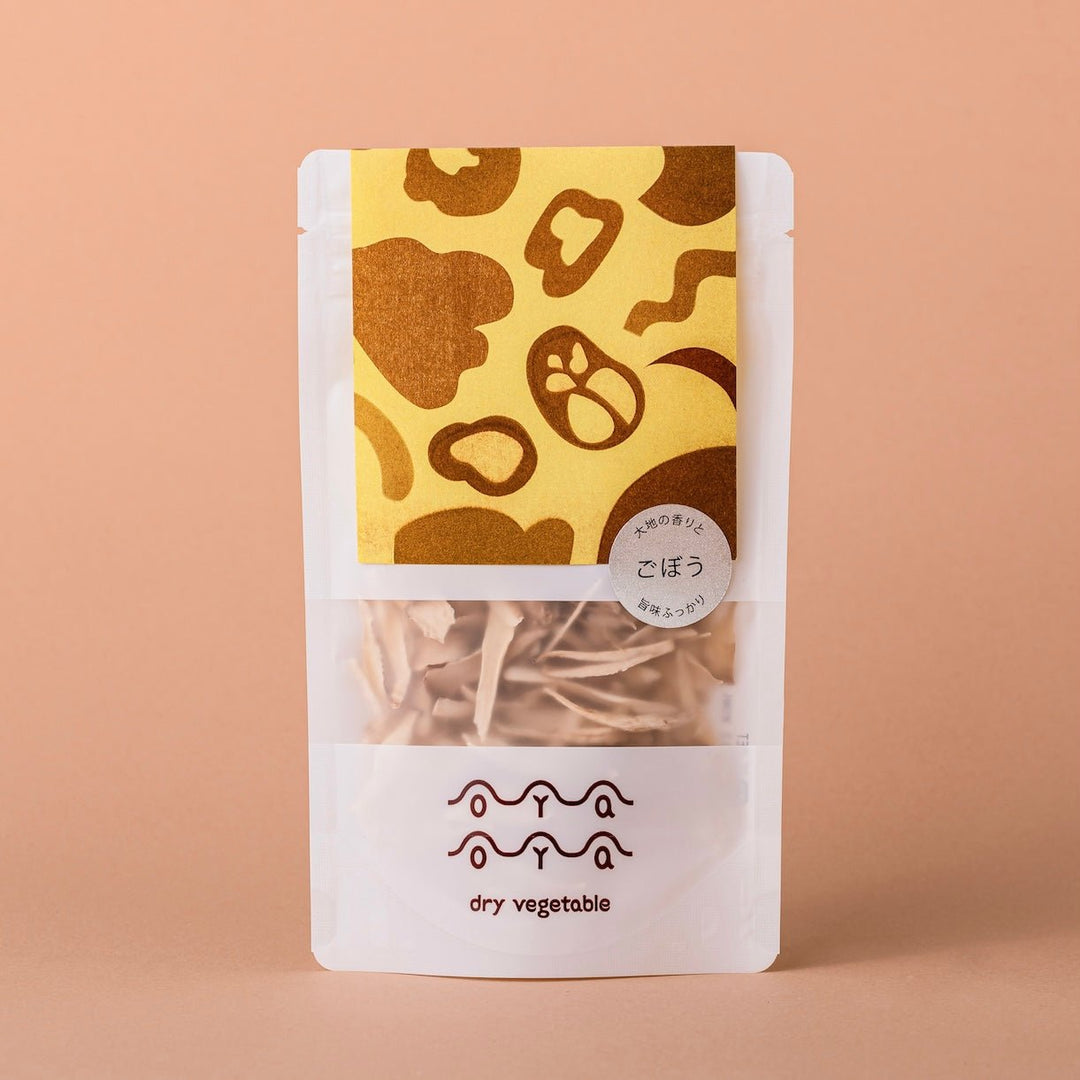
This cream pasta features three types of winter vegetables—dried Shogoin daikon radish, burdock root, and winter melon—blending with the umami of seafood mix. Seafood is flavored with olive oil and garlic, then simmered with white wine, fresh cream, and consommé to bring out the concentrated sweetness and savory aroma of the dried vegetables. Adding rice noodles at the end creates a rich and gentle flavor perfect for winter.
▶ See recipe: https://oyaoya-kyoto.com/blogs/recipe/seafood-pasta
Excellent Pairings for Dried Vegetable Pasta!
Here are some recommended combinations to make your dried vegetable pasta even more delicious. With a little ingenuity, your usual pasta will become significantly tastier!
Excellent Seasonings
When it comes to seasonings that enhance the umami of dried vegetables, olive oil is definitely number one! Extra virgin olive oil, in particular, with its rich flavor, further enhances the taste of dried vegetables.
Also, balsamic vinegar pairs wonderfully with dried vegetables. Especially with dried tomatoes, the balance of acidity and sweetness is exquisite, adding depth to the pasta.
If you want to enjoy a Japanese-style flavor, a combination of mentsuyu (noodle soup base) and dried shiitake mushrooms is recommended. The rich umami of shiitake and the flavor of mentsuyu match perfectly.
Aromatic Herbs and Spices
To further enhance the flavor of dried vegetable pasta, let's use the power of herbs and spices!
-
Basil: Excellent with dried tomatoes
-
Thyme: Pairs well with dried eggplant and dried zucchini
-
Rosemary: Enhances the aroma of dried shiitake mushrooms
-
Black pepper: Adds flavor to cream-based sauces
-
Chili pepper: Essential for Neapolitan-style dishes
By skillfully using these, you can enjoy completely different flavors even with the same dried vegetable pasta.
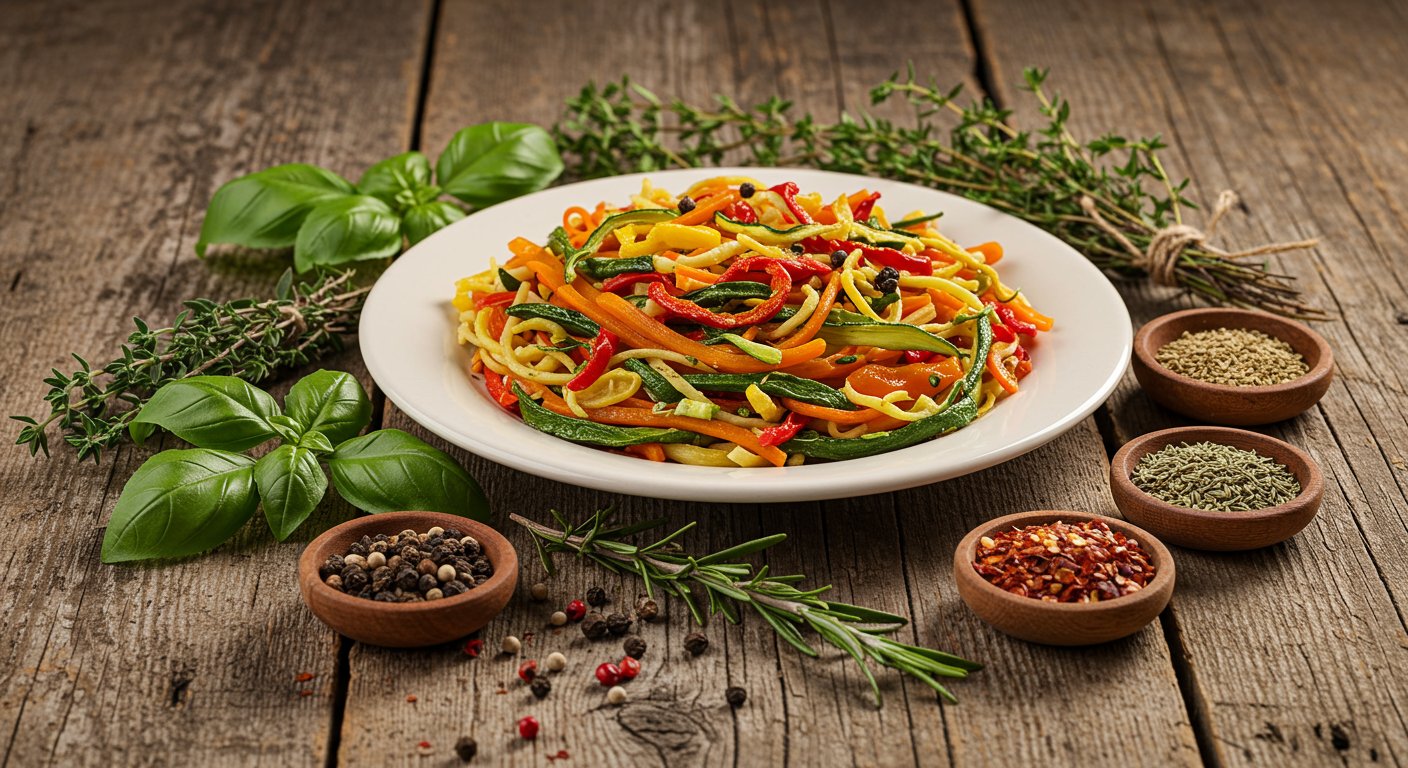
Choosing Cheese for Finishing
When it comes to pasta, cheese is key! For dried vegetable pasta, choosing the right cheese for finishing is also important.
Parmesan cheese is versatile and goes well with any dried vegetable pasta. Especially with dried tomato-based pasta, its saltiness and umami are an exquisite match.
For cream-based sauces, mascarpone or ricotta cheese is recommended. Their mellow flavor gently envelops the richness of the dried vegetables.
Surprisingly, cheese also pairs well with Japanese-style pasta! Pecorino Romano, in particular, has a strong saltiness and goes perfectly with Japanese dashi broth. Give it a try!
3 Tips for Enjoying Dried Vegetable Pasta
Finally, here are some tips to make your dried vegetable pasta even more delicious. A little effort can elevate it to a truly authentic taste!
Tip ①: Make use of pasta boiling water
Pasta boiling water contains starch that has dissolved from the pasta. This starchy liquid helps the sauce cling to the pasta.
Always reserve 1-2 tablespoons of pasta water when boiling, and add it gradually at the final stage when tossing with the sauce. This will make the sauce smoother and ensure it coats the pasta well.
Tip ②: Don't discard the rehydrating liquid from dried vegetables
If you rehydrate dried vegetables in water, the liquid will be rich in vegetable umami. Adding this rehydrating liquid to your pasta sauce will enhance the flavor even further.
The rehydrating liquid from dried shiitake mushrooms, in particular, is said to be "golden dashi" (broth) due to its abundant umami. Be sure to use it when making Japanese-style pasta.
Tip ③: Don't skimp on the finishing touches
A little extra effort at the end can significantly improve the taste of your pasta.
For example, drizzling a small amount of fragrant extra virgin olive oil, sprinkling freshly ground black pepper, or scattering chopped fresh herbs at the end. These "finishing touches" can elevate home cooking to a restaurant-quality dish.
Summary: Bring Smiles to Your Table with Dried Vegetable Pasta
Dried vegetable pasta is a menu item that allows you to enjoy delicious food while minimizing waste—truly hitting two birds with one stone. Leftover vegetables in the fridge, or those oddly shaped ones that might otherwise be discarded, can be dried to extend their shelf life and enhance their flavor, transforming them into a splendid dish when combined with pasta.
By all means, use the arrangement recipes introduced in this article as a reference to find your own "dried vegetable pasta." It's sure to bring new smiles to your dining table.
Related Products
Learn More About Dried Vegetables
そのほかの乾燥野菜ブログ
View all