

Can You Make Dried Vegetables in the Oven? A Simple Explanation of the Difference from Sun-Drying
Several weeks into reading my sister's serialized articles on "dried vegetables," I encountered a problem.
"Oh, it's raining again."
Unstable weather conditions continued, and there were many days when the sun wouldn't show its face. I had been eagerly awaiting my days off, determined to make delicious dried vegetables on my apartment's small balcony.
"Dried vegetables, generously bathed in sunlight, have an exceptional taste. I truly want everyone to experience the concentrated umami and sweetness of dried vegetables."
Reading my sister's words, I had become completely hooked on making dried vegetables.
"Hey, it's been raining here constantly. I was so looking forward to making dried vegetables after reading your article."
"Oh, why don't you try a different method of making them?"
My sister said to me over the phone in a playful voice.
"Your oven. Didn't you buy an oven before because you got into baking? You can make them with that too."
That's right. Last year, I became obsessed with healthy sweets I saw on social media and bought an oven. Now, it serves as a beautiful ornament in my kitchen, awaiting its moment to shine.
"I see! I'll try it."
I immediately set about making dried vegetables, reading the section on "Easy Dried Vegetables Made in the Oven" from my sister's article titled "Extra Edition."
"Oh, wow, it really is easy to make!"
First, I placed vegetables cut into easy-to-eat pieces on a baking sheet lined with parchment paper. The process was to set the oven to a low temperature of about 100 degrees Celsius without preheating, and heat them while carefully observing their progress. Vegetables with high water content, like tomatoes, should be given about an hour. I watched the vegetables slowly cook, enjoying my time at home while waiting for them to finish. It felt as if a small space had opened up in my life, and I felt a sense of luxury.
I was surprised when I ate the finished dried vegetables. The moisture had been thoroughly removed, and the natural sweetness of the vegetables spread through my mouth.
"I can make such authentic dried vegetables in the oven, too!"
I brewed some tea and enjoyed a luxurious tea time before dinner.
"Next time, I'll definitely make them on the balcony, exposed to the sun!"
Renewing my resolve to make sun-dried vegetables, I put all the oven-dried vegetables I had made into glass jars. Just looking at the jars filled with colorful vegetables seemed to brighten my mood.
Episode 5: Easy and Vibrant Dried Vegetables in the Microwave! How to Make and Enjoy Them

How do oven-dried and sun-dried vegetables differ?
The taste and finish of dried vegetables vary depending on the drying method. Broadly, there are two methods: "sun-drying" and "oven-drying," each with distinct characteristics.
Characteristics of Sun-Drying
-
Slowly removes moisture using sunlight and wind.
-
Sweetness and umami are highly concentrated.
-
Nutritional value tends to increase (e.g., vitamin D production).
-
Highly dependent on weather and humidity.
The best season is dry, sunny days from autumn to winter. The appeal lies in the rich flavor and enhanced nutritional value achieved through natural forces.
Characteristics of Oven Drying
-
Can be done year-round, regardless of weather.
-
Easy to control temperature and time.
-
Hygienic finish.
-
Electricity costs and heating may alter the flavor of some vegetables.
By slowly drying at a low temperature (around 90-110°C), you can easily enjoy dried vegetables at home. This method is recommended for rainy days or during winter.
Comparison Chart: Oven vs. Sun-Drying
| Item | Sun-Drying | Oven Drying |
|---|---|---|
| Flavor | Strongly concentrated sweetness and umami | Natural sweetness emerges, but heating flavor also present |
| Nutrition | Expectation of vitamin D production | Nutrients remain, but some may be lost due to heating |
| Workability | Affected by weather | Can be made regardless of weather |
| Time required | Half a day to 2 days | 1 to 3 hours |
| Preservation | Suitable for long-term storage if moisture is thoroughly removed | Easy to adjust drying level, also suitable for storage |
| Cost | Free with sunlight | Electricity cost incurred |
| Suitable Vegetables | Radish, carrots, eggplant, leafy greens | Tomatoes, pumpkin, mushrooms |
Which to choose? Tips for proper use
-
If you want to enjoy natural flavor and umami → Sun-drying
-
If you want to make it easily and reliably, even on busy or rainy days → Oven drying
While sun-drying is a traditional method that yields deep flavors, oven-drying is appealing for its ease of use, fitting various lifestyles. Knowing both methods allows you to enjoy dried vegetables according to the season and your daily routine.
Uses for Dried Vegetables
-
Sun-dried daikon → In stews or takikomi gohan (mixed rice)
-
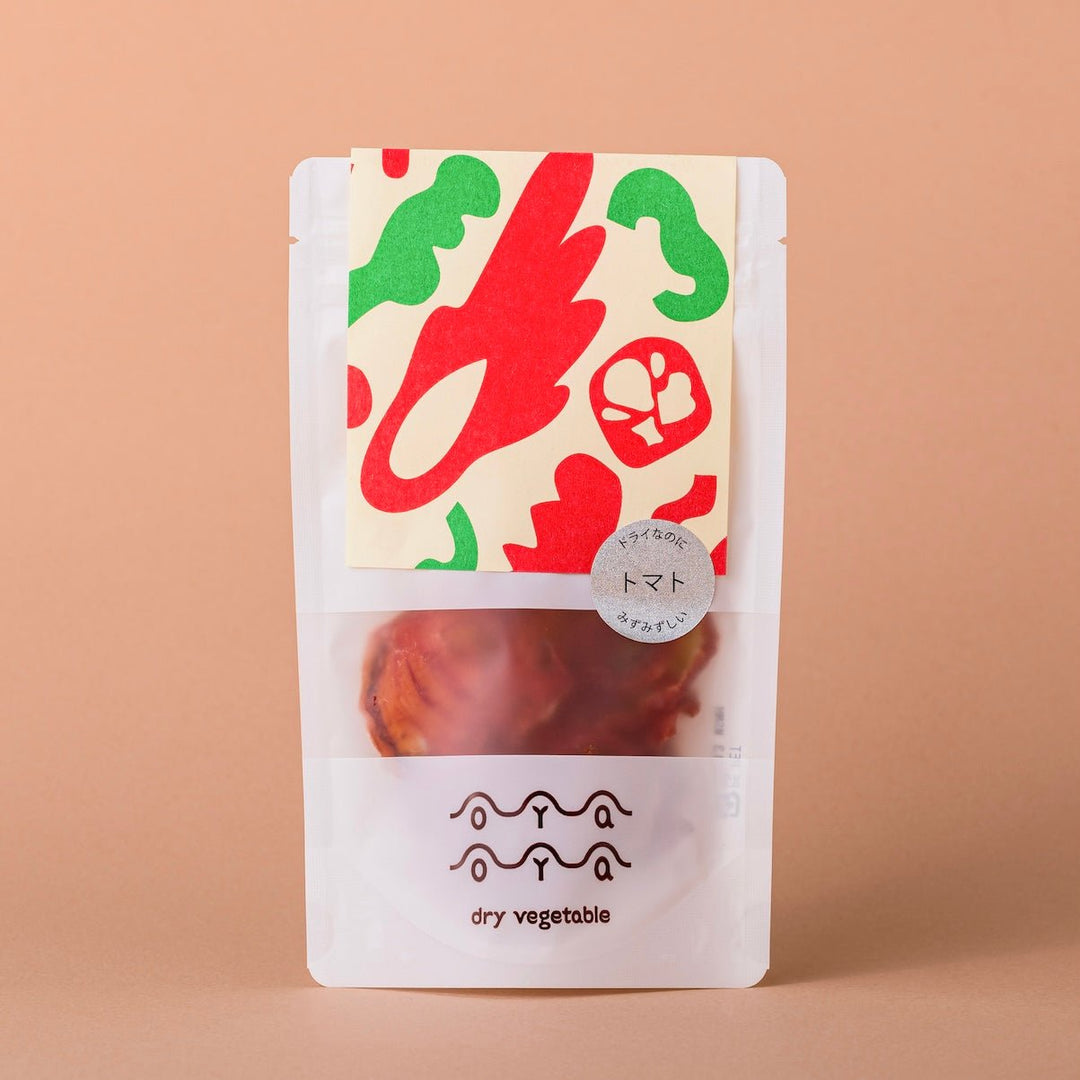
Oven-dried tomatoes → As toppings for pasta or pizza
-
Dried mushrooms → As a dashi substitute in soup
-
Dried eggplant/dried pumpkin → Deep-fried and used in aemono (dressed dishes)
Dried vegetables "condense umami" and "reduce cooking time," making everyday dishes much more delicious and contributing to time-saving.
Summary: Understand the differences between oven and sun-drying to use them wisely.
Dried vegetables are versatile preserved foods that can be incorporated into any household with a little ingenuity. Sun-drying is a traditional method that harnesses the power of the sun and wind, concentrating the sweetness and umami of vegetables while also increasing their nutritional value. However, it is susceptible to weather and seasonal changes, requiring specific conditions for consistent results.
Oven drying offers the significant advantage of being able to be done year-round by adjusting time and temperature. It can be started immediately even on rainy days or in winter, making it a suitable method for modern busy lifestyles. However, electricity costs and changes in flavor due to heating are factors, so it is recommended to use different methods depending on the vegetable.
In short, it's good to remember "sun-drying when you want to draw out deep umami" and "oven drying when you want to finish easily and reliably." With either method, everyday vegetables will transform into surprisingly delicious ingredients, greatly expanding your culinary repertoire.
Making dried vegetables at home not only improves their preservation but also contributes to upcycling by utilizing "wasteful ingredients." Incorporating them into your life is sure to add a small richness and color to your dining table. Please enjoy both methods according to the weather and your lifestyle.
Related Products
Learn More About Dried Vegetables
- 5 Easy Steps to Making Dried Vegetables
- How to Rehydrate Dried Vegetables | 10 Minutes to Restore Plumpness and Umami
- How to Store Dried Vegetables and Their Shelf Life
- Dried Vegetables Transform Miso Soup! The Ultimate Ingredient with Concentrated Umami
- 7 Delicious Soup Recipes Made with Dried Vegetables
そのほかの乾燥野菜ブログ
View all