

Amazing Uses for Dried Daikon | Cooking Techniques That Surpass Kiriboshi Daikon
Daikon radishes drying in the winter sun. Many of you can probably recall their unique aroma and flavor. When visiting farms, you might encounter the sight of rows of daikon radishes hanging to dry under the cold winter sky. Dried daikon, cherished in various parts of Japan since ancient times, is a traditional wisdom that combines preservation with concentrated umami.
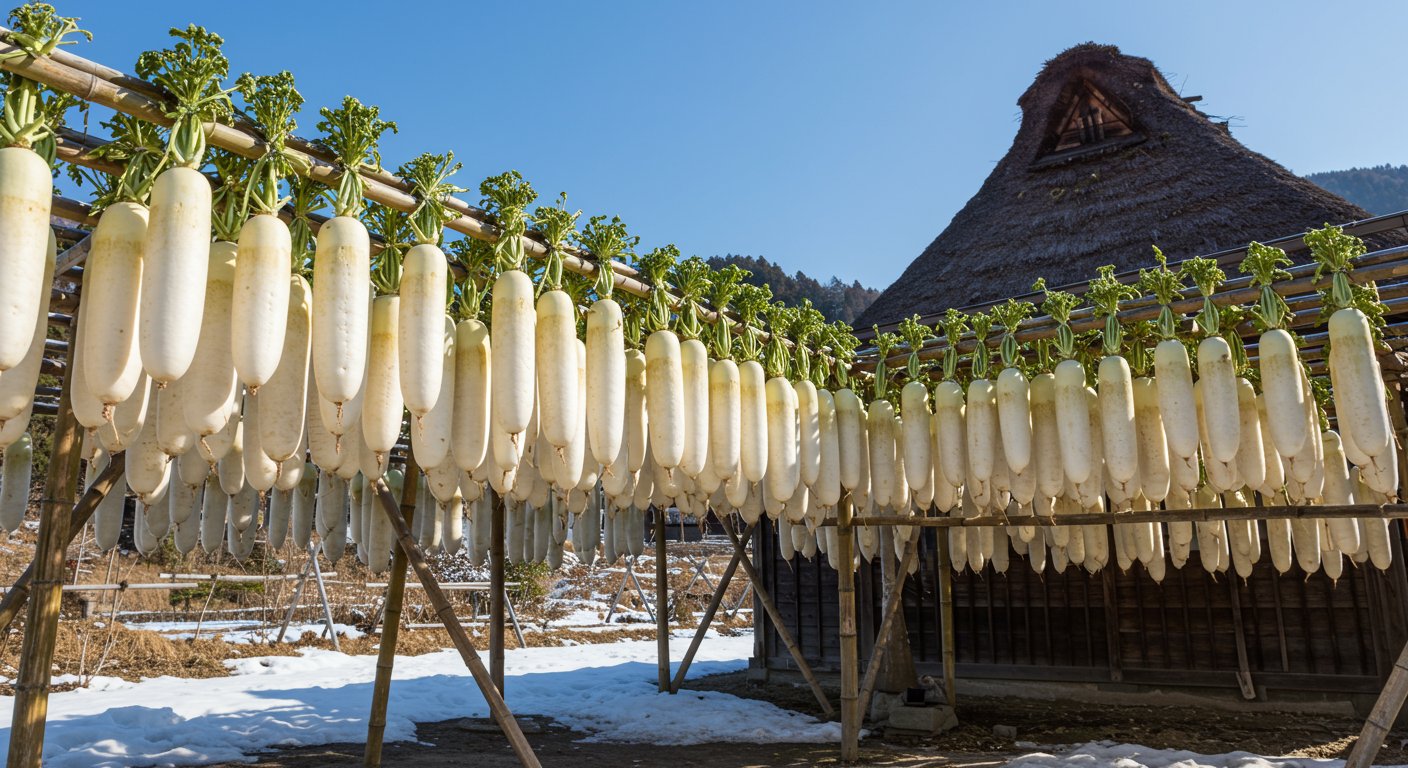
Wariboshi Daikon is surprisingly amazing! Its unknown nutritional value and appeal
Wariboshi daikon is made by splitting daikon radishes lengthwise and drying them, resulting in a thicker cut than kiriboshi daikon. While the surface is somewhat firm, when rehydrated and cooked, it develops a unique crunchy texture, and with every bite, a natural sweetness and condensed umami spread through your mouth. Nutrients such as calcium, iron, and dietary fiber are also concentrated, making it not only an excellent preserved food but also a perfect ingredient for today's health-conscious diet.
Added to stews, it absorbs broth and becomes rich in flavor, while in pickles, you can fully enjoy its crisp texture. Even stir-fried, its savory aroma stands out, and with a little creativity, it transforms into a substantial side dish or snack. Although it has an image as a traditional preserved food, it's actually a versatile ingredient that can be used in various Japanese, Western, and Chinese dishes. It truly is a food filled with Japanese wisdom that transforms "waste" into "deliciousness."

Basic rehydration and preparation tips for Wariboshi Daikon
To cook delicious wariboshi daikon, it's essential to first know the correct rehydration method. When rehydrating with water, the key is not to soak it for too long. Soaking it for an extended period will cause its precious umami and nutrients to leach out.
My usual method is to first quickly rinse it under running water to remove dirt, then soak it in water for 60 minutes, or up to half a day if needed. This is usually enough to rehydrate it. If you're in a hurry, using hot water at around 50°C will make it ready to use in a shorter time.
After rehydrating, thoroughly squeezing out the water from the wariboshi daikon is key for cooking. However, never discard the soaking liquid. It's packed with umami, and adding it to miso soup or other soups will significantly deepen the overall flavor of your dish.
Furthermore, wariboshi daikon can actually be used without rehydrating. Honey daikon, which is useful when you have a sore throat, is one example where the natural sweetness and umami of the daikon can be extracted as is. By pickling dried wariboshi daikon, traditional wisdom continues to thrive in modern times.
Amazing transformation! Delicious recipes using Wariboshi Daikon
Wariboshi daikon is an ingredient that offers a unique crunchy texture and rich umami because it's thicker than kiriboshi daikon. It's a traditional preserved food, but with a little ingenuity, it can be a versatile ingredient for both side dishes and snacks. Here, we introduce delicious recipes using wariboshi daikon.
Honey Dried Daikon Clafoutis

Inspired by "honey daikon" from childhood, this clafoutis is an arranged version using dried Shogoin daikon. The natural sweetness of the daikon and the gentle flavor of honey combine to create a unique dish that can be enjoyed like a dessert. This recipe adds surprise and nostalgia to your dining table.
Click here for the Honey Dried Daikon Clafoutis recipe
Yuzu Daikon

This simple and elegant pickle is made by pickling dried Shogoin daikon in a dashi-based vinegared sauce with kombu. The refreshing aroma of yuzu spreads, adding color to your table along with the thick texture of the daikon. This dish, created by chef Kanzo Hashimoto, is a perfect flavor for winter dining.
Click here for the Yuzu Daikon recipe
"Kiriboshi Daikon Cake Style" Side Dish Recipe

This innovative dish is a Western-style arrangement of the national side dish "kiriboshi daikon," using OYAOYA's "Mother's Day Mix." Combined with the flavors of roasted sweet potato and nuts, it looks just like a cake, adding a playful touch to your dining table. This recipe allows you to discover the new charms of kiriboshi daikon.
Click here for the "Kiriboshi Daikon Cake Style" side dish recipe
The world of Shojin Ryori made with dried daikon
Dried daikon is also an indispensable ingredient in shojin ryori (Buddhist vegetarian cuisine). It is used alongside kombu and dried shiitake mushrooms as a crucial component of "shojin dashi," a broth made without animal products.
Shojin dashi, with the glutamic acid from kombu, guanylic acid from dried shiitake, and the gentle sweetness and depth from dried daikon, creates a rich flavor even without using meat or fish.
One representative shojin ryori dish using dried daikon is "Shiitake Sushi with Shojin Dashi," which has gained popularity worldwide as vegan sushi. It's a dish where rehydrated shiitake mushrooms are placed on rice cooked with dashi flavored with the umami of dried daikon.
The diversity of daikon across Japan
Daikon is cultivated throughout Japan, with over 100 varieties said to exist. Diverse varieties have been nurtured, adapted to the climate and soil of each region. For example, "Miura Daikon" from Kanagawa Prefecture is characterized by its thick, long shape and flesh that resists falling apart when cooked, making it ideal for stews. "Sakurajima Daikon" from Kagoshima is known as one of the world's largest daikon, with a strong sweetness that is exceptional in oden or furofuki daikon.
And "Shogoin Daikon" from Kyoto is one of Japan's representative traditional vegetables. It has a round, weighty shape, dense flesh, and elegant sweetness, bringing out the full natural flavor of daikon when used in stews and pickles. Drying it further concentrates its umami, allowing you to enjoy a unique depth of flavor not found in other daikon varieties.
Thus, daikon is not merely an everyday vegetable but an existence deeply intertwined with the food culture and cooking methods of each region. The regional differences in varieties are strongly reflected in its history as an ingredient used in shojin ryori and preserved foods.
Summary: The culinary possibilities expanded by dried daikon
Wariboshi daikon is an ingredient full of possibilities that extends beyond just kiriboshi daikon stew. It can be used in various Japanese, Western, and Chinese dishes, such as Taiwanese-style thick omelets, pork belly rolls, and ratatouille. Its nutritional value is condensed through drying, making it rich in calcium, iron, and dietary fiber, which is also appealing. It's truly a perfect ingredient for health-conscious individuals.
If you're interested in trying dried vegetables that aren't available in supermarkets, making them yourself is also highly recommended. The process is incredibly simple! Just wash and pat dry the vegetables, then cut them and sun-dry them in a well-ventilated, sunny spot.
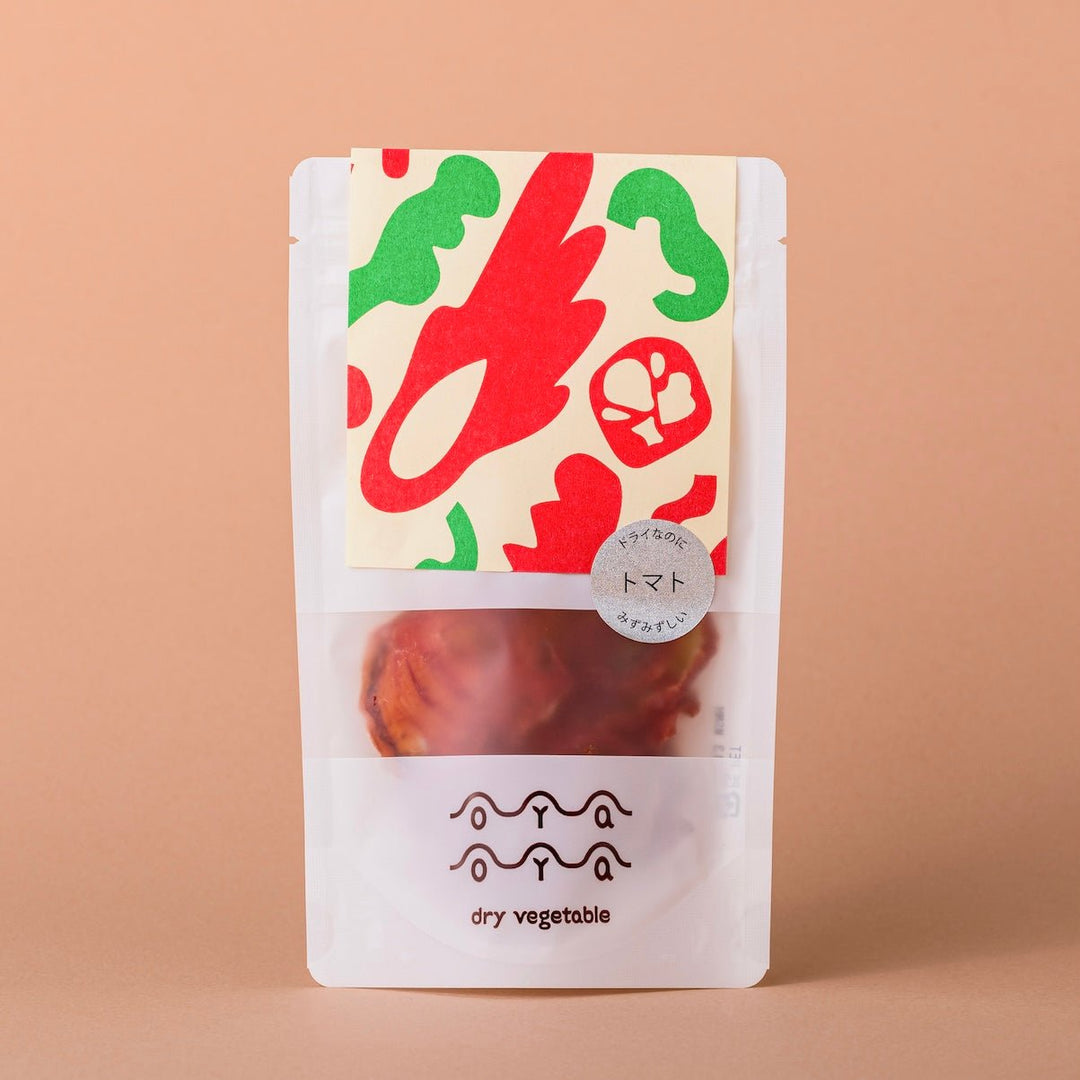
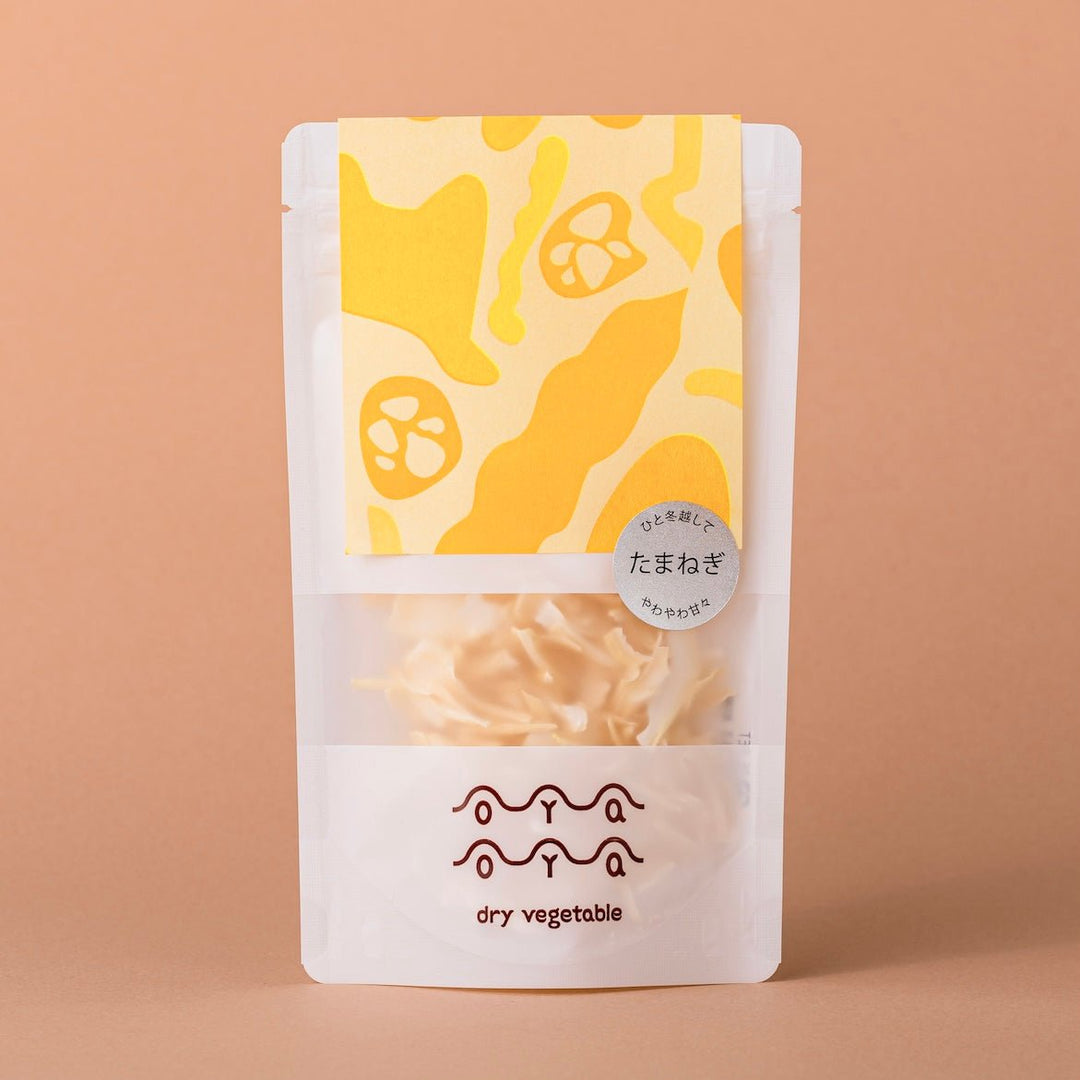
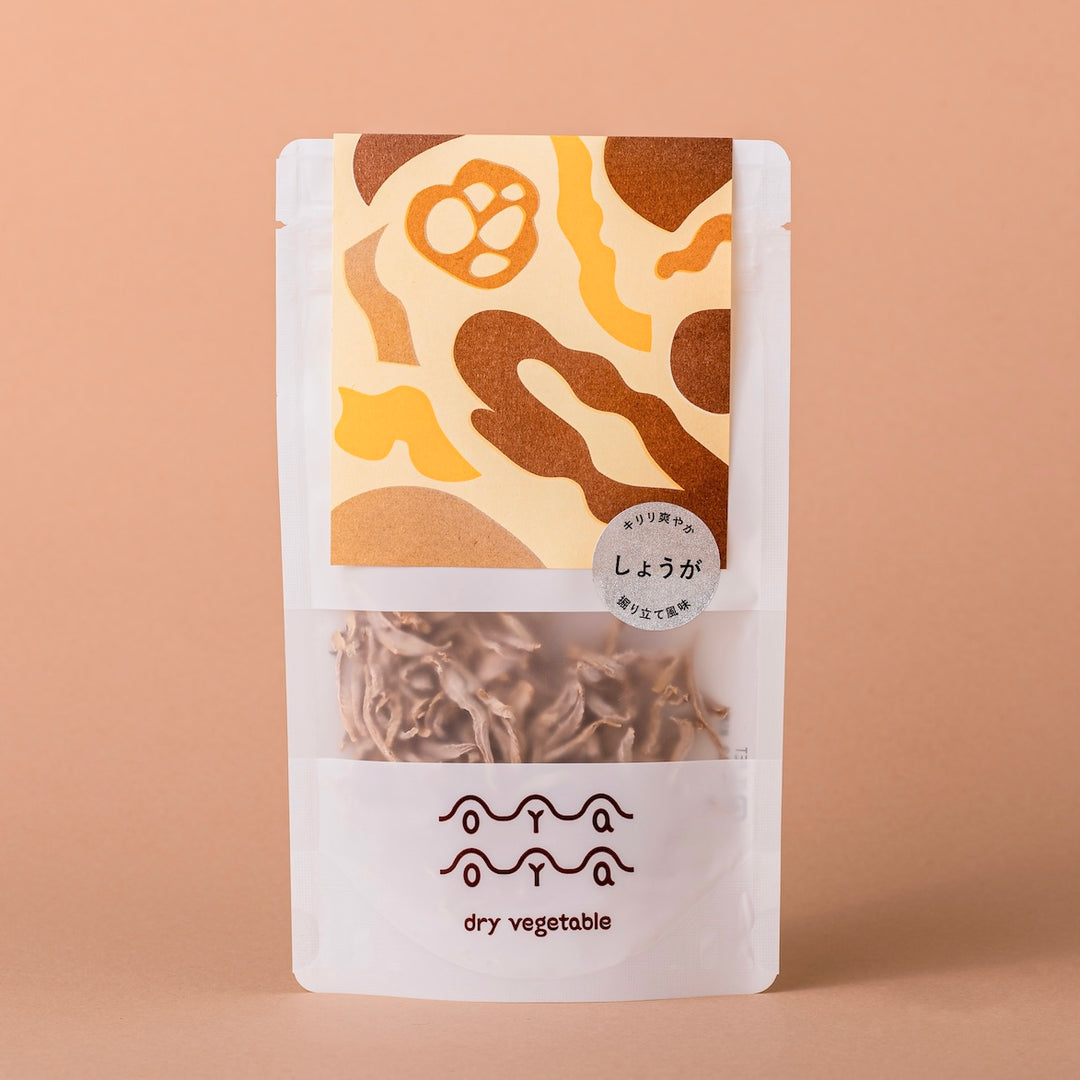
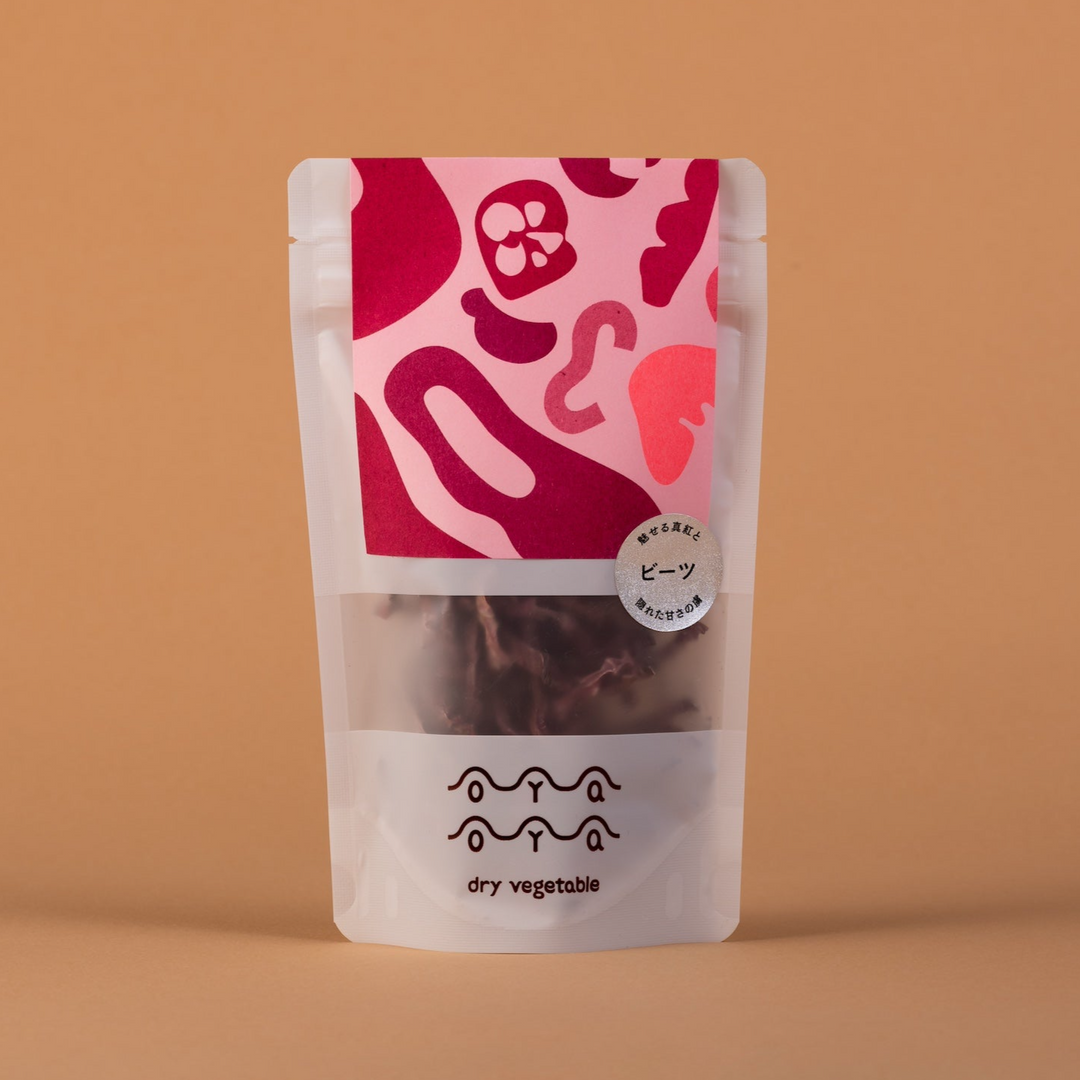
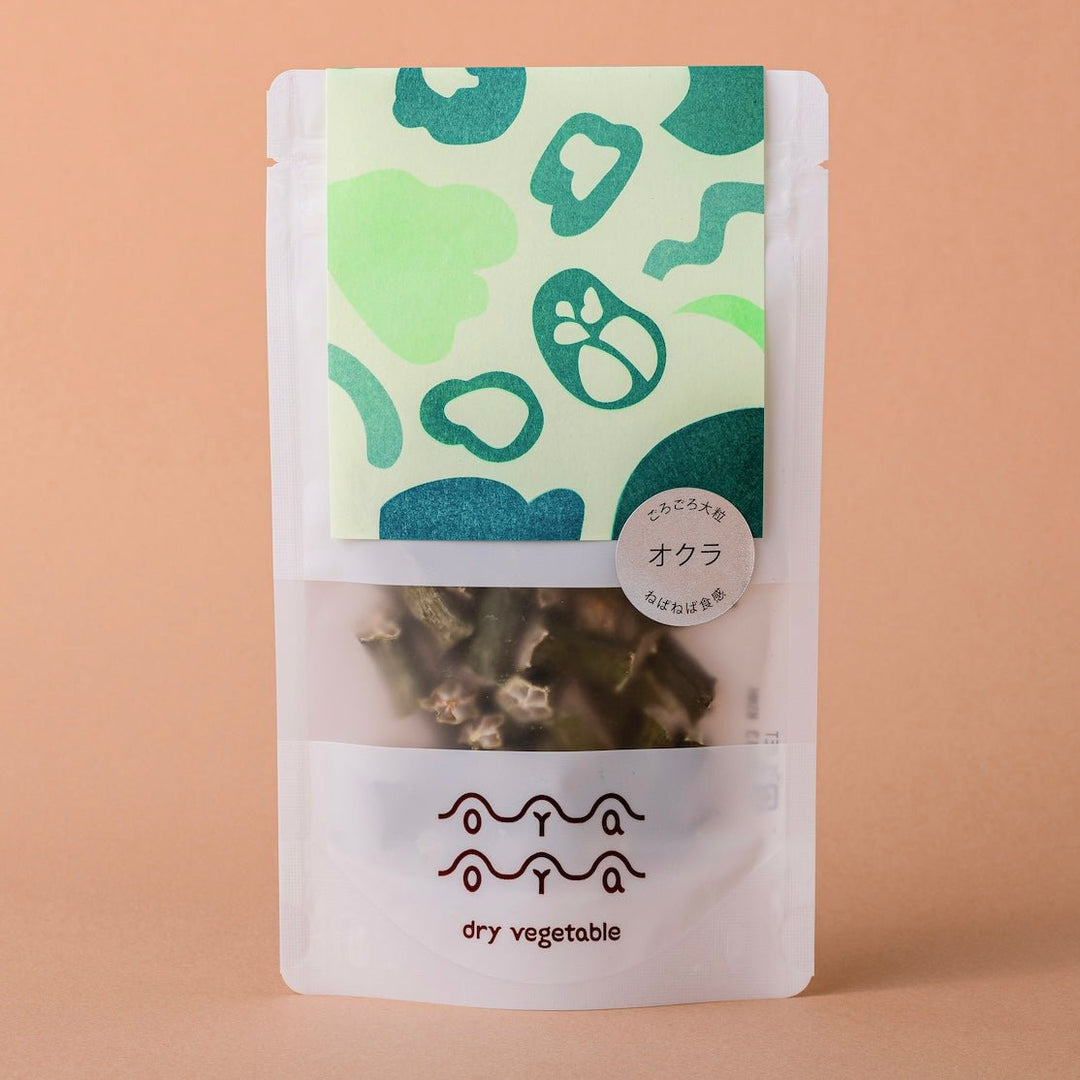
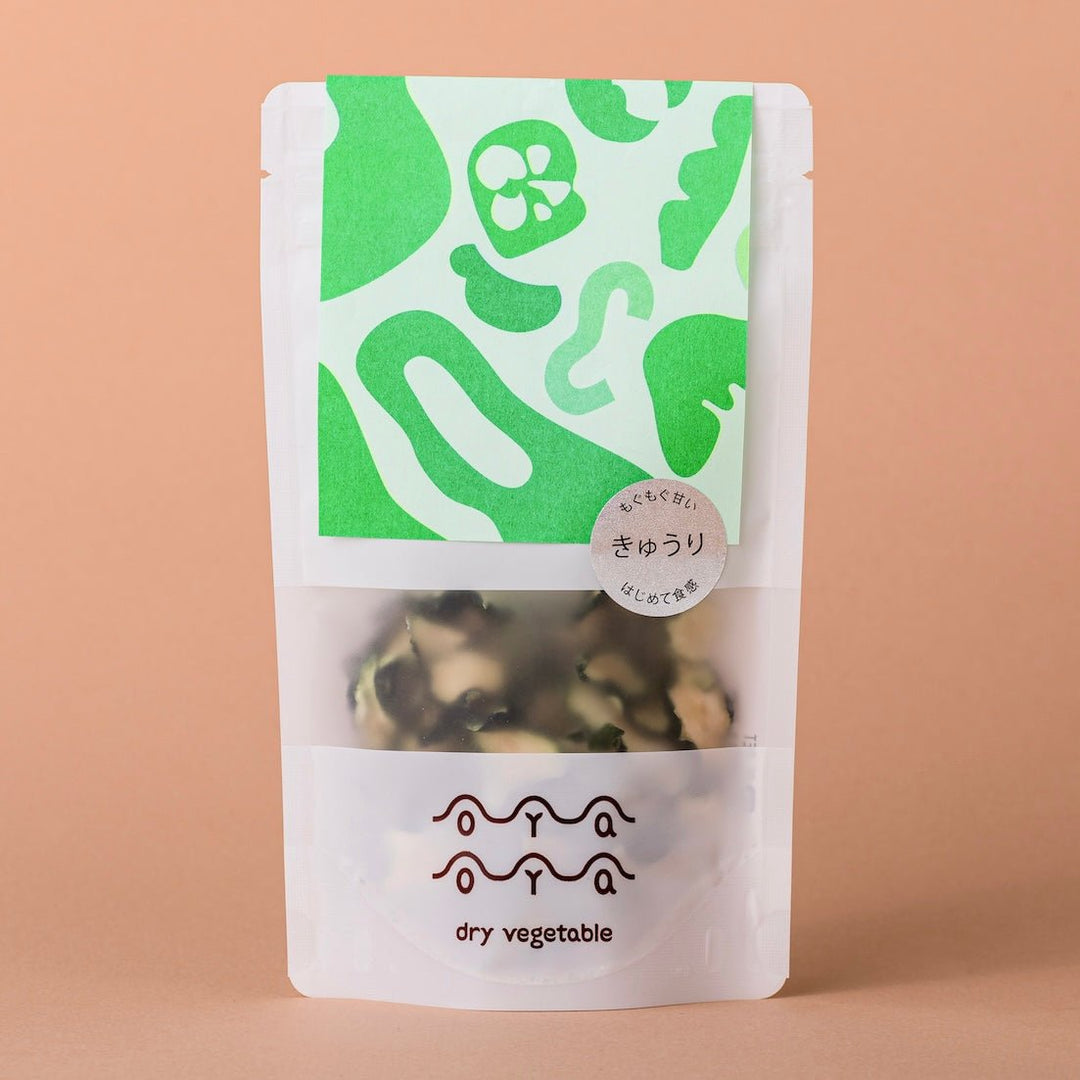
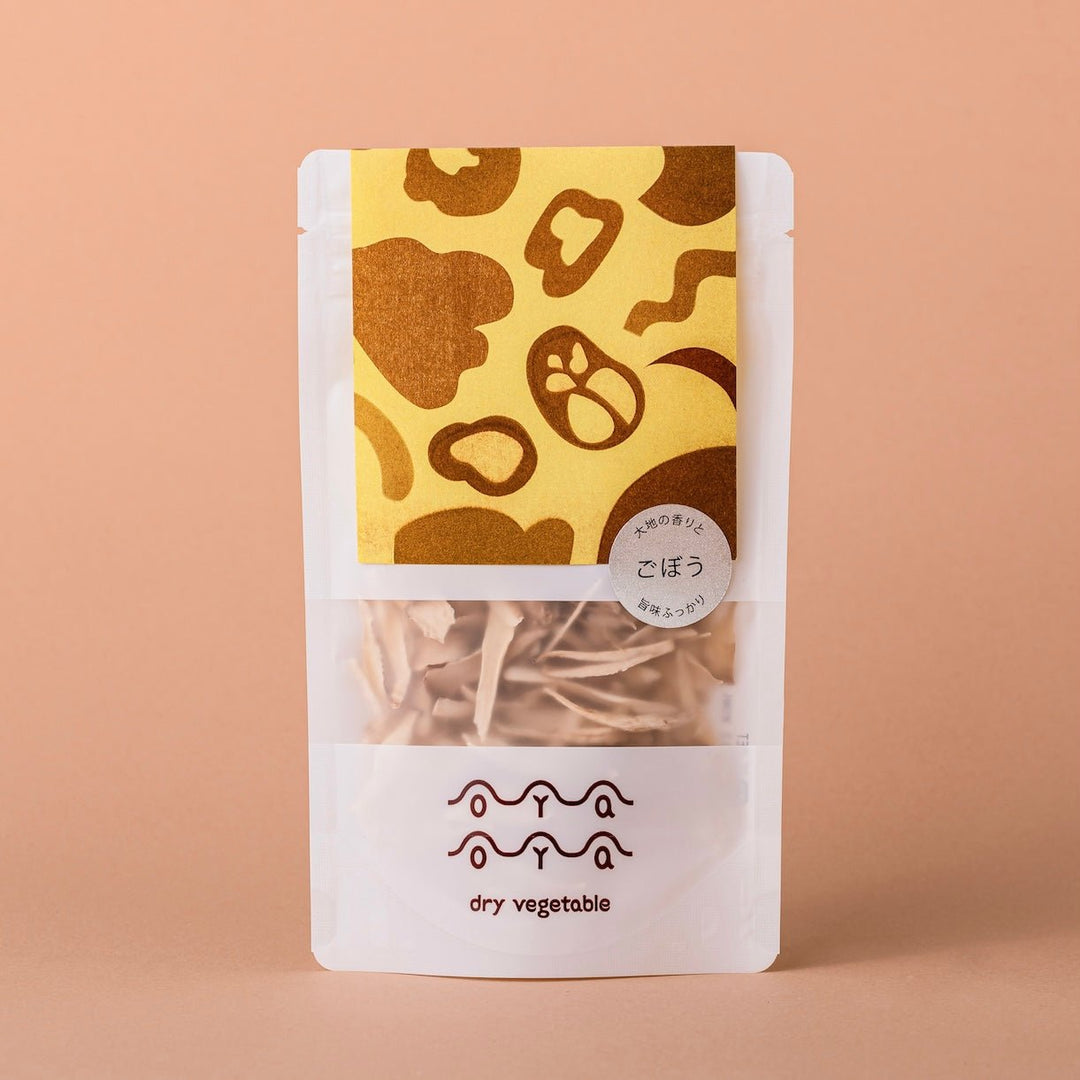
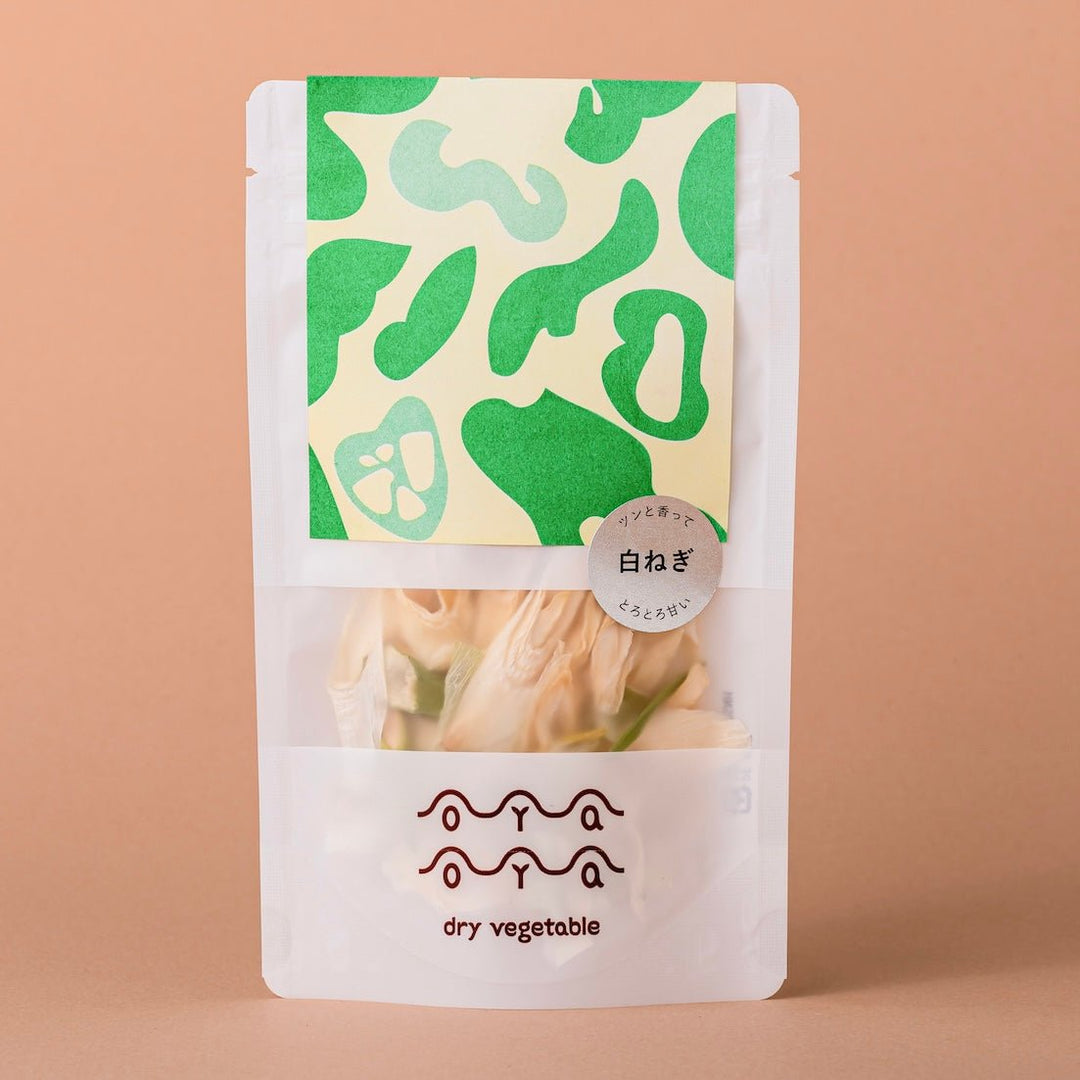
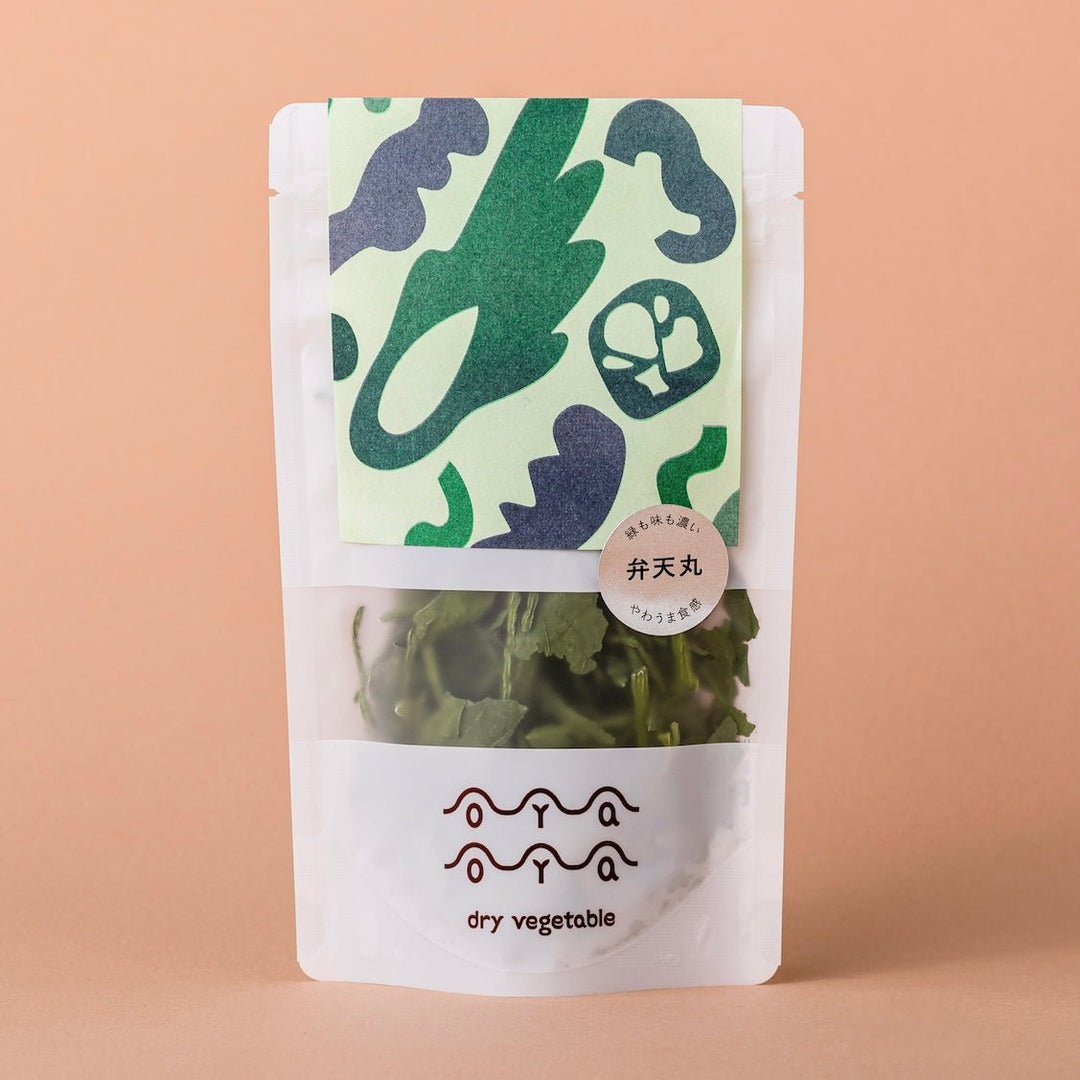
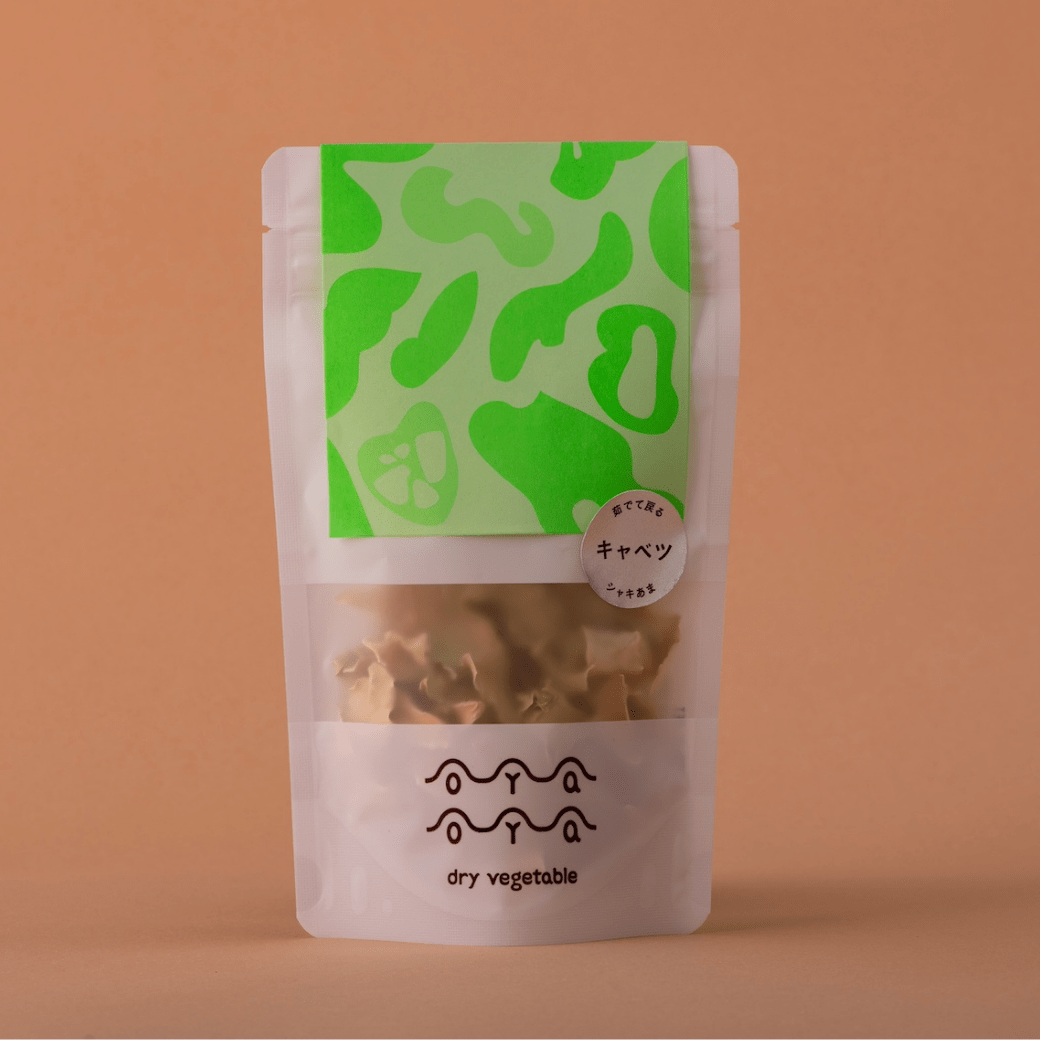
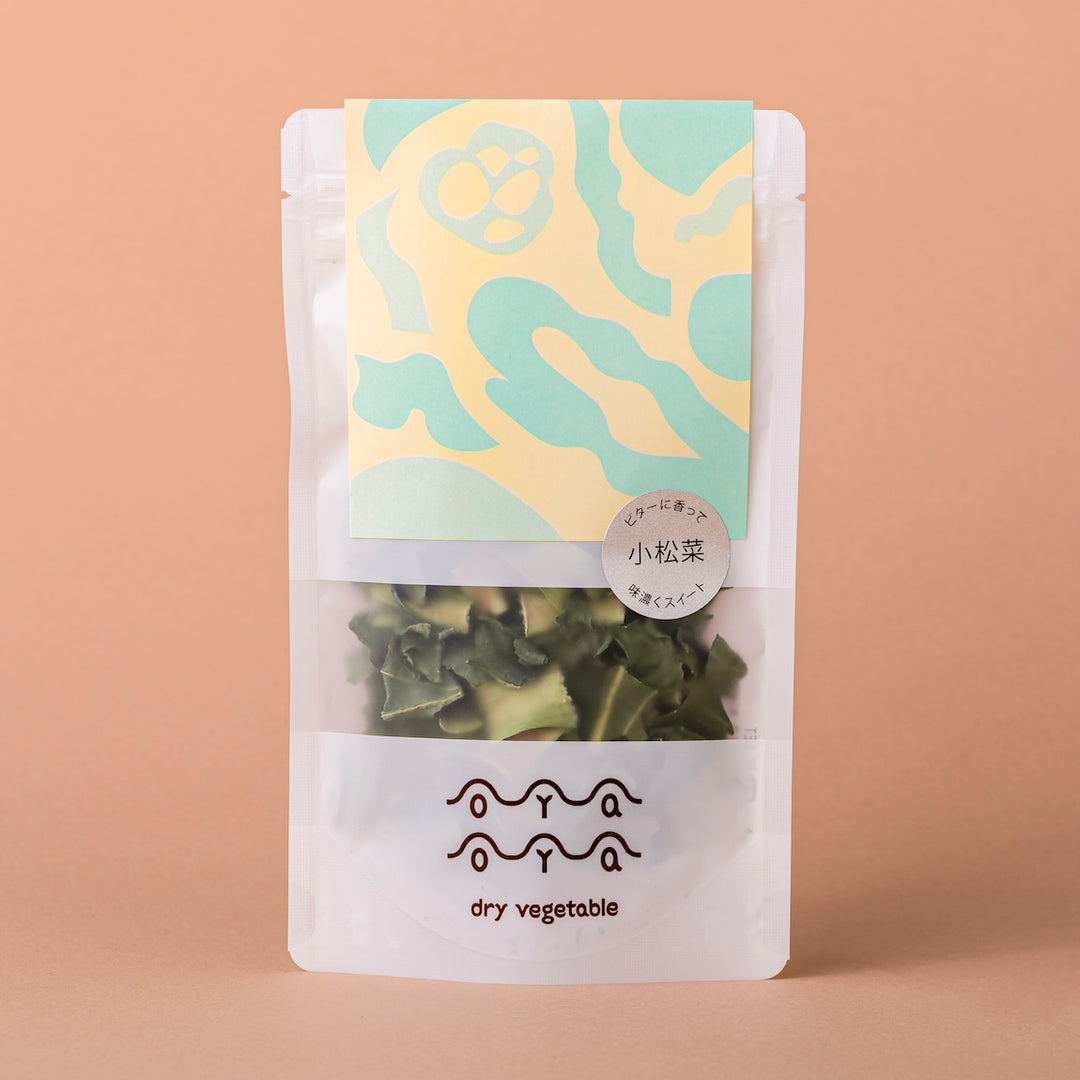
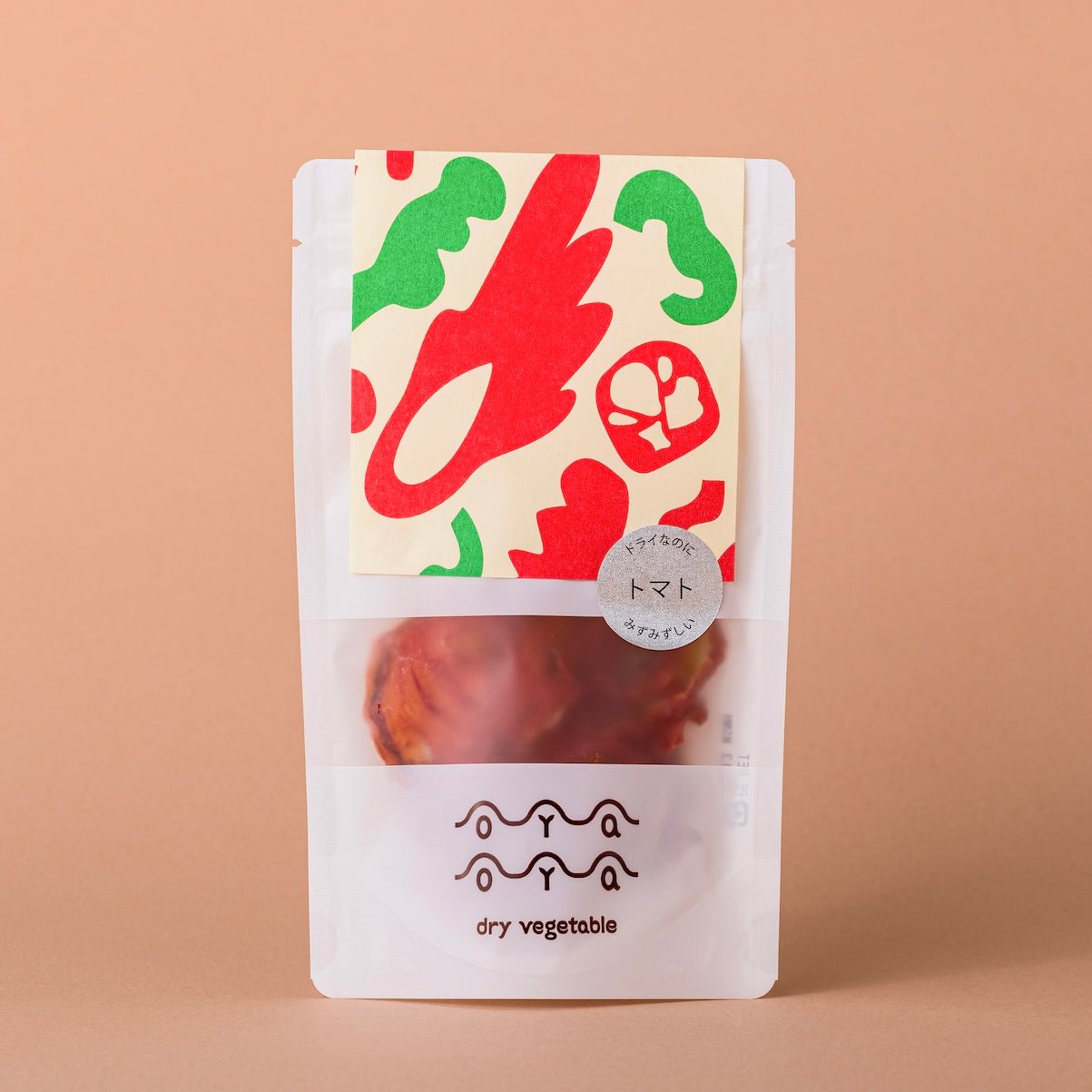
If you can't wait until you can make your own, please try OYAOYA's dried vegetables.
Related Products
Learn More About Dried Vegetables
- 5 Easy Steps to Make Dried Vegetables
- How to Rehydrate Dried Vegetables | 10 Minutes to Restore Plump Umami
- How to Store Dried Vegetables and Their Shelf Life
- Miso Soup Transformed by Dried Vegetables! The Ultimate Ingredient with Concentrated Umami
- 7 Delicious Soup Recipes Made with Dried Vegetables
そのほかの乾燥野菜ブログ
View all