
Taniyoshi Farm | Shinhoro Melon

The Taste of Beginnings.
The milky-white melon, untainted by other colors, has a sweet aroma and a melty texture.
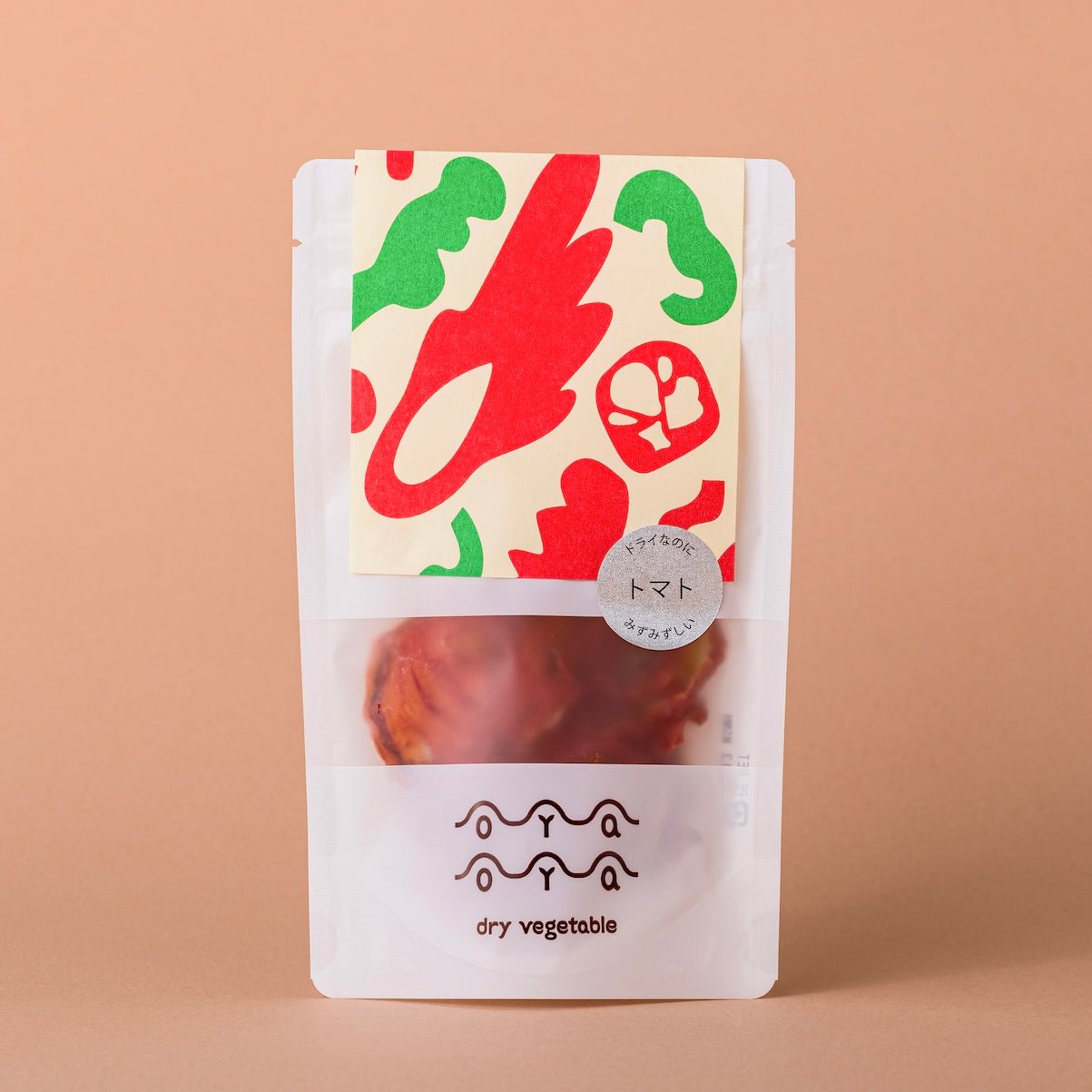
The bright red, seemingly sweet large tomatoes have the traditional sweet and sour taste with just the right amount of acidity.
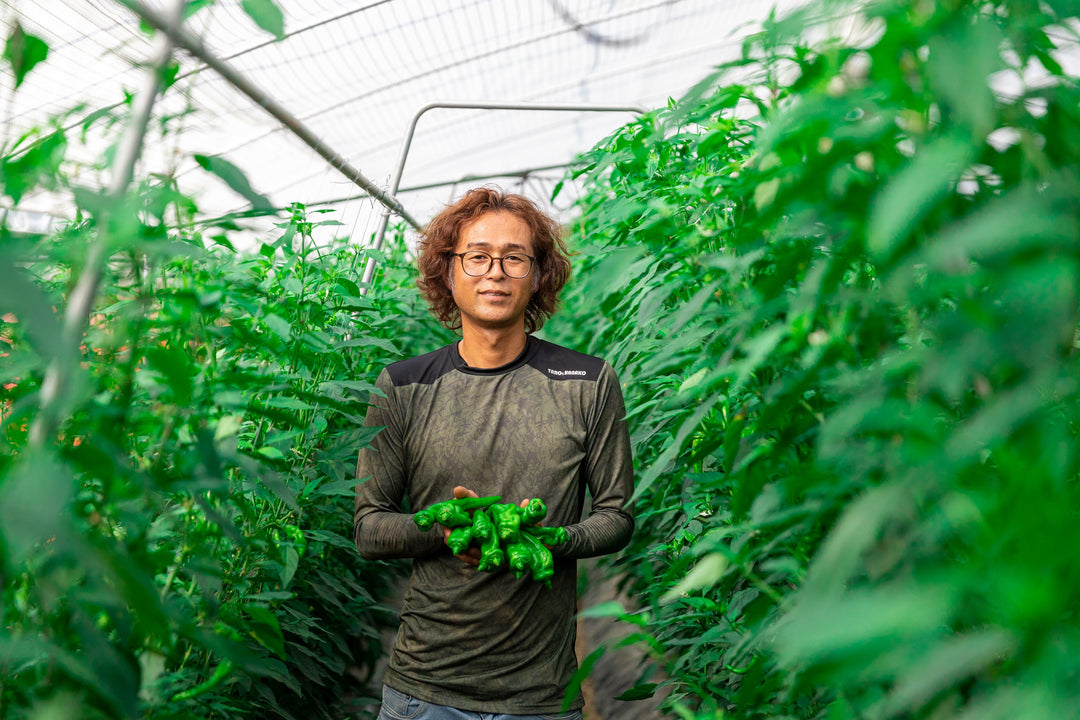
The melons and tomatoes from Tanihou Farm in Amino-cho, Kyotango City, are filled with a delicious "back to basics" taste that isn't swayed by the prevailing trend of prioritizing sweetness above all else. The melon variety was born about 40 years ago, and the tomato variety over 35 years ago, allowing us to experience the rich aroma, acidity, and flavor of these "original tastes."


The Phantom Shinhouro Melon.
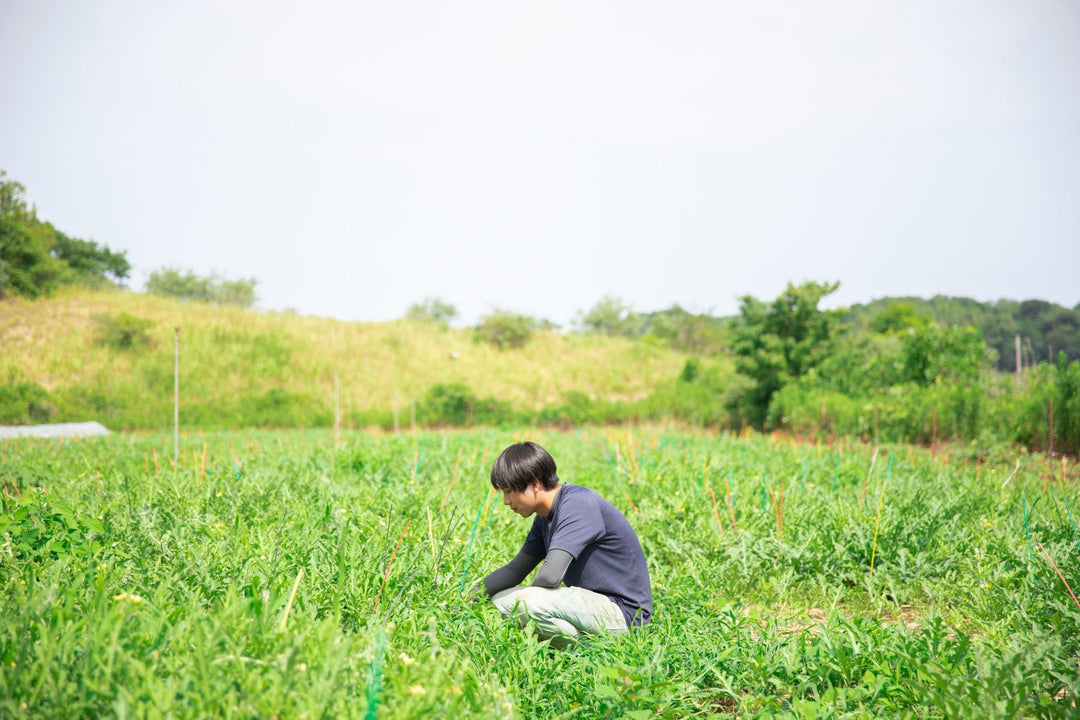
Amino-cho in summer is a thriving area for melon and watermelon cultivation, leveraging its well-drained dune land. While Kotohiki melons are a well-known local specialty, some farmers cultivate "phantom melons" known only to a select few. "Since my grandfather's generation, we've been growing a melon variety called Shinhouro, which is considered close to the original melon species. It's difficult to cultivate and doesn't last long, so there are only two large-scale producers, including us."
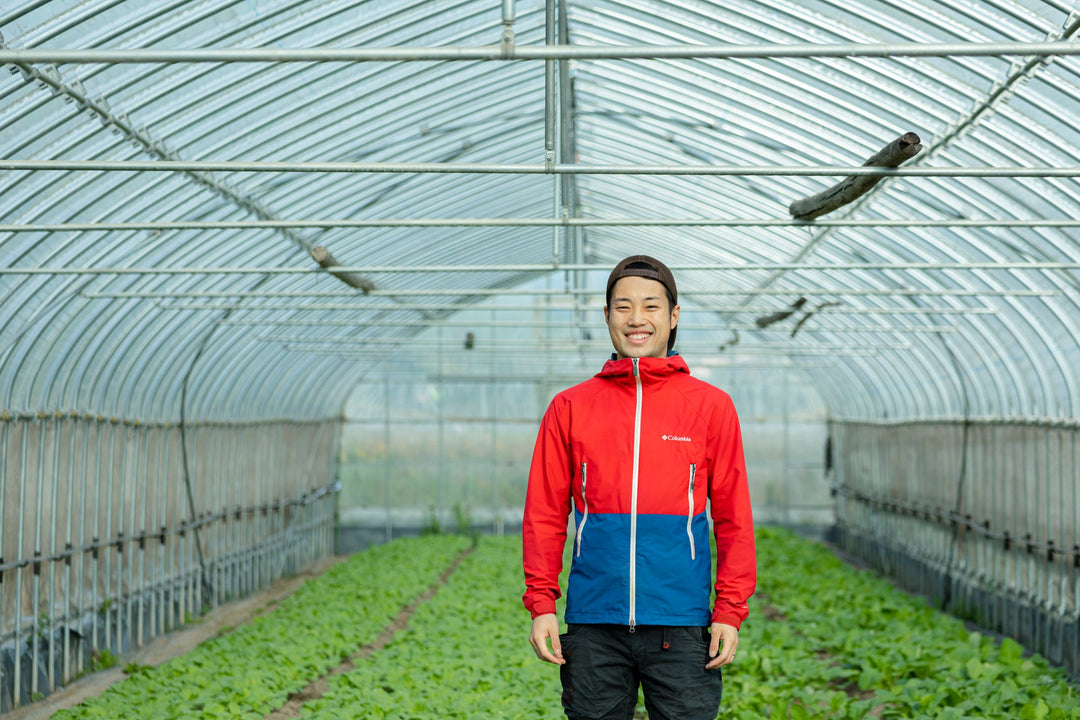
So says Mr. Ryosuke Taniguchi of Tanihou Farm, which has been operating in Amino-cho for about 40 years. He is a young farmer, currently 27 years old.

Precious and Elegant.
For regular melons, the best time to eat them is about a week after harvesting, considering the ripening period. In contrast, Shinhouro ripens quickly, so it's rarely seen in the market.
The harvest timing is determined by the color of the rind, which changes from green to yellow. This means that cultivating this phantom melon requires not only skill but also a discerning eye. The melons I saw in the field, almost ready for harvest, were lying on cushions under a rain cover like parasols, seemingly enjoying a graceful sunbath.
As it was a sunny day, their dazzlingly bright appearance exuded a preciousness befitting the original melon, which is said to be close to the wild species. Care is taken even with the length of the vine, called an antenna, cut to match the width of the melon, resulting in a beautiful post-harvest appearance.


Natural Progression.
"When I returned from radio calisthenics on summer mornings, the melons would be back from the field before me, and I'd help with labeling. Farming was a part of my life since childhood, so I vaguely thought that I would probably take over the family business."
According to Mr. Ryosuke, who says attending an agricultural university in Aichi Prefecture after high school was "a natural progression," many young farmers in their 20s in Amino-cho, like himself, inherit the family business.

If you only take the phrase "a natural progression" at face value, you might imagine a sigh of "I had no choice," but in reality, Mr. Ryosuke answered in a simply "natural" manner. As proof, during a casual conversation about hobbies, the phrase "farming is interesting" effortlessly came out.
Farming is Interesting.
"Open-field cultivation of melons relies on instinct, built from experience. Similarly, greenhouse cultivation of tomatoes has its own unique difficulties, and last year I finally realized that plant spacing is crucial for growing good plants. You can't learn these things from the internet or books, so you just have to research it yourself every time you make a mistake."
Mr. Ryosuke, who is naturally inquisitive, is also trying new varieties in addition to melons and tomatoes, and his new tomato varieties for 2024 are said to be a hot topic in the produce world. In the future, he hopes to consider "agriculture to be passed on to the next generation" within a landscape where nature and people coexist.
Text: Fumika Sato Photos: Yuichiro Kishi
Related Products
生産者の記事