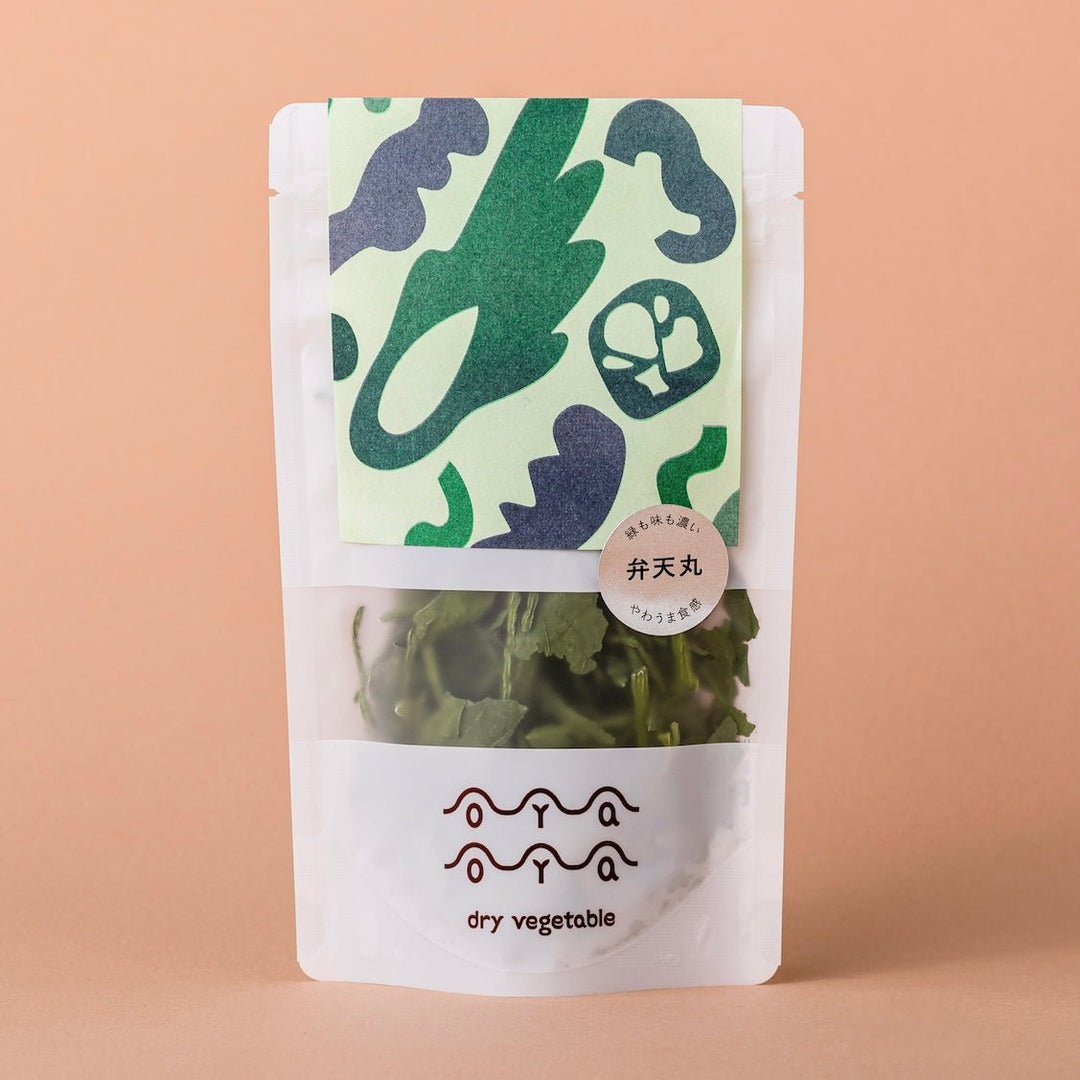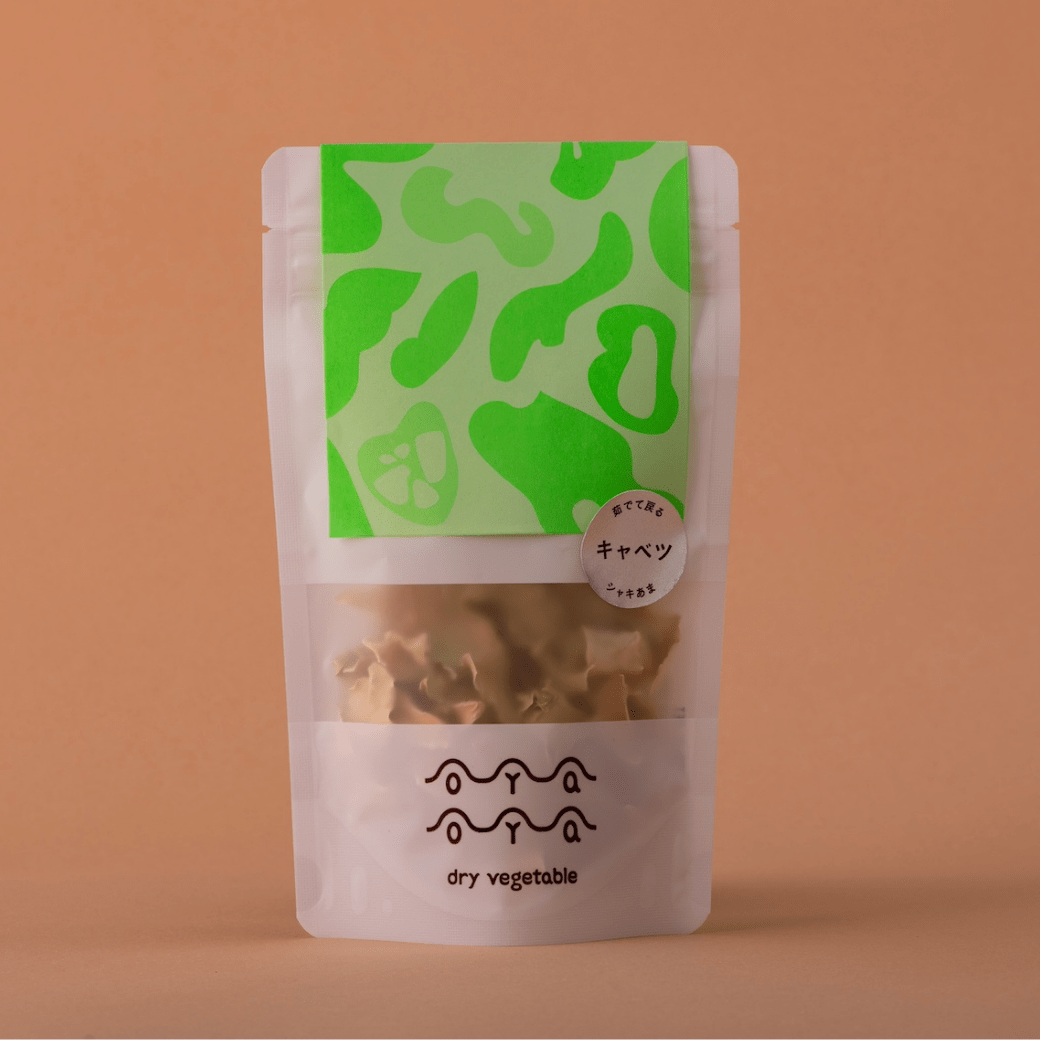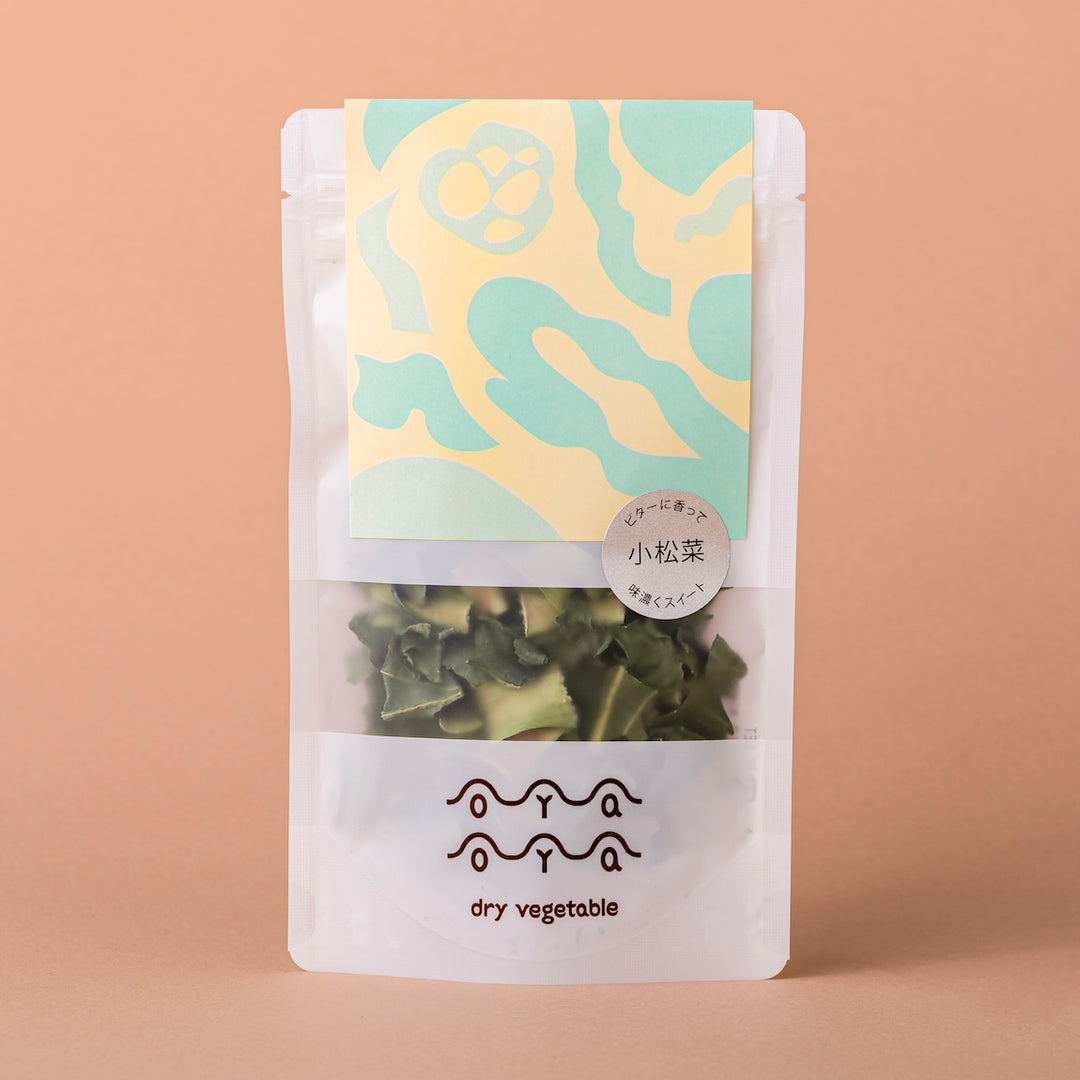

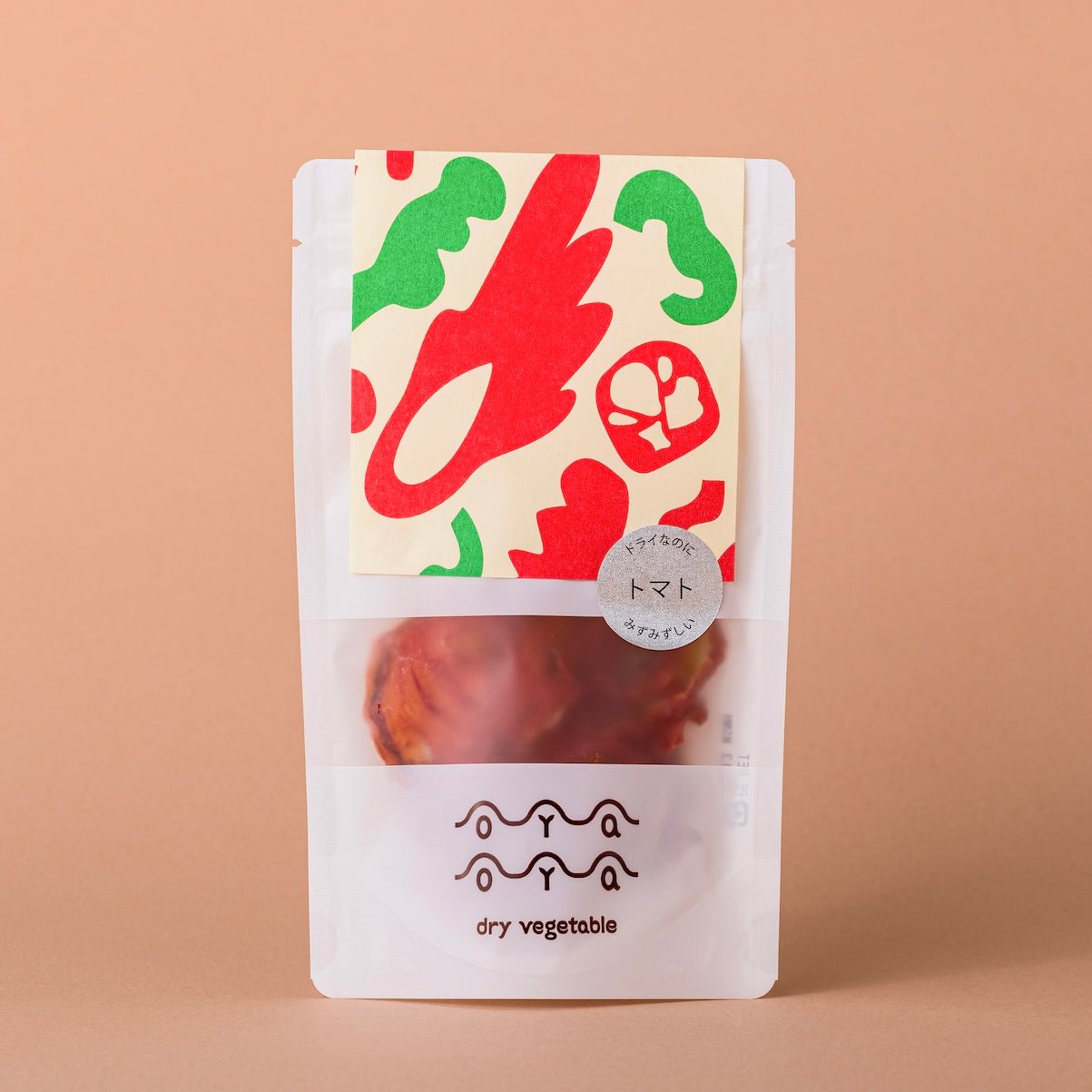

My first Kyoto vegetables
Discover and Savor Kyo-yasai!
When you think of Kyoto, you might picture temples, geisha, and Kyo-yasai (Kyoto vegetables). While Kyo-yasai might seem familiar, they're often not well-known, and perhaps feel expensive and exclusive, associated with high-end restaurants. Furthermore, you might only be able to eat them if you visit Kyoto.
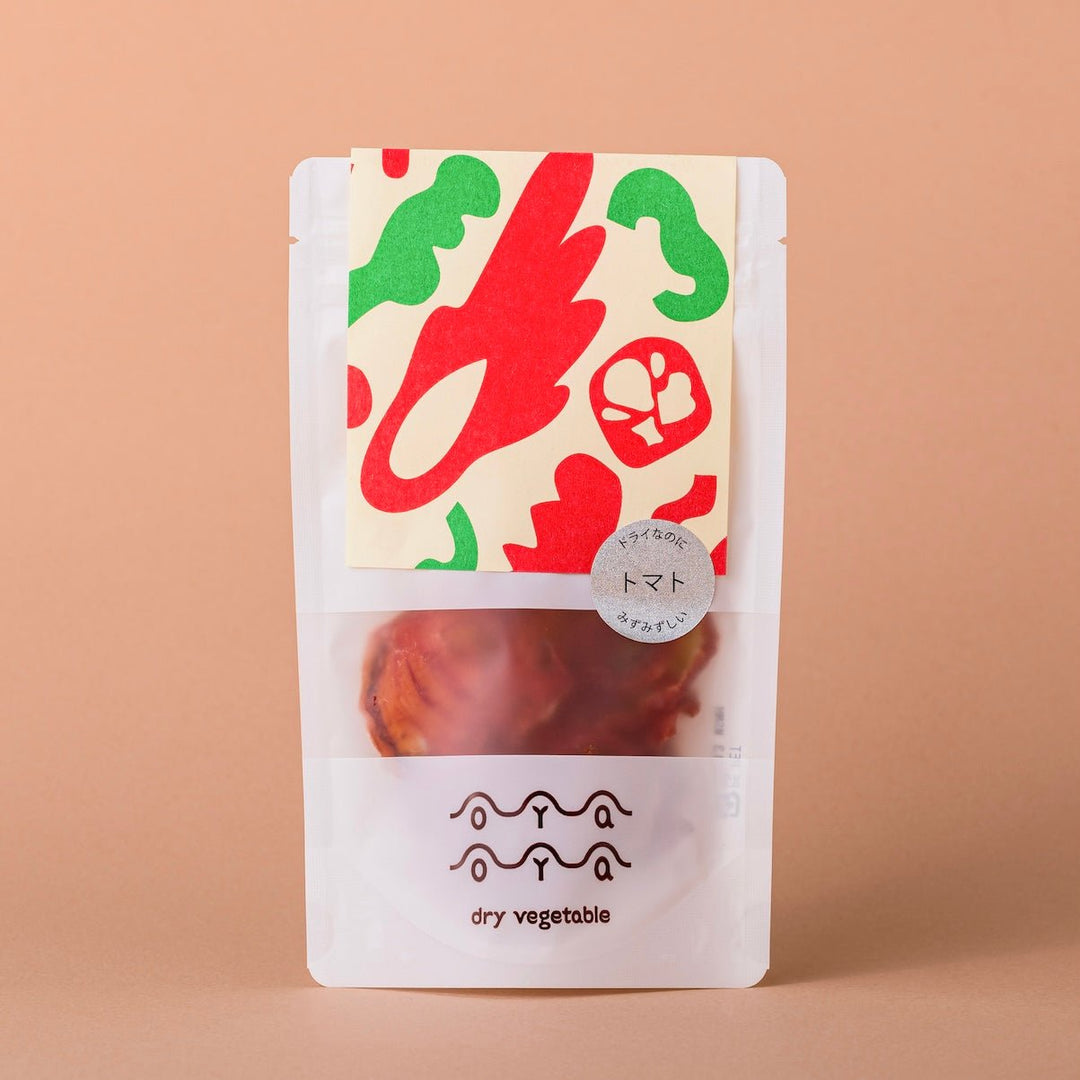
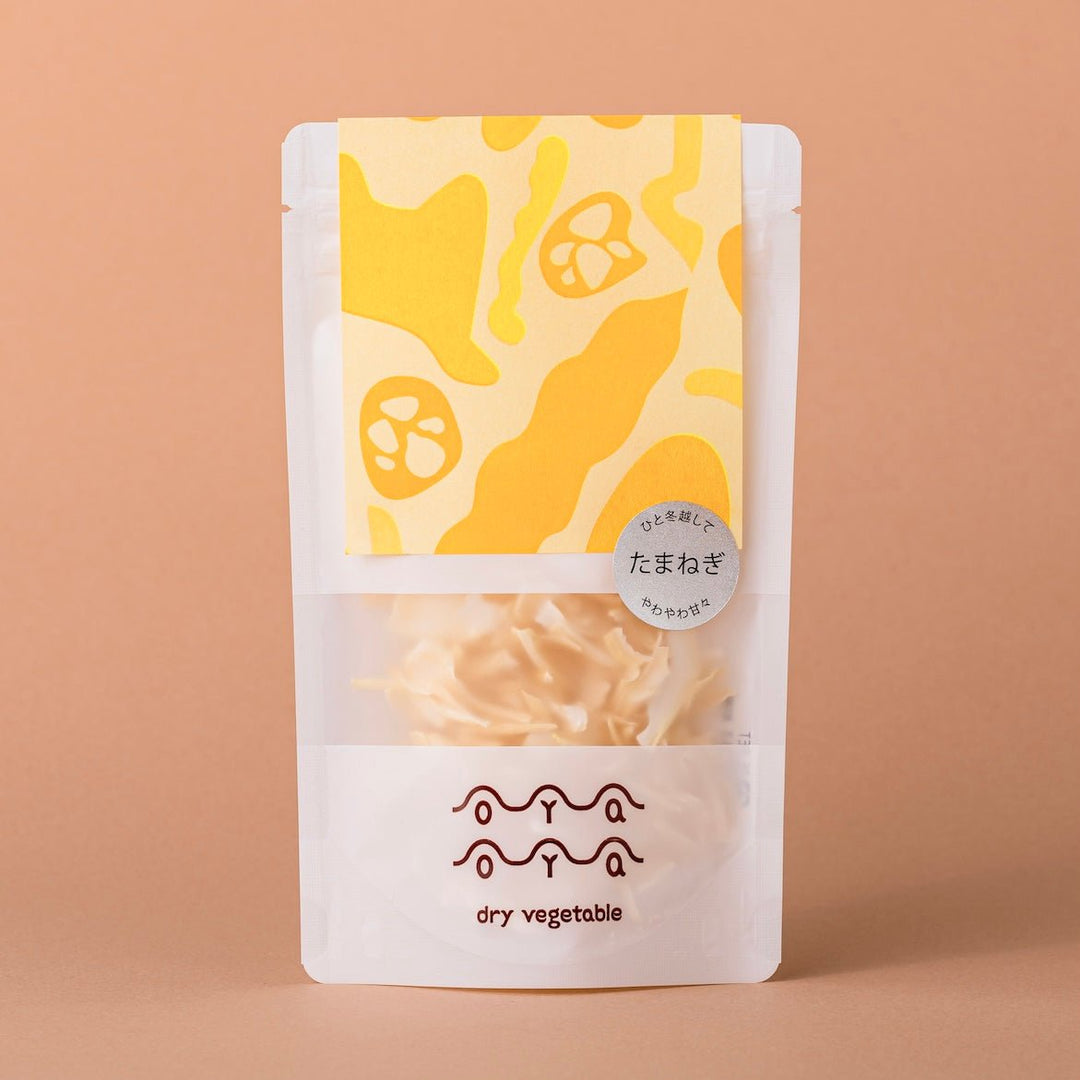
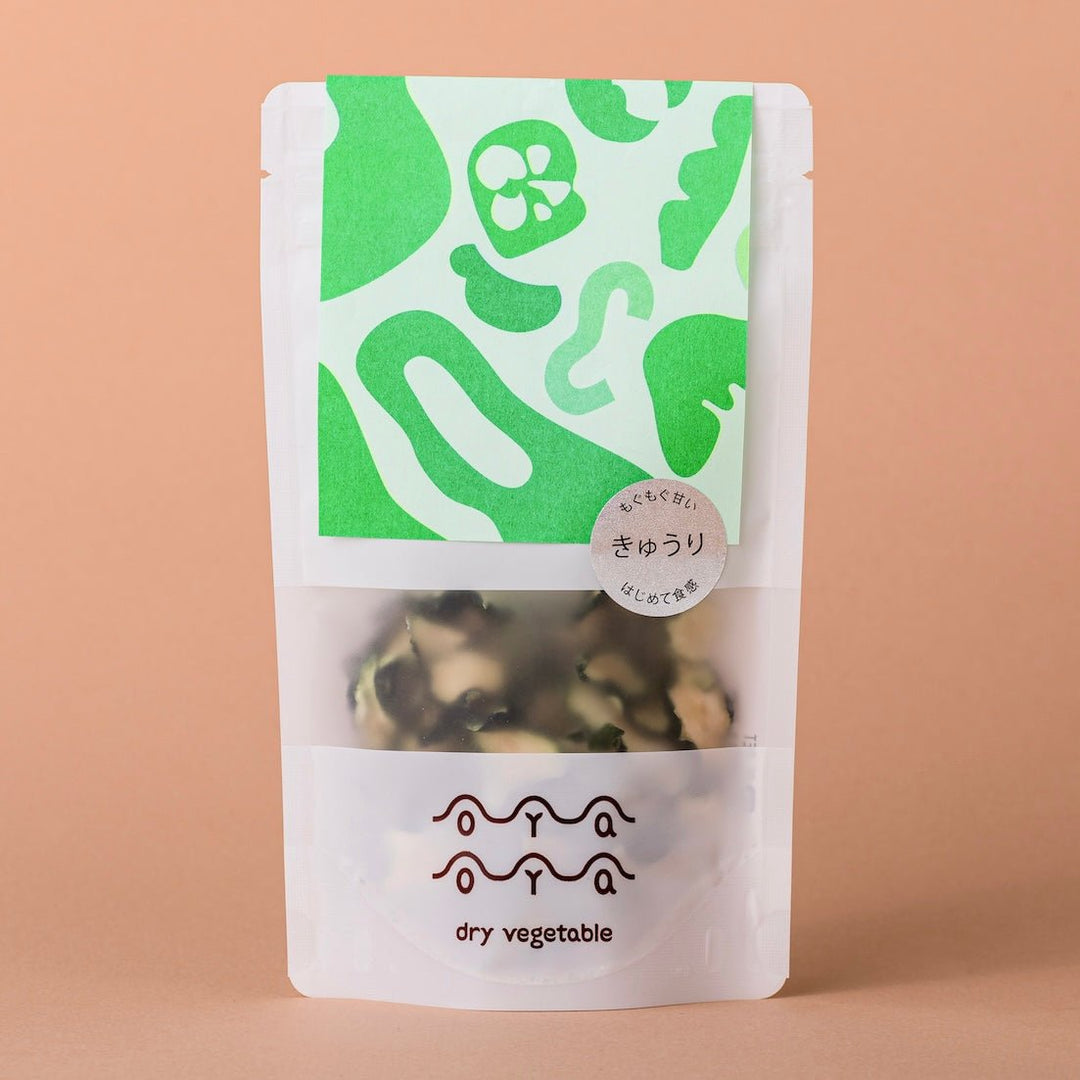
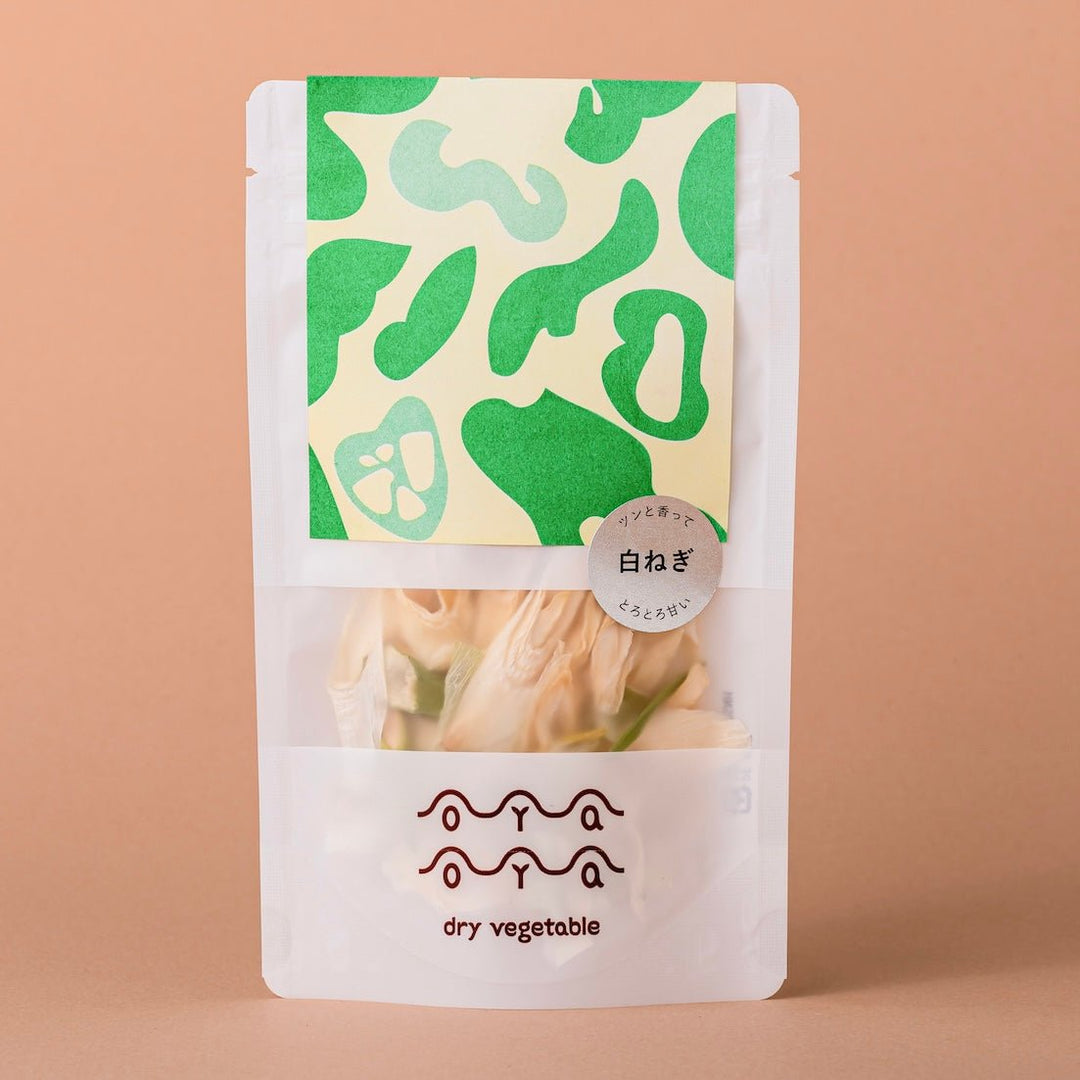
However, by eating the dried vegetables offered by OYAOYA, you can savor Kyo-yasai anytime, anywhere. Start by reading this and experiencing Kyo-yasai for the first time.

Kyo-yasai of the past and
Kyo-yasai of the future.
Kyo-yasai, which enhance obanzai and Kyoto cuisine, evoke an image of elegance. However, the long-standing brand establishment of Kyo-yasai has been maintained through rigorous selection criteria and the dedication of farmers.

What exactly are Kyoto's traditional vegetables?
Vegetables that have been cultivated in Kyoto for many years and are still passed down today are defined as Kyo-yasai, and there are currently said to be 35 varieties.
Furthermore, among Kyoto's traditional vegetables, there are "Kyoto Brand Produce" vegetables, certified by the "Kyoto Furusato Products Association," which might be closer to what you imagine as "Kyo-yasai."

Surprisingly many benefits
The nutritional value of Kyo-yasai
Many of you might be curious if there are other benefits to Kyoto vegetables besides just being from Kyoto. Having been rooted in Kyoto for many years, Kyo-yasai also has notable functional properties.
Fragrant and delightful to eat
Vegetables found in supermarkets are generally optimized in taste and shape through daily selective breeding and other methods for general distribution, making them palatable to many. Kyo-yasai, on the other hand, retain the characteristics of ancient vegetables, so they vary greatly in features, such as strong flavor or difficulty in cultivation.
Kyo-yasai also have nutritional characteristics
Kyo-yasai not only possess unique flavors and tastes but have also been researched in the past for their functional properties. If you're concerned about nutritional value, trying Kyo-yasai is highly recommended.
http://kenko-kyoyasai.jp/functionality/index.html

Kyo-yasai you can savor at OYAOYA
Behind their tradition, Kyo-yasai possess various individual characteristics and flavors. But if you're someone who doesn't often get the chance to eat Kyo-yasai, let's enjoy them casually through OYAOYA.
Related Pages
Related Products
Learn More About Dried Vegetables
そのほかの乾燥野菜ブログ
View all