

What is the glucose in dried vegetables?

Many of you have probably wondered why dextrose is listed as an ingredient when buying convenient dried vegetables. This article will explain all about dextrose.
Why dextrose is added to dried vegetables for preservation.
Dextrose is not a food additive (*1) but is treated as food. Therefore, it is not incorrect for natural dried vegetables that do not list preservatives to use dextrose. However, since dried vegetables are already preserved food, why is it necessary to add dextrose instead of just using vegetables as the raw material?
There are 3 reasons why dextrose is added to dried vegetables.
- First, it increases water absorption, making rehydration with hot water faster.
- Second, it prevents cracking and crumbling.
- And third, it improves color and flavor. Dried vegetables processed by soaking them in dextrose are convenient and visually appealing, so dextrose is still often used in natural dried vegetables.
However, recently, dextrose-free dried vegetables made only from vegetables, like those from OYAOYA, are becoming more common.
(*1) Reference page

Are dried vegetables containing dextrose bad for your health?
According to the Ministry of Health, Labour and Welfare's health information website, dextrose is the only substance that the brain can use as energy, and it is an important nutrient for the human body (*2).
Specifically, it activates the brain to enhance concentration and memory, and it is also a source of energy for physical activity, so it can be expected to help recover from fatigue. However, as those who are concerned about sugar intake know, excessive consumption should be avoided.
Dextrose, which is also found in white rice and bread, will turn into neutral fat if not consumed as energy, leading to obesity and lifestyle-related diseases.
The amount of dextrose used in dried vegetables is not something to be overly concerned about. However, for those who are concerned about sugar intake, dextrose-free dried vegetables might provide more peace of mind.
(*2) Reference page

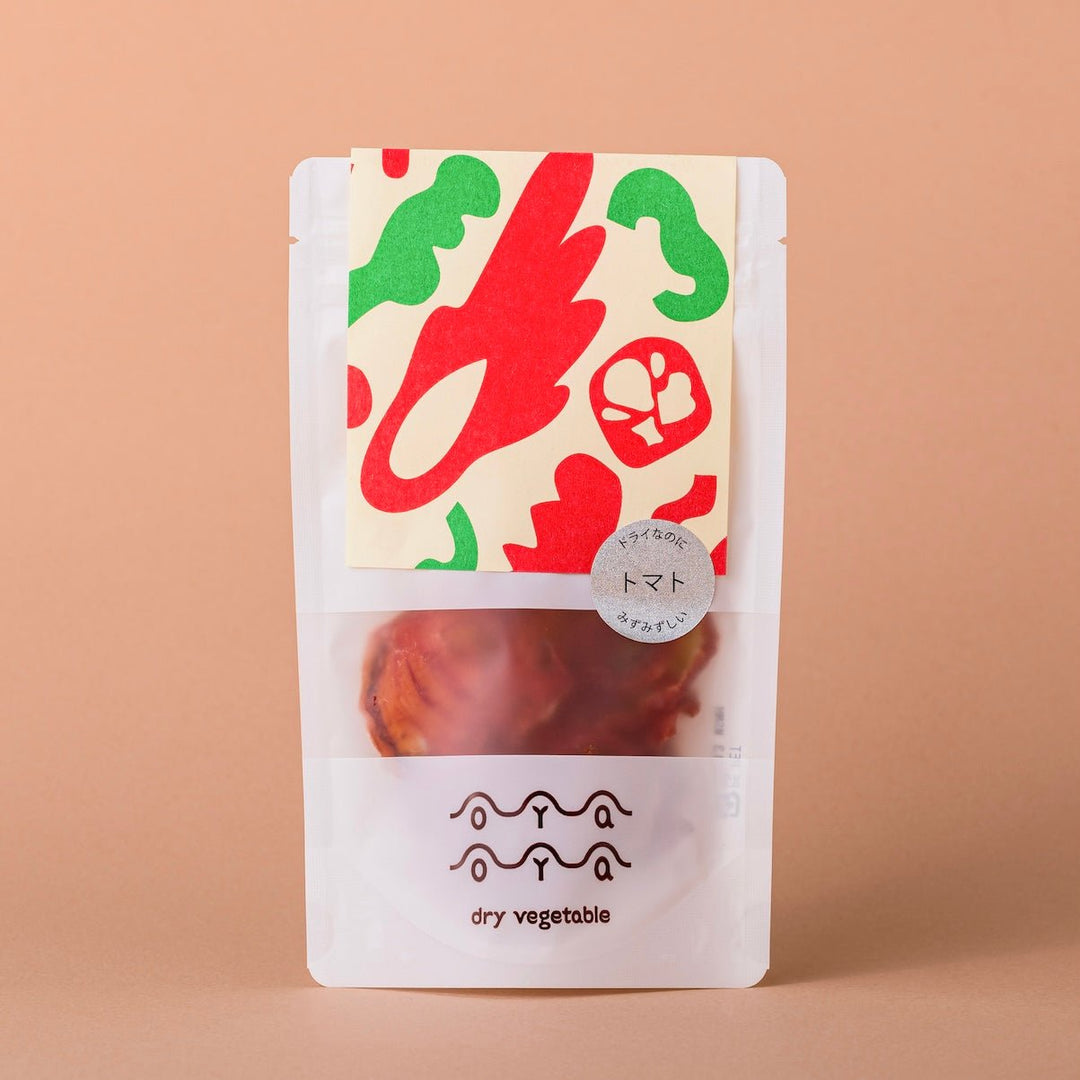
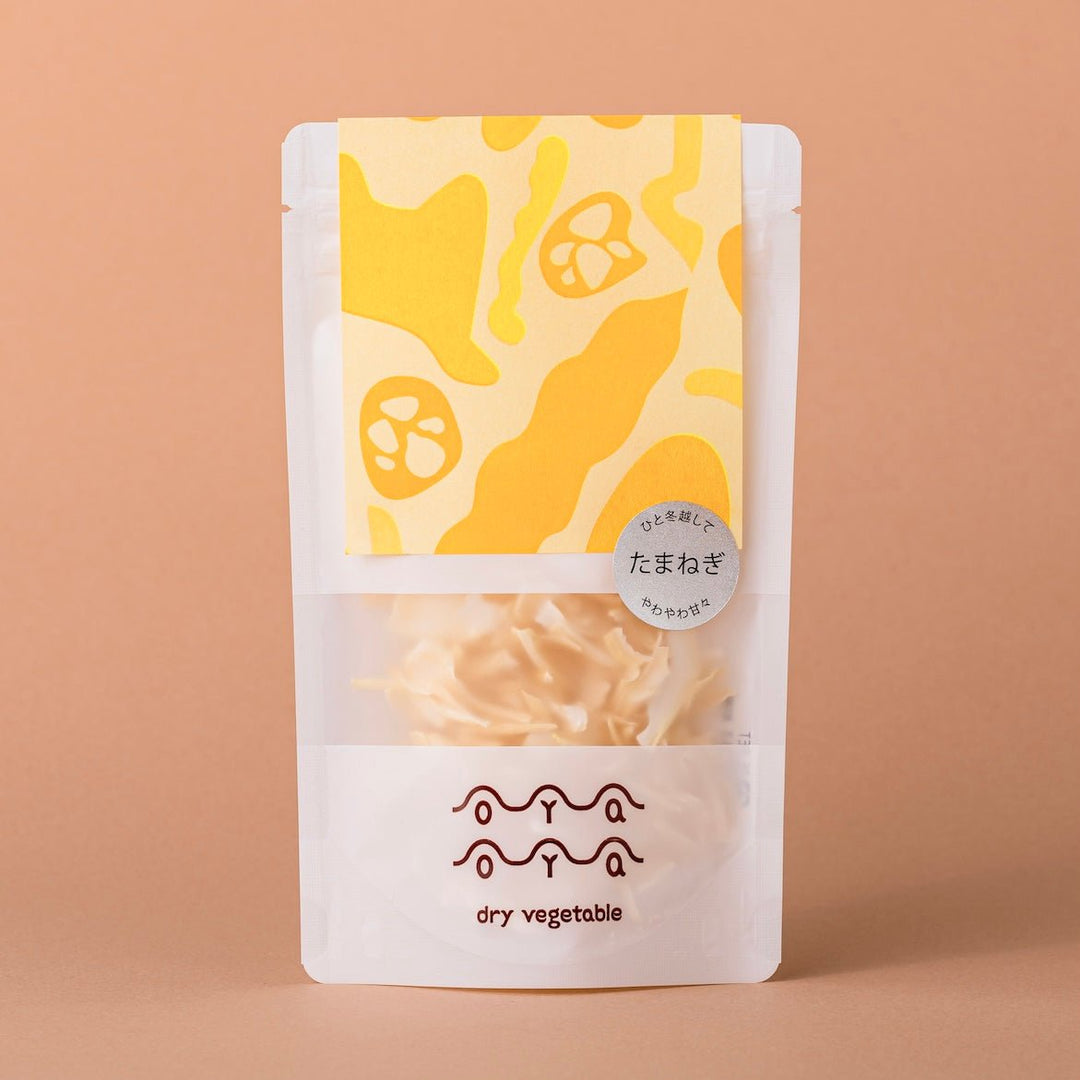
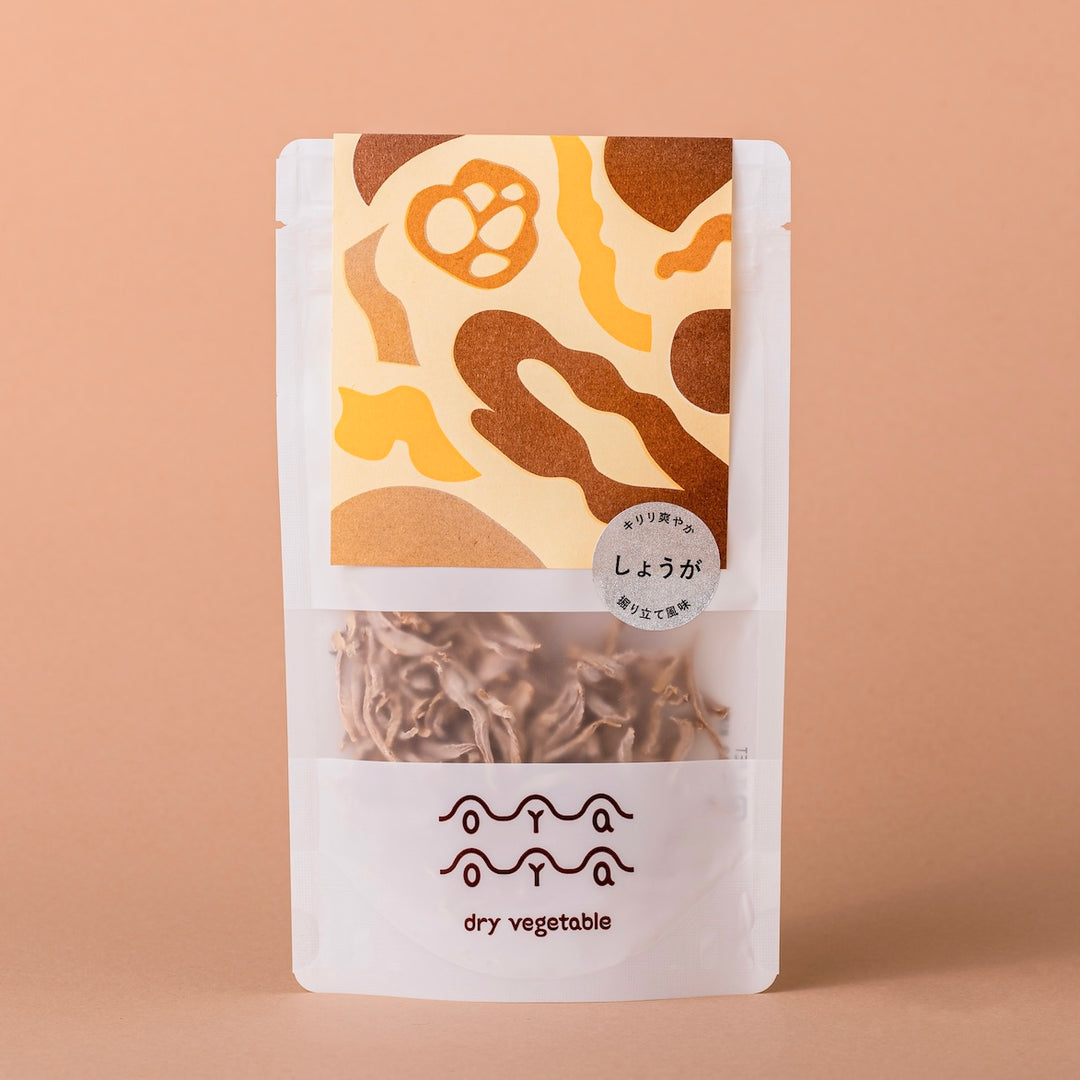
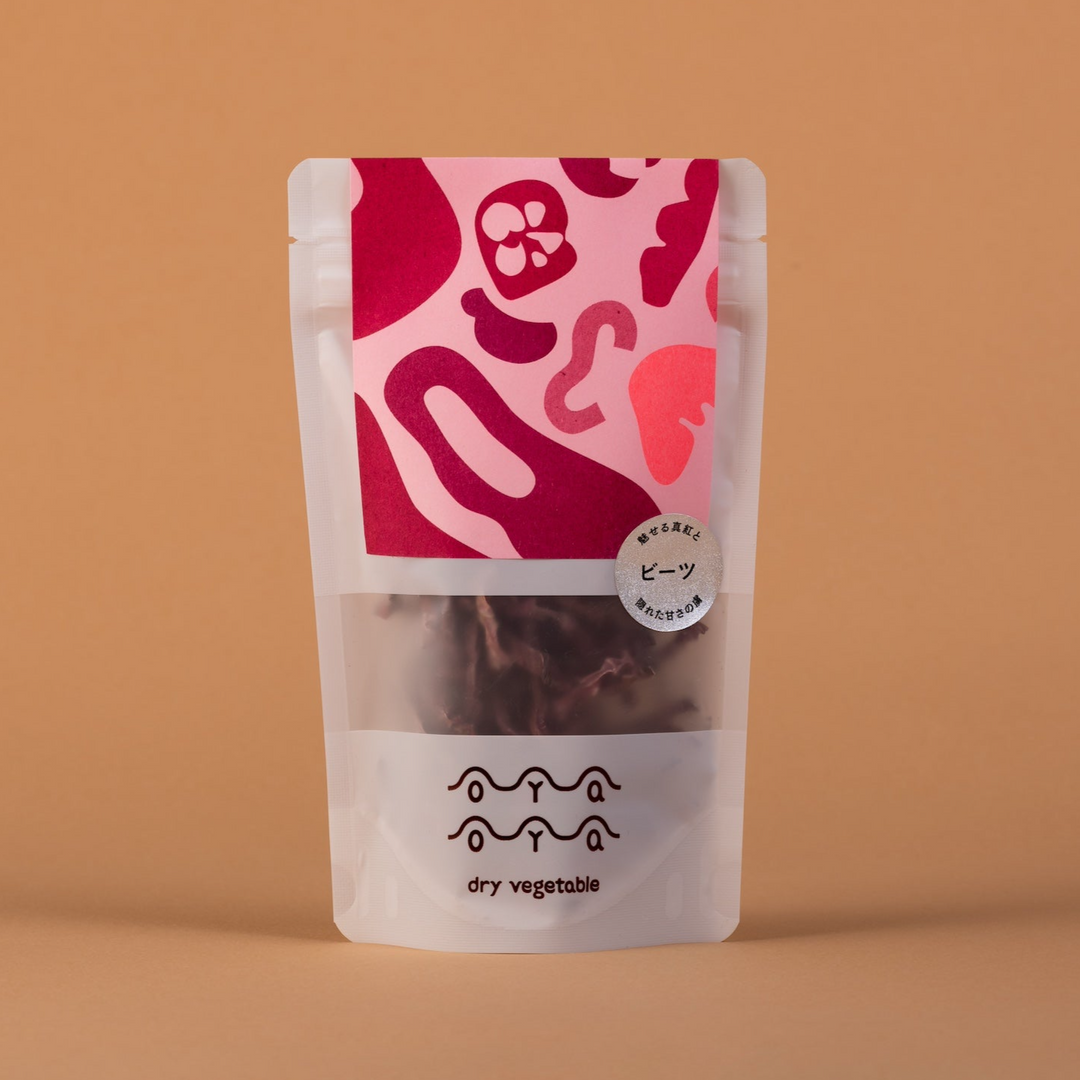
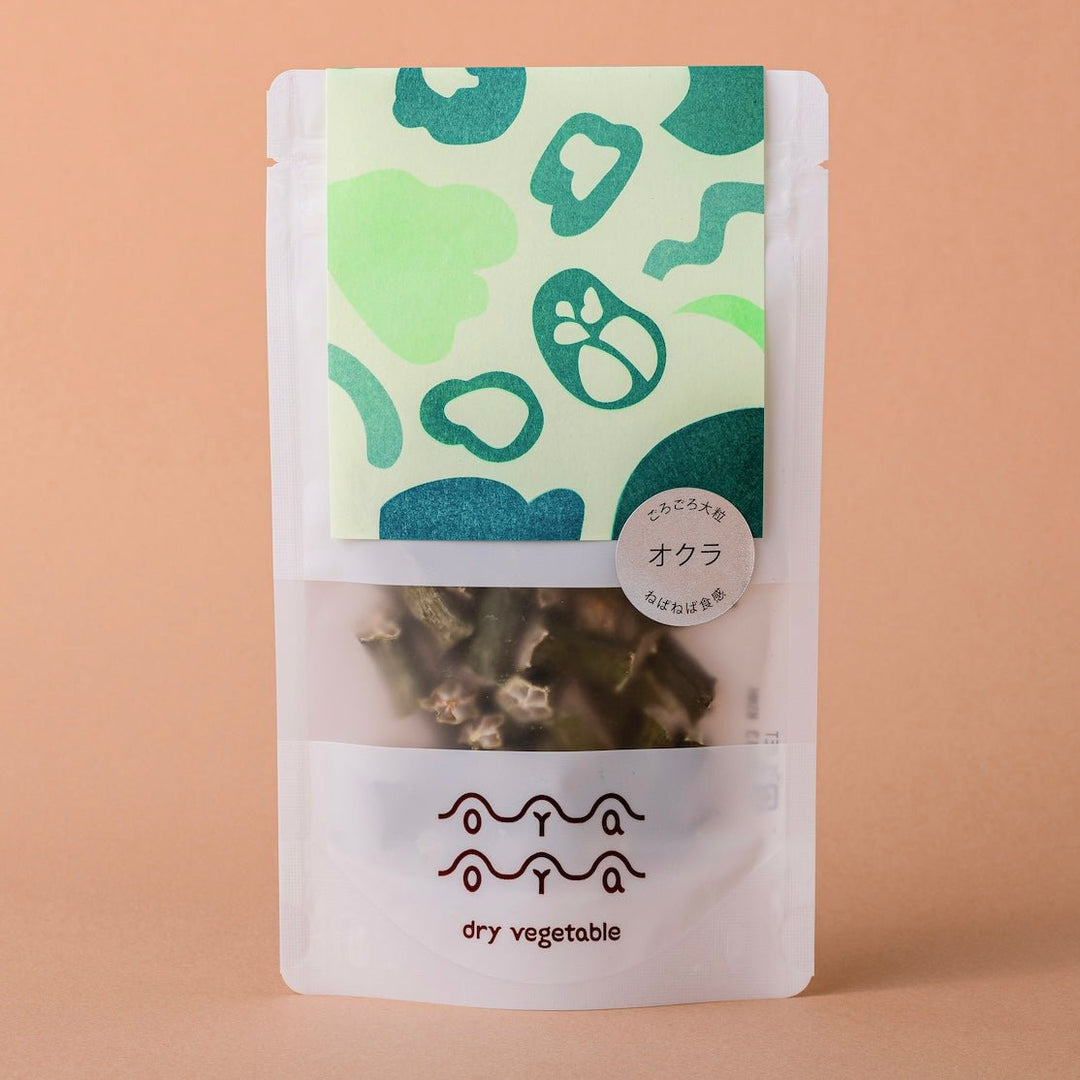
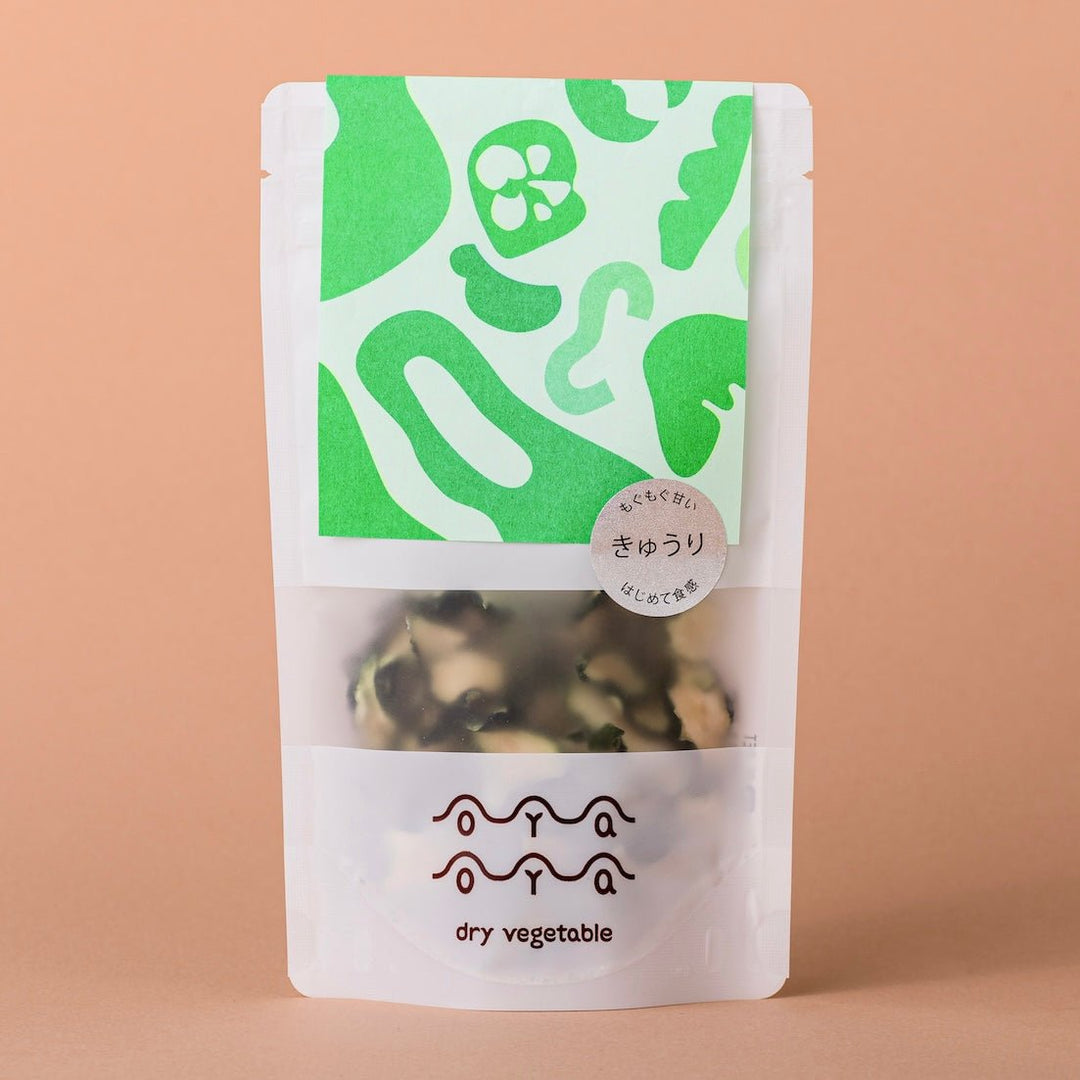
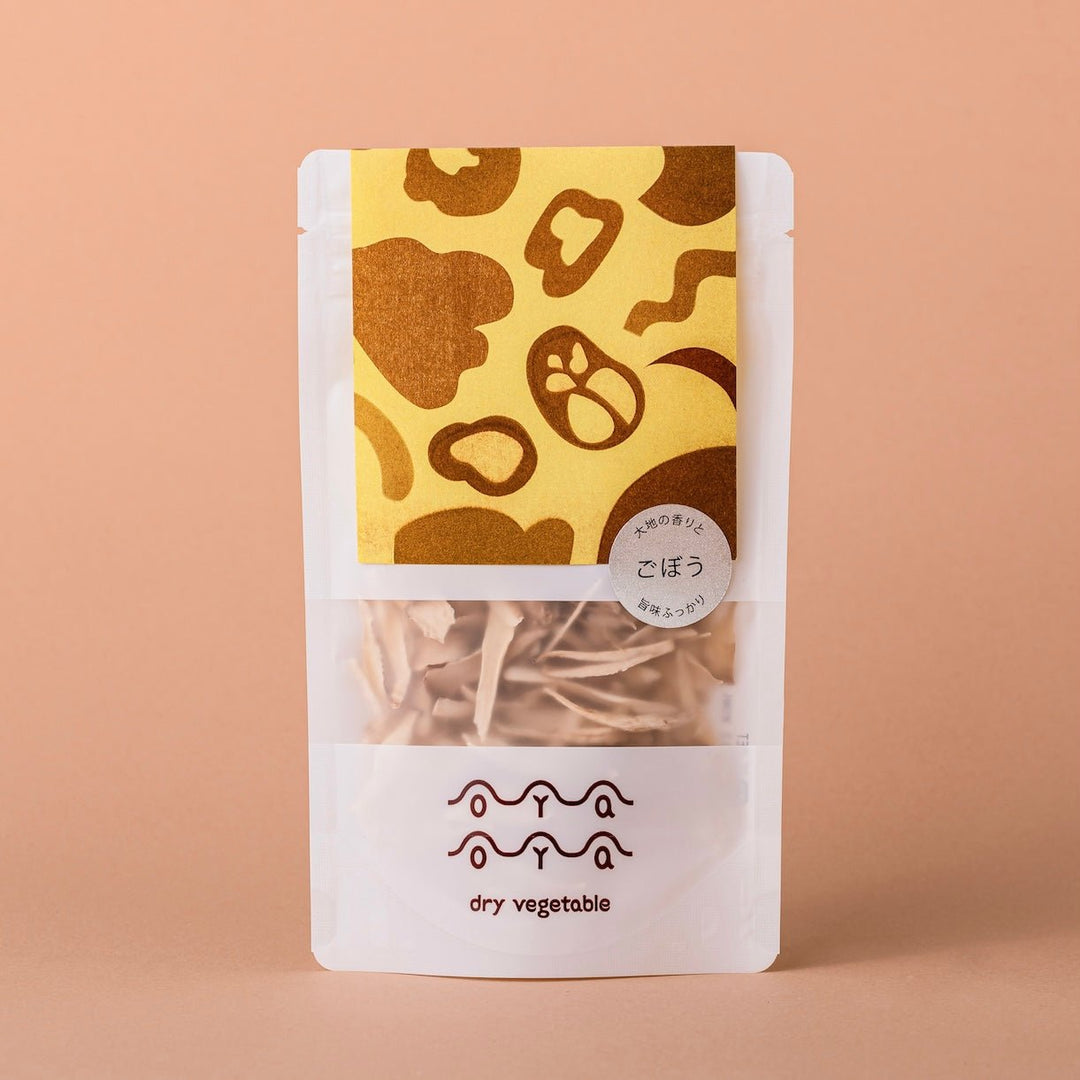
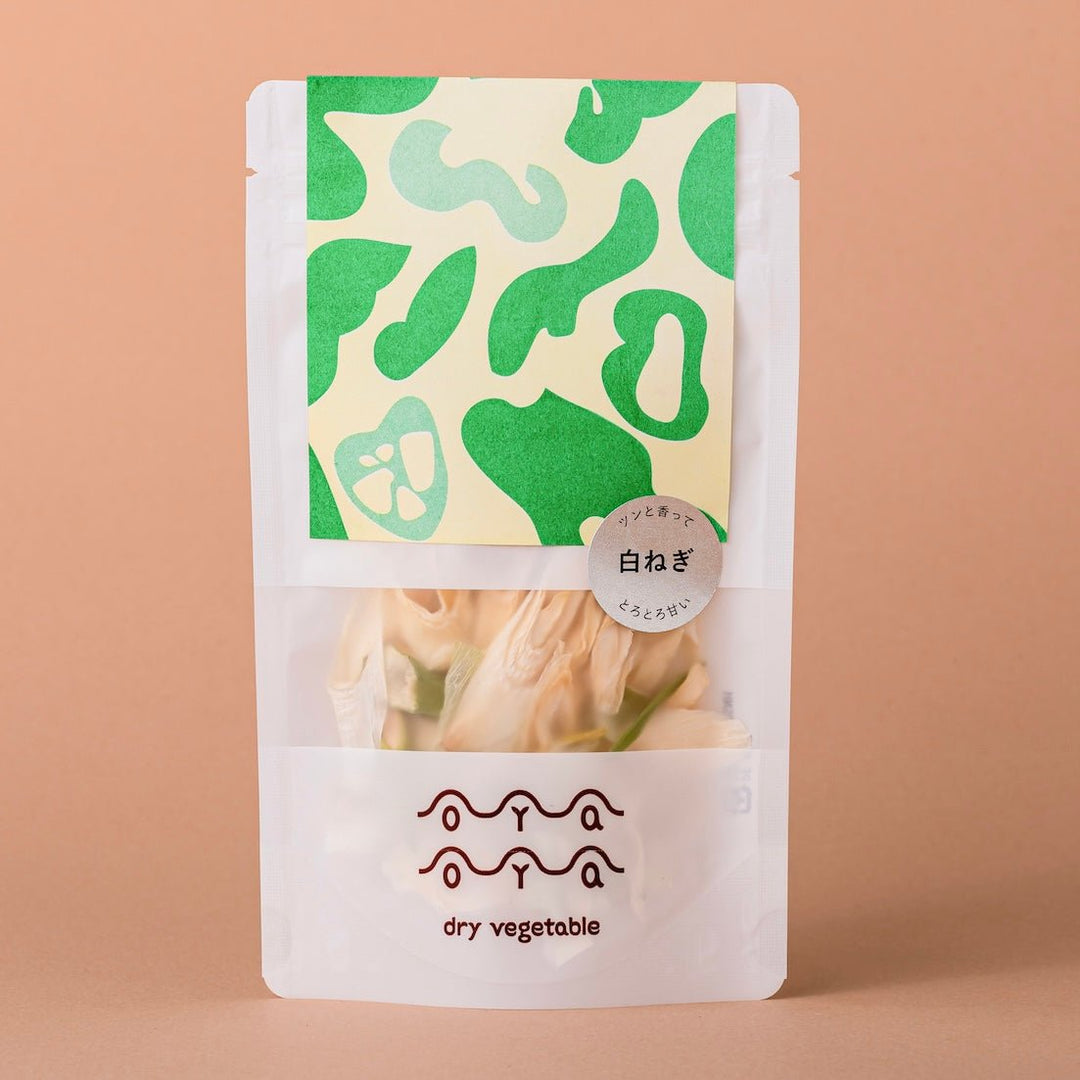
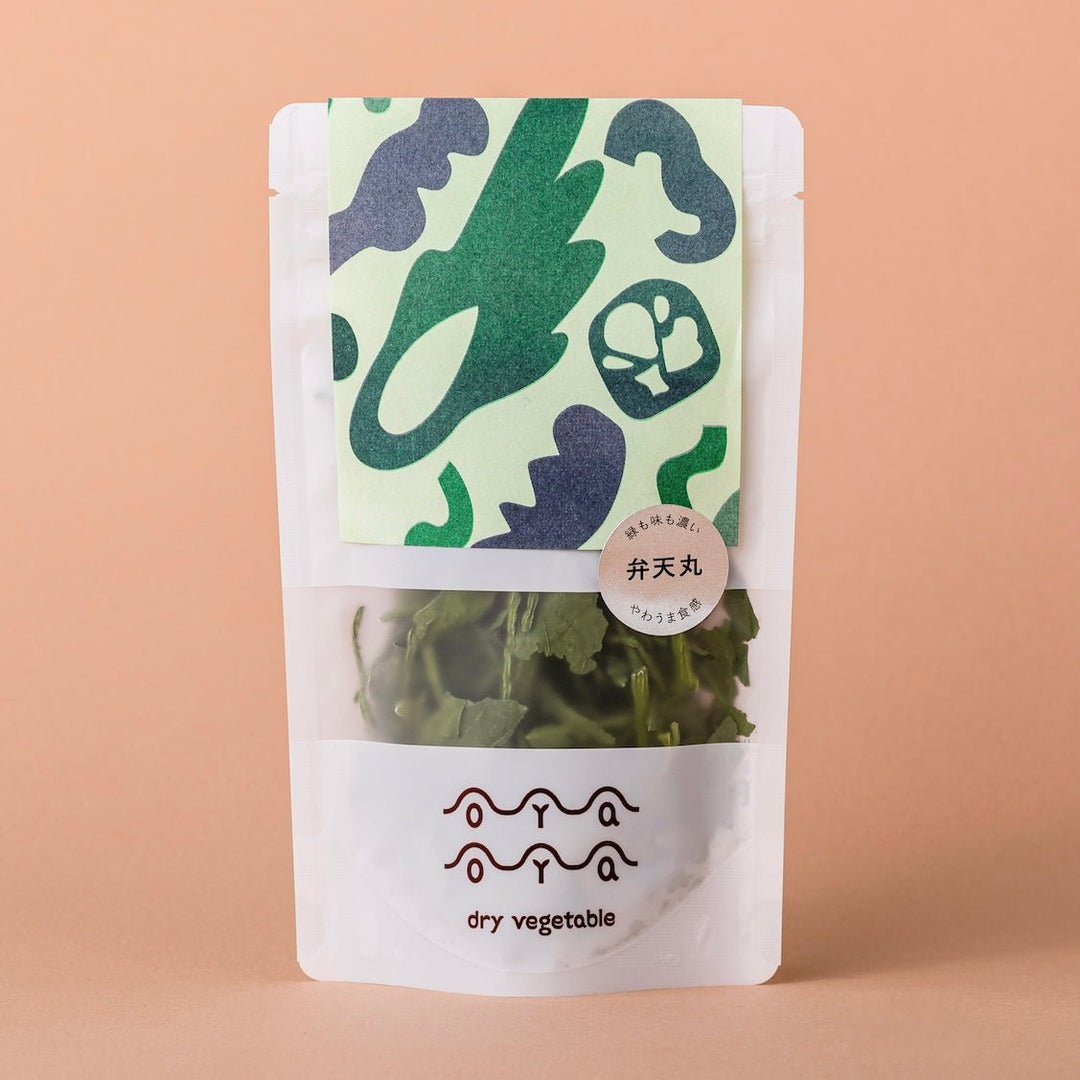
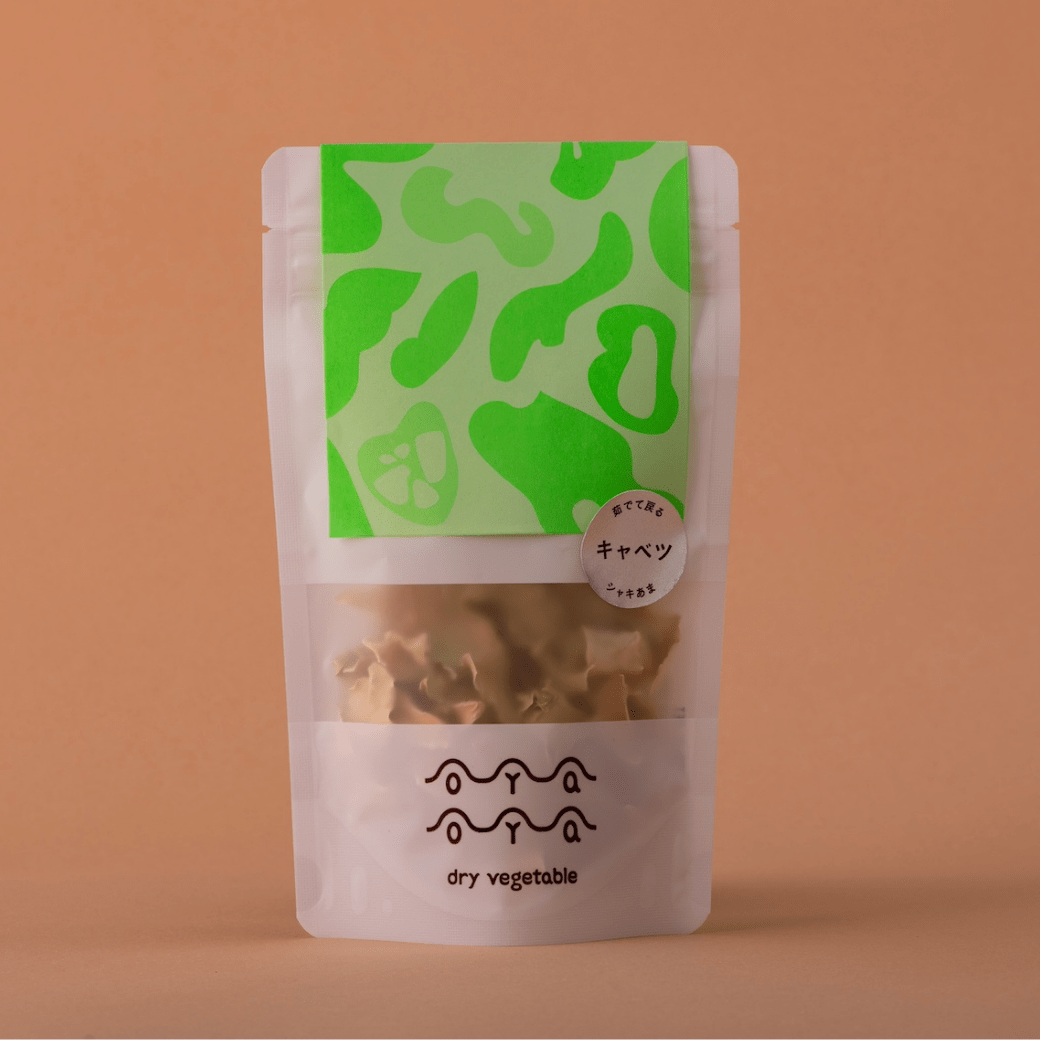
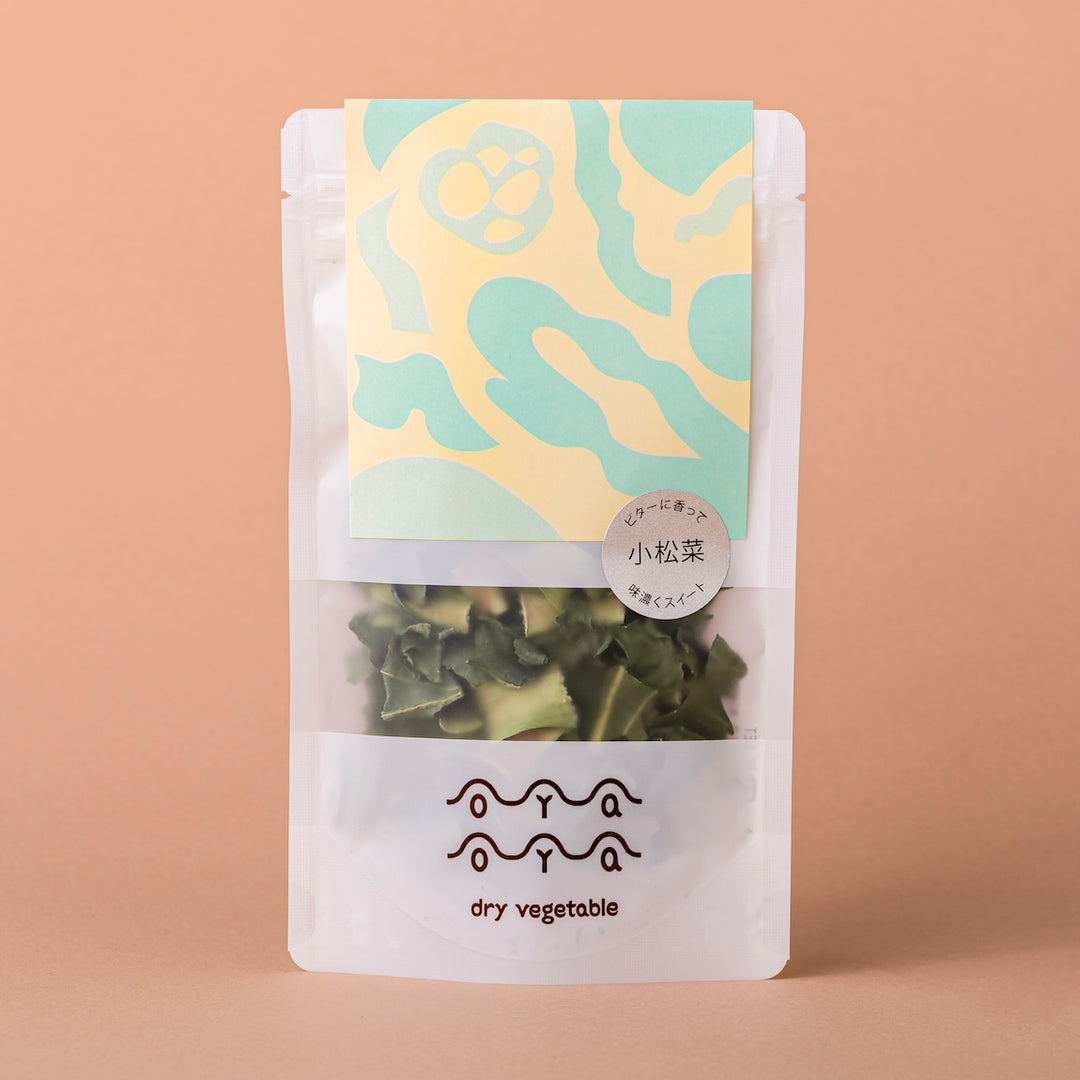
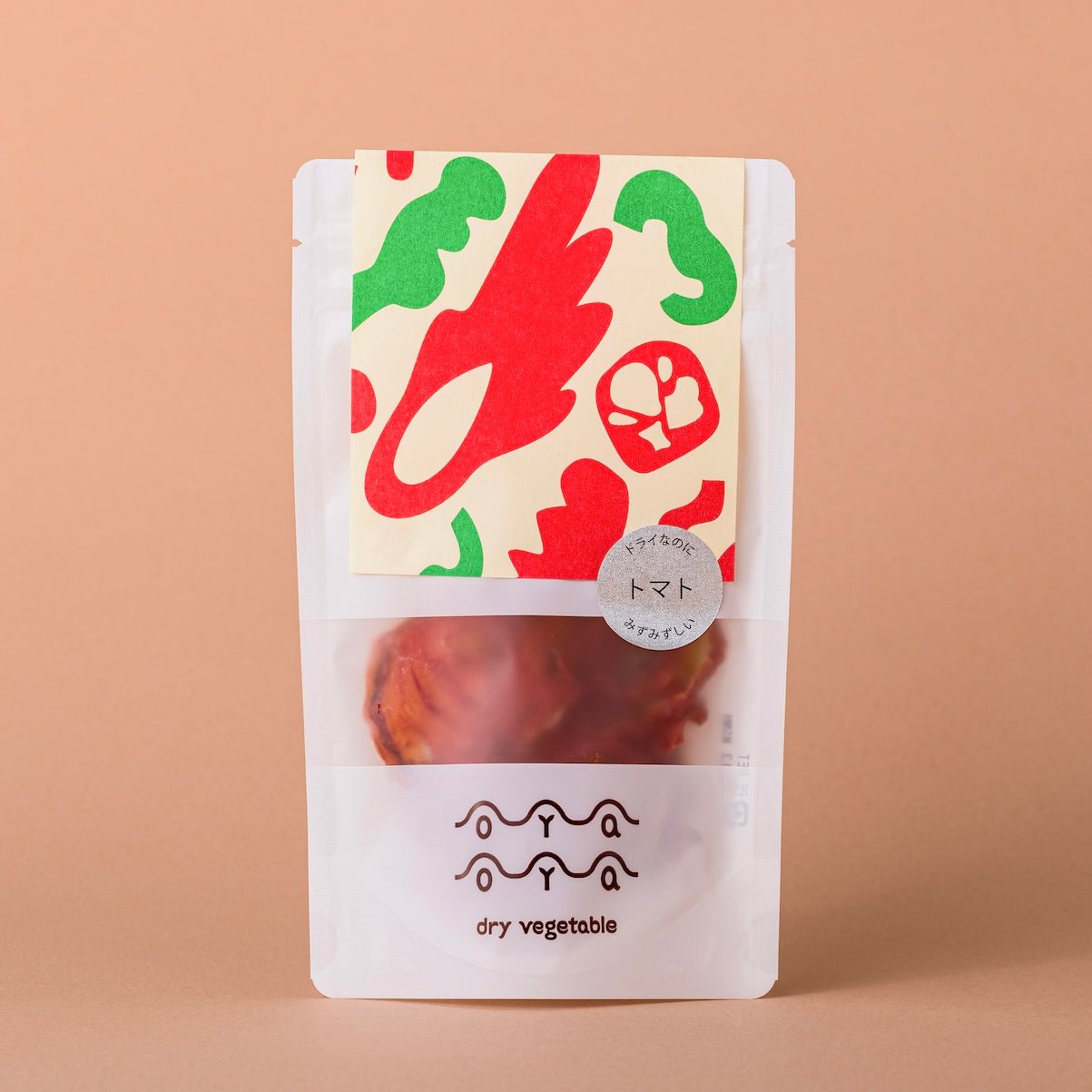
OYAOYA's dried vegetables are dextrose-free.
For dextrose-free dried vegetables, leave it to OYAOYA!
Instead of using dextrose, we dry them slowly at low temperatures, making them relatively soft and enjoyable as they are. Also, since the ingredients are only vegetables carefully grown by farmers, there's no need to rehydrate them with hot water when using them in soups or cooked rice.

You can enjoy the delicious broth, rich in vegetable umami, as a vegetable dashi. Since no dextrose is used, the color will naturally fade, but slow low-temperature drying also brings out the vegetable's umami, ensuring the flavor lasts. If you've ever found that dried vegetables with dextrose have an unnecessary sweetness, you should try these new delicacies from the farm, perfect for even the most discerning palate.

Related Products
Learn more about Dried Vegetables
- 5 Easy Steps to Making Dried Vegetables
- How to Rehydrate Dried Vegetables | 10 Minutes to Bring Back Plump Umami
- How to Store Dried Vegetables and Their Shelf Life
- Dried Vegetables Transform Miso Soup! The Ultimate Ingredient with Concentrated Umami
- 7 Delicious Soup Recipes Made with Dried Vegetables
そのほかの乾燥野菜ブログ
View all