

Recommended Dried Fruits: Explaining the Popularity of Apples and Pears
I was assigned to write a special feature article highlighting the appeal of dried fruits, and two months had passed since I started writing. Having become quite knowledgeable about dried fruits, I had been spending my days ordering dried fruits made with passion by producers from various regions and comparing them with my colleagues.
The primary interest of my editorial team, including myself, was to determine which fruit was the most excellent as a dried fruit.
"I'm definitely a citrus person... you can use them in Western confectionery too."
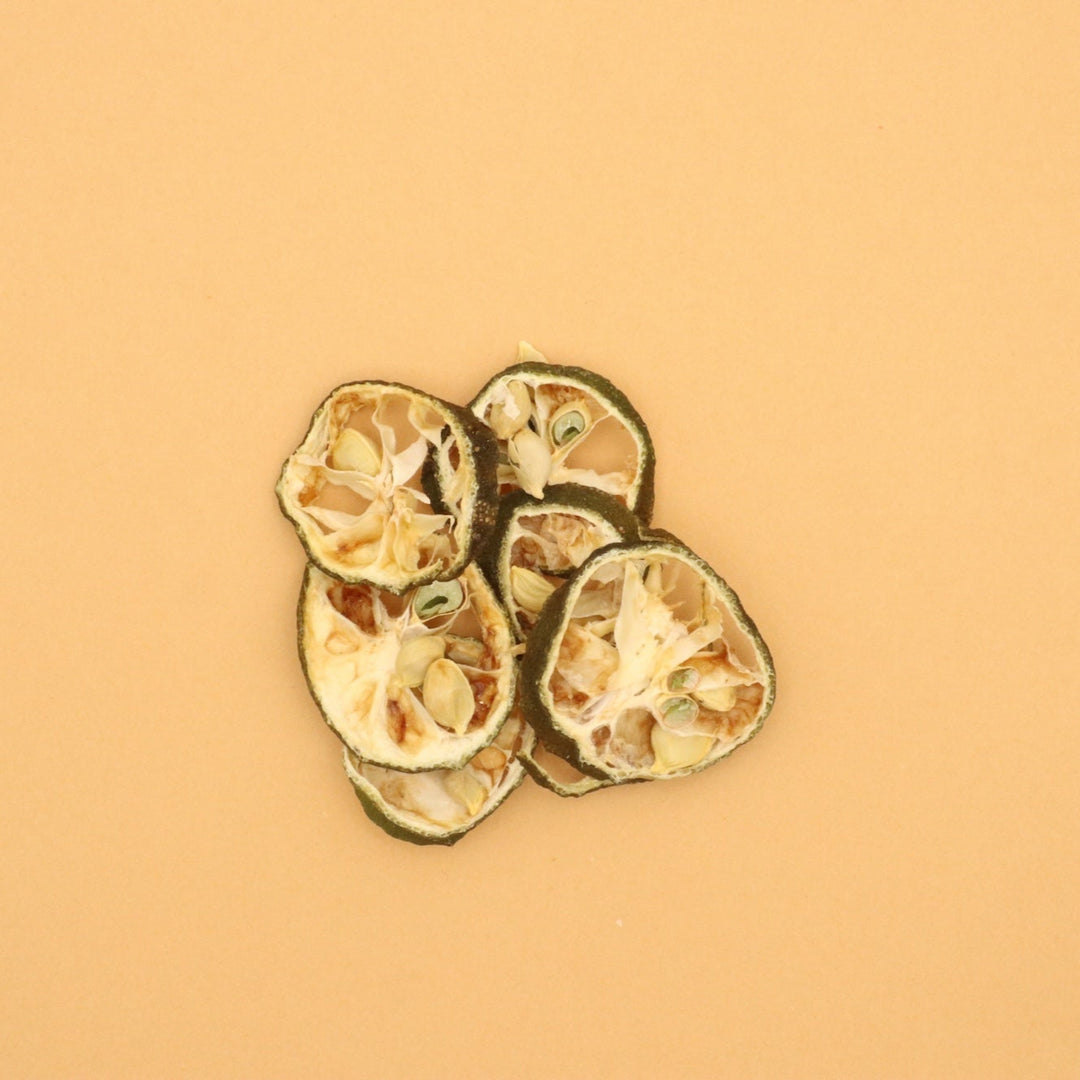
My junior colleague, who enjoys baking, recommended dried mandarin oranges, which I had brought back from my parents' house the other day and were used in a Western confection.
"No, no, tropical fruits definitely win when it comes to dried fruits!"
A young male editor, in his second year at the company, laughed, shaking his large frame.
"What about you, senpai? Which fruit do you recommend?"
When my junior colleague asked me, I was momentarily at a loss for an answer. That's because the more I ate, the more I felt my impressions and preferences for dried fruits change. As my juniors said, citrus dried fruits are versatile and excellent, and tropical dried fruits boast a delightful sweetness. So, what about me? When I thought about it, apples, which are considered "ordinary" in a good way as a fruit, suddenly came to mind.
"Maybe apples..."
When I mumbled that single word, the other editors each showed a surprised reaction.
Apples are rosaceae fruits, and their peak season is said to be from August to November. There are many varieties with excellent texture and a distinct aroma, making them a staple fruit in Japan. When such apples are made into dried fruit, their sugar content further increases, characterized by a concentrated sweetness. Since they can be easily made at home, I believe they are one of the irresistible fruits for dried fruit lovers.
And as a famous rosaceae fruit, just like apples, there is "pear." While apples belong to the genus Malus of the Rosaceae family, pears are classified under the genus Pyrus of the Rosaceae family. Pears have a much higher water content than apples, and their juiciness is a major characteristic. Originally, fruits with high water content are not considered suitable for dried fruit, but I would intentionally recommend pears as a dried fruit. This is because the gentle sweetness and aroma unique to pears, which are brought out when they are dried, are a delightful point. Furthermore, for those who prioritize strong sourness, dried green apples are recommended. The strong sourness, which neither apples nor pears possess, is mellowed by drying, and the aroma is further emphasized.
I sincerely hope many people will try comparing them.
Episode 5: How to Use Dried Fruit As Is | Simple Ways to Eat a Small Amount and Feel Satisfied
The fascinating nature of dried fruit
Dried fruit is a food product where sweetness and aroma are concentrated by removing water from fruit. With its high shelf life and convenience of being eaten as is, it has been widely used since ancient times as a preserved food, and currently as a snack and cooking ingredient.
In recent years, there has been an increase in dried fruits that utilize the natural taste of the fruit without using sugar or artificial flavors. It is gaining renewed attention not just as a sweet treat, but as a food that allows one to enjoy the unique characteristics of its ingredients.
What is particularly interesting is how drastically the impression of the fruit changes when it is dried. It often shows a different character from how it tasted fresh, and therein lies the depth of dried fruit.
What fruits are suitable for drying?
Not all fruits are suitable for drying. The quality of the finished product largely depends on the inherent properties of the fruit.
What's important is that the flavor profile remains distinct after drying. Fruits that inherently have strong sweetness and aroma tend to have their characteristics highlighted through the drying process. Additionally, the ability to maintain texture when chewed is a factor that contributes to satisfaction.
Apples and pears can be said to be very well-balanced fruits that meet these conditions.
Why apples are excellent as dried fruit
Apples may be a very common fruit in Japan. However, when made into dried fruit, their perception changes entirely.
As water is removed through drying, the sugar content of apples becomes relatively higher, enhancing their natural sweetness. The sweetness spreads with every bite, resulting in a satisfying taste even without added sugar. This is a significant advantage for dried fruit.
Moreover, apples are a fruit where varietal differences are easily discernible. The unique characteristics of each variety, such as strong sweetness, tartness, or rich aroma, become even more pronounced when dried. In terms of the joy of comparing different types, apples are an excellent ingredient.
They can be eaten as is, or easily incorporated into yogurt, granola, baked goods, and are widely used from home to commercial settings.
Pears and green apples: unexpected choices
Pears are often considered unsuitable for dried fruit due to their high water content. Nevertheless, they are one of the fruits I specifically recommend.
When pears are dried, their juiciness is lost, but in its place, a mild sweetness and elegant aroma emerge. With less intensity and a light aftertaste, they become a flavor that can be enjoyed even by those who are not particularly fond of sweets. They are also a dried fruit that pairs well as a tea accompaniment or a light snack.
On the other hand, green apples are characterized by their tartness. While they have a sharp impression when fresh, drying them softens the edges of their acidity, and their aroma becomes more pronounced. This makes them a dried fruit suitable for those who want to enjoy a refreshing taste rather than just sweetness. They are also an easy-to-use ingredient as an accent in baked goods and desserts.
The appeal revealed through comparison
The appeal of dried fruit becomes even clearer when you actually compare different types. Apples, pears, and green apples, while belonging to the same fruit family, have vastly different impressions when dried.
It's not about which is superior, but about choosing based on the occasion and your mood. By adopting this perspective, the enjoyment of dried fruit expands even further.
Dried fruit is a profound world that becomes more intriguing the more you learn about it. By all means, try to discover your own "recommendations."
Related Products
Learn More About Dried Fruit
その他のドライフルーツコラム
View all