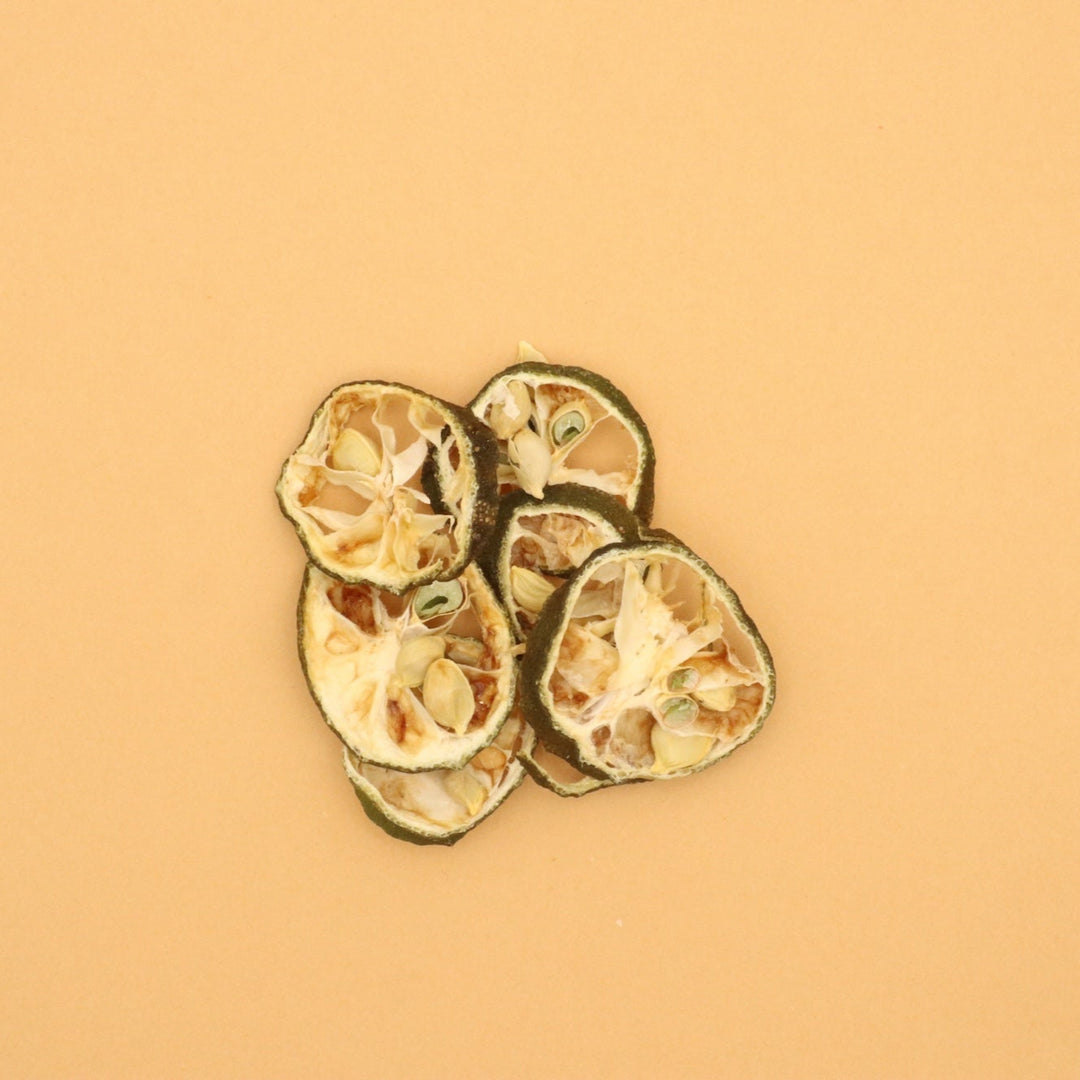



Are dried fruits healthy? Why they're high in sugar and how to enjoy them wisely
The other day, I heard that a junior colleague of mine had gained weight because she ate too many dried fruits as a snack, influenced by the feature articles I was writing. That prompted me to look into the ingredients of dried fruits in more detail.
However, I am writing articles with the sole purpose of conveying the goodness and convenience of dried fruits. My true feeling is that I don't want to say too many negative things about them.
"Hmm... it's also important to convey the facts as they are," I muttered to myself, still facing my computer even after closing time. As I sifted through a vast amount of material, it suddenly occurred to me that perhaps we tend to believe that actively consuming dried fruits directly leads to beauty and health, due to the magical allure of the term "dried fruit."
"They're quite high in sugar, aren't they?"
The biggest characteristic of dried fruits is their sweetness. Why are they so sweet, even though they are just dried fruits?
"They're much sweeter than when you eat the fruit fresh..."
The reason is quite simple. By removing as much moisture as possible from the fruit, its volume decreases, and the natural sugars of the fruit are concentrated. This means that dried fruits were particularly sweet for my colleague with a sweet tooth.
And that's also the pitfall. When using them as a snack while dieting, it goes without saying that you should be careful about the amount you consume. Among them, bananas, mangoes, and raisins are particularly high in calories. Be careful not to overeat.
"She did say she liked mangoes, didn't she?"
I imagined my colleague happily eating dried fruits. She probably ate a small bag of dried fruits sold at a convenience store in no time.
However, there are also recommended dried fruits that you can eat even when dieting. Figs, dates, and prunes have a relatively low sugar content and modest calories among dried fruits.
I strongly believe it would be a waste to exclude dried fruits from your diet just because of their high sugar content, especially when they are highly nutritious, satisfying to chew, and provide a good sense of fullness.
"Everything in moderation. Beauty is not made in a day."
Having finished one article, I closed my computer and left the office.
Are Dried Fruits Really Healthy?
Dried fruits are widely perceived as a "healthy snack." They are undoubtedly an excellent food for nutritional supplementation, rich in vitamins, minerals, and dietary fiber. However, their high sugar content and calories are often overlooked.
To truly understand the health aspects of dried fruits, it is important to know both their advantages and disadvantages. If you only focus on their healthy side and consume them excessively, you may fall into unexpected traps. By learning how to enjoy dried fruits properly, you can maximize their benefits.
Why Are Dried Fruits So Sweet?
Many people have likely been surprised by the sweetness of dried fruits. There's a clear reason why they taste significantly sweeter than fresh fruit.
Moisture is removed, concentrating the sugar
The reason dried fruits are sweet is extremely simple. By drying the fruit, a significant amount of moisture is removed, and while the volume decreases, the fruit's natural sugars remain. This means that, when compared by the same weight, dried fruits have a much higher density of sugar than fresh fruit. Fruits that are naturally high in sugar, such as mangoes and bananas, become even sweeter when dried. This concentrated sweetness is both their appeal and the reason why moderation is necessary.
Beware of high-calorie varieties
Among dried fruits, banana chips, mangoes, and raisins are particularly high in calories. These can exceed 300 kcal per 100g, and if you unknowingly continue to eat them as a snack, your calorie intake can increase more than expected. While commercially available small bags may seem to contain a small amount, they are often eaten quickly, so caution is advised.
Nutritional Benefits of Dried Fruits
Despite their high sugar content, dried fruits offer numerous nutritional benefits that fresh fruits do not. It would be a waste to exclude them from your diet solely due to their high sugar content.
Concentrated vitamins and minerals
Dried fruits are rich in concentrated minerals such as iron, potassium, and magnesium. Prunes and dates, in particular, are abundant in iron and are said to help prevent anemia. The ability to efficiently take in nutrients in small amounts is a significant advantage for people leading busy lives. They are also rich in dietary fiber, which contributes to improving the intestinal environment.
Satiety from chewing
Dried fruits require thorough chewing, which is a characteristic that helps achieve satiety with smaller amounts. Chewing well stimulates the satiety center, which can help prevent overeating. Compared to sweets like chocolate and cookies, the natural sweetness of dried fruits provides satisfaction, making them an excellent choice for a snack.
Tips for Smart Consumption
Let's cover key points to maximize the health benefits of dried fruits while minimizing the drawbacks of high sugar content and calories.
Determine your daily appropriate amount
The recommended daily amount of dried fruits is approximately 30-40g, though it varies by type. This is roughly the amount that fits lightly in the palm of one hand. This amount allows you to enjoy the nutritional benefits while preventing excessive calorie intake. Pre-packaging them into smaller portions can help prevent overeating.
Choose low-sugar varieties
For those on a diet or concerned about sugar intake, it is recommended to choose dried fruits with relatively lower sugar content. Figs, dates, and prunes are among the dried fruits that are modest in calories and have a good balance of nutrients. Choosing unsweetened options allows you to enjoy the natural sweetness of the fruit.
The Right Approach to Dried Fruits
Dried fruits remain a healthy food. However, if you let your guard down due to their sweetness and overeat, it can lead to weight gain and excessive sugar intake. The key is to consume them in moderation and choose the varieties that suit you.
Nutritious and satisfying to chew, dried fruits can be a strong ally in enriching your daily diet if consumed properly. Balance is key in all things. Enjoy the appeal of dried fruits and lead a healthy lifestyle.
Related Products
Learn More About Dried Fruits
その他のドライフルーツコラム
View all