

How many types of dried fruit are there? The unknown world of variations
"So, how many different kinds of dried fruit have you actually tried?"
During a long-awaited lunch with a colleague from a different department, I found myself at a loss for words when faced with this sudden question. For a colleague who specializes in economic articles, their interest was probably in "numbers." It was true that I had eaten a lot of dried fruit since I started putting together a special feature on it. But I had only been comparing producers and, surprisingly, hadn't paid attention to the varieties of dried fruit themselves.
"Um... there's mango, banana, grapefruit..."
Just how many kinds of dried fruit are there, anyway? It was from this casual conversation with my colleague that I keenly felt my lack of data.
Returning to my desk, I spent several hours researching. I couldn't help but sigh.
"I had no idea there were so many..."
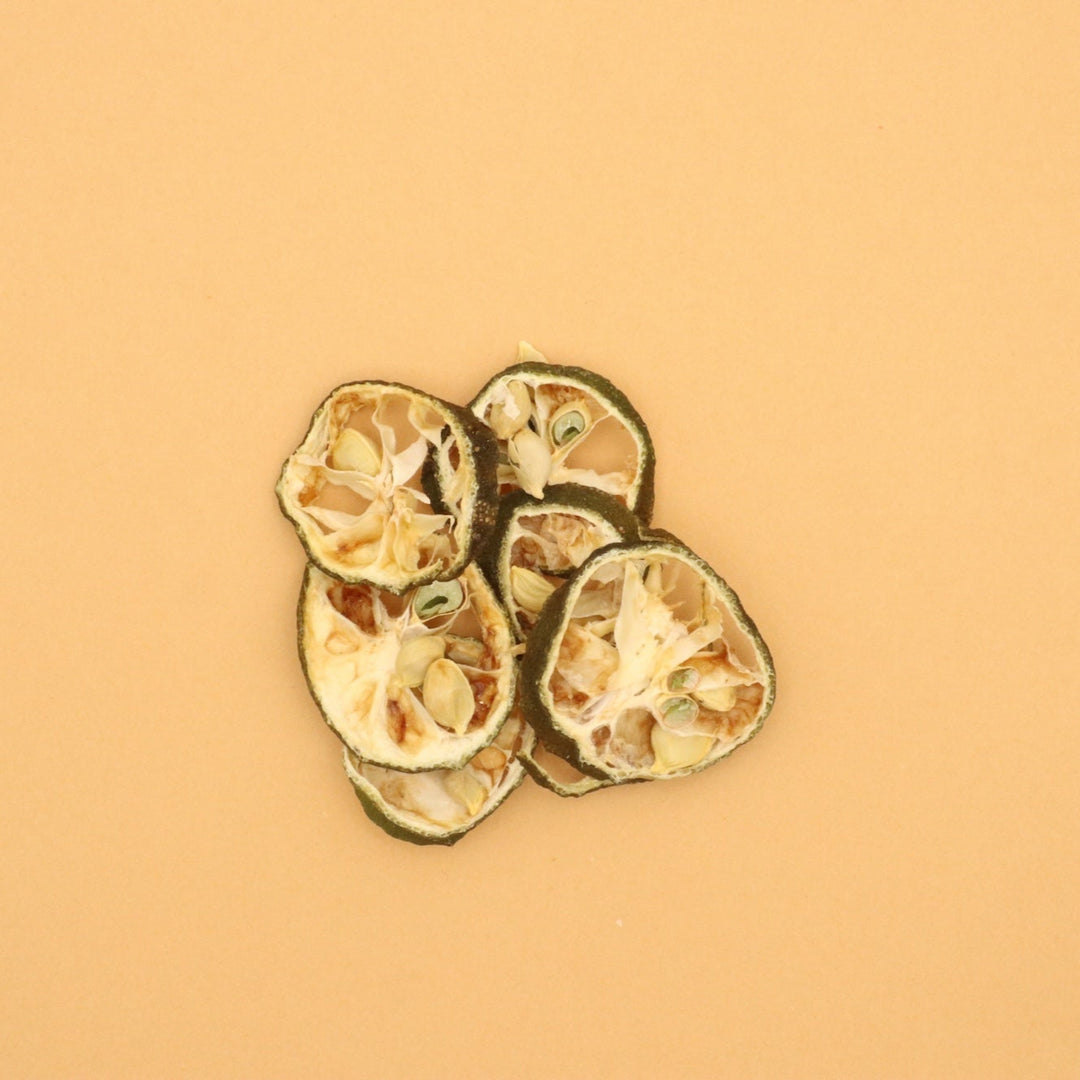
I realized just how mainstream the dried fruits I had been ordering and eating were. Dried fruit was truly a food with a rich variety. Put simply, there are as many dried fruits as there are fruits. Some specialty stores that handle slightly more niche products reportedly carry over 80 types of dried fruit.
"The dried fruits I knew were just the tip of the iceberg."
The more I researched, the more unusual dried fruits I discovered.
"I've never eaten this before."
I decided to try dried dragon fruit, which is considered rare in Japan. One week after ordering it, a small crowd had gathered around my desk.
"Wow! I've never seen anything like this!"
"I wonder how it tastes."
What my colleagues were excitedly looking at was the dried dragon fruit I had ordered. Dragon fruit, despite its flashy appearance, is characterized by its light taste. However, drying it increases its sweetness and stickiness, transforming its taste to something like sweet potato.
"It's quite satisfying, isn't it?"
This experience allowed me to truly appreciate the depth and deliciousness of dried fruit, and gave me a wonderful opportunity to reflect on my lack of knowledge.
There are more types of dried fruit than you might imagine
When you think of dried fruit, you might imagine common varieties like mango, banana, and raisins. However, it's no exaggeration to say that there are as many types of dried fruit as there are fruits. Specialty stores sometimes carry over 80 varieties, making its rich assortment a truly unexplored territory.
The dried fruits available in Japanese supermarkets and convenience stores are just a small fraction of what's out there. Dried fruits produced around the world reflect the climate and culture of their respective regions, and their tastes and textures are completely different. The world of dried fruit is truly profound, the more you learn about it.
Popular dried fruits and their appeal
First, let's take another look at the characteristics of popular dried fruits that many people are familiar with.
Mango, Banana, Pineapple
Dried tropical fruits are the most popular category in Japan. Mango, when dried, has its sweetness condensed, making its sticky texture even richer. Banana chips are characterized by their crispy, light texture and remain a popular snack. Pineapple has a good balance of sweetness and tartness, making it an excellent match for yogurt and cereal.
Raisins, Prunes, Cranberries
Berry and grape-based dried fruits are widely used in cooking and baking. Raisins are a staple ingredient in bread and cakes, and can also be enjoyed on their own for their natural sweetness. Prunes are rich in iron and dietary fiber, making them popular among health-conscious individuals. Cranberries are characterized by their sweet and sour taste, and are delicious when paired with salads and cheese.
Unusual dried fruits you might not know about
Beyond the classics, there are many dried fruits in the world that are still largely unknown. Here are some unique flavors that you won't forget once you try them.
Dragon fruit, Kiwi, Fig
Dragon fruit, which has a light taste when fresh, undergoes a complete transformation when dried, developing a sticky sweetness and a texture like sweet potato. Dried kiwi has an exquisite balance of tartness and sweetness, and its vivid green color is beautiful. When dried, figs have a distinct crunchy seed texture that becomes more pronounced, and a rich sweetness that spreads with every bite.
Persimmon, Pear, Cherry
Japanese fruits also reveal new charms when dried. Dried persimmon has long been cherished as a traditional preserved food in Japan. Dried pear is a new category that has been gaining attention recently, with its crisp texture changing into a unique chewiness through drying. Dried cherries have concentrated tartness and sweetness, and are popular as a topping for desserts.
How to choose and enjoy dried fruit
Once you've been amazed by the variety, the fun of finding your favorite dried fruit awaits.
Choose unsweetened options
When choosing dried fruit, opting for unsweetened varieties allows you to enjoy the fruit's natural sweetness. While sugared dried fruits are popular as an easy snack, if you want to know the true taste of the ingredient, additive-free options are recommended. Check the ingredient list and choose simple ones made only from fruit.
Find your preference by comparing flavors
One way to enjoy dried fruit is not only to savor one type deeply but also to compare multiple varieties. Using an assortment set from a specialty store allows you to try various flavors at once. Exploring your preferences—whether for intensely sweet, tart, or uniquely textured fruits—is also a great pleasure of dried fruit.
The world of dried fruit is endlessly vast
The variety of dried fruits is far richer and more diverse than what we usually see. From classic mangoes and raisins to surprising variations like dragon fruit and pears, the possibilities are as numerous as the fruits themselves.
Encountering a dried fruit you've never tasted before is also an encounter with new flavors. Why not try incorporating a slightly different dried fruit into your daily snacks or cooking? You're sure to find unexpected deliciousness and discoveries.
Related Products
Learn More About Dried Fruits
その他のドライフルーツコラム
View all