

"Just drying them makes them better" - Is it true? The pros and cons of dried vegetables explained
A head of cabbage for 500 yen. The price of vegetables is steadily rising, to the point where such news is making headlines.
"I bought it, but couldn't use it all," or "I found it had spoiled." That's a waste and it impacts food expenses.
This is where "dried vegetables" come in handy. Simply slicing and drying leftover vegetables makes them last much longer, and also boosts their flavor and nutritional value. Scraps and outer leaves that were languishing in your refrigerator can be transformed into delicious pantry staples by drying. Since they keep longer, you can shop less frequently, and cooking becomes easier. This truly is wisdom perfectly suited for our times.
This time, we've thoroughly compared the pros and cons of dried vegetables. Is it really worth it? Who is it suitable for? I'll share my experiences.
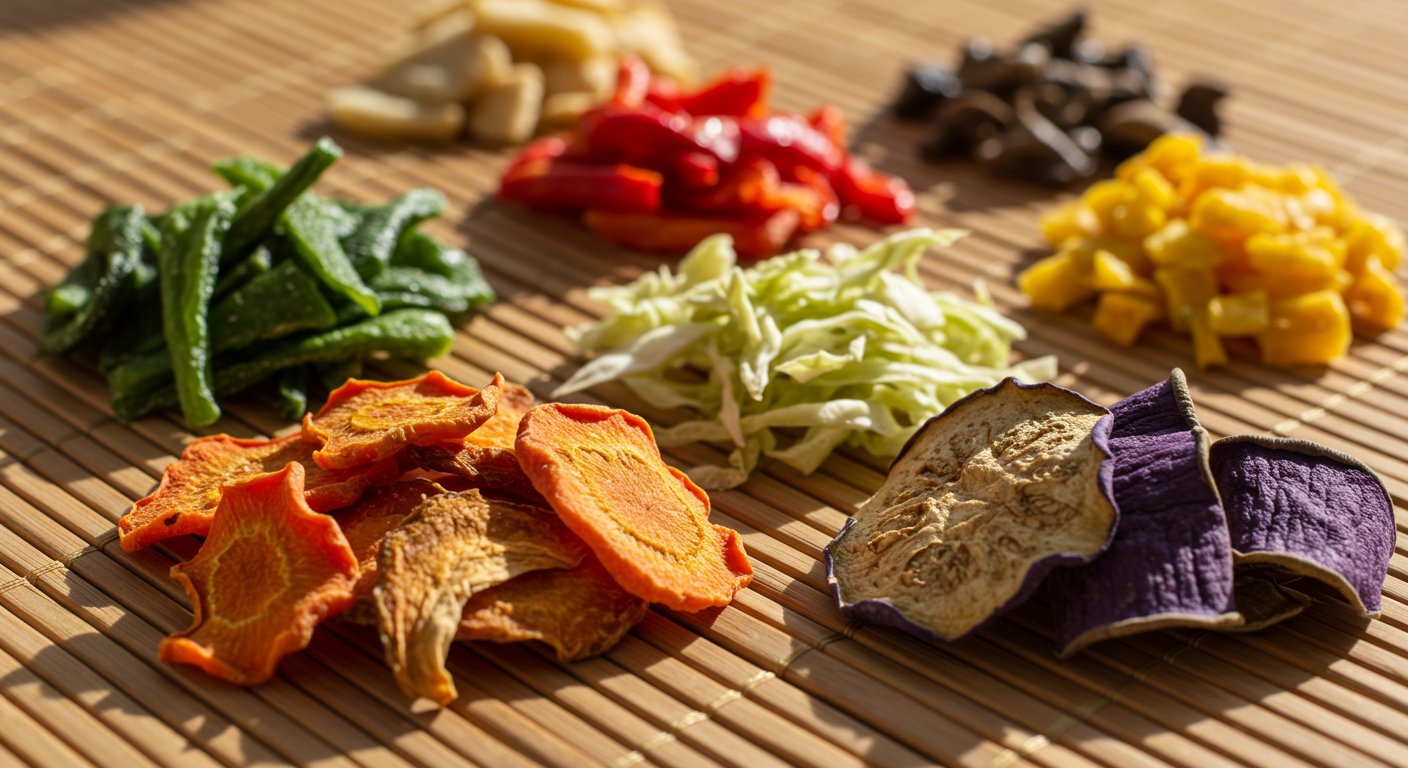 5 Benefits of Dried Vegetables
First, let me tell you all about the appeal of dried vegetables.
1. Longer Shelf Life
The biggest appeal of dried vegetables is, without a doubt, their excellent shelf life! By removing moisture, they can be stored for much longer than fresh vegetables. Vegetables that would spoil in a week in the refrigerator can be stored for several months by drying them. Especially if sealed tightly in a storage bag and kept in a cool, dark place, some can last for over six months.
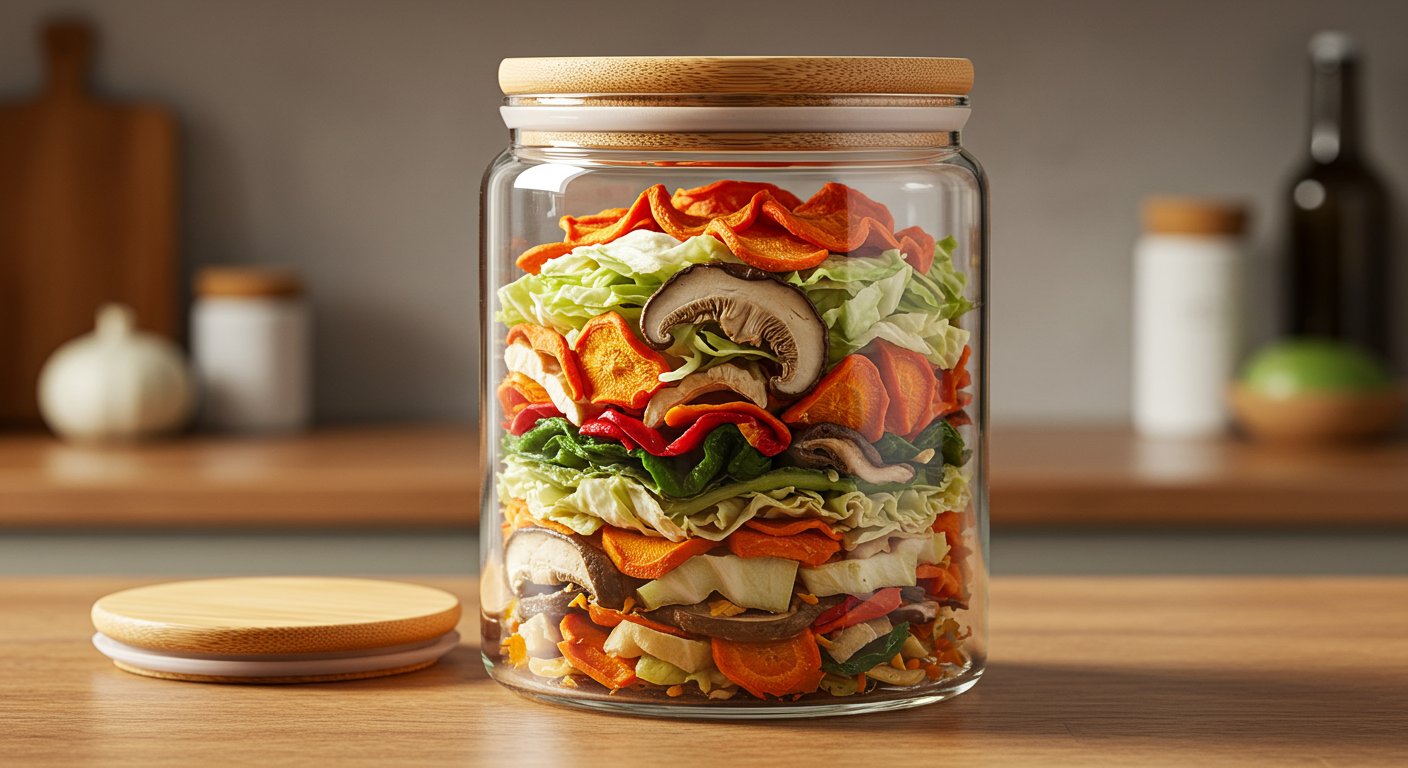 Being able to reduce the frequency of grocery shopping is also a welcome benefit. Especially during busy periods or times when vegetable prices are soaring, like recently, they can be a strong ally for household finances.
2. Enhanced Nutrients and Umami
Dried vegetables lose moisture through drying, becoming much more compact. A major feature is that you can consume more dietary fiber for the same amount eaten compared to fresh vegetables.
For example, when daikon radish or carrots are dried, their volume decreases but their fibrous content remains, allowing you to create dishes rich in dietary fiber that support bowel movements and gut health.
Furthermore, the sweetness and umami of the vegetables are concentrated, naturally deepening the flavor of your dishes. Just as the rehydrated liquid from dried shiitake mushrooms is used as dashi, other dried vegetables also release their umami, allowing you to enjoy delicious flavors without needing to add dashi.
3. Saves Cooking Time
Dried vegetables are pre-cut, which shortens cooking time. This is a great help for preparing dinner on busy weekdays!
I dry a batch of vegetables on weekends when I have time, and then use them during the week. For miso soup or stew, you can add them directly without rehydrating. For simmered dishes or stir-fries, rehydrate them slightly with water, and a dish is ready in no time.
For example, for simmered dried daikon and fried tofu, simply rehydrate the dried daikon quickly with water, then simmer. Yet, the daikon, with its enhanced umami from drying, has a deeper flavor that's distinct from fresh daikon.
4. Space-Saving and Compact
Fresh vegetables take up a lot of space in the refrigerator, don't they? But with dried vegetables, the moisture is removed and they shrink, so you don't have to worry about storage space.
Half a head of cabbage fitting into one small bag is truly like magic! This is especially recommended for people living alone who have limited refrigerator space.
5. Contributes to Reducing Food Waste
Drying unused or irregular vegetables helps reduce food waste. Don't you think that's a wonderful thing?
At my parents' house, even oddly shaped vegetables that couldn't be sold at market were transformed into excellent ingredients by drying them. It's truly ancient wisdom, turning "waste" into "deliciousness."
3 Disadvantages of Dried Vegetables
While dried vegetables offer many advantages, to be honest, there are also some disadvantages. Knowing them beforehand can help you use them more effectively.
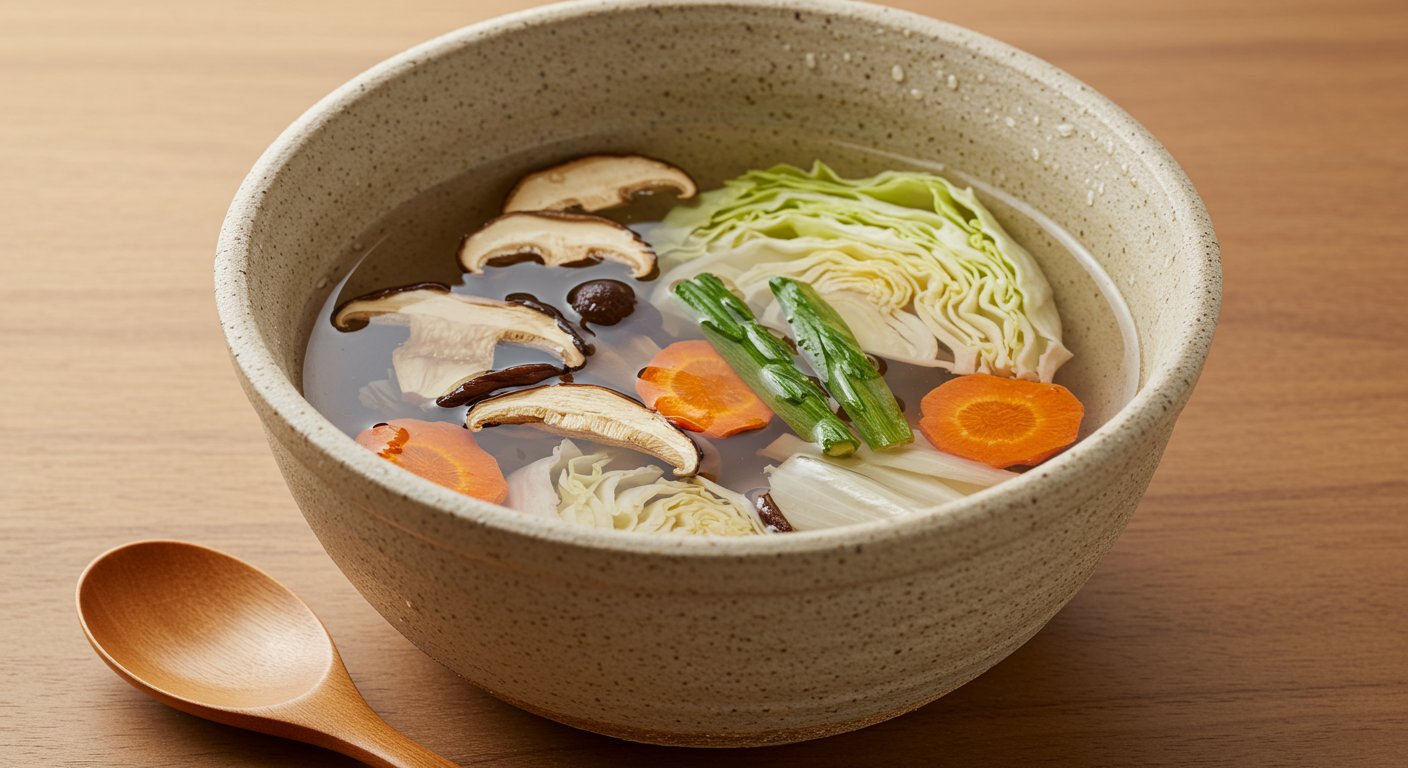 1. Changes in Texture and Flavor
Dried vegetables can lose the crispness and texture of fresh vegetables. This change occurs due to the significant reduction in moisture.
Dried vegetables are not very suitable for dishes like salads that are enjoyed raw. I, too, was initially surprised, thinking, "Why is the texture so different?" However, it's important to understand this change and use them in appropriate dishes.
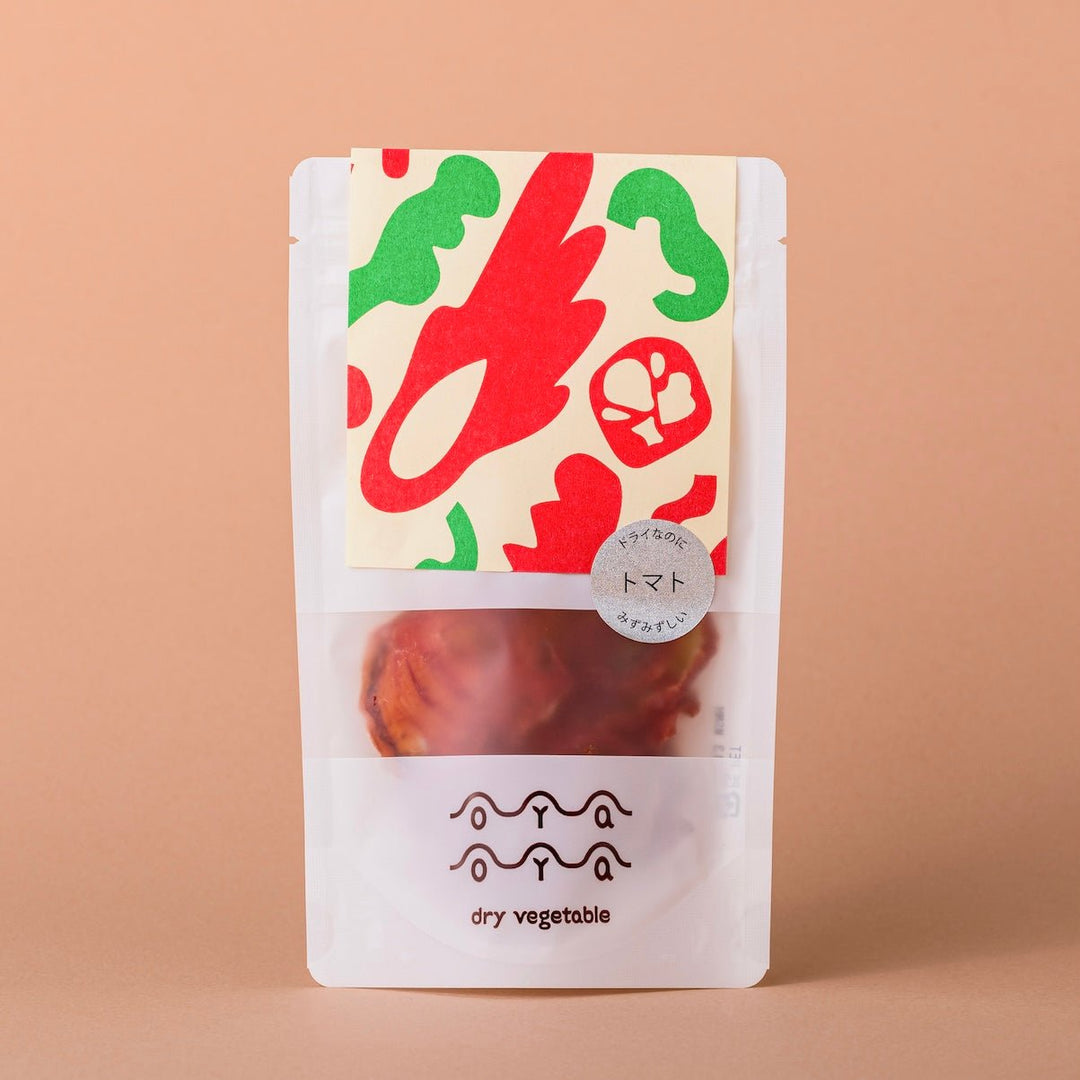
For example, while drying tomatoes concentrates their sweetness, the juicy quality unique to fresh tomatoes is lost. It's crucial to choose dishes that leverage each characteristic.
2. Rehydration Time Required
When using dried vegetables, rehydration time may be necessary. This can be a bit inconvenient when you want to cook quickly.
However, for dishes with a lot of liquid like miso soup or stew, you can add them directly! In fact, they rehydrate while simmering and release their umami, killing two birds with one stone.
My go-to time-saving trick is to soak them in water the night before. They'll be rehydrated by the next morning, so you can use them quickly even during busy mornings.
3. Potential Loss of Some Nutrients
Dried vegetables retain many nutrients, but water-soluble vitamins like vitamin C can decrease during the drying process. Especially with high-temperature drying methods, heat-sensitive nutrients are prone to loss.
That's why it's important not to rely solely on dried vegetables, but to eat a balanced diet with fresh vegetables. In our household, we cleverly combine dried and fresh vegetables.
Nonetheless, dried vegetables still contain plenty of dietary fiber and minerals, so there are ample health benefits. It's important not to strive for perfection, but to incorporate them effectively.
Pros and Cons: A Realistic Evaluation Table of Dried Vegetables
| Item | 〇 Pros | × Cons |
|---|---|---|
| Preservation | Long-term storage possible. Doesn't take up refrigerator space | Requires attention to rehydration and storage conditions |
| Taste/Flavor | Sweetness and umami are concentrated, providing deliciousness without the need for dashi | The crispness and freshness unique to fresh vegetables are lost |
| Nutritional Value | Dietary fiber, calcium, iron, etc., tend to be concentrated | Water-soluble vitamins like Vitamin C tend to decrease |
| Ease of Cooking | Pre-cut for time-saving. Can be used directly in miso soup or stews | May require rehydration time. Not suitable for all dishes |
| Food Waste Reduction & Eco-friendliness | Effectively utilizes unused or irregular vegetables | None in particular (if managed correctly) |
| Cost Performance | Counters soaring vegetable prices. Prevents waste of cabbage costing 500 yen per head | May require a dehydrator or similar in seasons or regions not suitable for sun-drying |
Conclusion: Are Dried Vegetables Really Worth It?
We've thoroughly compared the pros and cons of dried vegetables, but if I were to answer the question, "Is it really worth it?", I'd say "YES."
With benefits like long-term storage, concentrated nutrients and umami, reduced cooking effort, space-saving, and contributing to food waste reduction... don't you think the minor disadvantages are negligible?
Of course, the fresh crispness and texture unique to raw vegetables are lost, and rehydration may sometimes be necessary. However, if you understand their characteristics and use them skillfully, dried vegetables can become a strong ally that enriches our diet.
Especially during times when vegetable prices are soaring like recently, it helps save on food expenses and also contributes to keeping the refrigerator organized. Most importantly, isn't it wonderful to be able to breathe new life into vegetables that you might have regretfully thrown away?
Why not incorporate the wisdom passed down by our ancestors into modern life? Enjoy a slightly richer dining experience with dried vegetables.
Related Products
Learn More About Dried Vegetables
- Dried Vegetables: Cabbage Edition | Why the Sweetness is Enhanced
- 5 Simple Steps to Make Dried Vegetables
- How to Rehydrate Dried Vegetables | Full Flavor Revived in 10 Minutes
- How to Store Dried Vegetables and Their Shelf Life
- Dried Vegetables Transform Miso Soup! The Ultimate Ingredient with Concentrated Umami
そのほかの乾燥野菜ブログ
View all