

Reducing Food Waste with Dried Vegetables! Practical Effects and Methods You Can Implement at Home
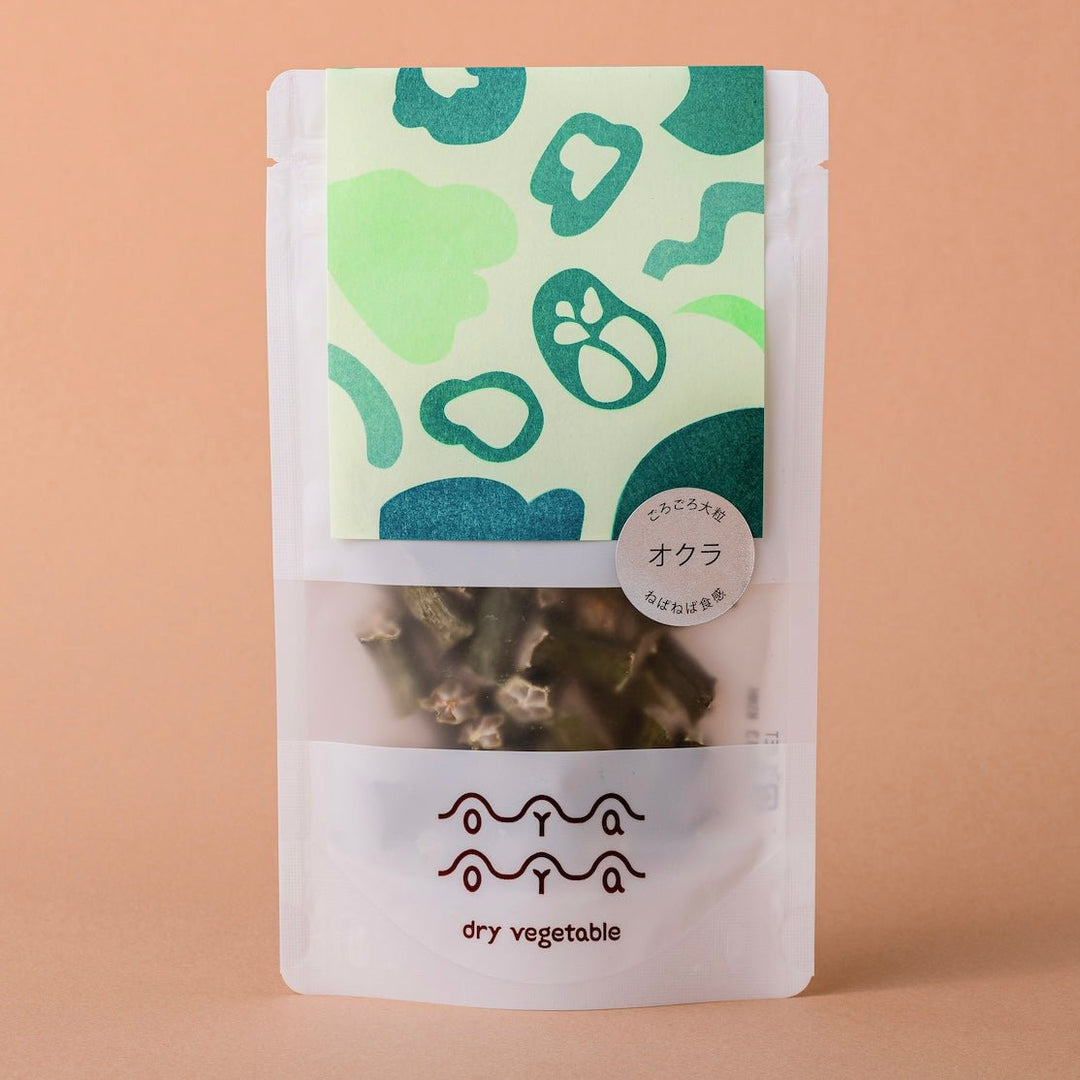
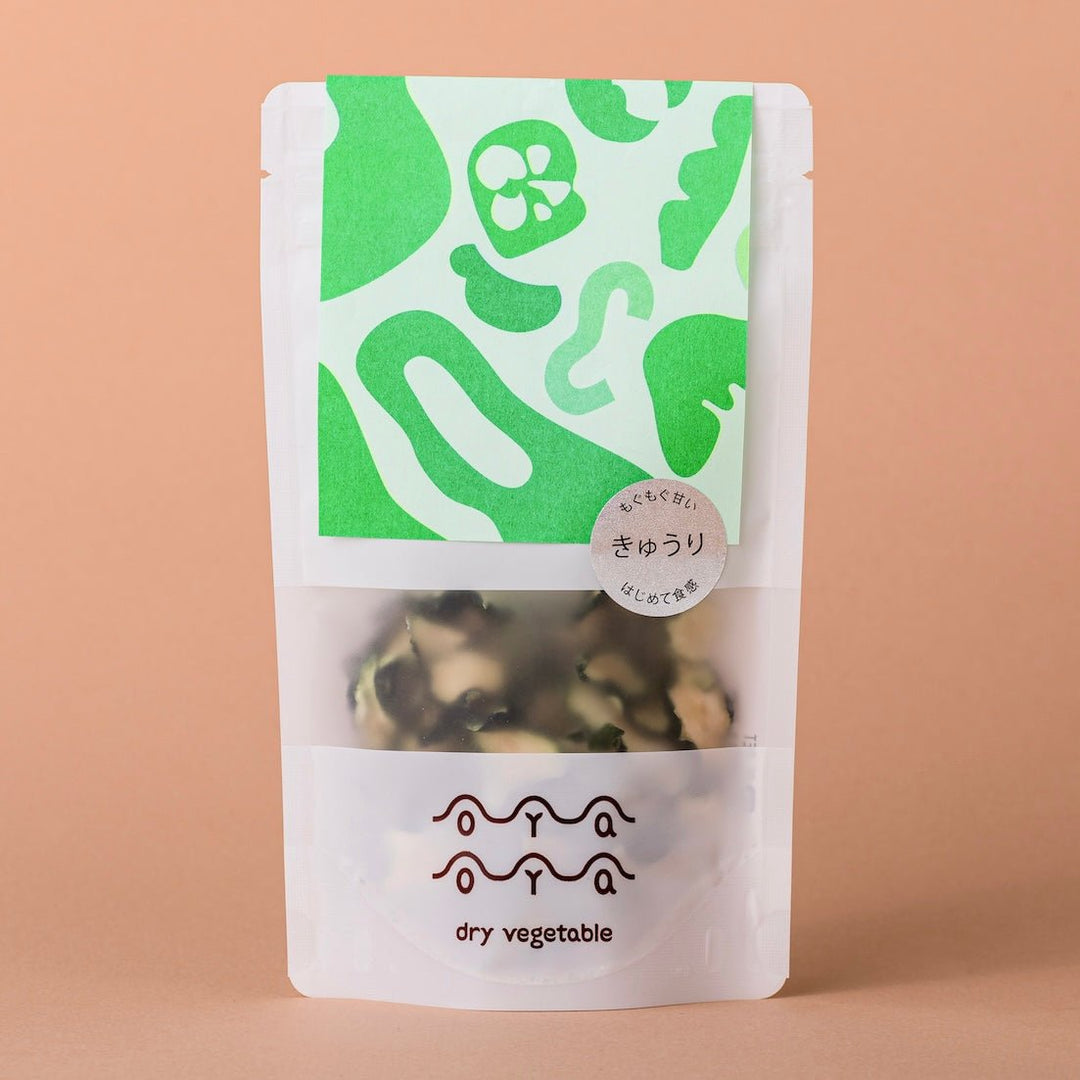
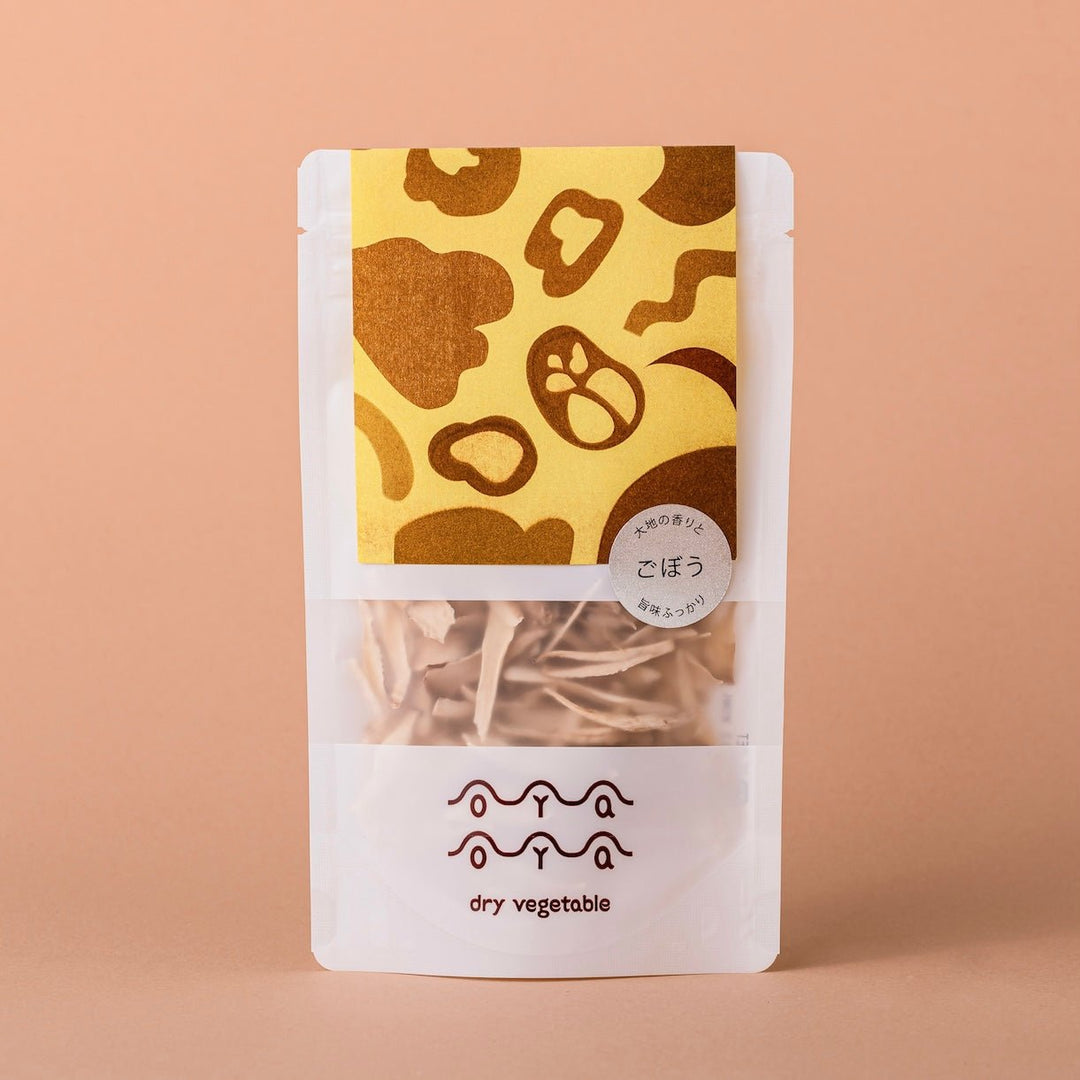
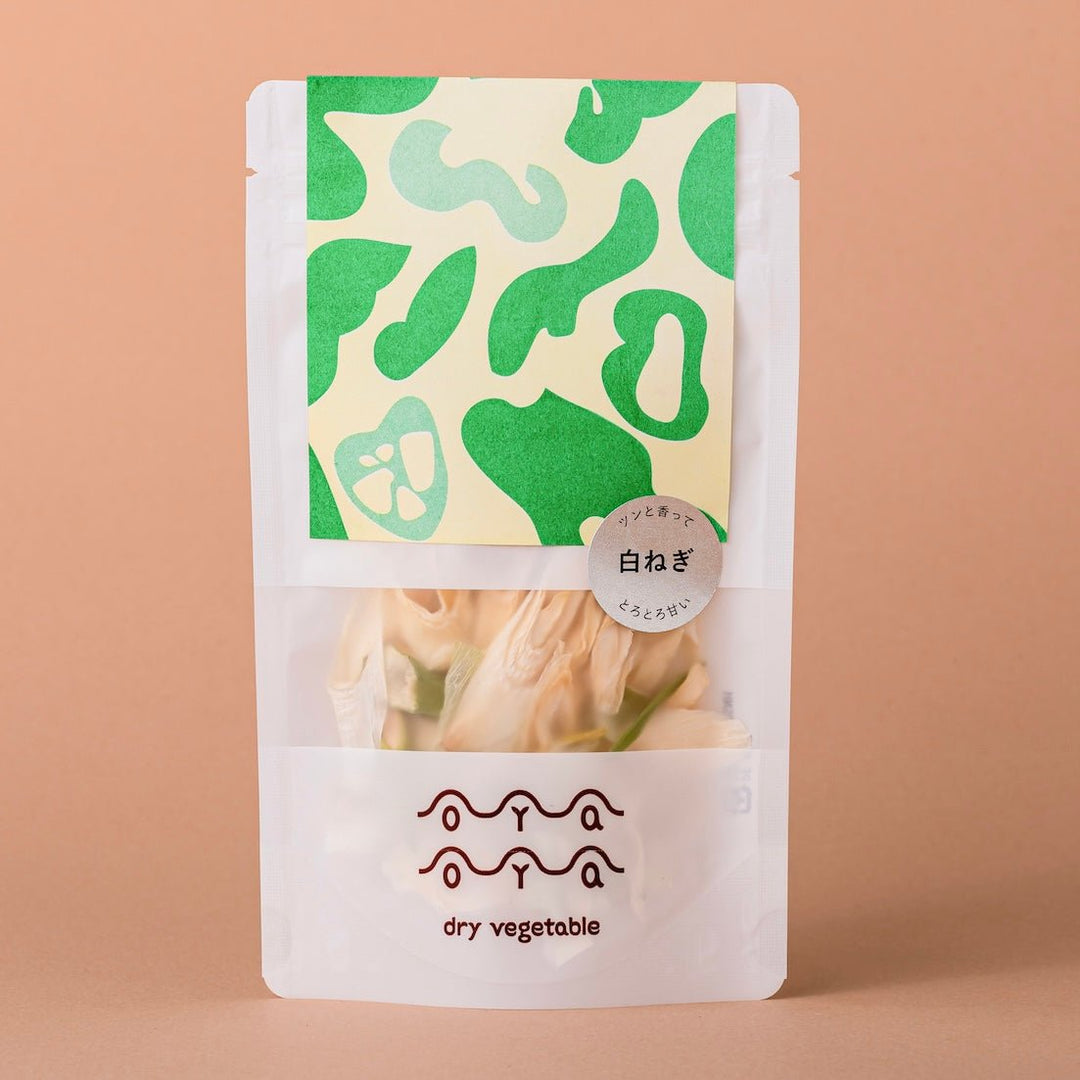
Those shriveled vegetables in the corner of your fridge. Haven't you ever felt guilty throwing them away because you couldn't use them all? Actually, there's a way to breathe new life into those vegetables. It's called "dried vegetables."
Dried vegetables are not just a way to preserve food; they're also a powerful ally in reducing food waste. By removing moisture, they can be stored for longer, and at the same time, their umami is concentrated – a win-win situation.
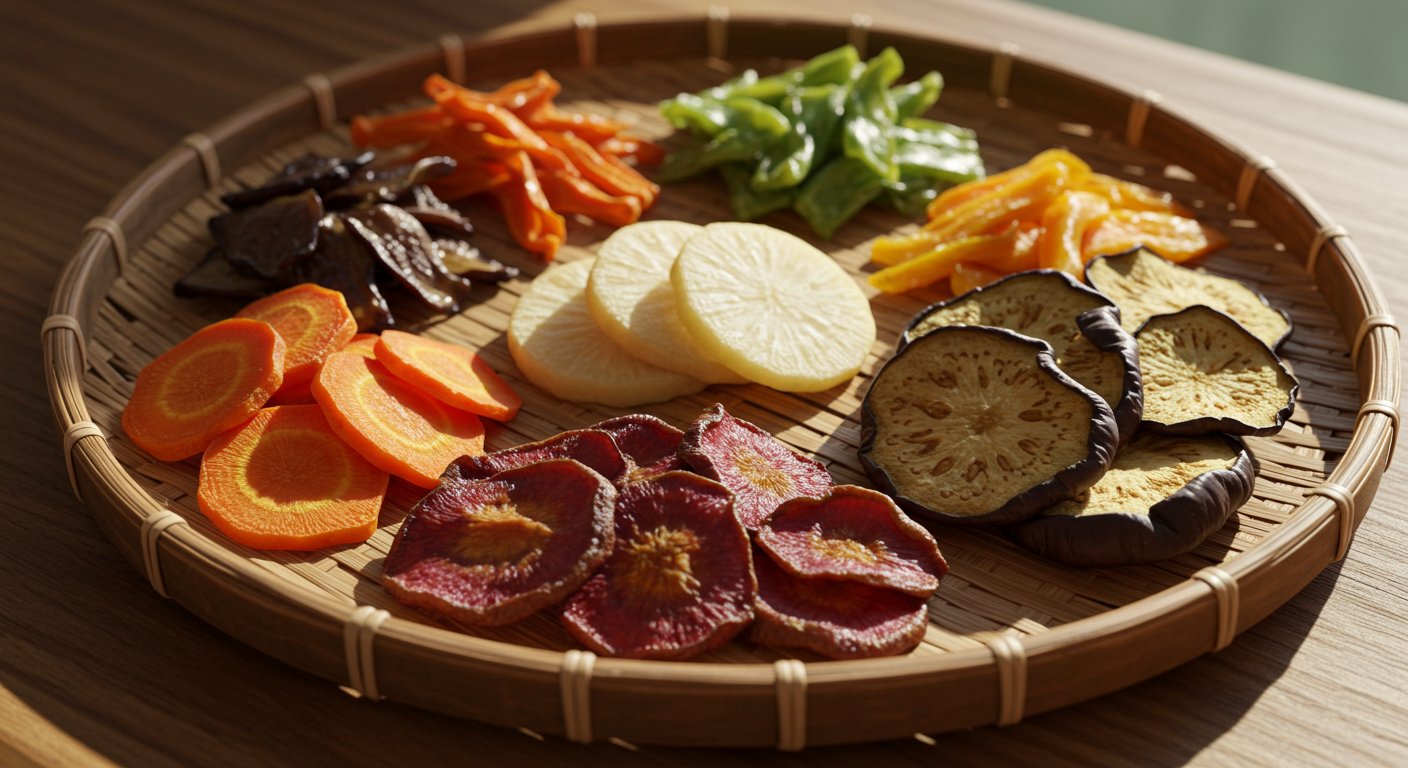
Another appeal of making dried vegetables is how easy it is to start, even without special equipment. This time, we'll introduce the benefits and practical methods of making dried vegetables at home.
Three Surprising Effects of Dried Vegetables
Dried vegetables offer many unexpected benefits beyond simply extending their shelf life. I'll share the specific effects I've experienced through my daily practice.
Concentrated Nutrients and Umami
When vegetables are dried, their moisture is removed, and their nutritional value becomes significantly concentrated. Since raw vegetables are 80-90% water, removing this moisture not only concentrates their umami but also specific nutrients. For example, dietary fiber increases by about 4-8 times per serving compared to fresh vegetables once the water is removed.
Of particular note is the concentration of umami components. Using dried vegetables in your cooking adds a depth of flavor, elevating your everyday dishes. The intense aroma of dried shiitake mushrooms and the increased sweetness of dried carrots are experiences that will hook you once you try them.
Long-term Storage and Food Waste Reduction
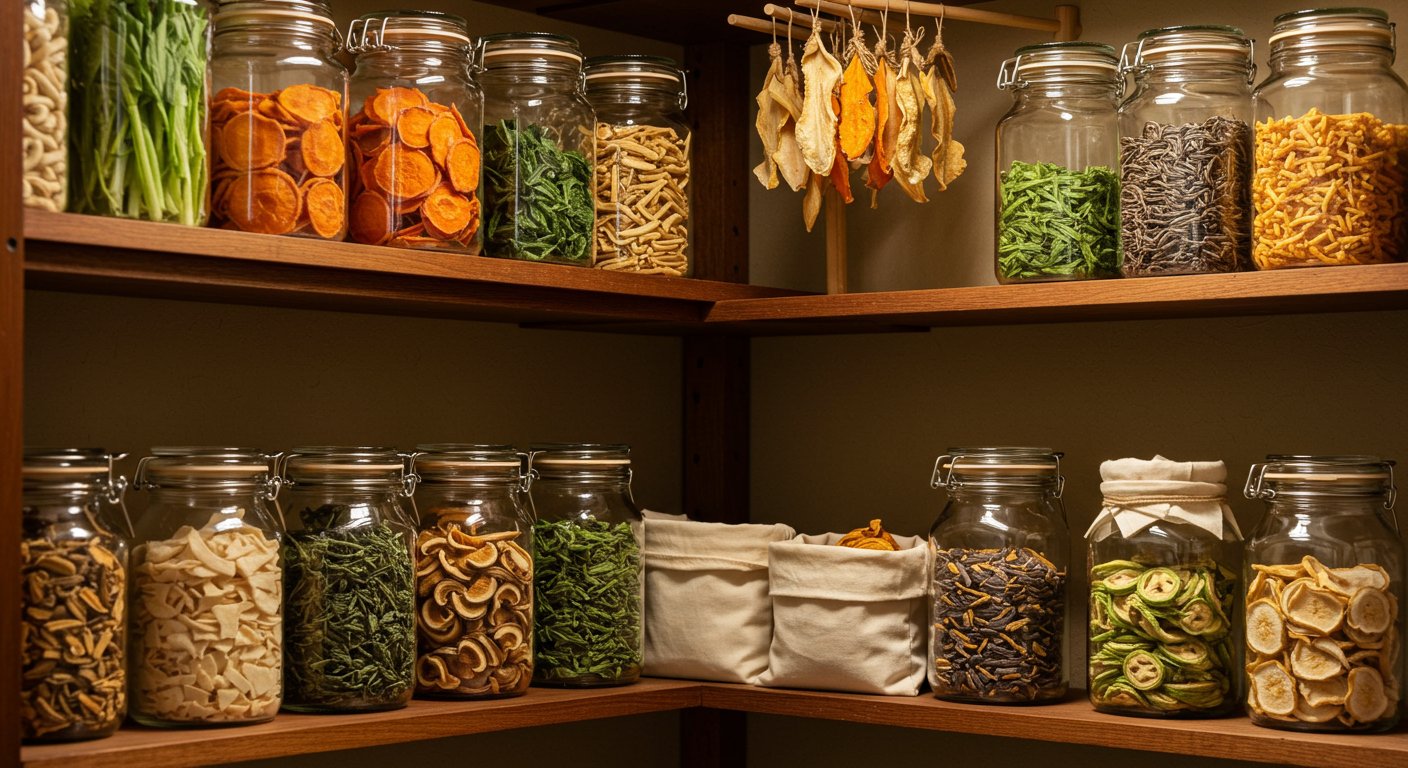
The greatest appeal of dried vegetables is, without a doubt, their excellent preservability. If dried thoroughly, they can be stored in the refrigerator for two weeks or in the freezer for several months.
When you buy too many vegetables, receive a large quantity as a gift, or harvest a lot from your home garden at once, drying them allows you to enjoy them deliciously without wasting any.
 Reduced Cooking Time and Expanded Culinary Range
Dried vegetables are already prepped, significantly cutting down on cooking time. Dried vegetables are a huge help when preparing dinner on busy weekdays.
Furthermore, drying changes their texture and flavor, allowing you to enjoy different dishes than with fresh vegetables. For example, adding dried eggplant to miso soup gives it a richer aroma, and dried carrots can be enjoyed in salads with a crisp texture.
Your culinary repertoire will greatly expand.
Anyone Can Do It! Basic Dried Vegetable Making Method
Making dried vegetables is actually very easy. You can start with items you already have at home, even without special equipment. If you follow the key points, even beginners can successfully make delicious dried vegetables.
Tools and Ingredients Needed for Making Dried Vegetables
First, you'll need a well-ventilated colander or net. If you don't have one, you can substitute with a baking sheet or a regular colander that you have at home.
Beyond that, a knife, a cutting board, and paper towels to wipe off moisture are sufficient. A special dehydrator is convenient, but not essential. Drying with the power of nature is the simplest way to achieve the best flavor.
 And of course, the ingredients are vegetables. For beginners, it's recommended to start with vegetables that have less moisture. Mushrooms and root vegetables (carrots, daikon radish, lotus root, etc.) are particularly suitable.
4 Steps to Making Basic Dried Vegetables
Making dried vegetables generally involves four steps:
-
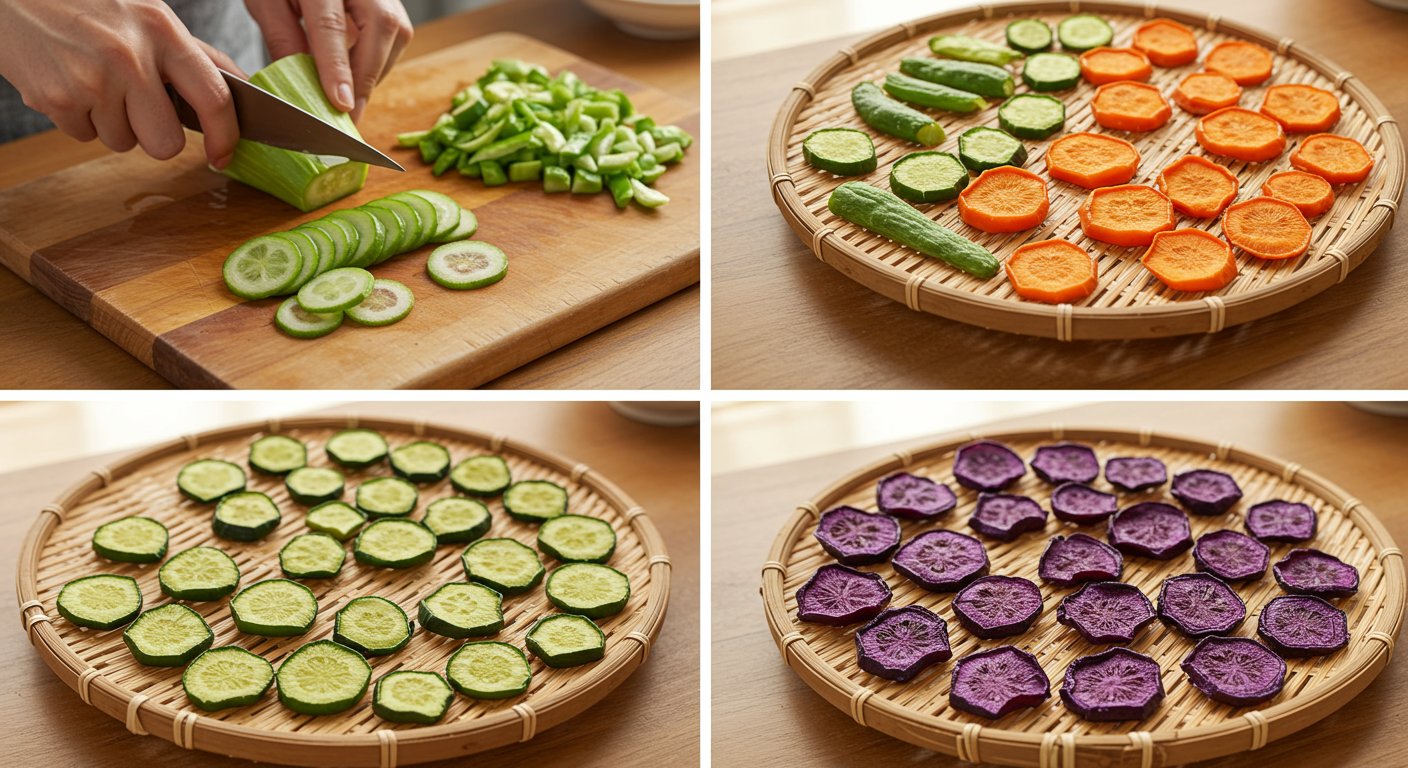
Wash and cut the vegetables: Many vegetables can be used with their skin on. Wipe off moisture thoroughly and slice thinly or julienne.
-
Arrange: Place them on a colander or net so they don't overlap. The more surface area exposed to the air, the faster the moisture evaporates.
-
Dry: Dry them in a well-ventilated, sunny spot. Choosing a sunny day is key.
-
Store: Depending on the dryness, store them in an airtight container.
Dried vegetables are categorized into two types based on drying time: "semi-dried" and "fully dried." Semi-dried vegetables are dried for several hours to half a day, with the aim of shortening cooking time and concentrating flavor. Fully dried vegetables are dried thoroughly for several days, allowing for long-term storage.
As introduced in a previous article, like wari-boshi daikon (split-dried daikon), the way vegetables are cut can also change how their umami develops, which is very interesting.
Seasonal Considerations for Drying Vegetables
Making dried vegetables is actually seasonal. By drying them in the optimal environment, you can prevent mold and achieve delicious results.
The Best Season is the Dry Winter Period
The most suitable time for making dried vegetables is winter, when the air is dry. Low humidity and consecutive dry days are ideal. Winter has the characteristic that the colder it is, the more delicious the result. The cold breaks down the vegetable cells, making it easier for umami components to emerge.
Tips for Drying Vegetables in Summer
Summer is a humid season, making it prone to mold. However, with a few tricks, you can still make dried vegetables in the summer. The key is to choose a sunny day and finish drying within a short period, from morning to evening. It's recommended to aim for a semi-dried result during a break in the rainy season.
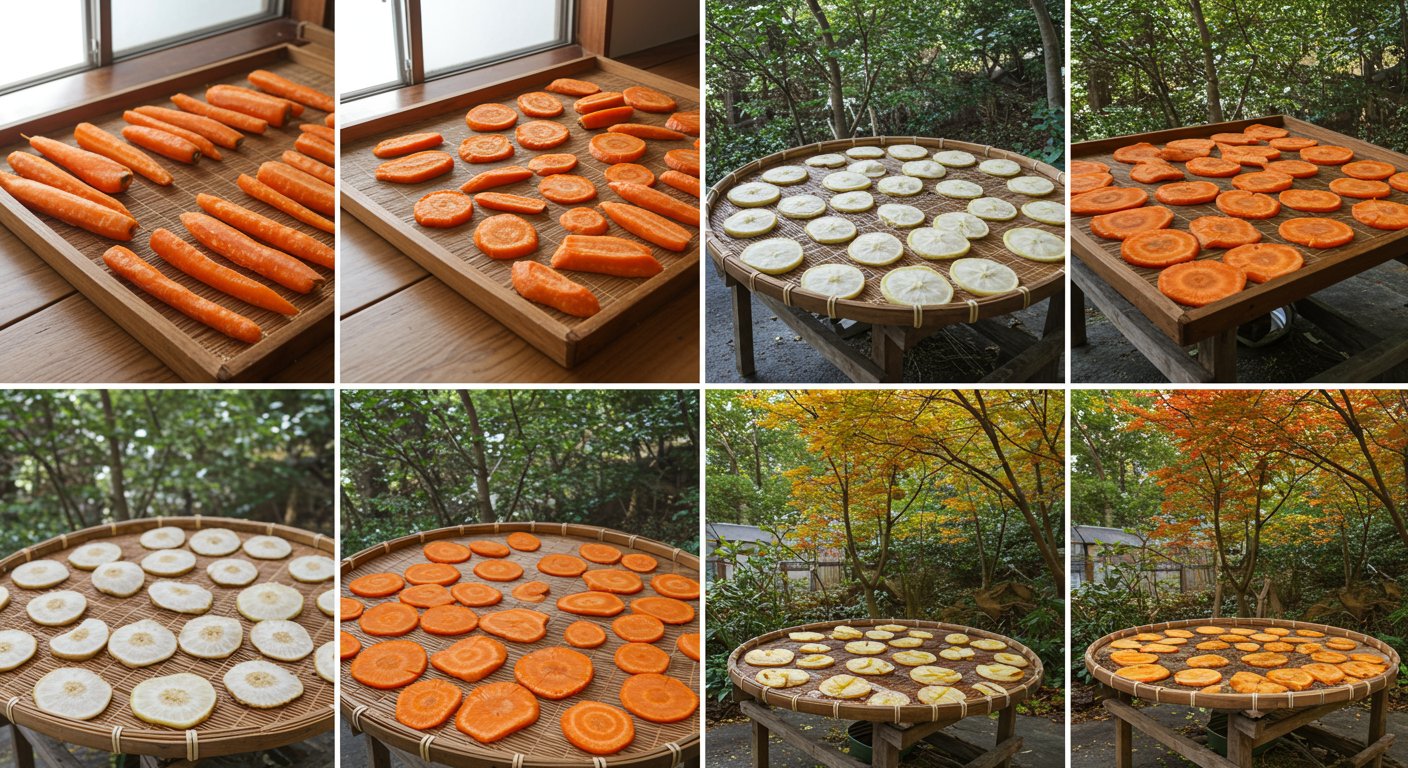 If you're making dried vegetables in the summer, start drying in the morning and bring them in by evening. Freezing them afterwards is a safe bet. Even in a short time, moisture will be sufficiently removed, and the umami will be concentrated.
Find the best drying method that suits your local climate!
Start a Sustainable Diet with Dried Vegetables
Making dried vegetables is not just a cooking technique; it's a first step towards a sustainable diet. Finally, let's consider the environmental benefits of dried vegetables and the future of our eating habits.
The Impact of Reducing Food Loss Starting from Home
Japan generates approximately 6 million tons of food loss annually. About half of this food loss comes from households. By establishing the habit of making dried vegetables, you can significantly reduce household food loss. Regularly check the vegetables in your refrigerator and dry any that you won't be able to use up. This small habit can lead to a big change.
Culinary Wisdom for the Future
Making dried vegetables is one of Japan's traditional food cultures. Isn't it also our role to pass this wisdom on to the next generation?
The culture of dried vegetables transforms "waste" into "delicious." I believe this wisdom should be re-evaluated as we consider a sustainable society for the future. Why not start making dried vegetables today? Experience the joy of breathing new life into the vegetables in your refrigerator.
Using up familiar vegetables without waste and adding a little richness to your life. Such a step leads to a sustainable food future.
Related Products
Learn More About Dried Vegetables
- 5 Easy Steps to Make Dried Vegetables
- How to Rehydrate Dried Vegetables | 10 Minutes to Restore Plumpness and Umami
- How to Store Dried Vegetables and Their Shelf Life
- Dried Vegetables Transform Miso Soup! The Ultimate Ingredient with Concentrated Umami
- 7 Exquisite Soup Recipes Made with Dried Vegetables
そのほかの乾燥野菜ブログ
View all