

Complete Guide to Using Dried Vegetables | Recommended Recipes for Everyday Meals
I was visiting an old friend from college for the first time in a while. She had gotten married and given birth twice, and had become a wonderful mother.
"I've asked my husband to look after the kids today, so please don't worry about the time and make yourself at home," she said.
My friend disappeared into the kitchen, only to return immediately with a tray carrying a large pound cake.
"Wow! An orange pound cake! Is it mandarin flavored?"
When I asked, my friend chuckled and shook her head.
"No, this is a carrot pound cake made with carrots," she replied.
She told me she had devised it for her children, who disliked carrots. And, what's more, when I mentioned making dried vegetables during a phone call the other day, she said she wanted to try them.
I timidly offered her a container of dried vegetables I had brought, from beside her beautiful pound cake, which could rival any patisserie. Her first words upon seeing the contents were a gasp of admiration.
"You can make such proper dried vegetables at home?! That's amazing! Can I use them right now?"
With that, she scurried off to the kitchen. And in less than five minutes, a fragrant aroma of savory butter and a faint hint of seafood wafted from where she stood.
Now, what do you think my friend returned with in a casual cafe au lait bowl three minutes later? The answer is a luxurious cream stew packed with seafood.
"I just put the dried vegetables you brought into the cream stew I made last night. Please try it," she said.
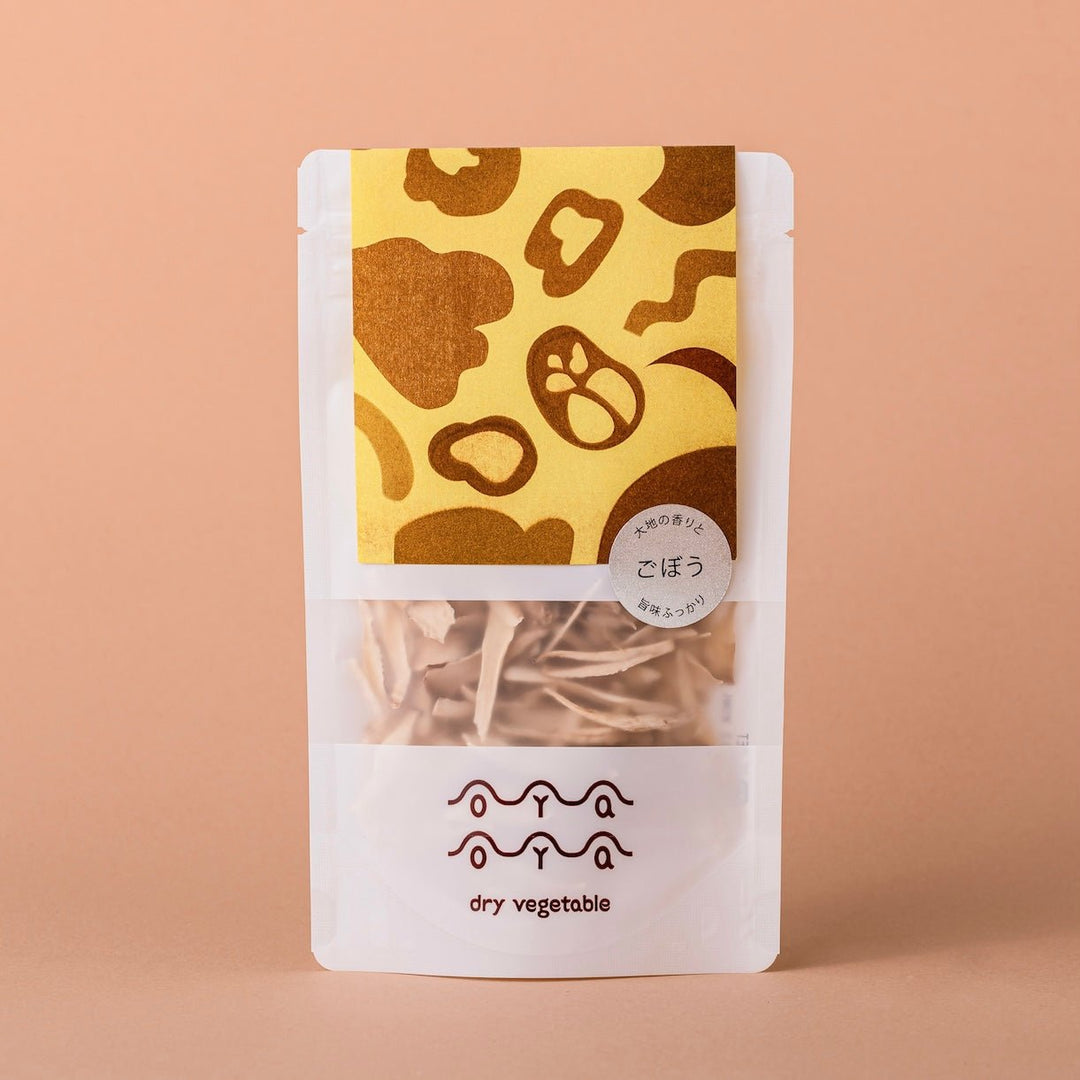
I was captivated by the sight of my homemade dried burdock in the stew she offered me. I was genuinely surprised and moved by the unexpected collaboration of her cooking and my dried vegetables.
My friend and I discussed how to use dried vegetables throughout our meal of stew. My culinary-savvy friend seemed to have come up with several recipes immediately. I instinctively pulled out my smartphone's memo function and bombarded her with rapid-fire questions, as if conducting an interview.
"Well, my recommended recipe number one would be sweet and savory dried vegetables. You make it just like chikuzenni, using dried vegetables with concentrated umami. You can make it even tastier by adding more soy sauce or sesame oil to your liking. And it's good in soups too. Any soup is fine. Consommé, miso, Chinese seasoning, anything goes! Also, when you're not feeling well, I recommend putting it in porridge. It's good for digestion, and above all, it's highly nutritious, so it's really beneficial for your body!"
My friend gazed at my dried vegetables and gave me a beaming smile, saying, "Our dinner table has instantly become so much richer!"
The Right Way to Use Dried Vegetables
Dried vegetables often have a strong image as "preserved food," and their use tends to be limited to simmered dishes. However, in reality, dried vegetables are versatile ingredients that can be applied to any cuisine, whether Japanese, Western, or Chinese. Because the moisture has been removed, even a small amount can add depth to the flavor, making them an excellent foundation for cooking.
Another appealing aspect of dried vegetables is that they can be used without rehydrating. They rehydrate by absorbing moisture during cooking, which reduces preparation time, making them a convenient ingredient for busy daily life.
Basic Ways to Use Dried Vegetables
To effectively use dried vegetables, it's helpful to know a few basics.
Using Them As Is, Without Rehydrating
For soups and stews, you can put dried vegetables directly into the pot without any problems. As they rehydrate during cooking, the umami of the vegetables spreads throughout the soup. Gobo (burdock root), carrots, and mushrooms, in particular, also serve as a kind of broth.
Lightly Rehydrating to Adjust Texture
When using for stir-fries or aemono (dressed dishes), rehydrating them in lukewarm water for a few minutes makes them easier to handle. There's no need to rehydrate them completely; even if they retain a slight firmness, it's sufficient. Adjusting the rehydration level according to the dish expands the range of textures you can achieve.
Recommended Dried Vegetable Recipes
Here are some recommended dried vegetable recipes that are easy to incorporate into home cooking.
Sweet and Savory Simmered Dried Vegetables
The simplest way to enjoy the umami of dried vegetables is in a sweet and savory simmered dish. Following the same method as making Chikuzenni, you can complete it simply by simmering dried vegetables in dashi, soy sauce, and mirin. Because the flavor is concentrated through drying, it achieves a rich taste even in a short cooking time. Adding a small amount of sesame oil to your liking will enhance the richness.
Using Them in Soups and Stews
Dried vegetables are very compatible with soup-based dishes. They work well with any base, whether consommé soup, miso soup, or Chinese soup. When added to cream stew in particular, the sweetness and umami of the vegetables melt into it, creating a deep and rich flavor. Even just adding them to a soup made the day before can significantly change its taste.
Adding to Porridge for Health Management
When you're not feeling well or have a poor appetite, adding dried vegetables to porridge is a recommended way to use them. It's easy to digest and helps replenish nutrients even in small amounts, making it a light meal for your body. Salt alone is enough seasoning for a satisfying taste, and the natural sweetness of the dried vegetables will stand out.
Also Applicable to Western Dishes and Snacks
Dried vegetables can be used not only in main and side dishes but also in Western-style cuisine and snacks. Finely chopped dried carrots, when mixed into cakes or muffins, add natural sweetness and color. This makes them easy for children who dislike vegetables to eat, and also provides peace of mind regarding nutrition.
Dried Vegetables Make Your Dinner Table More Versatile
Dried vegetables are not an ingredient limited to specific uses. Simply simmering, mixing, or adding them can expand your cooking repertoire and support your daily menu. Their appeal lies in their versatility, allowing for endless applications with a little imagination, even without special culinary skills.
Knowing how to use dried vegetables also means increasing your culinary options. Please feel free to incorporate them into your daily meals.
関連する商品
干し野菜について もっと知る
そのほかの乾燥野菜ブログ
View all