

What are the advantages and disadvantages of dried vegetables? How to properly understand and wisely use dried vegetables
"I can't believe it!"
My sister, whom I hadn't seen in a while, was terribly indignant. The reason was this:
Currently, my sister is serializing various information about dried vegetables online. Her senior superior, who was leading the project as a team, apparently admonished my sister when she tried to write about the disadvantages of dried vegetables.
"Isn't it paramount to first let people know the appeal of dried vegetables? You don't have to be so honest and list all the disadvantages, do you?"
"I never thought he was such an old-fashioned senior... Isn't information supposed to include both the good and the bad? Don't you think?"
I could only nod.
"So, what happened with that article?"
As I offered my sister hot cocoa, I placed some of my homemade dried green beans on a cake plate and set it in front of her.
"Well, after discussing it internally, many people said it would be better to include the disadvantages, so the article I originally proposed ended up getting approved. It's scheduled to go online next week."
My sister popped two green beans into her mouth.
"That's good. So, what are the disadvantages of dried vegetables? Are there any?"
My sister chuckled and shrugged her shoulders.
A few days later, my sister's latest article was posted online.
"Well, everyone. Everything has its pros and cons. Today, I'd like to introduce the advantages and disadvantages of dried vegetables. I apologize for being blunt, but I think it's worth knowing. First, let's talk about the advantages. As many of you know, dried vegetables are made by thoroughly removing moisture from fresh vegetables. This allows for long-term storage. Another feature is that drying significantly increases the nutritional value of the vegetables. After making them, you can eat them as they are, of course, but they are also highly versatile and can be used in stews and stir-fries. On the other hand, the disadvantages. Some water-soluble components, such as vitamin C, tend to be lost. Also, because moisture is removed, the inherent freshness of the vegetables is lost. Furthermore, the time it takes for sun-drying is truly laborious. It's also affected by the weather, so it requires a lot of care."
As I read the article, I stared at the dried vegetables I had made. My sister's article continued:
"But I'm sure those of you who have read my articles and are practicing making dried vegetables, and those who love dried vegetables, are probably laughing it off. Because we've already realized the wonderfulness of dried vegetables!"
"Everything has its pros and cons, huh... but I feel like I'm getting too much from it?"
I took a bite of a dried carrot, recalling my sister's smiling face, and felt a sense of relief from its sweetness.
What are Dried Vegetables?
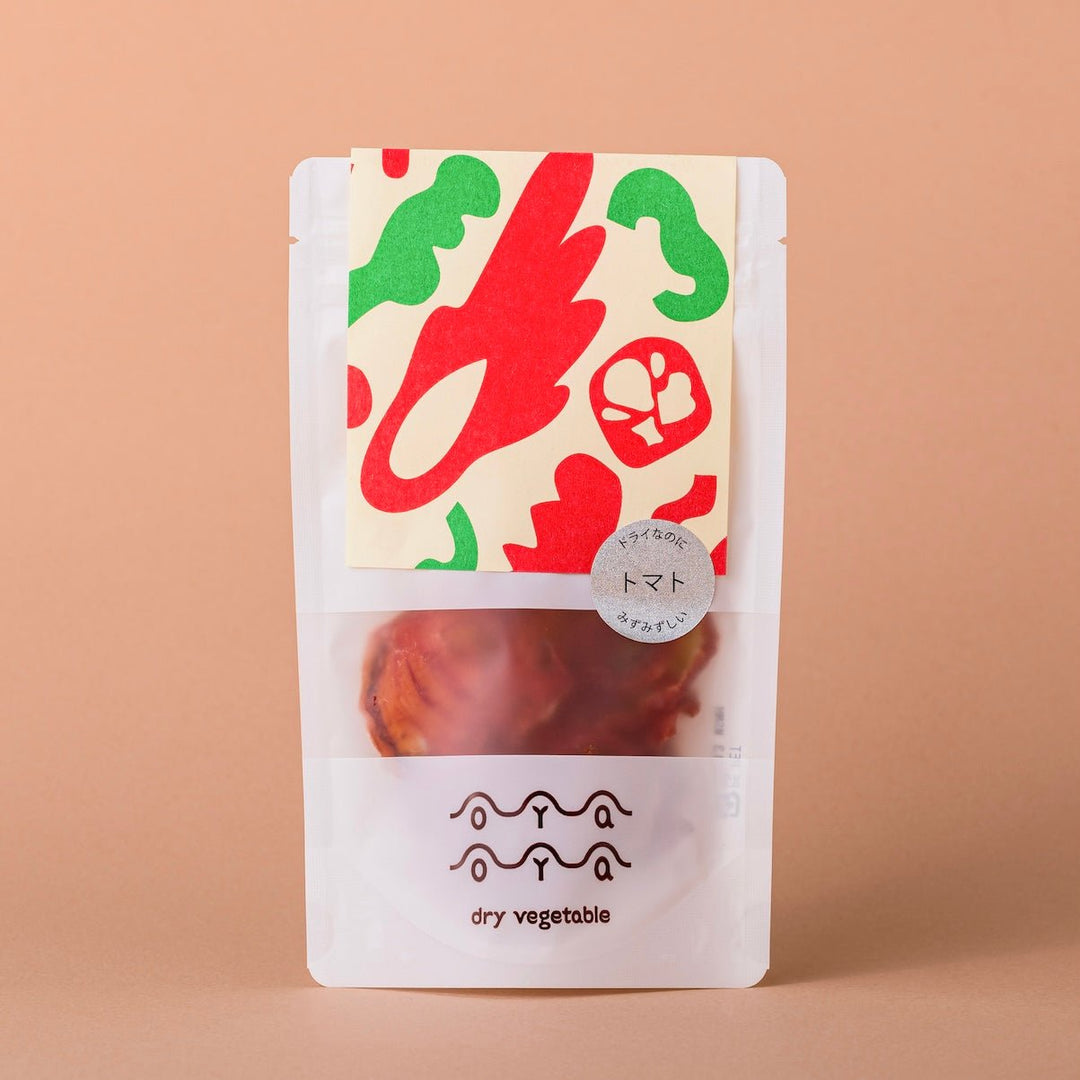
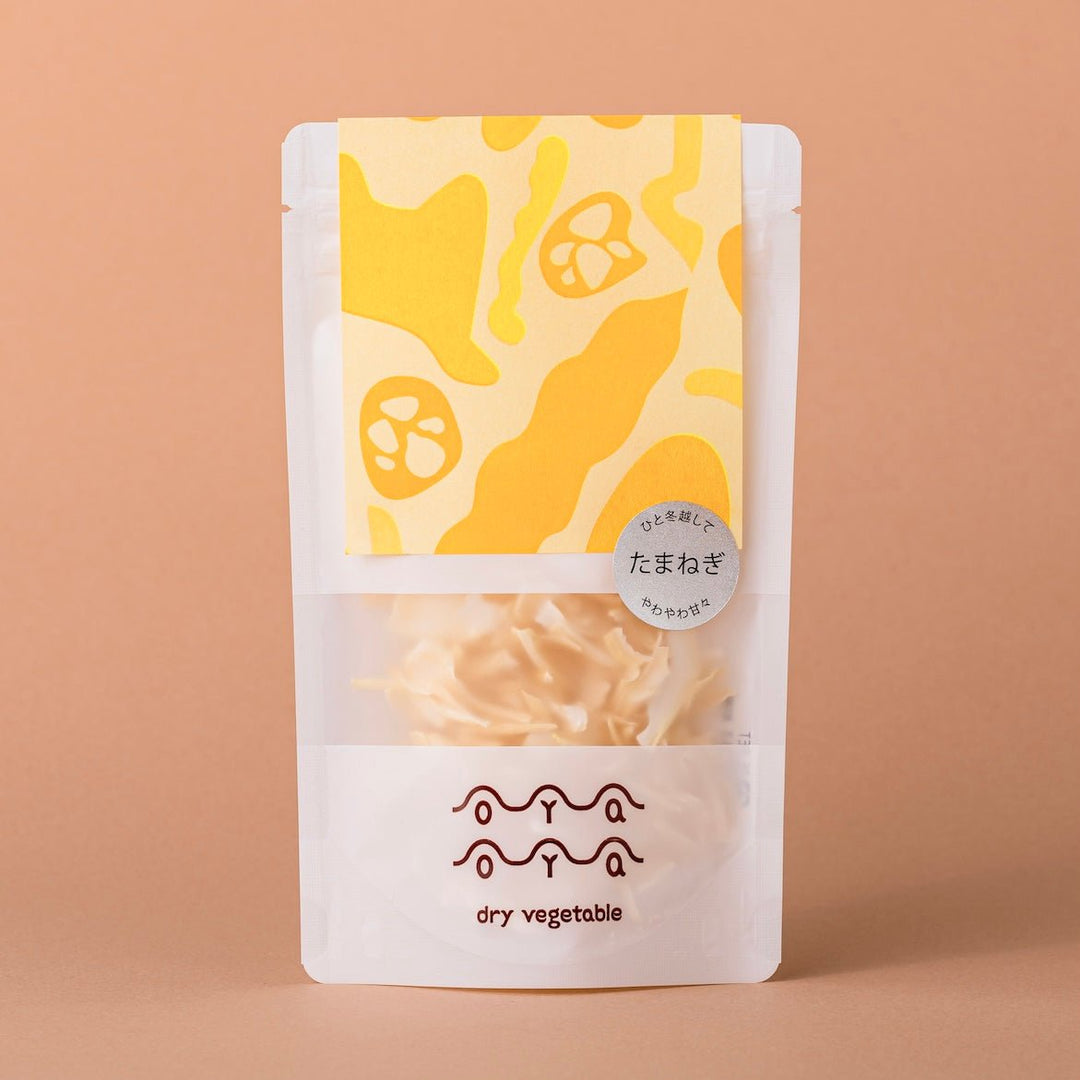
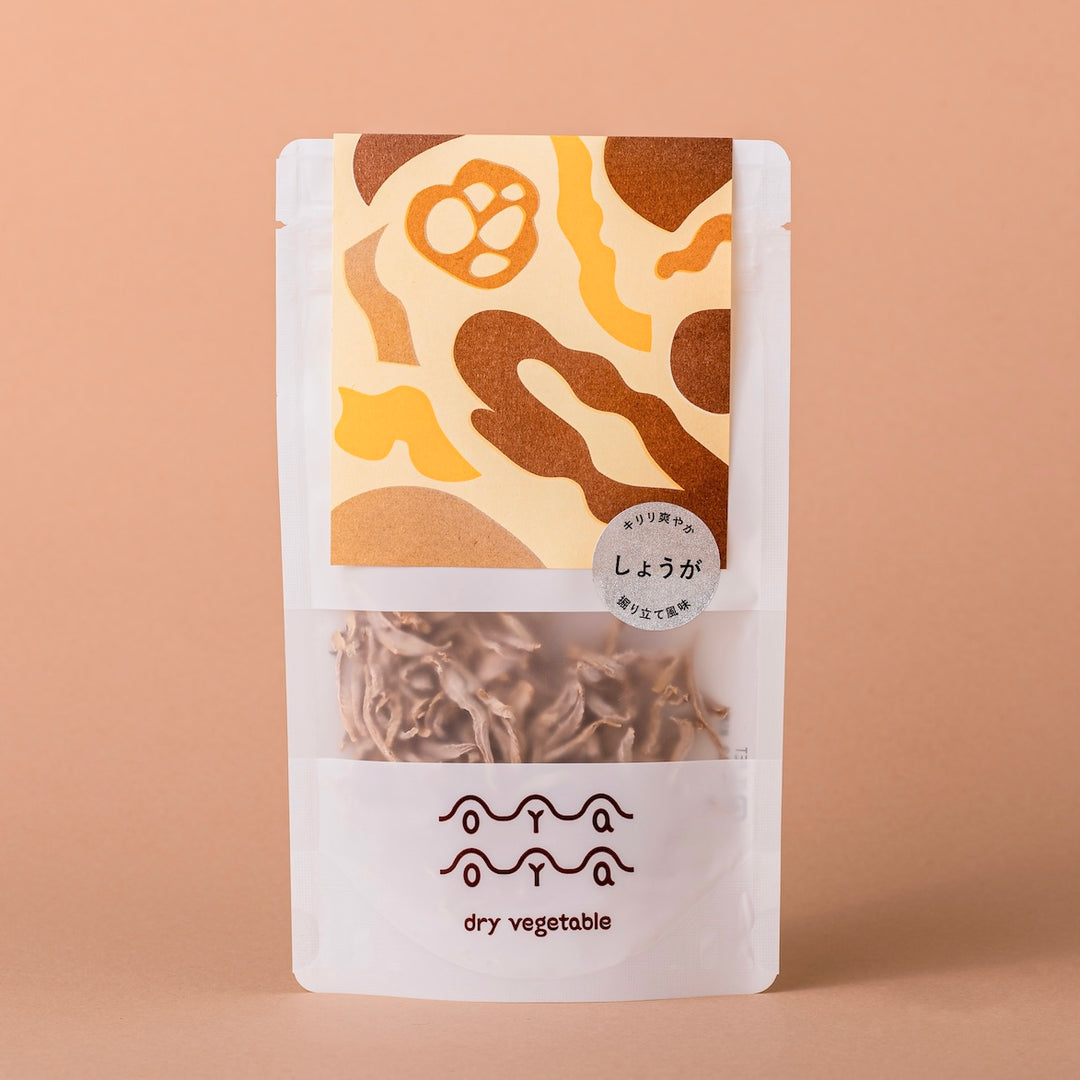
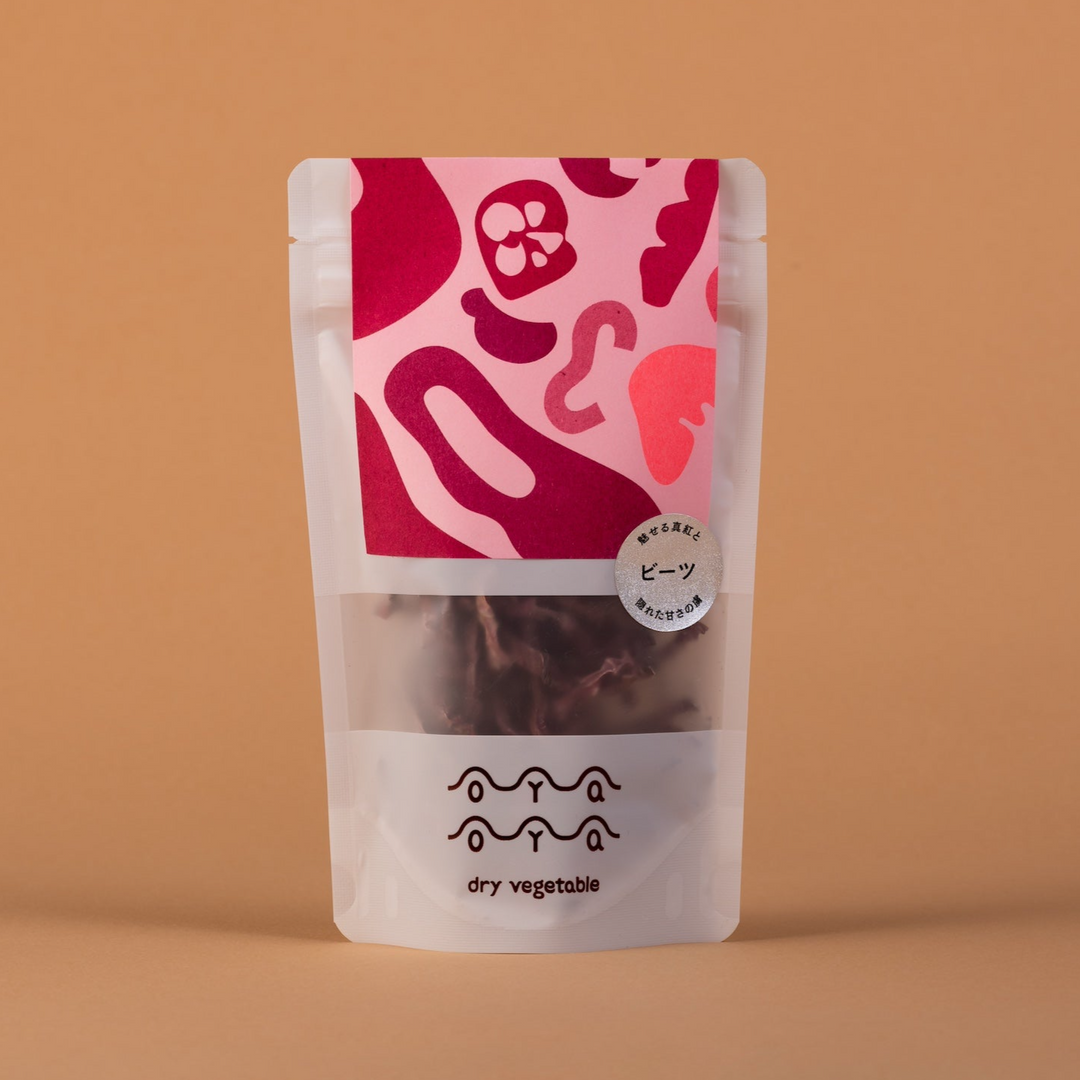
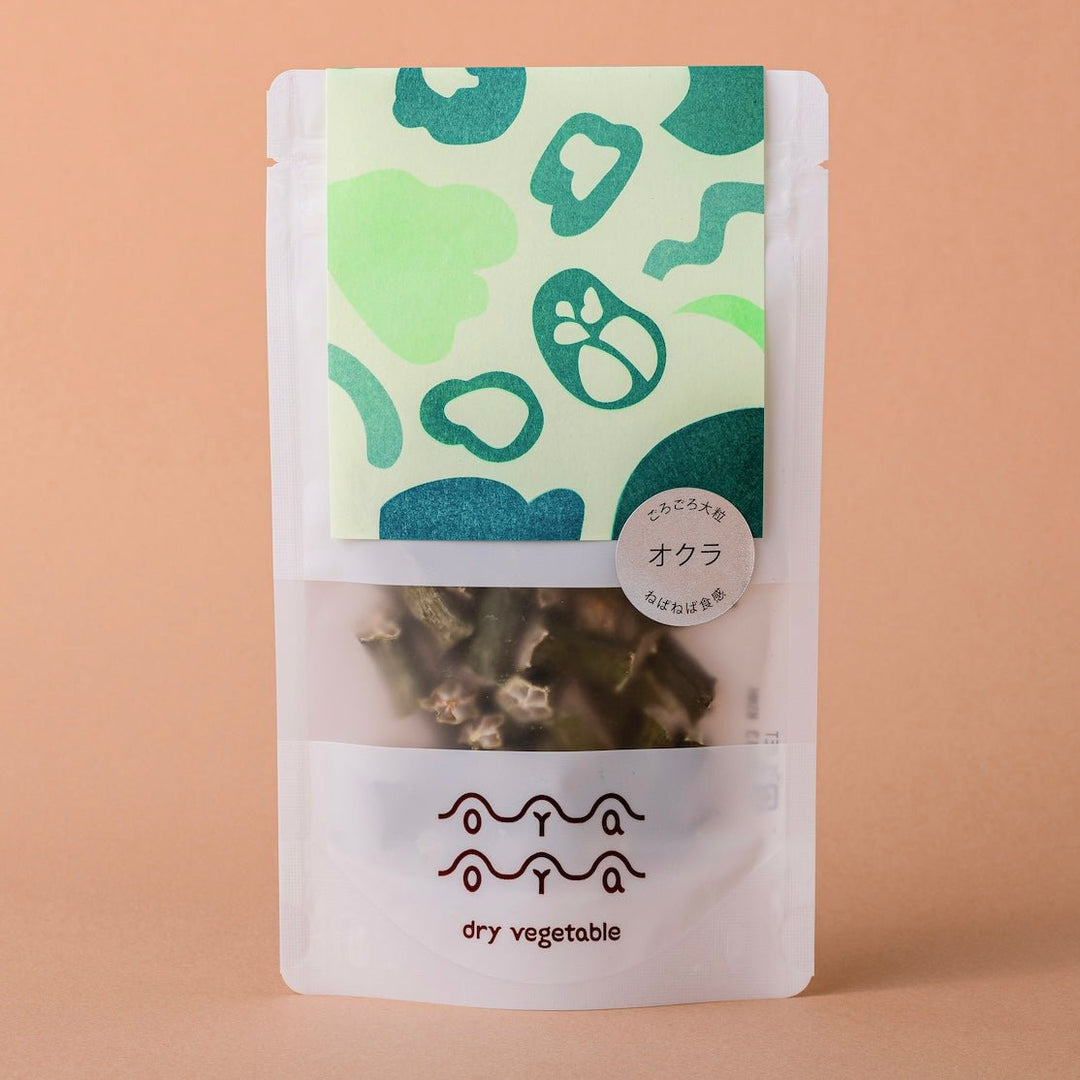
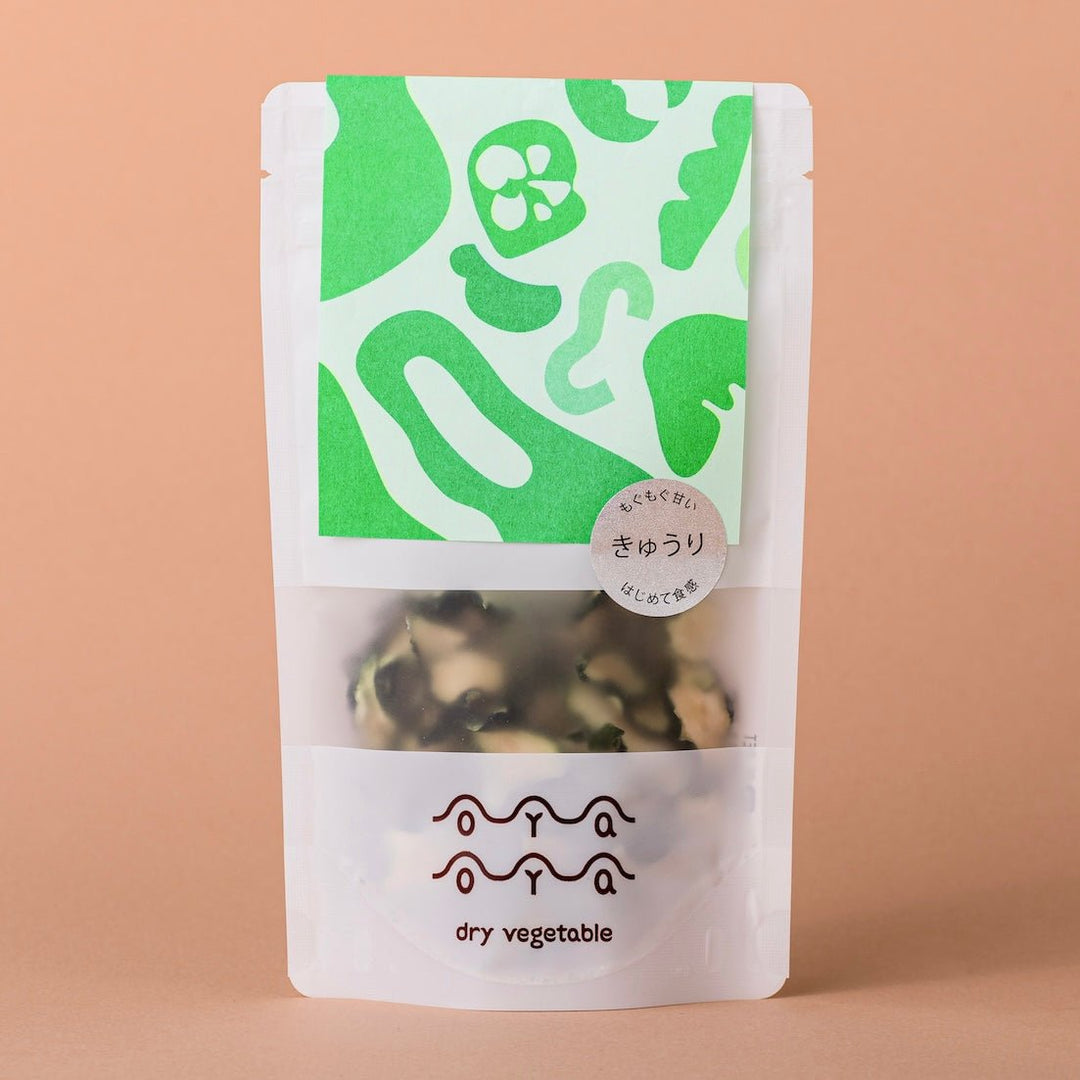
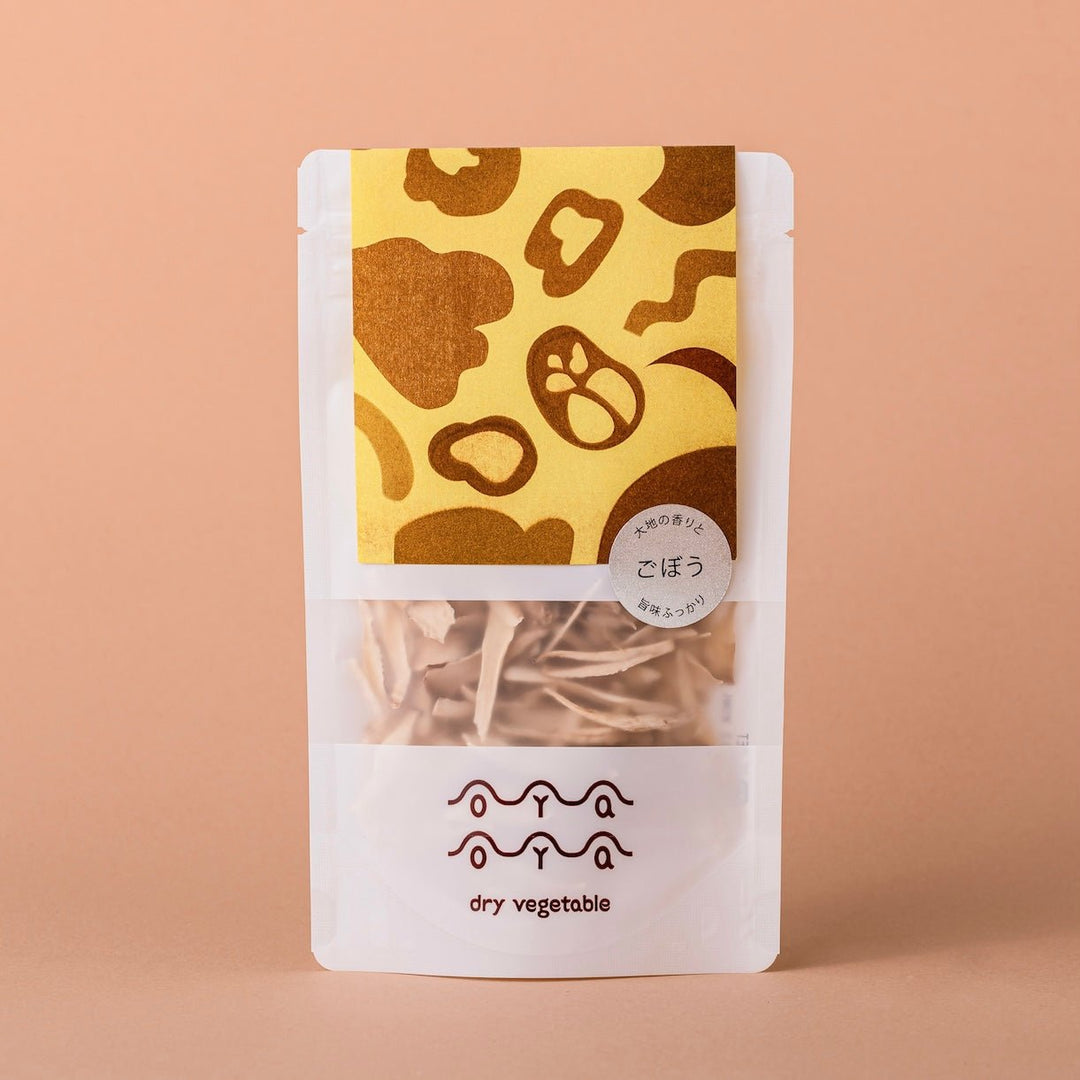
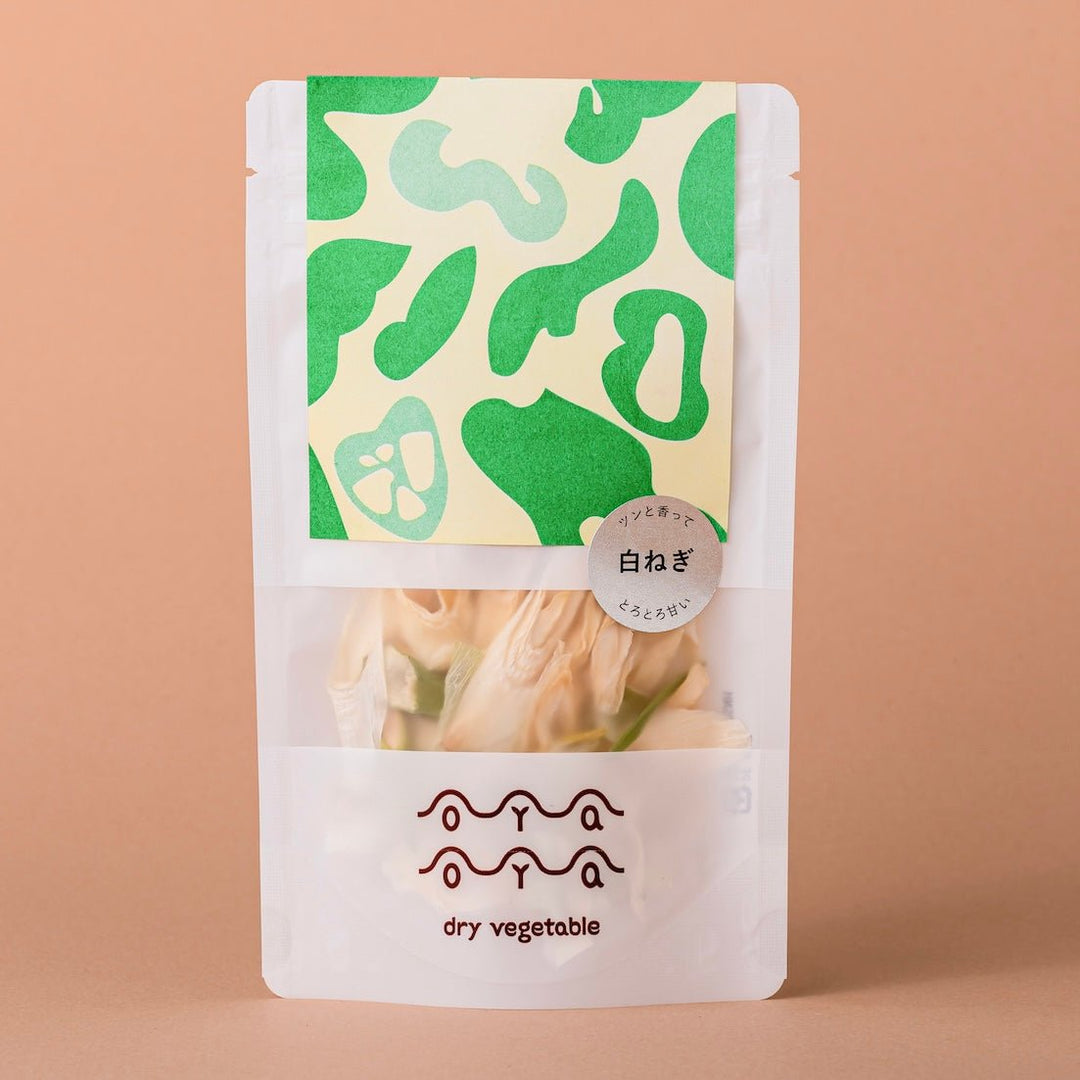
Dried vegetables are processed foods made by removing moisture from fresh vegetables, thereby enhancing their preservation and flavor. In Japan, they have long been cherished as a household wisdom for utilizing seasonal vegetables without waste. Daikon radish, carrots, and mushrooms are well-known examples of dried vegetables.
Even in modern times with developed refrigeration and logistics, dried vegetables have not lost their value. On the contrary, they are regaining attention due to growing health consciousness and the goal of reducing food waste. Dried vegetables, with their long shelf life and wide range of culinary uses, can be considered a convenient food for daily use.
Advantages of Dried Vegetables
The long-standing popularity of dried vegetables is rooted in their clear benefits. Here, we will systematically examine their main advantages.
High Preservation, Allowing for Planned Use
The biggest advantage of dried vegetables is their high preservation. By reducing the moisture content of vegetables, the growth of microorganisms that cause spoilage is suppressed. As a result, they can be stored for a relatively long period at room temperature, without relying on refrigeration or freezing.
For households, a major benefit is the ability to process seasonal vegetables in bulk and use only what is needed. In commercial settings, they are valued as an ingredient that simplifies inventory management and reduces waste.
Umami and Sweetness are Concentrated
When vegetables are dried, the removal of moisture concentrates their inherent umami and sweetness. This change is particularly noticeable in carrots, onions, and tomatoes, which develop a pronounced natural sweetness when cooked.
This change in flavor allows for satisfying dishes with less seasoning. For those who want to prepare dishes that highlight the natural taste of ingredients, dried vegetables are an excellent choice.
Wide Range of Uses and Versatility
Dried vegetables can be added directly or rehydrated and used in a wide variety of dishes such as stews, stir-fries, and soups. The rehydrating liquid, which contains dissolved vegetable umami, can also be used as a stock.
Even small amounts can add depth to flavors, making them easy to use in a busy daily life and effortlessly elevating the quality of cooking.
Disadvantages of Dried Vegetables
On the other hand, dried vegetables also have points to consider. It is important to understand not only their advantages but also their disadvantages.
Some Nutrients are Easily Reduced
While dried vegetables are often perceived as highly nutritious, not all nutrients increase. Water-soluble vitamins, such as vitamin C, tend to be lost during the drying and sun-drying processes.
Therefore, it is important not to rely solely on dried vegetables for nutrition but to consume them in combination with fresh vegetables and other foods.
Freshness and Texture Are Not Restored
By removing moisture, the inherent freshness and crisp texture of the vegetables are lost. Even with rehydration, they do not fully return to their fresh state.
For this reason, they are not suitable for salads or raw consumption and should be understood as ingredients for cooked dishes. Misusing them can lead to unexpected results.
Requires Effort and Management
Especially with sun-drying, it is easily affected by the weather, and care must be taken with drying time and hygiene management. Since the outcome is influenced by humidity and temperature, knowledge and experience are required to maintain a consistent quality.
When choosing commercial products, it is also important to check the manufacturing environment and management system.
Understanding and Utilizing Both Advantages and Disadvantages
Dried vegetables are not a panacea, but if their characteristics are understood and utilized, they are very valuable ingredients. By incorporating them with an awareness of both their strengths and weaknesses, your daily diet will become richer.
Dried vegetables are a preserved food that is expertly used by those who understand them. Having the correct knowledge is the first step to enjoying dried vegetables.
Related Products
Learn More About Dried Vegetables
- 5 Easy Steps to Making Dried Vegetables
- How to Rehydrate Dried Vegetables | 10 Minutes to Restore Plumpness and Umami
- How to Store Dried Vegetables and Their Shelf Life
- Dried Vegetables Transform Miso Soup! The Ultimate Ingredient with Concentrated Umami
- 7 Delicious Soup Recipes Made with Dried Vegetables
そのほかの乾燥野菜ブログ
View all