

What are dried cucumbers? The surprising appeal and uses of dried watery vegetables.
"I don't like watermelon or cucumber..."
"Excuse me, I'm not really a fan of gourds either..."
"I don't even cook, so I'm good."
Such conversations were unfolding in the office. A female colleague had received a large quantity of cucumbers from her hometown and, after much deliberation, brought them to the office.
"Oh no... I've been eating too many cucumbers every day and I'm already tired of them..."
Rejected by various people, the very person who brought the cucumbers looked terribly dejected. I often relied on her for favors at work, so I instantly thought that this was the time to demonstrate "give and take."
"Hey, can I have 15 of them?"
At my voice, all my colleagues present looked at me in surprise.
"15...!"
A junior colleague couldn't believe her ears.
"Yes. I'll pickle 5 of them, and dry the rest."
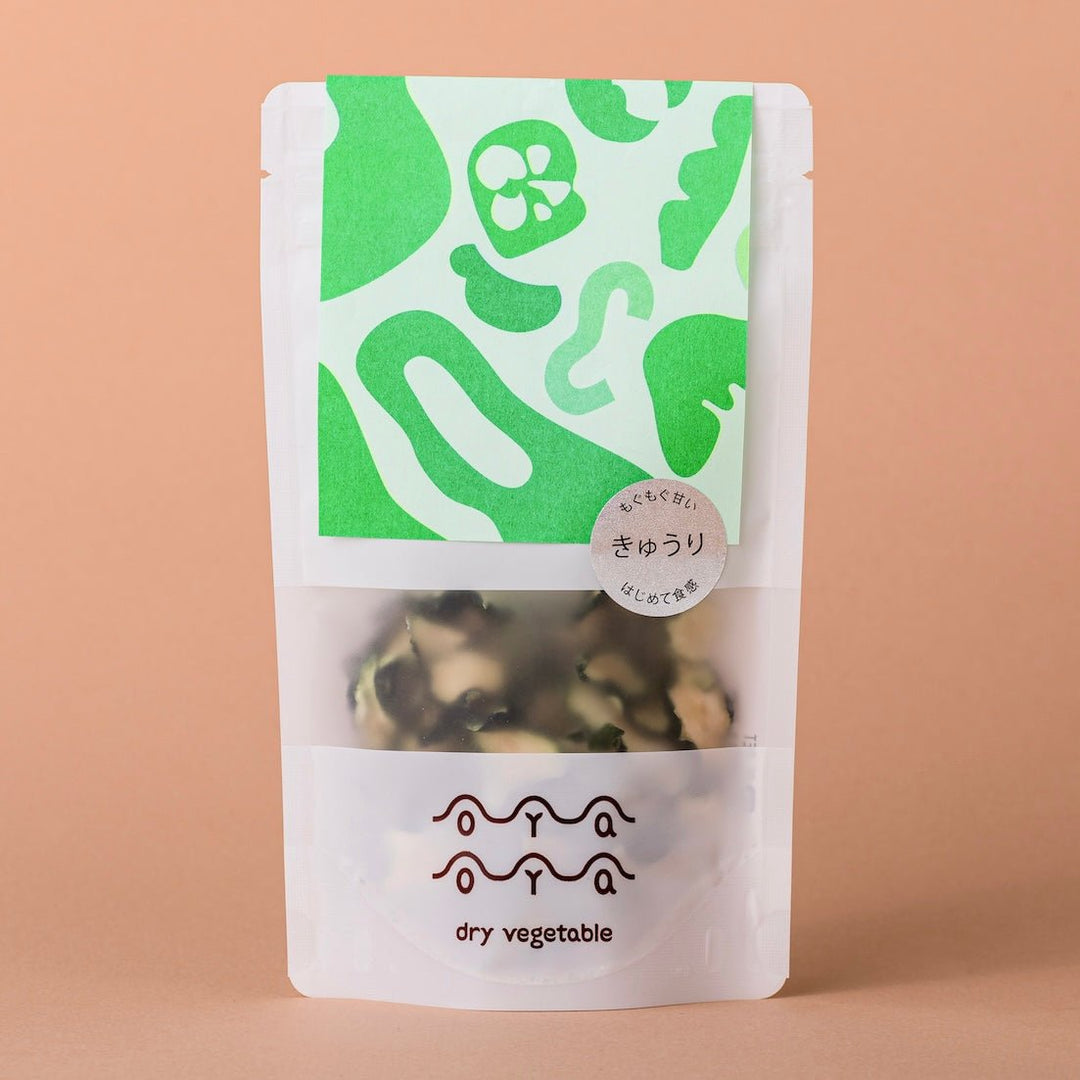
I decided to try making dried cucumbers. Cucumbers, which are overwhelmingly eaten raw, are often thought to be unsuitable for drying due to their high water content. However, drying cucumbers has significant benefits. First, their nutritional value greatly increases. During the drying process, the flesh becomes concentrated, enhancing not only its nutritional value but also its flavor depth.
Semi-dry seems to be the common degree of drying. However, according to my sister's information on dried vegetables, the full-dry method is considered more "in" among experienced dried vegetable enthusiasts. Fully dried cucumbers become surprisingly compact as their moisture evaporates. At the same time, they transform into an astonishing hardness. They become so hard that it's difficult to bite through them with teeth. Therefore, they always need to be rehydrated before use.
Despite being a vegetable with so much moisture that it spoils quickly when fresh, this full-dry version of dried cucumber can be stored for long periods at room temperature.
"It's like it's been reborn..."
I admired the completely moisture-free cucumbers after drying them for eight hours under the scorching sun.
"And it's interesting how the drying time can be subtly adjusted depending on the season and the day's temperature."
Having successfully made dried cucumbers exactly as my sister had taught me, that evening I held a feast with beer, accompanied by the lightly pickled cucumbers I had prepared for dinner.
Characteristics of the Cucumber Vegetable
Cucumbers are one of the quintessential summer vegetables in Japanese cuisine. Their fresh texture and refreshing taste are indispensable in classic dishes like salads, light pickles (asazuke), and vinegared dishes (sunomono). Comprising over 95% water, they have long been cherished as a source of hydration during the hot season.
On the other hand, their high water content makes them prone to spoilage, and they often wilt quickly even when stored in the refrigerator. They can be considered one of the top vegetables that are difficult to use up when received in large quantities. However, from a different perspective, this very high water content is also why they undergo such a significant transformation when dried.
The Idea of Drying Cucumbers
Many people find the idea of drying cucumbers surprising. It's natural to think that they might not be suitable for drying due to their high water content. However, when actually dried, cucumbers undergo an astonishing transformation.
Difference Between Semi-Dry and Full-Dry
There are two main methods for drying cucumbers: semi-dry and full-dry. Semi-dry involves simply removing surface moisture, retaining a moist texture. This method is easy for beginners and suitable for direct use in light pickles or dressed dishes. Full-dry, on the other hand, involves completely removing all moisture, allowing for long-term storage at room temperature. Fully dried cucumbers become surprisingly compact and transform into a hardness that makes them difficult to bite through. This transformation is particularly striking precisely because of the vegetable's high water content.
Concentration of Nutrients and Umami
When cucumbers are dried, the nutrients that remain become concentrated as the water is removed. Minerals like potassium and vitamin K are condensed, allowing for more efficient nutrient intake from a smaller amount of dried cucumber compared to fresh. Furthermore, the removal of water deepens the flavor, bringing out nuances that were less apparent in fresh cucumbers. The extra step of drying unlocks the hidden potential of cucumbers.
How to Dry Cucumbers and Points to Note
Making dried cucumbers requires a little more effort and time than other vegetables due to their high water content. However, by understanding the key points, even beginners can succeed.
Basics of Sun-Drying
When sun-drying cucumbers, the basic method is to slice them thinly and arrange them on a colander or drying net. A thickness of 3-5mm is appropriate. Choose a sunny day and place them in a well-ventilated area. For semi-dry, half a day is usually sufficient. For full-dry, it will take at least a full day, and sometimes several days, to completely remove the moisture. The drying time will vary depending on the season, temperature, and humidity of the day, so it's important to check their condition frequently.
Storage and Rehydration
Semi-dried cucumbers can be refrigerated for about 3-5 days. If dried to full-dry, they can be stored in an airtight container at room temperature for several months. When using fully dried cucumbers, rehydrate them by soaking them in lukewarm water for about 15-20 minutes. If you remove them when they are still slightly elastic, not completely soft, you will enjoy a pleasant texture when cooked. The rehydrating water also contains dissolved cucumber flavor, so using it as a soup stock is a good idea.
Recommended Ways to Eat Dried Cucumbers
Dried cucumbers have a completely different texture and flavor from fresh ones, opening up new culinary possibilities.
Using in Stir-Fries and Stews
Rehydrated dried cucumbers, stir-fried with sesame oil, gain a fragrant aroma and make an excellent side dish for rice. They pair well with Chinese-style seasonings; stir-frying them with doubanjiang or tianmianjiang adds a crunchy texture as an accent. When added to stews, they absorb the broth and become tender, creating a rich dish that cannot be achieved with fresh cucumbers.
Also for Pickles and Dressed Dishes
Semi-dried cucumbers, when used as a light pickle, have a distinct crunch that sets them apart from ordinary cucumbers. They are delicious simply tossed with salted kelp or dressed refreshingly with ponzu. There's also the enjoyment of rehydrating fully dried ones and making nukazuke (rice bran pickles); the world of dried vegetables expands infinitely with imagination.
Cucumbers: A Vegetable Reborn with Creativity
Cucumbers often carry the image of being a watery and easily perishable vegetable. However, drying them dramatically improves their preservation, concentrates their nutrients, and significantly changes their texture and flavor. When you receive a large quantity and are unsure what to do with them, drying them is an effective way to use them up without waste.
Eating them fresh is not the only way to enjoy cucumbers. By adding the extra step of drying, you can experience the charm of cucumbers transformed into something like a completely different ingredient.
Related Products
Learn More About Dried Vegetables
そのほかの乾燥野菜ブログ
View all