

What is dried burdock? How to use it to bring out its aroma and flavor, and the appeal of dried burdock
My food preferences are surprisingly traditional. My favorite food is kinpira gobo, which my grandmother used to make. Now, my mother has inherited that taste, and I grew up with it. However, I never thought of making it myself, partly because of the hassle of the cooking process, and partly because I believed I couldn't possibly replicate "that taste" even if I tried.
But ever since I started making dried vegetables, I began to think that even if I couldn't perfectly replicate my grandmother's taste, I could at least get close to it in my own way. I believe this is because I've come to know the inherent deliciousness of vegetables and the joy of making and eating something myself.
That day, I decided to make kinpira gobo using dried burdock root.
"I wonder if I should rehydrate it with hot water."
I put the julienned burdock root I had dried myself into a bowl and poured lukewarm water over it. As I watched the burdock root float in the bowl, I checked the next steps on my smartphone. Since the burdock root would be rehydrated in about 15 minutes, I decided to prepare the seasonings in the meantime.
"To think I'd become this efficient at cooking..."
Muttering to myself, I put the seasonings into a small bowl and mixed them. The aroma of soy sauce and mirin wafted up, tickling my nose.
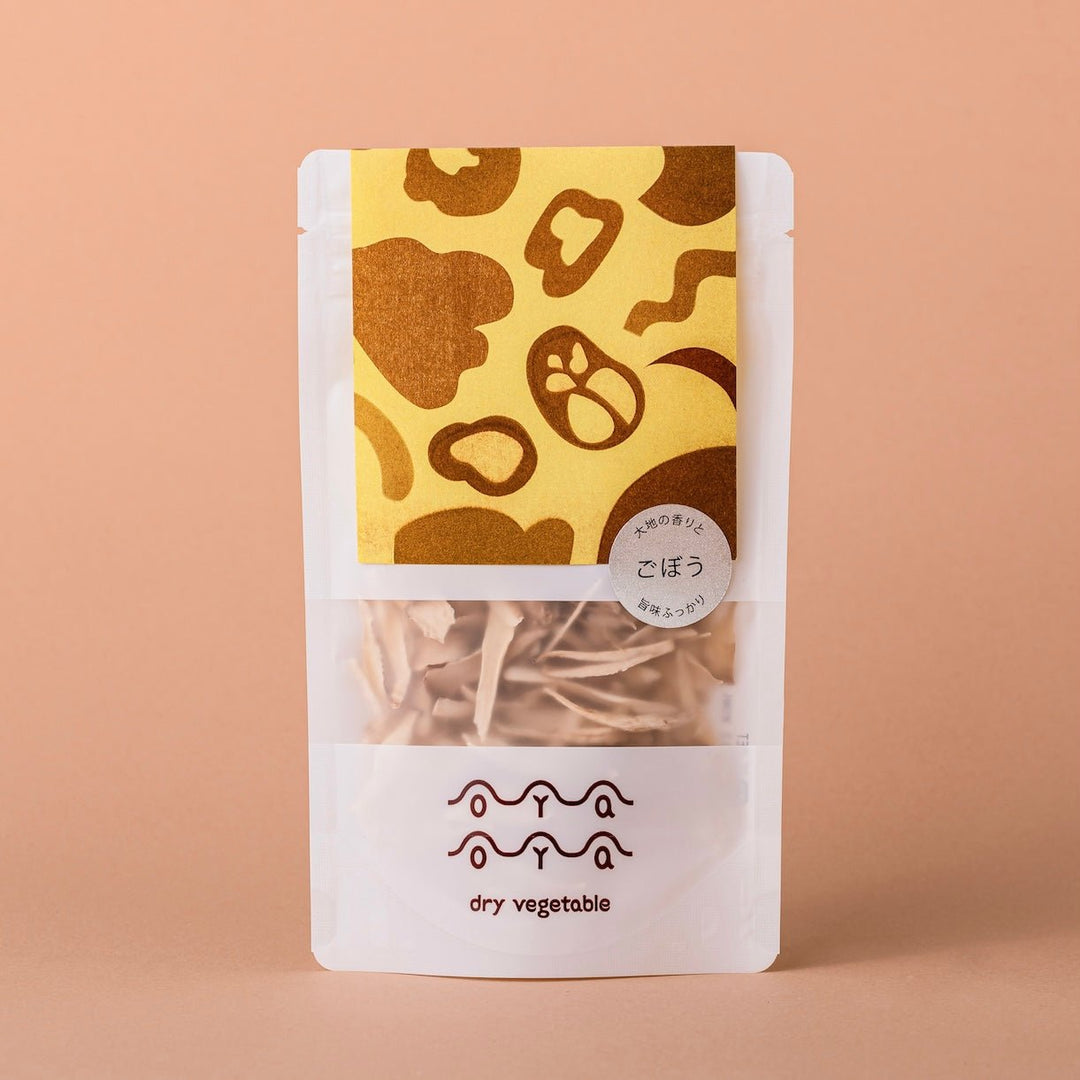
When I first started making dried burdock root, I would eat it as a snack. I was satisfied with that, feeling the fiber of the burdock root, but after learning that it could be dried and preserved, I started experimenting with different cutting methods to vary its uses and ways of eating. It was then that I suddenly remembered my grandmother's kinpira gobo. According to my mother, my grandmother apparently also used dried burdock root. She said it was because it allowed the umami to be concentrated.
As I stirred the burdock root, which was turning amber in the frying pan, with my cooking chopsticks, I added the mixed seasonings. A sizzling sound came from the frying pan, and a fragrant aroma instantly filled the kitchen.
"This is it! This is the feeling I've been waiting for!"
I sprinkled white sesame seeds over the glistening burdock root, and the kinpira gobo was ready in no time.
"Tomorrow, for a change, I think I'll bring a bento."
It was a night where I was sure my colleagues would be surprised and knocked off their feet.
The Charm of Burdock Root
Burdock root is a vegetable that has long been deeply rooted in Japanese cuisine. With its unique aroma and crunchy texture, it possesses a presence unlike any other vegetable. It has been a beloved staple in home cooking, found in dishes like kinpira gobo, takikomi gohan (mixed rice), and soups.
However, it also has a tendency to be avoided due to the effort involved in preparation and the numerous cooking steps. Many people feel it's not something they can easily use when they think of tasks like sasagaki (shaving) orアク抜き (removing harshness). Nevertheless, burdock root has been cherished for so long because of its irreplaceable flavor and its ability to add depth to dishes.
The Option of Drying Burdock Root
Burdock root can not only be used fresh but also reveal new charms when dried. Dried burdock root has improved shelf life, and the ability to rehydrate and use only the amount needed is a significant advantage.
Concentrated Umami and Aroma
When burdock root is dried, its aroma and umami are concentrated as the moisture evaporates. The savory fragrance that rises when heated gives a different impression than fresh burdock root. This difference is clearly felt when used in kinpira or stir-fries.
Reduced Preparation Burden
Another advantage of drying is the reduced effort in removing harshness. If you julienne or shave it before drying, you only need to rehydrate it when cooking. The ease of incorporating it into meals, even on busy days, is a benefit of dried burdock root.
The Changing Face of Burdock Root with Different Cuts
The texture and compatibility of burdock root with dishes change significantly depending on how it's cut. When drying, being mindful of these differences can broaden its uses.
Julienned / Sasagaki
Julienned or sasagaki (shaved) cuts are ideal for kinpira gobo. When rehydrated and stir-fried after drying, they retain a pleasant fibrous texture, and the umami spreads with every bite. This form can be said to be where the burdock-like quality is most felt.
Diagonal / Round Slices
Diagonal or round slices are suitable for simmered dishes and soups. Drying makes them more absorbent of flavors, creating a harmonious blend with the broth. The texture becomes softer, resulting in a dish with a gentle impression.
Making Kinpira with Dried Burdock Root
One of the dishes where the charm of dried burdock root is most fully expressed is kinpira gobo.
Basic Rehydration Method
Dried burdock root is typically rehydrated in lukewarm water for about 10 to 15 minutes. It's not necessary for it to be completely soft; it's fine if there's still a slight core. Since the rehydration liquid contains dissolved aroma, using it instead of discarding it is also an option.
Stir-frying to Enhance Fragrance
Heat oil in a frying pan and stir-fry the rehydrated burdock root; it will gradually turn an amber color. At this stage, it's important to thoroughly bring out its savory aroma. Adding soy sauce and mirin will instantly release a fragrant aroma, resulting in an appetizing dish.
Burdock Root: A Vegetable That Enriches Daily Life Slightly
Burdock root is not a flashy vegetable, but it plays a definite role in cooking. Drying makes it easier to handle and expands its uses. Even if you can't perfectly replicate the taste inherited from your grandmother or mother, you can carry it on in your own way.
Dried burdock root is such a bridge. Burdock root, which responds to the effort put into it, can be said to be a vegetable that brings quiet satisfaction to the daily dining table.
Related Products
Learn More About Dried Vegetables
- 5 Simple Steps to Make Dried Vegetables
- How to Rehydrate Dried Vegetables | Plump Umami Revived in 10 Minutes
- How to Store Dried Vegetables and Their Shelf Life
- Miso Soup Transformed with Dried Vegetables! The Ultimate Ingredient with Concentrated Umami
- 7 Exquisite Soup Recipes Made with Dried Vegetables
そのほかの乾燥野菜ブログ
View all