

Non-standard vegetables with nowhere to go
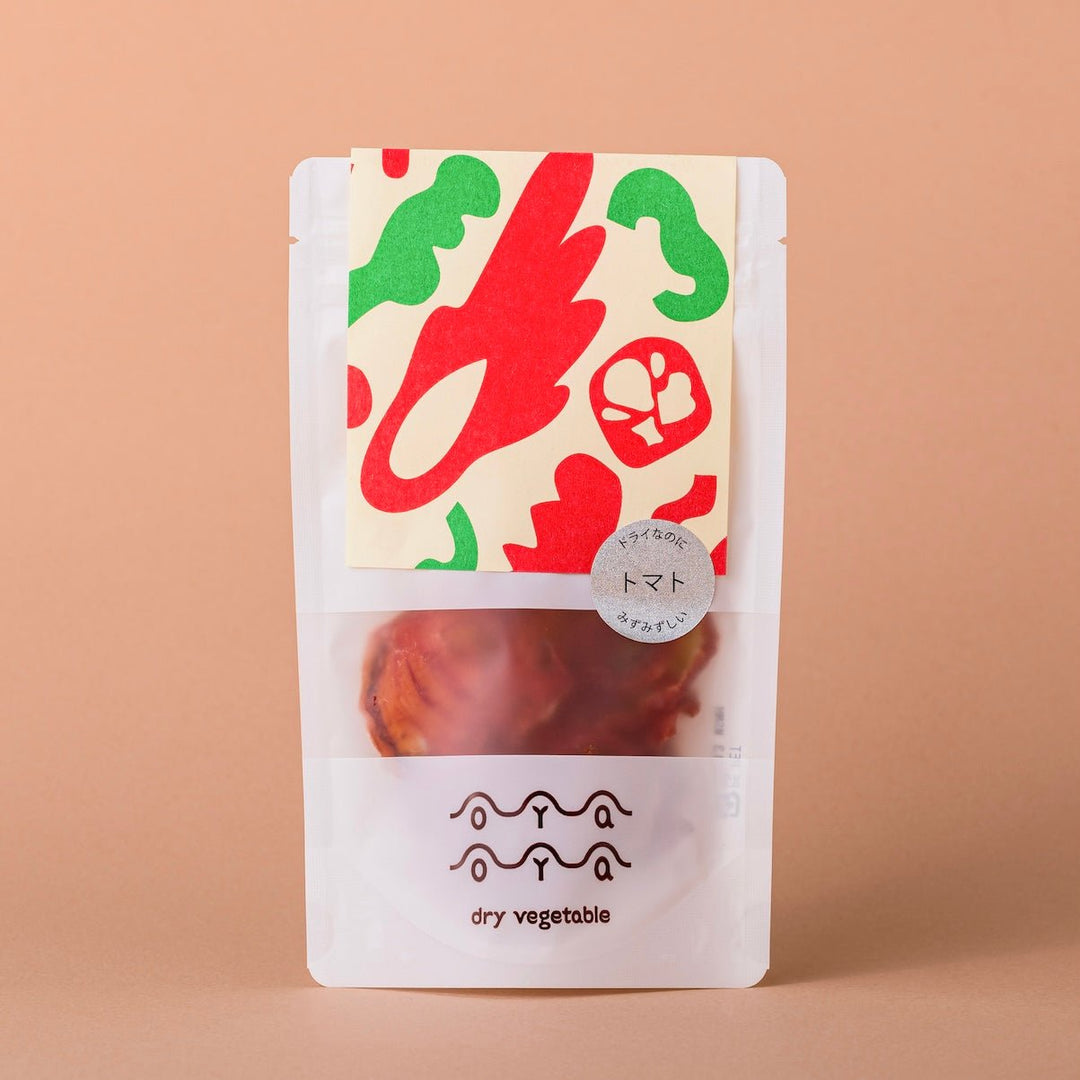
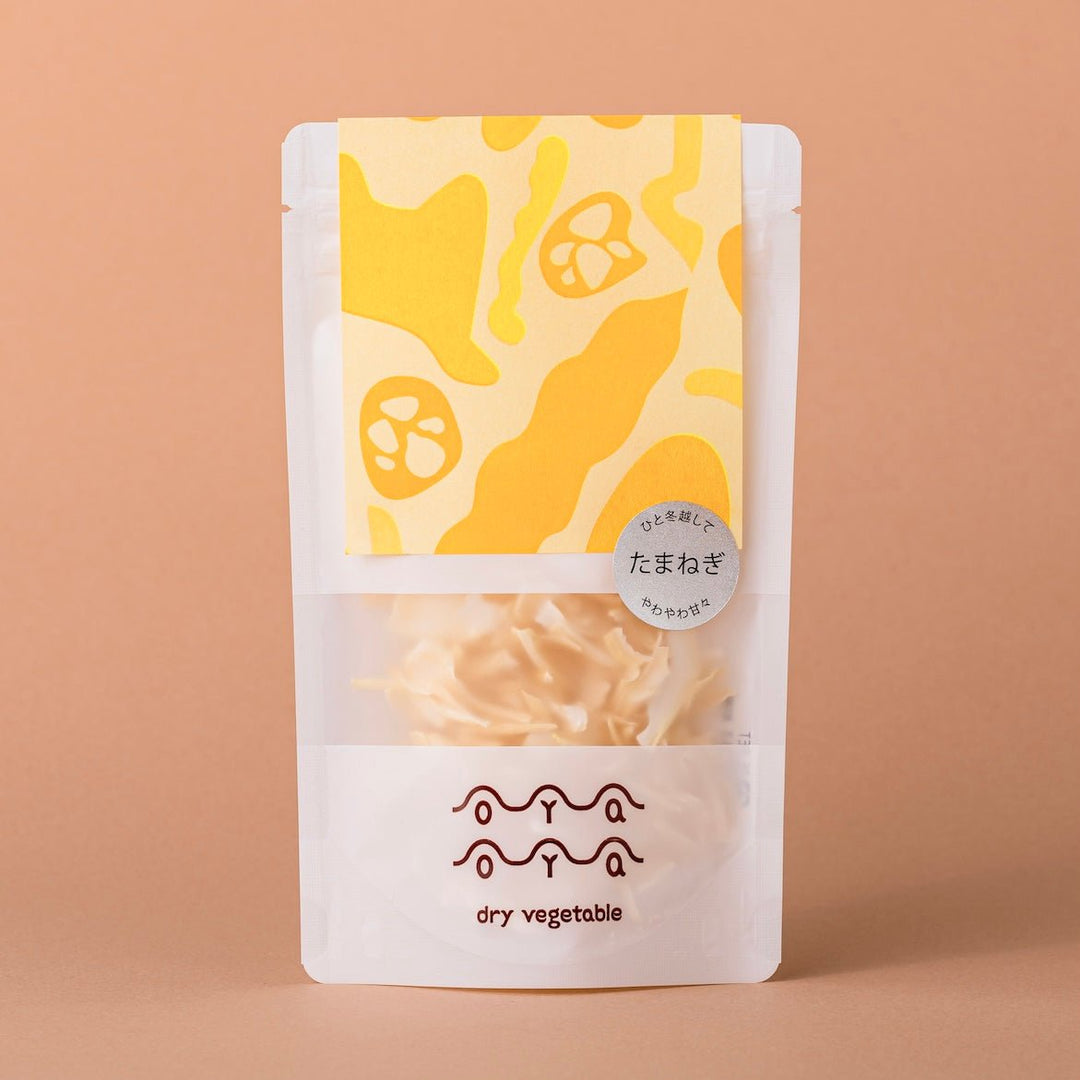
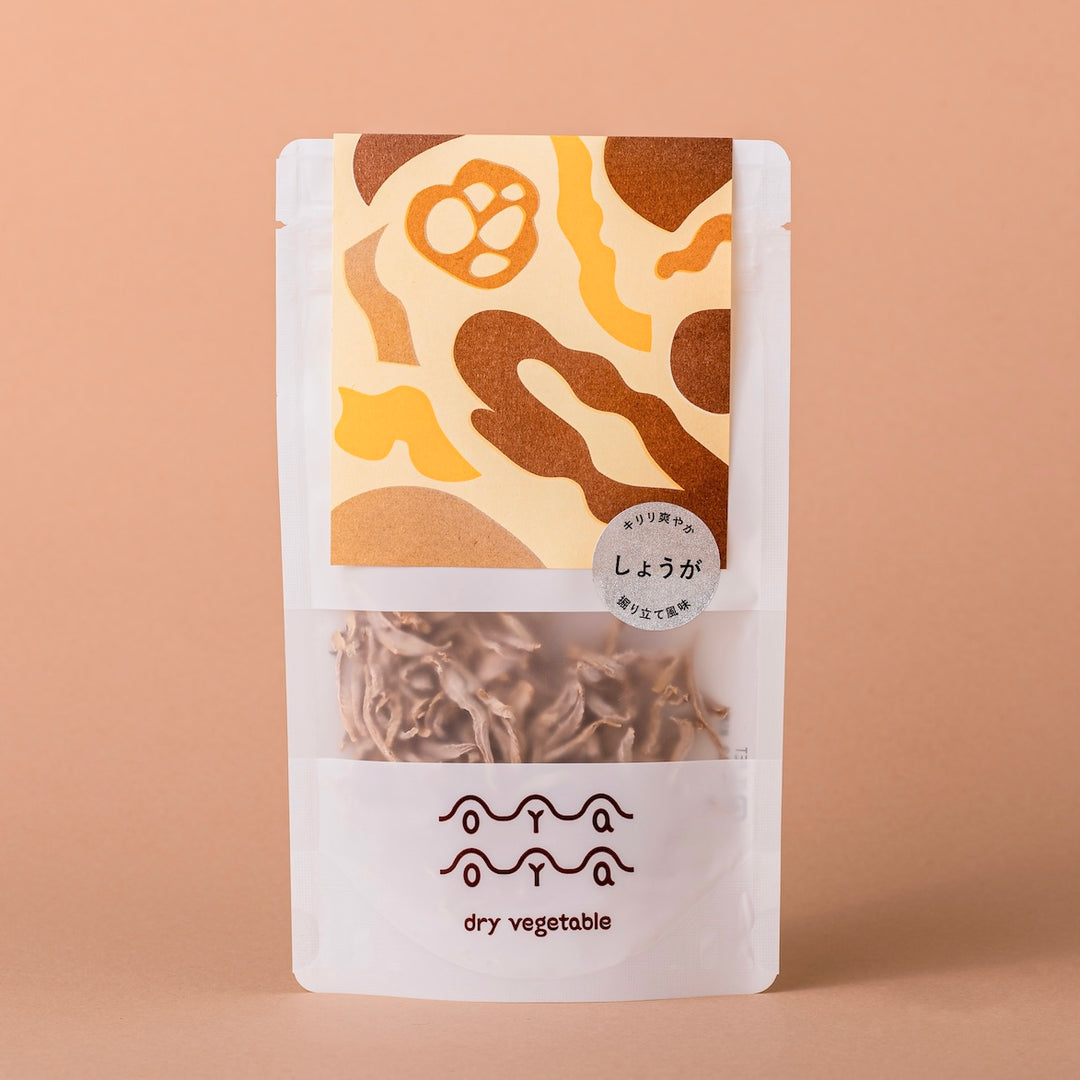
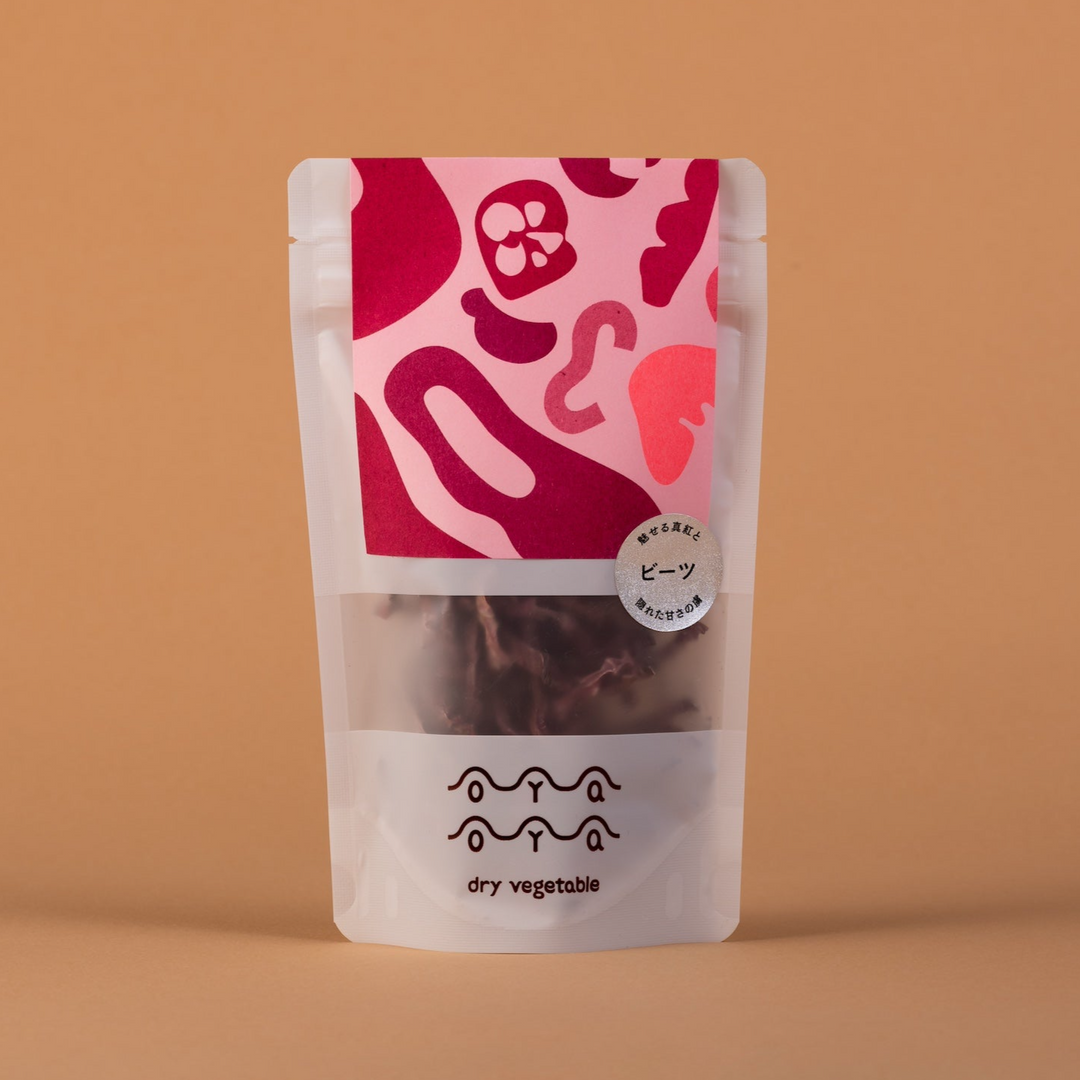
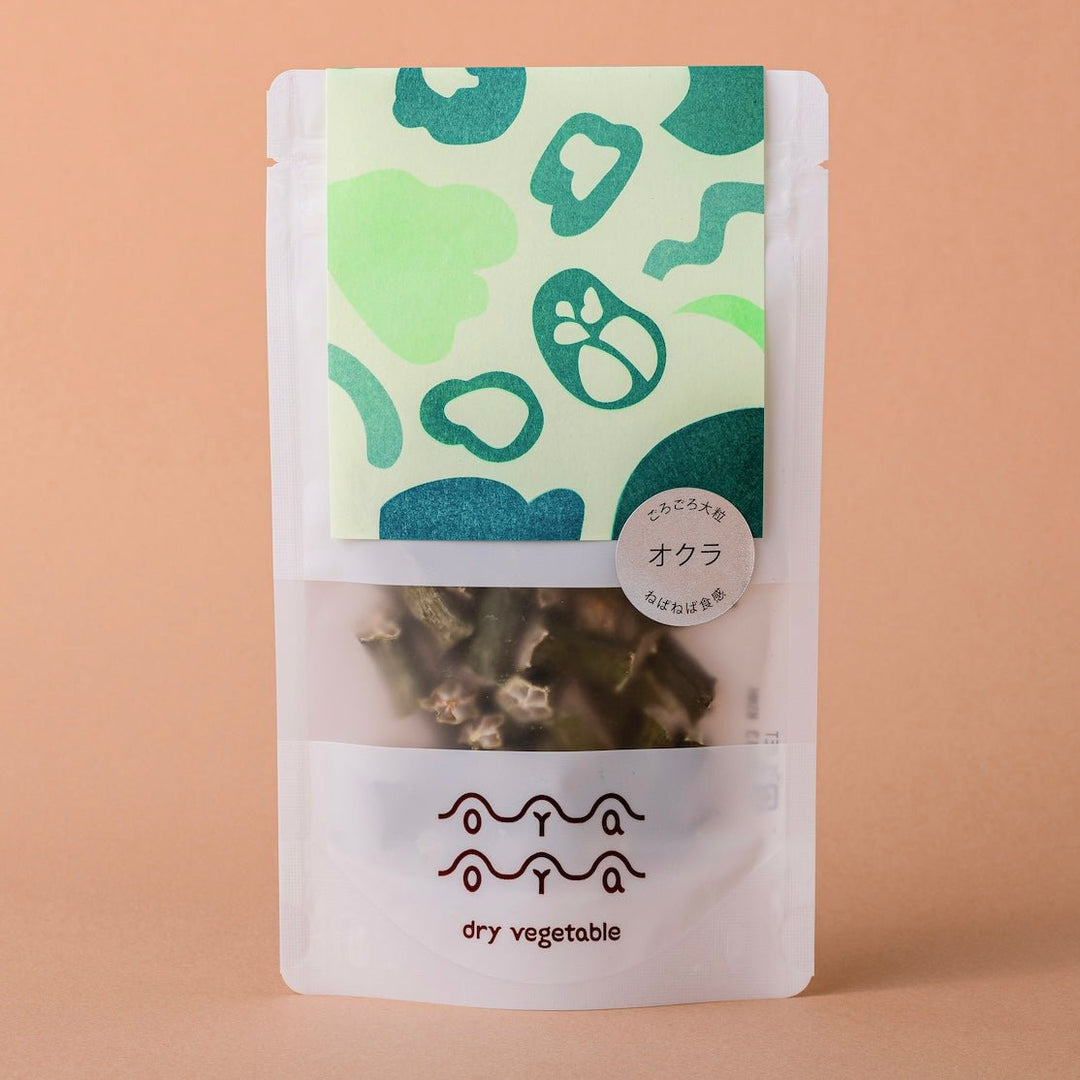
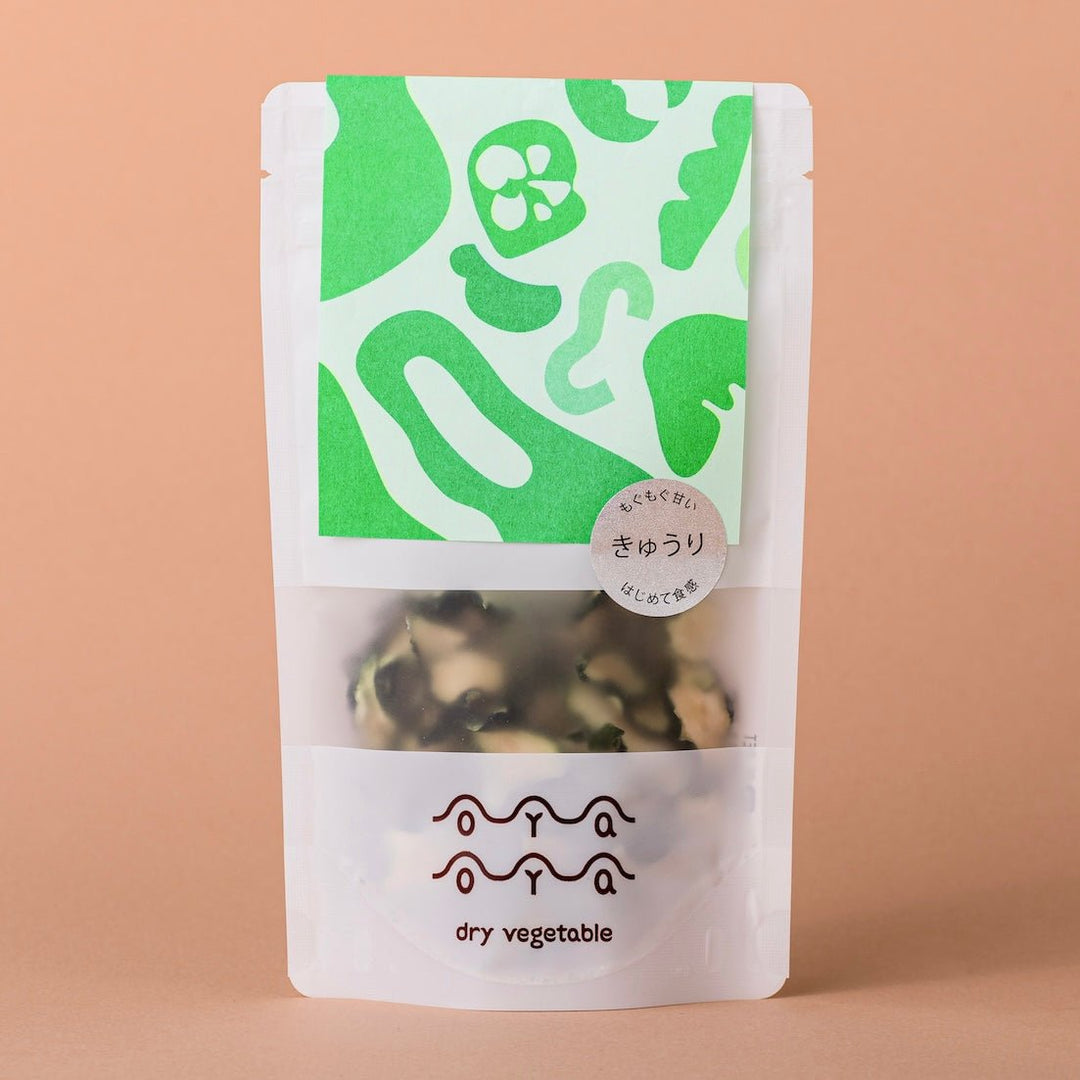
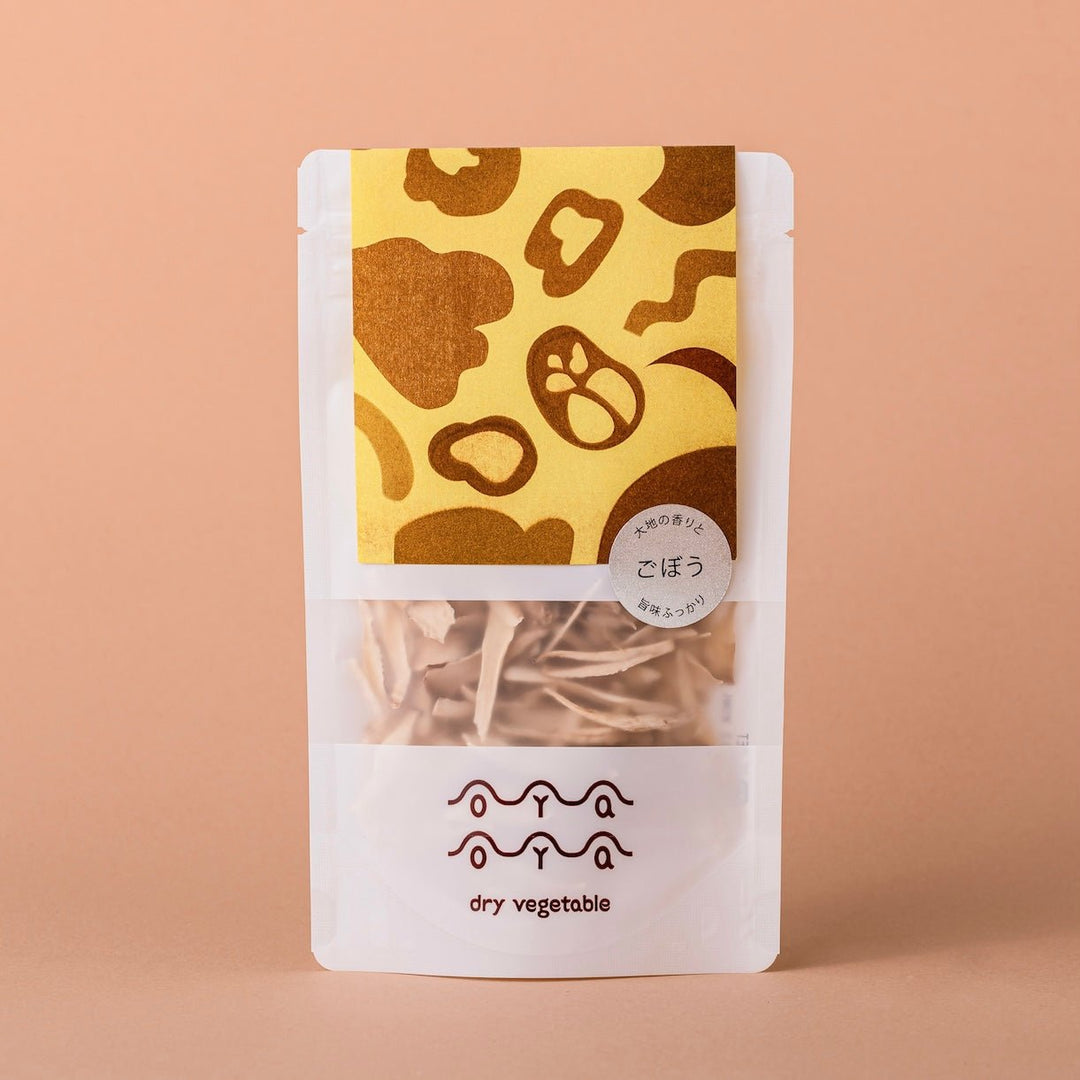
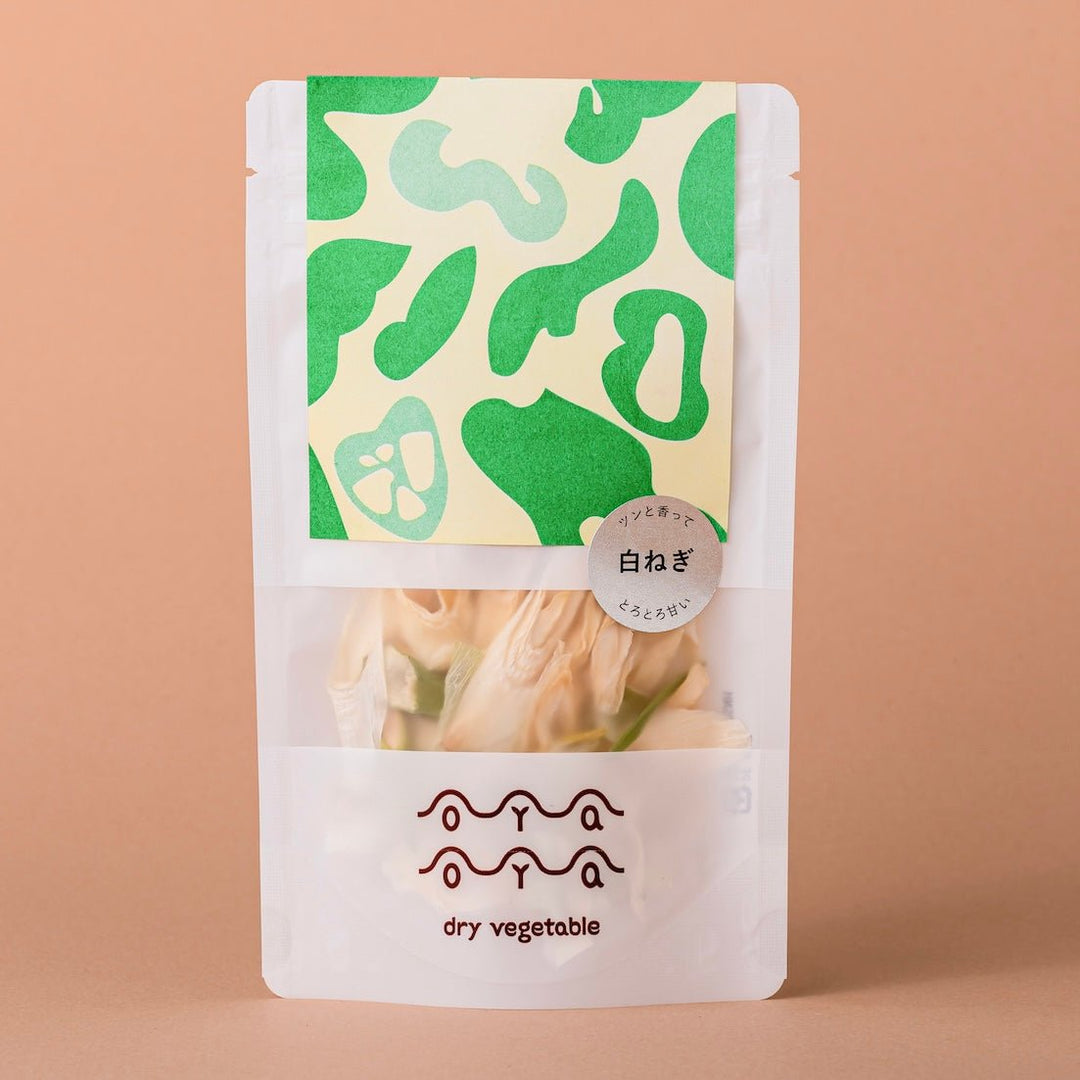
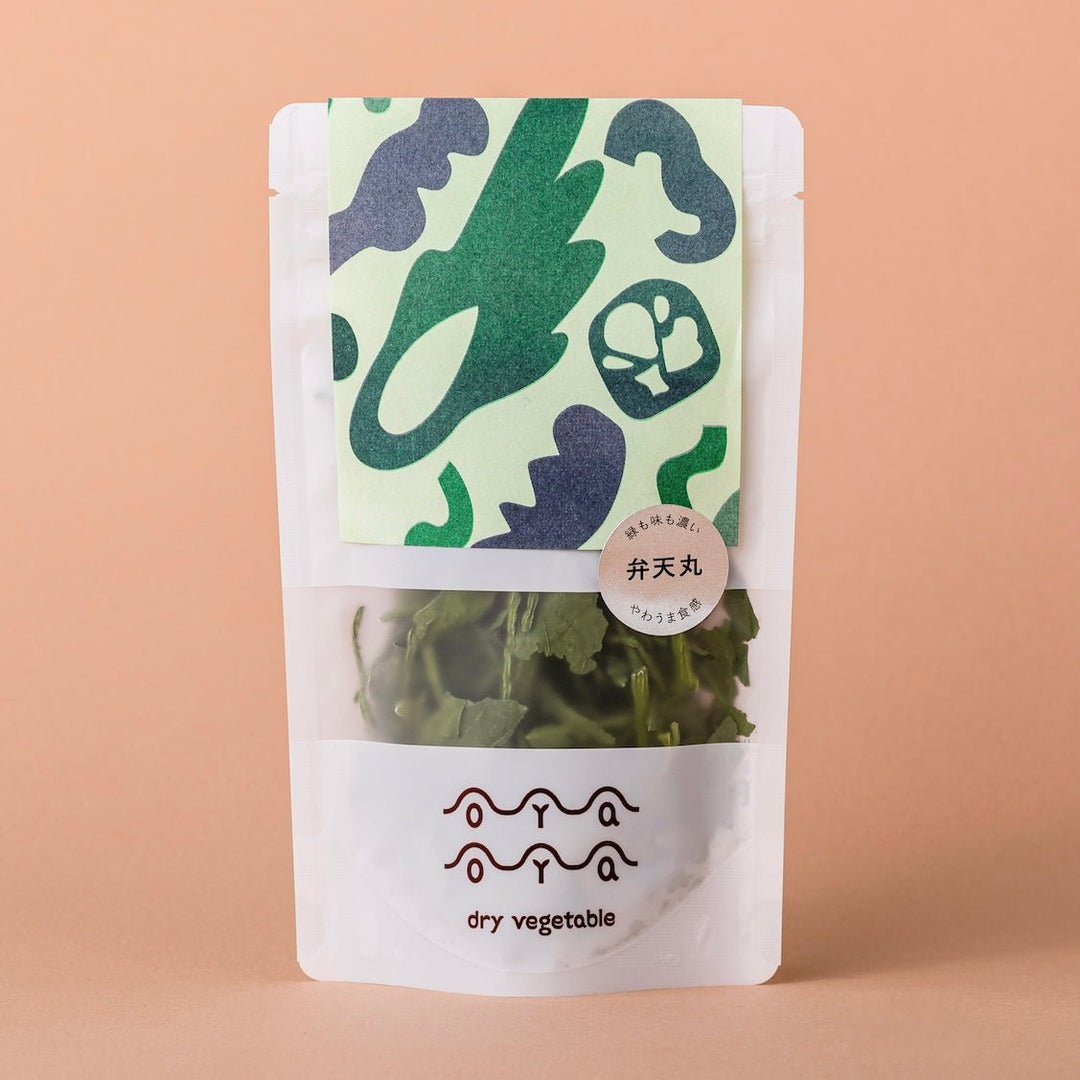
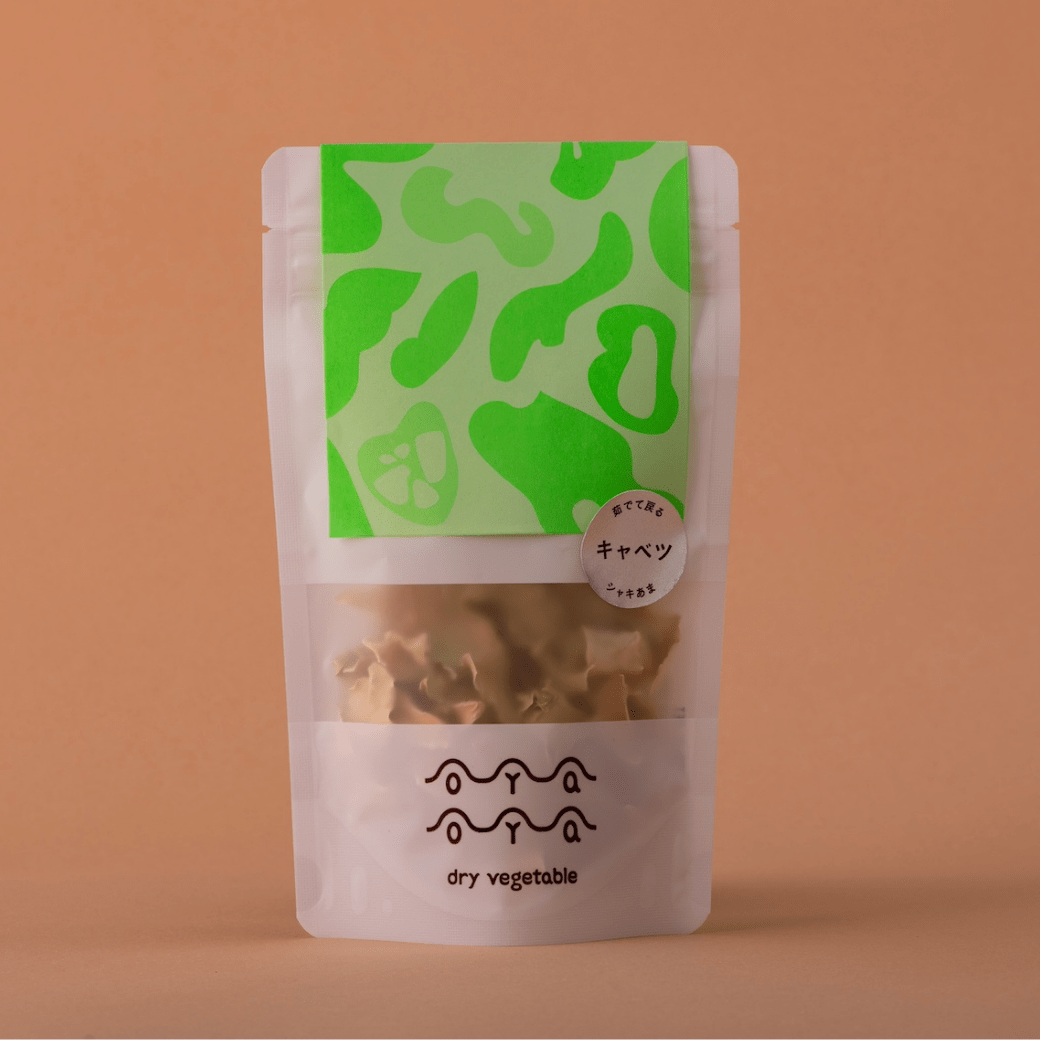
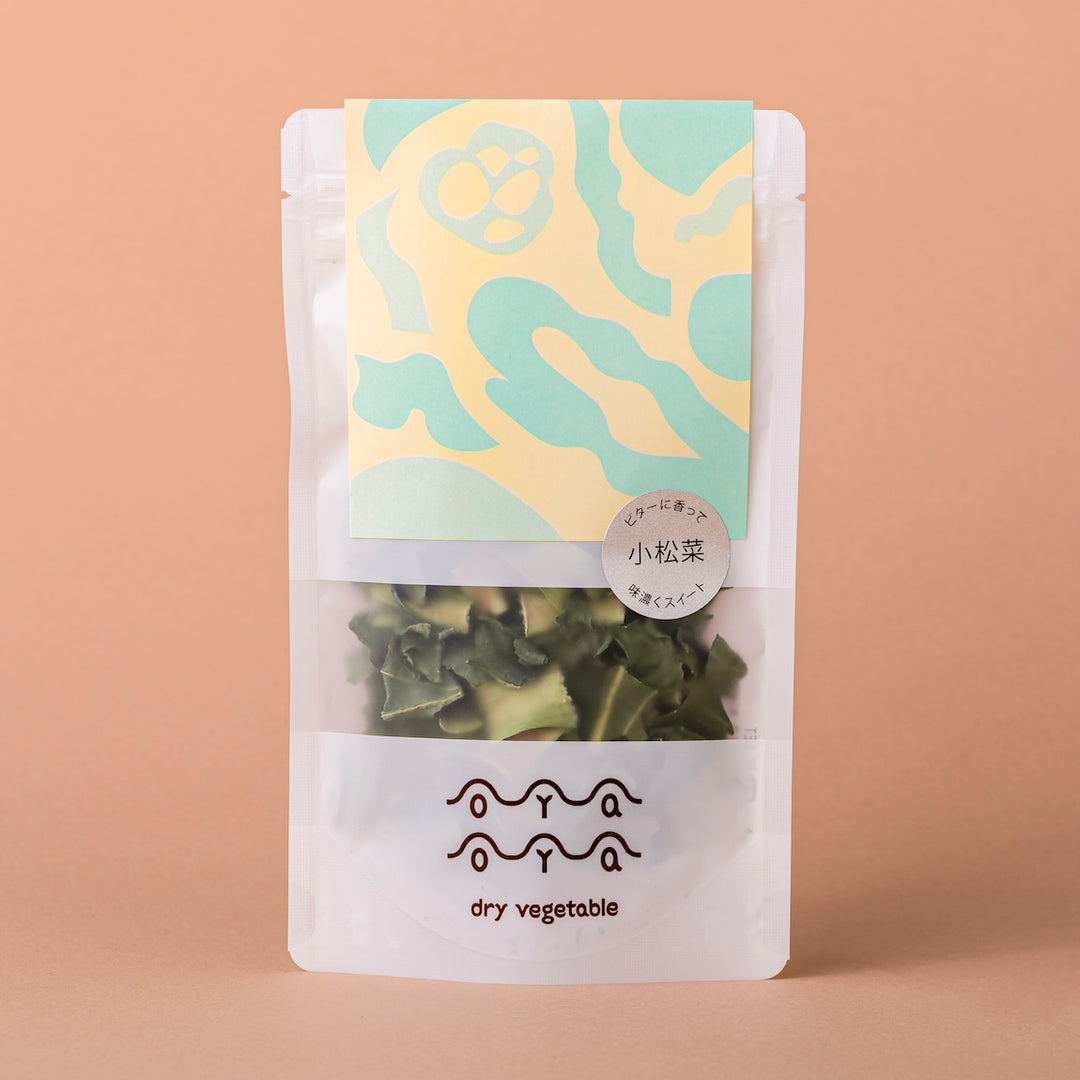
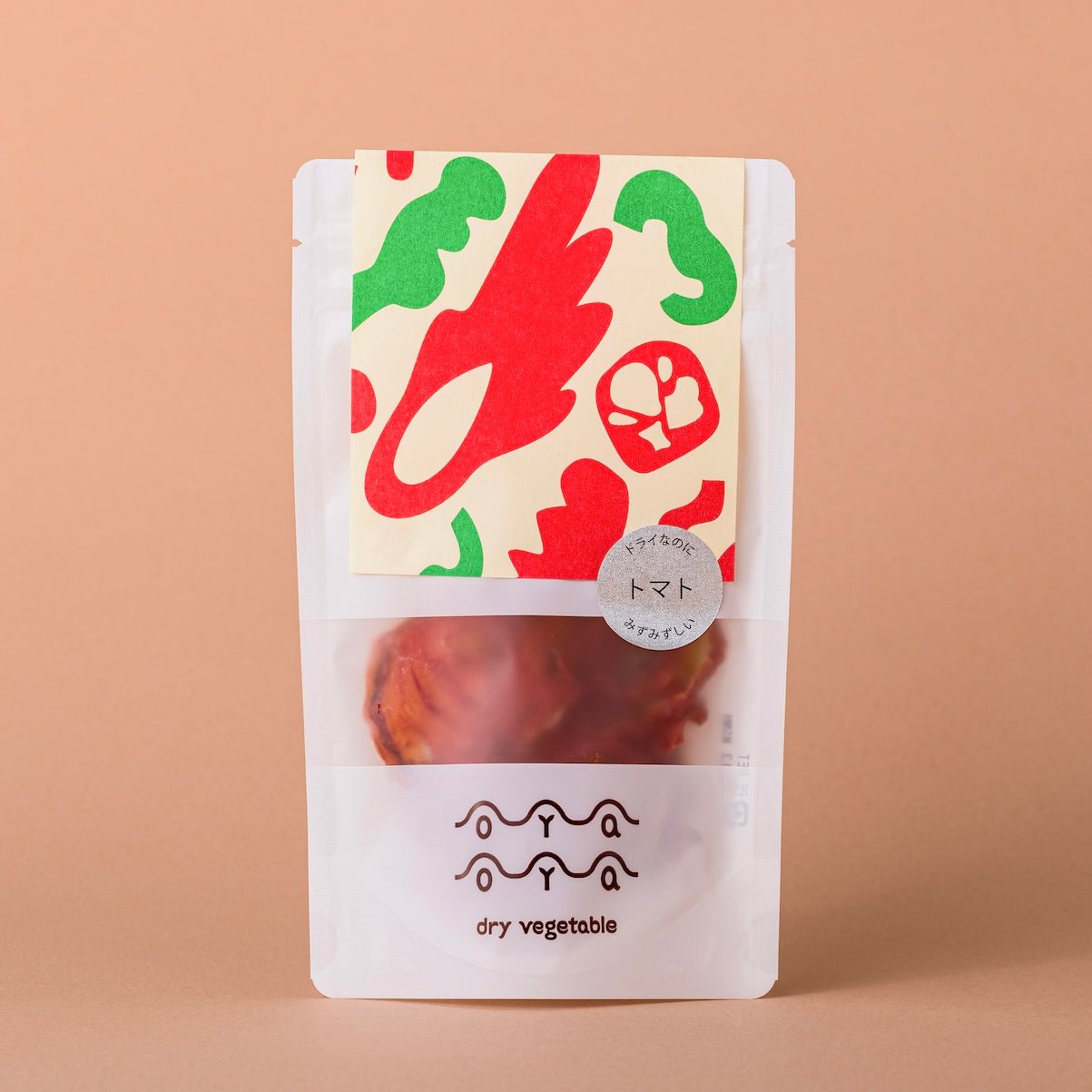
OYAOYA, a dried vegetable brand made from imperfect produce
There was a family-loving cucumber that bent because it shared the water and nutrients it needed for its own growth with its siblings. There was also a sleepy radish that found its soft soil bed so comfortable that it slept until its fruit split open.

Where does imperfect produce go?
Imperfect vegetables that don't make it to supermarket or department store shelves and are never seen in everyday life have untold stories. Just like people, they might have various reasons for not meeting standards due to their appearance—perhaps related to their family structure, home environment, or personality.
For farmers, the effort involved in growing imperfect vegetables is the same as for perfect ones. When it's time for harvest, if they are simply uneven in shape or size, their taste remains unchanged, meaning most of them are delicious.

Discarded imperfect produce
The proportion of imperfect vegetables produced by one farmer is about 30% of their total harvest. Some farmers are finding unique ways to upcycle these vegetables, which would otherwise be discarded or sold cheaply, by processing them into dried vegetables.
Upcycling into dried vegetables
However, despite the added value given to vegetables that would otherwise have no purpose, the general image of dried vegetables is still somewhat plain, often associated with traditional preserved foods like dried daikon. In reality, dried vegetables concentrate their umami, and their taste can vary depending on the farmer's commitment to soil, compost, and cultivation methods. They offer a re-discovery of vegetable deliciousness, a new treat from the field.
Classic daikon becomes even richer in flavor. Cucumbers become deliciously sweet, offering a straightforward and new texture. Radishes retain their subtle sweetness and the blushing color they developed while sleeping in.

Imperfect produce suitable for dried vegetables
In fact, imperfect vegetables are perfectly suited to be the stars of dried vegetables,
and perhaps they are the ones that deserve a happy ending, like in "The Ugly Duckling,"
cultivating deliciousness for both agriculture and our tables.
Agriture Inc.'s Sustainability
Related Products
Learn More About Dried Vegetables
- What is dried cucumber? Drying high-moisture vegetables
- 5 easy steps to making dried vegetables
- How to rehydrate dried vegetables | Plump umami revives in 10 minutes
- How to store dried vegetables and their shelf life
- Miso soup transformed with dried vegetables! The ultimate ingredient with concentrated umami
そのほかの乾燥野菜ブログ
View all