


How to use dried fruit in fruit tea | A luxurious cup to enjoy with your senses
That day, I was scheduled to accompany a junior colleague, in her fourth year at the company, on an interview. My role was to support the interview so that it proceeded smoothly, while respecting the interview plan she had developed.
The location was a cafe-restaurant on the top floor of a hotel. The interview involved speaking with a female chef over afternoon tea.
The interview went smoothly in every respect. I was admiring my colleague's thorough preparation when a staff member approached our table.
"Here is your seasonal fruit tea."
I looked into the teacup placed in front of me and gasped. Sliced dried fruit was sinking into the amber-colored tea.
"Oh, how beautiful..."
I couldn't help but exclaim. The staff member bowed slightly and continued,
"This tea uses dried strawberries. Please enjoy the aroma."
A rich and sweet strawberry aroma wafted over our table, as if flowers had bloomed there.
"Just the scent makes me feel so elegant,"
my colleague said, and the chef smiled and nodded enthusiastically.
"I didn't know such a service existed,"
I said, and the chef replied,
"Actually, I had already requested the restaurant to serve tea with dried strawberries at the end today."
Both my colleague and I were impressed by the chef's thoughtful hospitality. And above all, I re-realized from that single cup of tea how familiar dried fruit had become to me. The fruit tea with dried strawberries, with its fresh tartness, the light sweetness of strawberries, and the delicate charm of strawberries that came to mind just by smelling it, was a very memorable cup.
Since that day, I've made a habit of enjoying tea with dried fruit at home. I use unflavored Darjeeling tea and change the dried fruit depending on my mood. The sweetness of the dried fruit adds flavor to the refreshing tea.
When I'm tired, I choose sweet tropical fruits like mango or pineapple. When I want to wake up, like during breakfast, I choose slightly bitter citrus fruits. It's a matter of personal preference.
"Which dried fruit should I choose today?"
Life becomes richer through small things.
Part 7: How to Use Dried Fruit for Sweets | A Small Twist That Transforms Baked Goods
The idea of putting dried fruit in tea
When it comes to using dried fruit, the first things that come to mind are eating it as is or putting it in yogurt. However, fruit tea, which is completed simply by floating dried fruit in tea, is an unexpectedly refined way to enjoy it.
Dried fruit has a concentrated aroma and sweetness because the moisture has been removed. Therefore, when added to tea, the fruit flavor spreads quickly, and you can enjoy a natural sweetness without adding sugar. The fact that it doesn't require any special skills or tools and can be easily incorporated is also appealing.
The unique charm of fruit tea
The biggest characteristic of fruit tea is that you can enjoy not only the taste but also the aroma. The scent that rises the moment you put dried fruit in a cup and pour hot water over it can instantly change your mood.
Especially dried strawberries and citrus fruits release a gorgeous aroma with the steam of the tea, providing visual enjoyment as well. The sight of dried fruit sinking into amber-colored tea is beautiful, and the ability to bring a special afternoon tea feeling into everyday life is another unique charm of fruit tea.
The basic preparation is very simple
Making dried fruit tea is extremely simple. Just put a few pieces of dried fruit in a teacup and pour tea over it. That alone makes a fruit tea.
Teas with less distinctive flavors, such as Darjeeling or Earl Grey, are easy to pair and do not interfere with the fruit's aroma. It is recommended to start with a small amount of dried fruit, rather than too much. As time passes, the taste and aroma change, allowing you to enjoy it slowly.
The taste changes with the choice of dried fruit
The impression of fruit tea changes significantly depending on the dried fruit used.
If you want to feel a strong sweetness, tropical fruits such as mango and pineapple are suitable. They add a natural sweetness to the tea, making it a cup that can be enjoyed like a dessert.
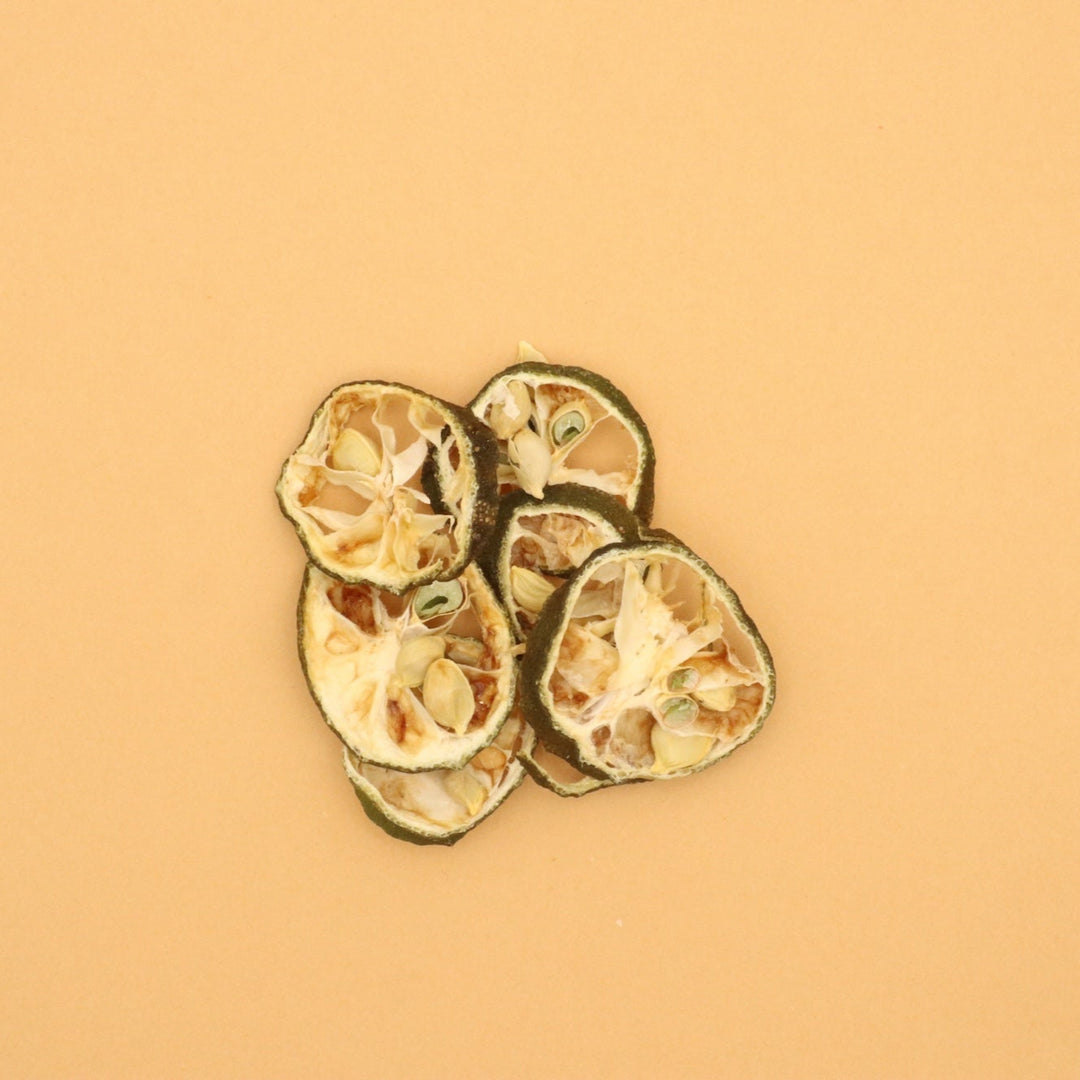
On the other hand, citrus dried fruits are recommended for mornings or when you want a change of pace. Their subtle bitterness and acidity dissolve into the tea, resulting in a refreshing aftertaste. Dried strawberries offer a good balance of sweetness, acidity, and aroma, making them an easy ingredient for those trying fruit tea for the first time.
An enjoyable way to incorporate into daily life
Fruit tea is not just for special occasions. If you have a habit of brewing tea at home, you can enjoy it simply by adding dried fruit. By choosing fruits according to your mood and physical condition, the same tea can show a completely different character.
With just a little ingenuity, your usual tea time can become richer. That experience is precisely the charm of fruit tea made with dried fruit.
Small changes starting with scent
The act of adding dried fruit to tea is very modest. However, the satisfaction that a single cup brings is by no means small. Time spent enveloped in scent can soothe the mind in a busy daily life.
"Which dried fruit should I choose today?" Just asking that question can make daily life a little richer. Fruit tea is one of the new ways to enjoy dried fruit that I highly recommend trying.
Related products
Learn more about dried fruit
その他のドライフルーツコラム
View all