

10 Best Vegetables for Drying! How to Choose Them Without Failing, Even for Beginners
Last weekend, I attended a regular lunch gathering with three colleagues from work. Though we called it a lunch gathering, it was far from a stuffy affair. One of the attendees would reserve a restaurant they liked, and there, under the guise of a brief work report, we would thoroughly air our daily concerns, gripes, and deepest thoughts.
"Our class is starting to reach middle management, aren't we?"
"Yoshida-san from my department is getting married next month, apparently."
"My niece is starting elementary school next year."
We would spend three hours talking about such mundane topics. And on this particular day, one of my同期 started talking about this.
"Lately, I've been making homemade meals for my dog."
According to her, her dog was entering its senior years, and she was reviewing its diet as part of its health management.
"It's actually quite fun, and I look forward to planning its menu every day."
"Hehe, planning a menu for your dog, huh? Haha."
"What? We're all single! You can't laugh at others either."
Watching my friends playfully bicker, I suddenly remembered the dried vegetables I had been making.
"Oh, speaking of which, I've started making dried vegetables recently."
At my words, my friend's eyes widened, and she leaned forward.
"Dried vegetables? Did you start a new business?"
"No, I make dried vegetables at home on sunny holidays."
I briefly told my colleagues about my sister's serialized articles and the dried vegetables I was making.
"What kind of vegetables do you use for that?"
My friend's question reminded me of an article my sister wrote.
"Things to check before starting dried vegetables! Some vegetables are suitable for drying, and some are not. For beginners, the vegetables I recommend trying first are root vegetables. Daikon radish, carrots, burdock root, lotus root. These vegetables are especially suitable for drying. Why? Because of their water content! These root vegetables have low water content, and when dried, their umami is concentrated, making it easy for beginners to make them deliciously! Also, mushrooms are recommended because of their low water content. Drying them enhances their flavor, and they become fragrant and delicious!"
I have a recommendation too.
"Eggplant and bell peppers also change in texture and flavor when dried, so they're recommended."
As the lunch gathering neared its end, we decided to move to a cafe to continue our conversation at a more leisurely pace.
The Appeal and Basic Knowledge of Dried Vegetables
All you need to make dried vegetables are vegetables and a place to dry them! No special tools are required, and anyone can easily start with a colander or net. If you sun-dry them from morning to evening, you'll have semi-dried vegetables. It takes a bit longer to dry them completely like dried goods, but semi-dried ones can be ready in half a day.
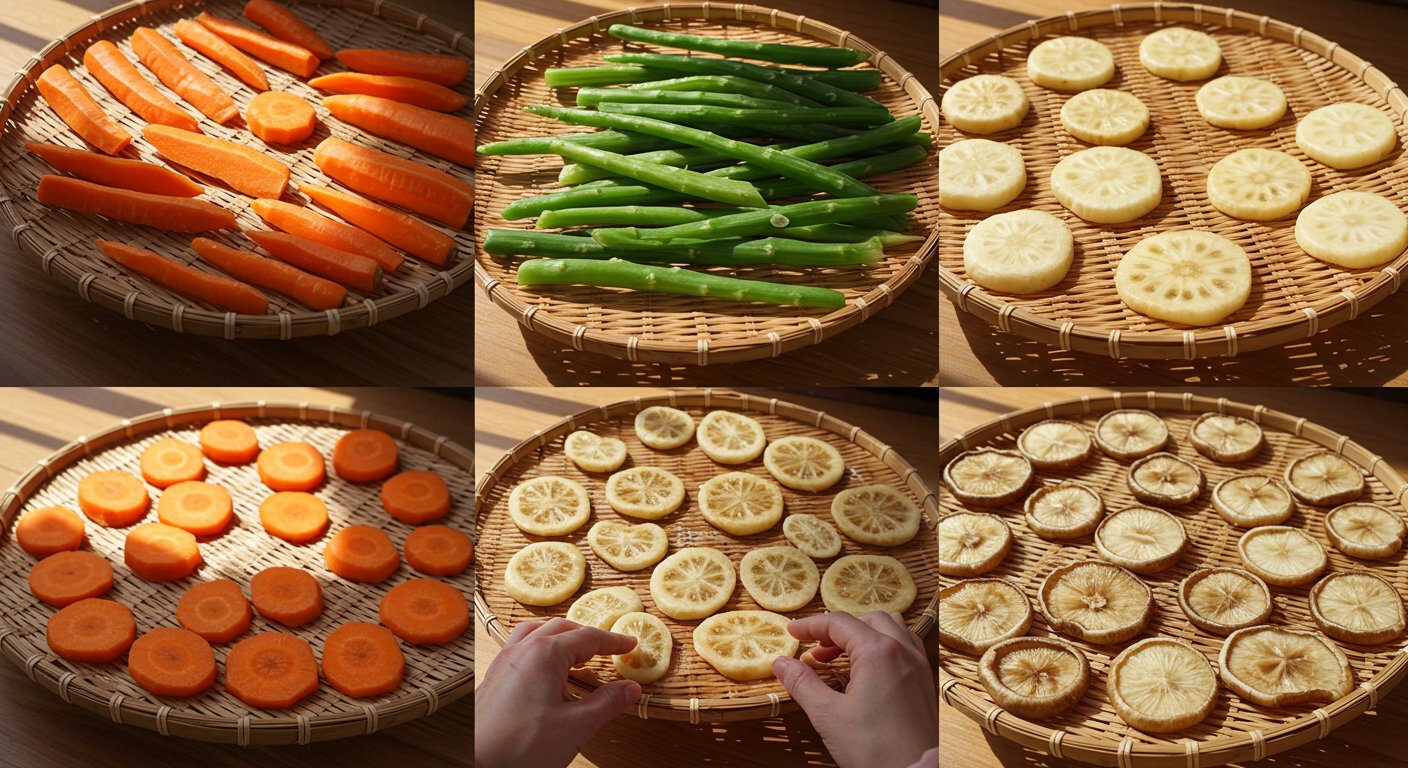
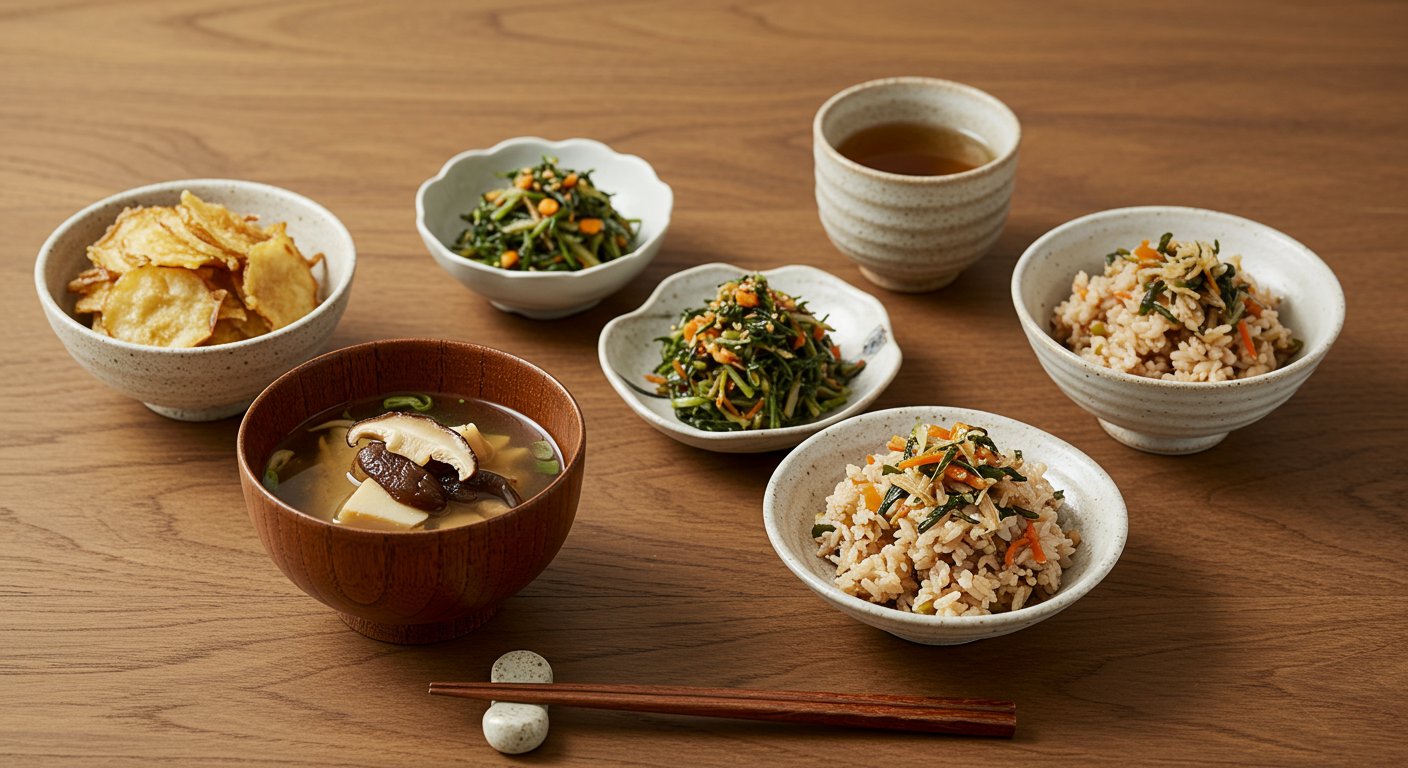
The benefits of dried vegetables are, first and foremost, enhanced vegetable flavor and long-term storage! The natural umami of the vegetables is concentrated by the power of the sun and wind, so you don't need to add a lot of seasonings to create a rich broth, making them delicious even with light seasoning. They are also recommended for those who have a limited repertoire of dishes and struggle with daily meal planning. Even with the same cooking method, using dried vegetables changes the texture and flavor, resulting in a fresh dish.
10 Best Vegetables for Drying
If you're a dried vegetable beginner wondering "where to start?", the key is to challenge yourself with vegetables that have low water content first! Vegetables with high water content take a long time to dry, and if humid days continue, it can lead to mold.
So, here are 10 recommended vegetables for dried vegetables that even beginners won't fail with. These vegetables dry easily, and their taste after drying is exceptional!
1. Daikon Radish
Dried daikon radish is a familiar vegetable known as kiriboshi daikon. If you dry it with the skin on, sliced into 3-4mm thick rounds or julienned, its sweetness increases and it becomes even more delicious! When used in stews or mixed rice, it creates a rich broth and a flavorful dish. The skin of daikon radish is packed with nutrients, so it's recommended to dry it with the skin on. This is truly the essence of dried vegetables!
If you stew dried daikon with fried tofu, you'll have a classic side dish. If you rehydrate it with water before using, it's less likely to fall apart when cooked and absorbs flavors easily, so if you have time, it's good to rehydrate it slightly with water before cooking.
2. Carrots
It's also recommended to dry carrots with their skin on. You can cut them into chunks, dice them, or julienne them, depending on the dish you want to use them for. After about half a day of drying, a significant amount of moisture will have evaporated, and you'll notice their volume has reduced considerably.
Dried carrots may show some darkening in spots, but this is a natural phenomenon, not mold, so don't worry and eat them! Dried carrots can be combined with kiriboshi daikon for a salad-like dish, offering a crisp texture. They're also perfect for stews and mixed rice, and their increased sweetness makes them a popular ingredient with children.
3. Pumpkin
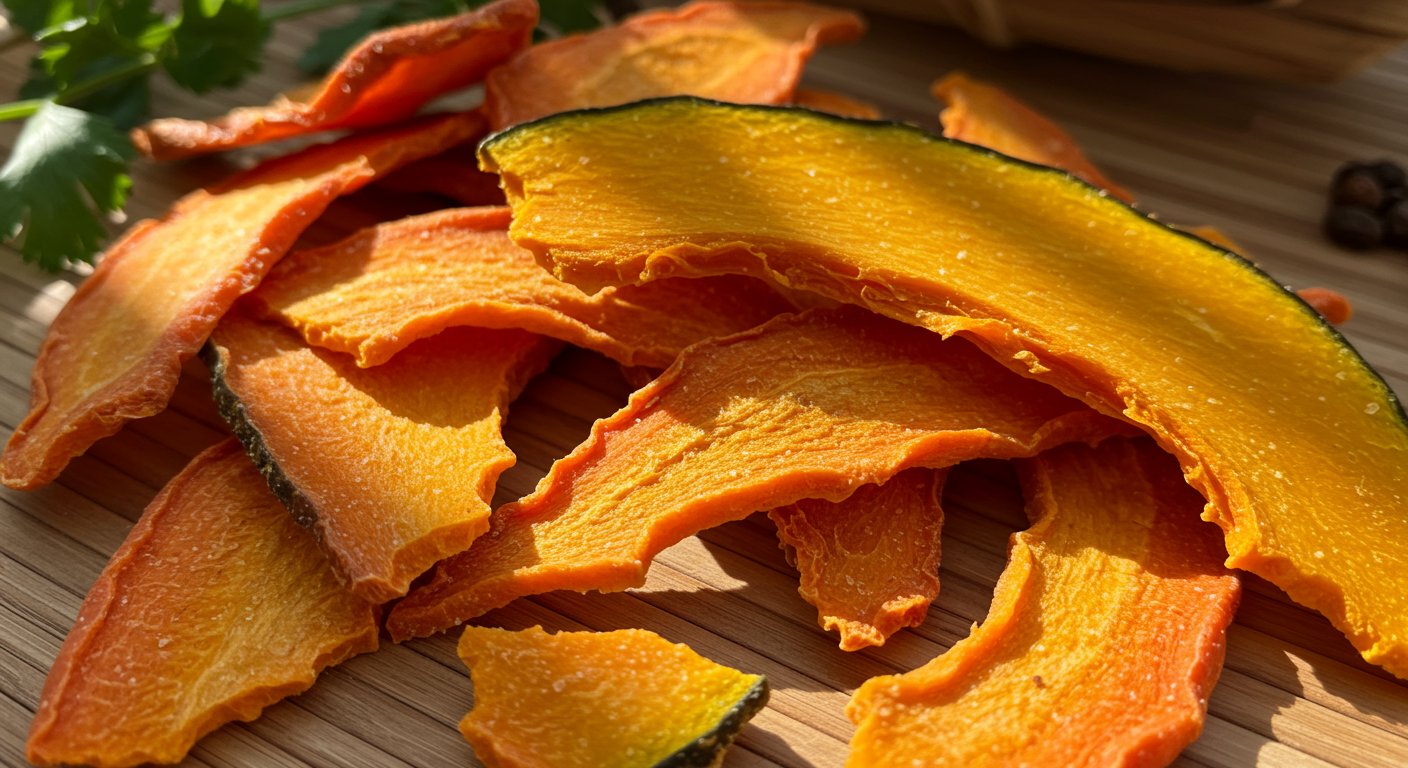
Pumpkin is a vegetable with low water content and a strong sweetness, making it perfect for dried vegetable beginners! If you slice it thinly with the skin on and dry it, its sweetness condenses, making it as delicious as a snack.
Dried pumpkin is exquisite when deep-fried and eaten as is. Its crispy texture and natural sweetness spread throughout your mouth. Also, when added to stews, it doesn't fall apart easily and you can enjoy its fluffy texture. At our house, dried pumpkin in miso soup is a staple. It creates a deeply flavorful miso soup without needing any additional dashi.
4. Mushrooms (shiitake, shimeji, etc.)
Mushrooms are naturally low in water content, making them perfect for drying! Simply remove the stems, separate them, or slice them and dry them to significantly enhance their umami. Shiitake mushrooms can be dried whole or sliced. The aroma of dried shiitake is exceptional and instantly elevates any dish to a professional level.
Dried mushrooms can also be frozen, so if you've ever bought them and couldn't use them all before they spoiled, it's a good idea to dry them and then freeze them. They are versatile players that will elevate the flavor of all your dishes, including soups, miso soups, and mixed rice!
5. Sweet Potatoes
Sweet potatoes also have low water content and become sweeter when dried. If you slice them into thin rounds and dry them, the moisture evaporates, reducing their bulk and making them easier to use in cooking. When added to stir-fries or stews, they are less likely to fall apart, and you can enjoy their fluffy texture and natural sweetness.
If you want to enjoy them as a snack, it's recommended to make "hoshi-imo" (dried sweet potato) by steaming or heating them before drying, rather than drying them raw. They will have a moist sweetness without added sugar, making them a popular snack for children.
 6. Lotus Root
When lotus root is thinly sliced and dried, its unique crunchy texture becomes even more enjoyable. The distinctive holes of the lotus root also stand out more when dried.
Dried lotus root is exquisite when deep-fried into chips! Its crispy texture and natural sweetness spread throughout your mouth. Also, when added to stews or stir-fries, the crunchy texture remains, adding variety to your dishes. The tannins in lotus root can cause bitterness, so if you soak it in vinegar water immediately after cutting it before drying, you can prevent discoloration and achieve a beautiful finish.
7. Eggplant
Eggplant is a high-water vegetable, but when sliced thinly and dried, it becomes a surprisingly flavorful dried vegetable. Drying removes the moisture from the eggplant, concentrating its umami.
Dried eggplant adds a rich aroma when added to miso soup. Also, when fried in oil and made into a aemono (dressed dish), you can fully enjoy the flavor of eggplant. Eggplant tends to discolor easily, so after slicing, soak it in vinegar water for about 15 minutes, then wipe off the moisture and dry it for a good color. Even if it turns dark, there's no problem with the taste, so if you don't mind, you don't need to soak it in vinegar water.
8. Zucchini
Zucchini is a quintessential summer vegetable, but it's also perfect for drying! When sliced thinly and dried, the moisture evaporates, reducing its bulk and concentrating its umami.
Dried zucchini, when deep-fried into chips, offers a crispy texture and natural sweetness. Also, when added to pasta or soup, it creates a dish where the flavor of zucchini is deeply felt. By drying zucchinis that are harvested in large quantities in the summer, you can store them for a long time and use them without waste.
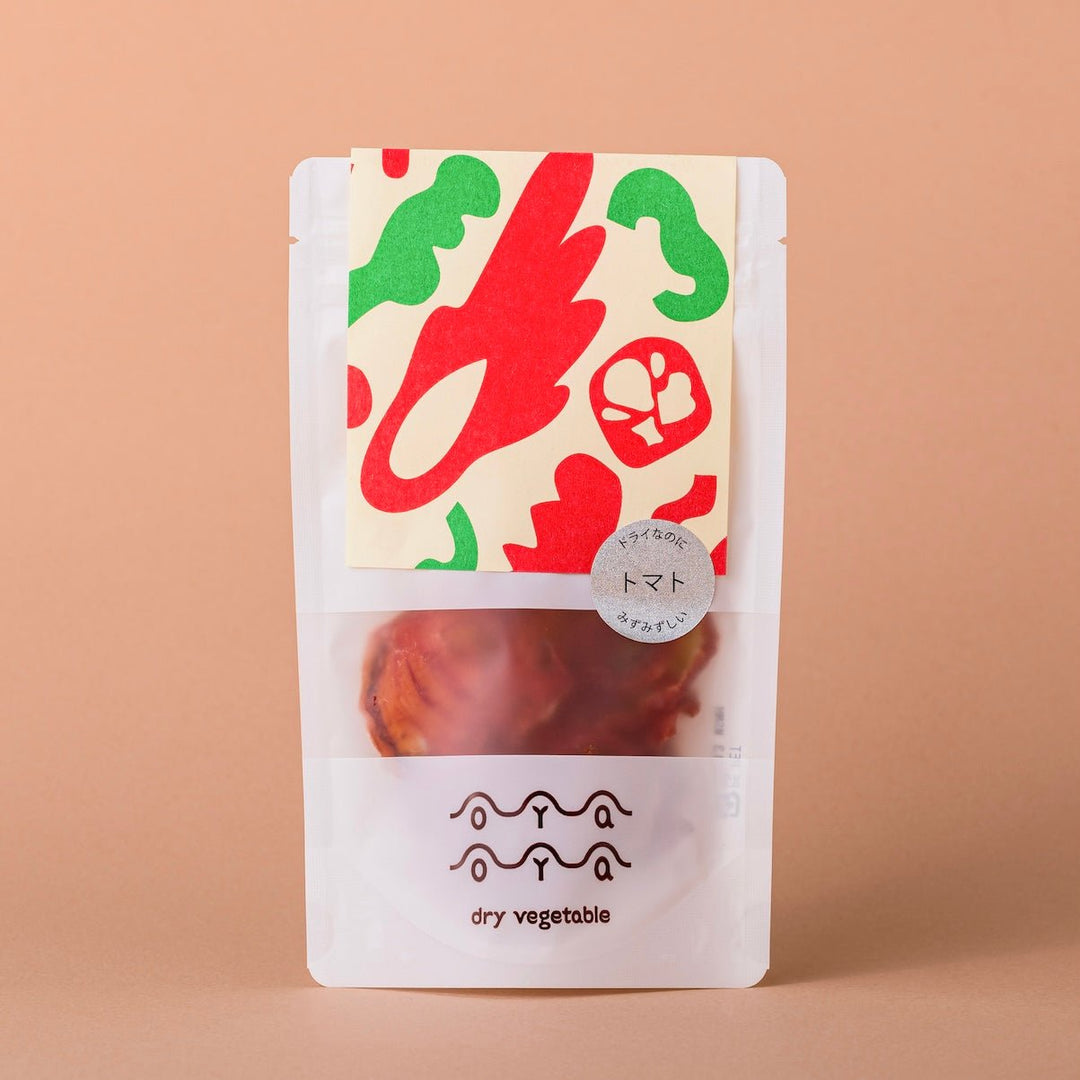
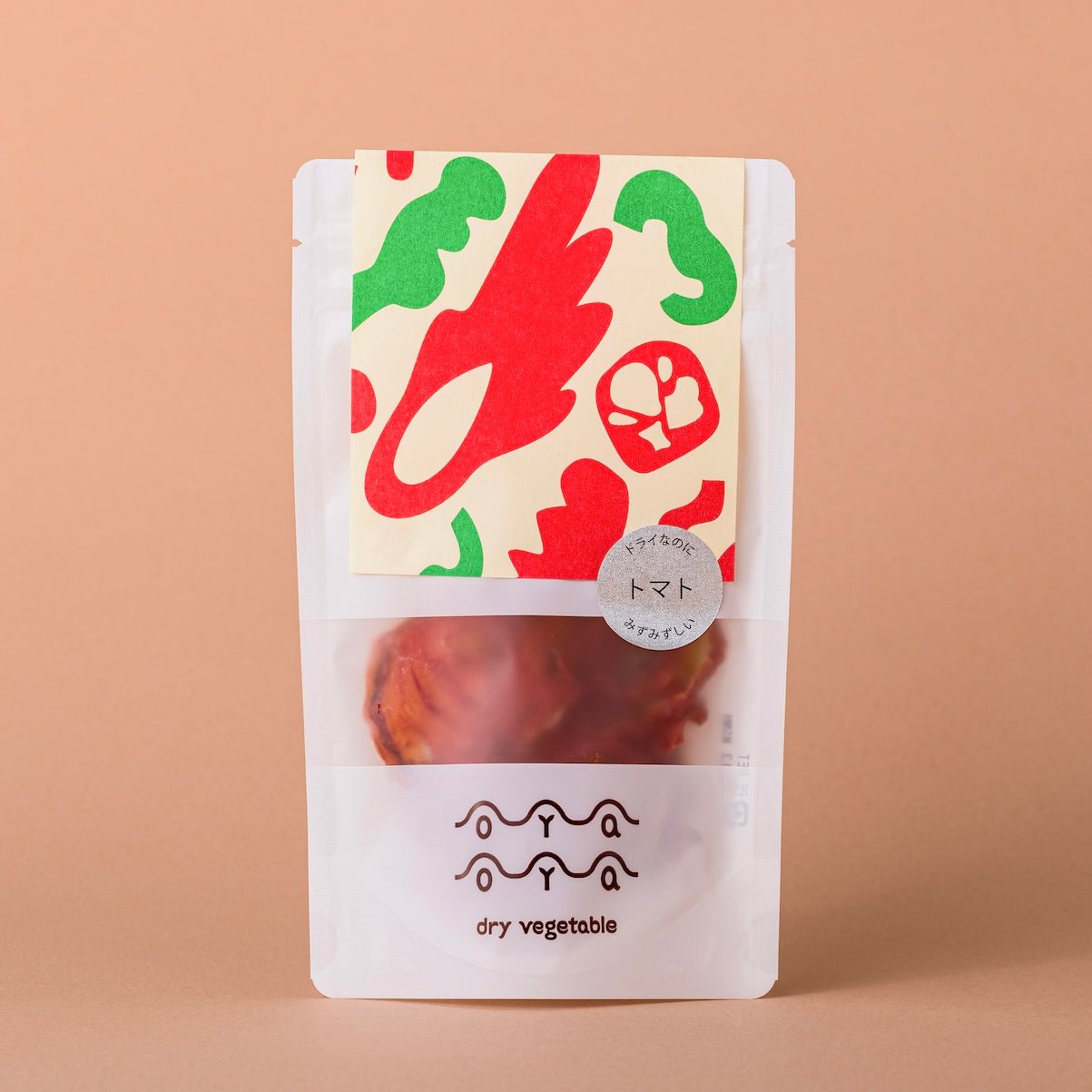
9. Tomatoes
Since tomatoes contain a lot of water, the key to drying them is to slice them thinly. On humid days or in poorly ventilated areas, mold can easily form, so be sure to dry them in a sunny and well-ventilated environment.
Drying removes moisture, concentrating their sweetness and acidity. Semi-dried tomatoes are excellent in pasta, salads, and as a filling for bread. If soaked in olive oil, their shelf life increases and their flavor becomes even richer.
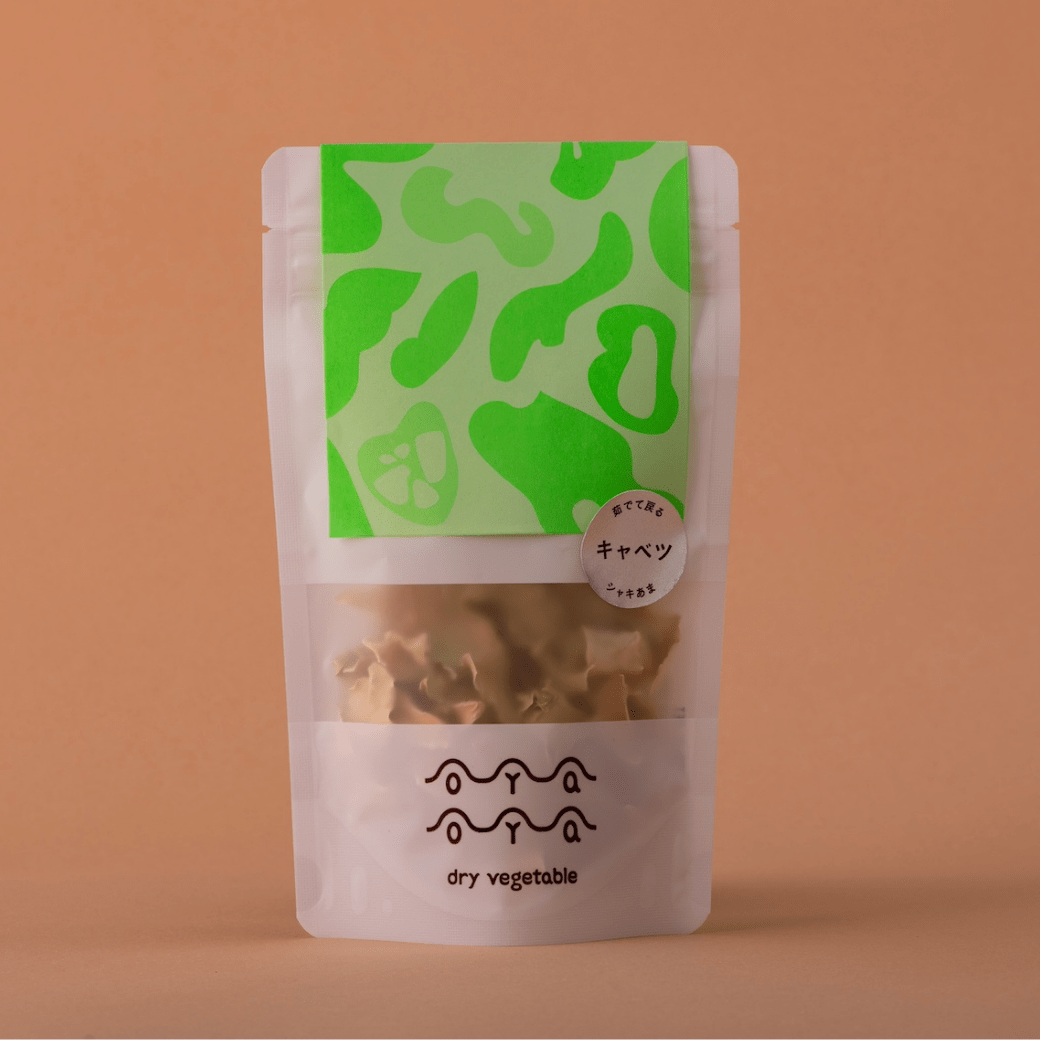
10. Cabbage
Outer cabbage leaves, which would normally be thrown away, can be transformed into something wonderful when dried! Simply tear them into bite-sized pieces or cut them into easy-to-eat sizes and dry them to create dried cabbage with concentrated umami.
Dried cabbage is perfect as an ingredient for soups and miso soups. Since the moisture has been removed, it's less likely to fall apart when cooked, and you can really taste the sweetness of the cabbage. Also, when added to stir-fries, its reduced bulk allows you to use a large quantity, resulting in a nutritious dish.
Tips for Making Dried Vegetables and Storage Methods
The best seasons for making dried vegetables are spring, when there are many sunny days, summer, with its strong sunlight, and winter, when the air is dry. Avoid periods of continuous cloudy or rainy weather with high humidity, as this can lead to mold. Sun-drying is best from 10 am to 3 pm! The best time to make dried vegetables is from 10 am to around 3 pm on a bright, sunny day with good sunlight.
The basic steps for making dried vegetables are very simple: "Wash vegetables → wipe dry → cut → dry in a well-ventilated, sunny place." If you don't thoroughly wipe the moisture off the vegetables with kitchen paper before drying, it can lead to mold, so be sure to handle this carefully.
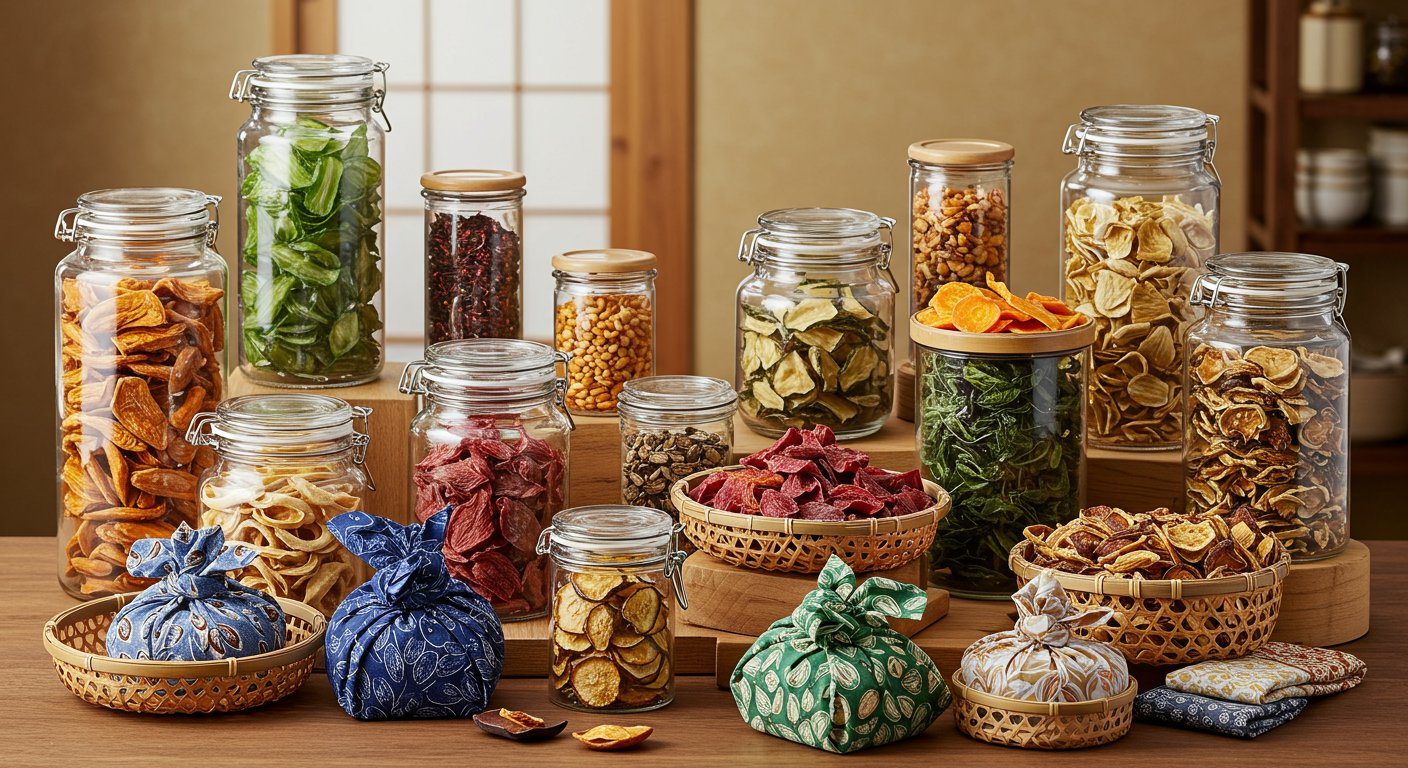
The storage method for dried vegetables varies depending on their dryness. Semi-dried types should be stored in a clean container or bag in the refrigerator and consumed within 4-5 days. They can be used just like fresh vegetables, expanding your cooking possibilities.
Dry types (fully dried) should be stored in a clean airtight container or jar at room temperature or in the refrigerator. If stored properly, they can last up to 3 months. If storing in the refrigerator, be careful about condensation. You can also rehydrate them with water for 5-15 minutes to soften them before cooking.
However, these are just guidelines, as the condition of the vegetables can vary depending on the drying environment and degree of dryness. Always check the vegetables' condition periodically to determine if they are safe to eat!
Summary: Add a Little Richness to Your Table with Dried Vegetables
Dried vegetables are wonderful ingredients that condense the natural flavor of vegetables and allow for long-term storage. Especially for beginners, try challenging yourself with vegetables that have low water content, such as mushrooms, pumpkin, daikon radish, carrots, and sweet potatoes. You'll have fewer failures and build successful experiences!
I used to think that making dried vegetables required a large garden and repeatedly turning the vegetables over, making it a much more involved process. But what I actually did was just cut the vegetables and dry them on a bamboo colander. Then, I just left them in a small space on the veranda, and it was quite effortless!
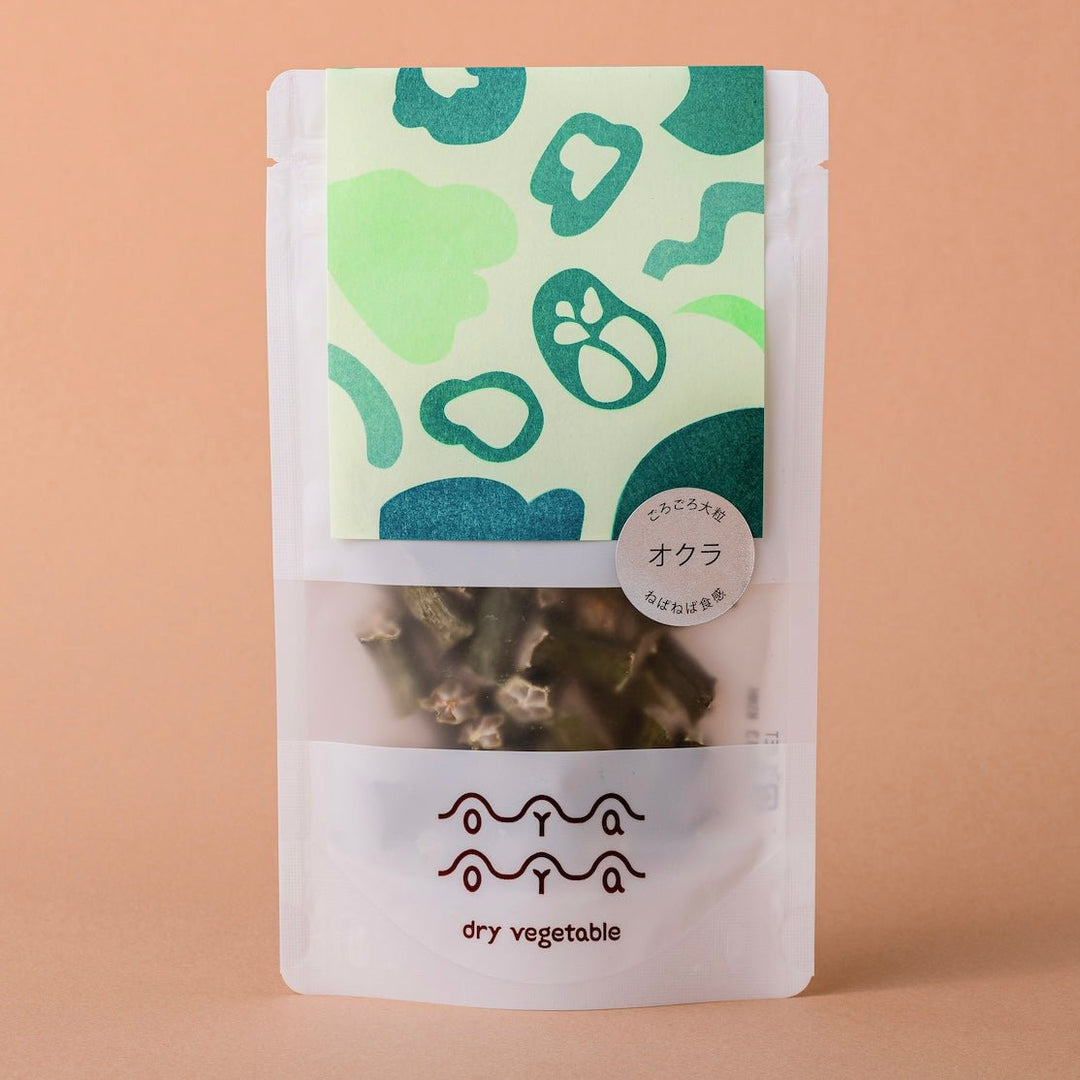
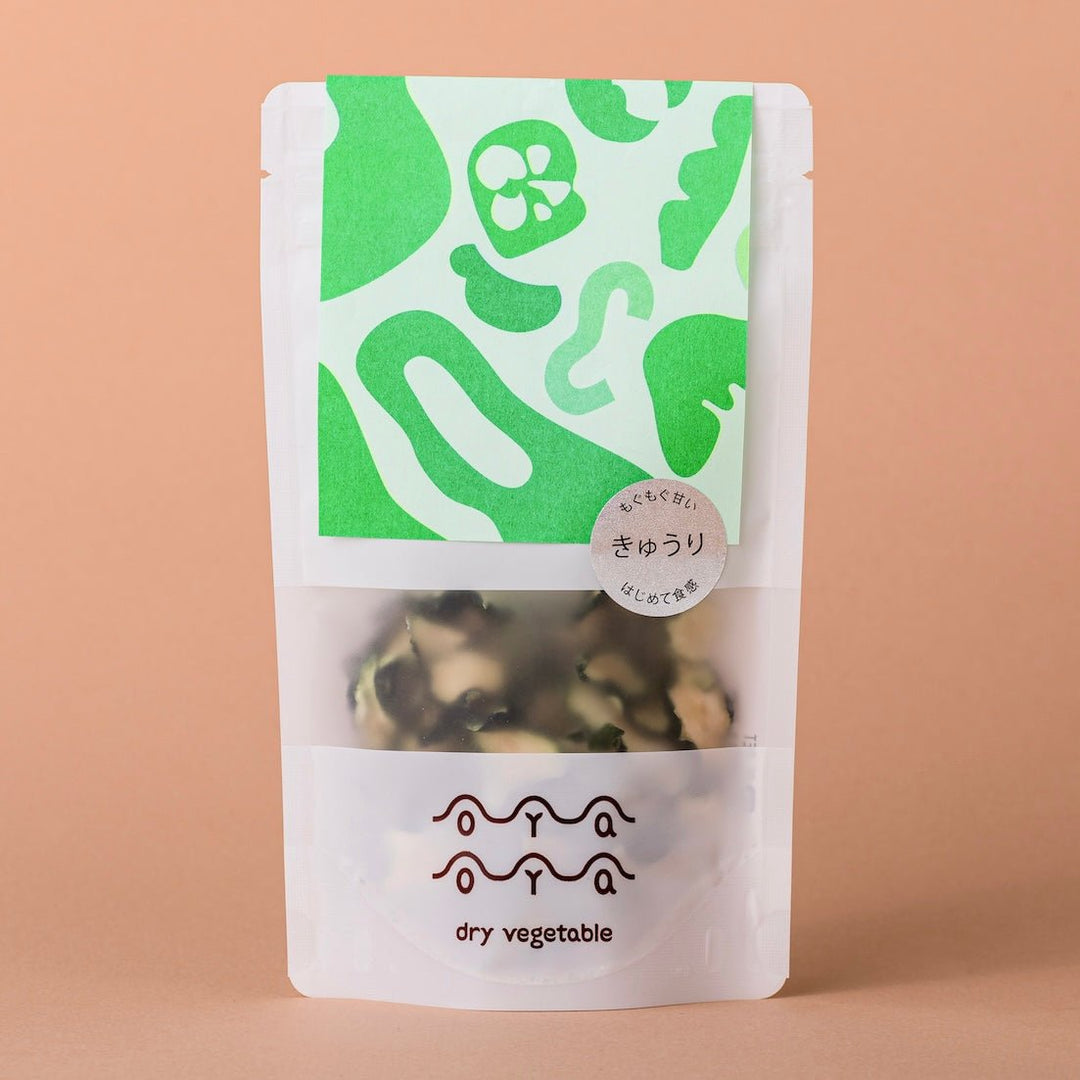
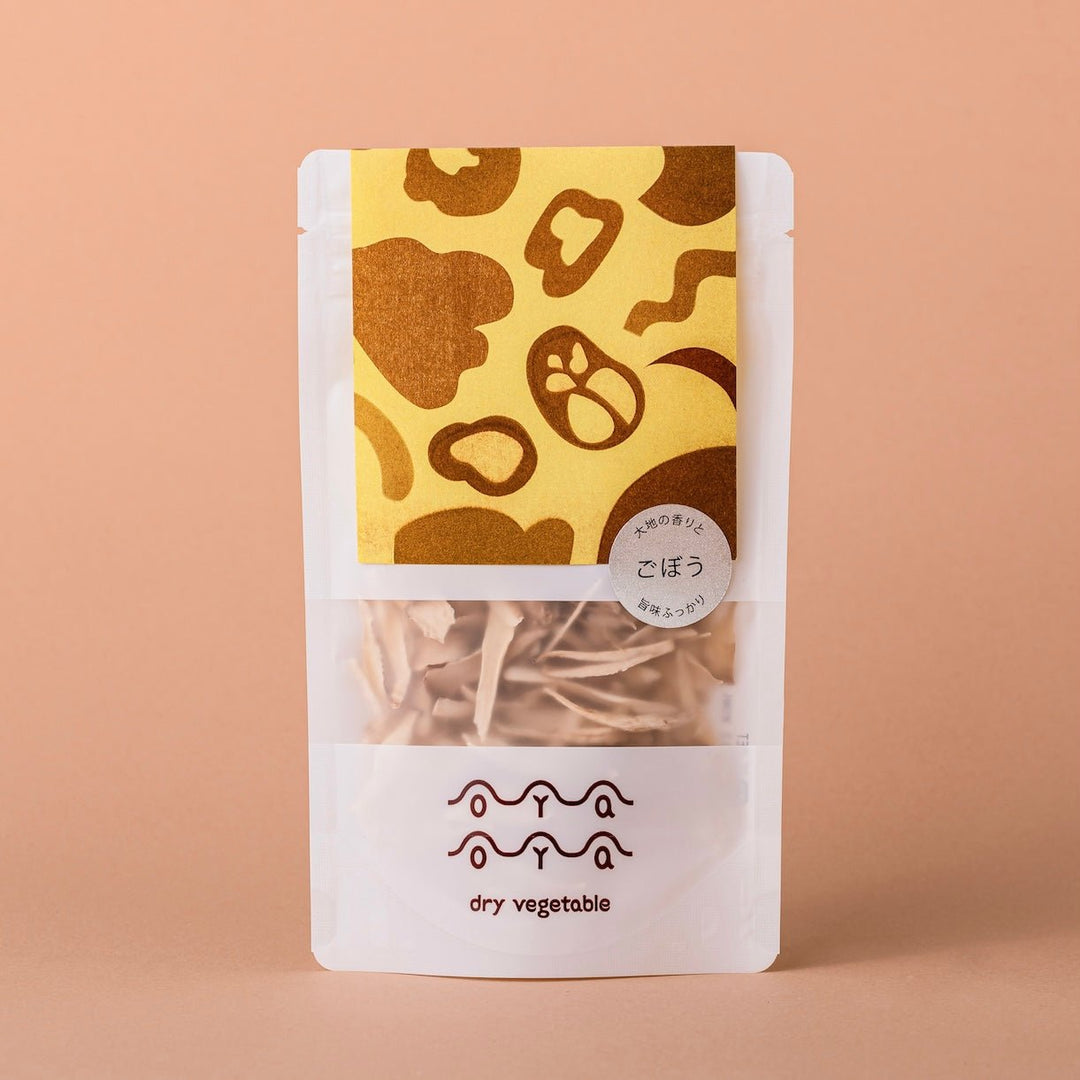
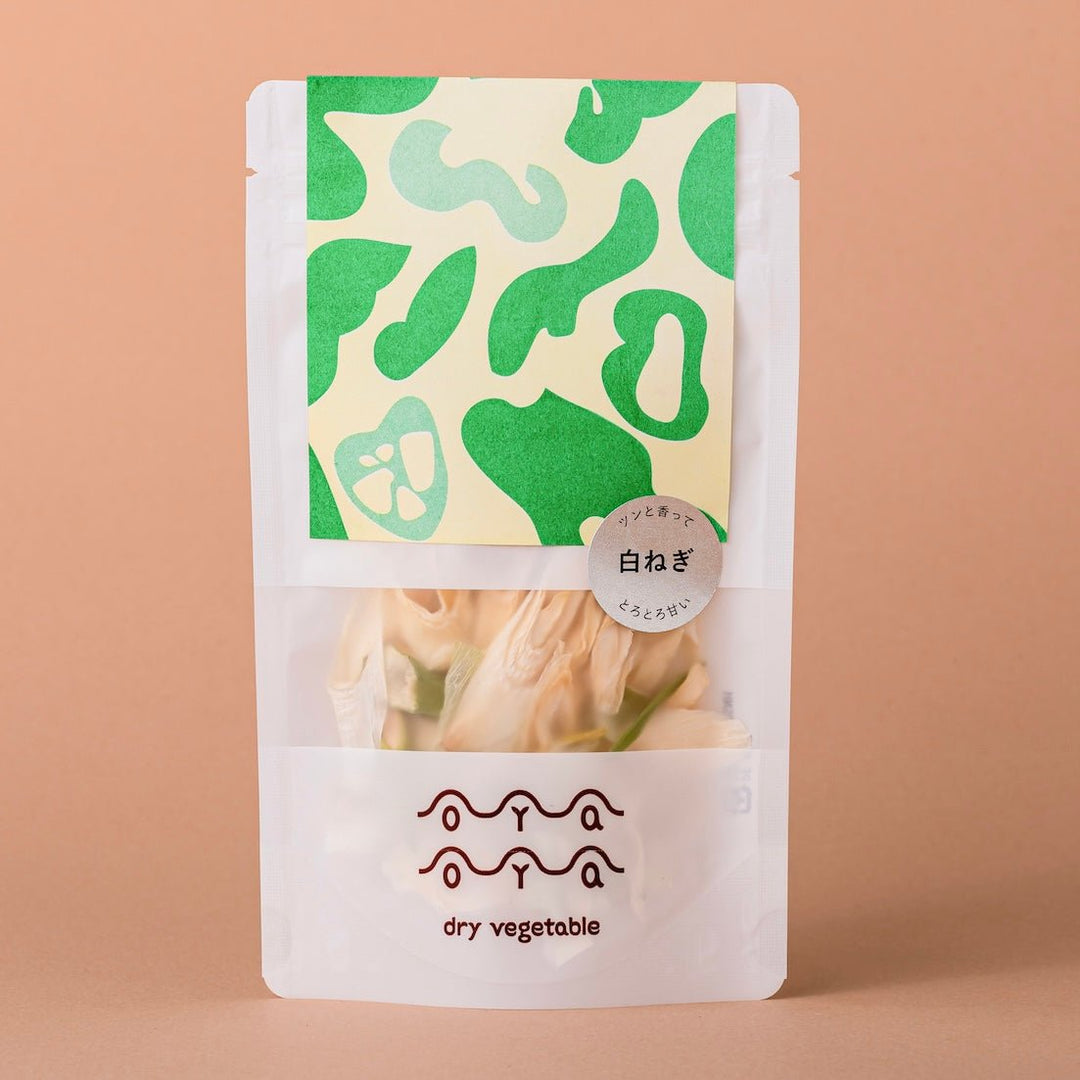
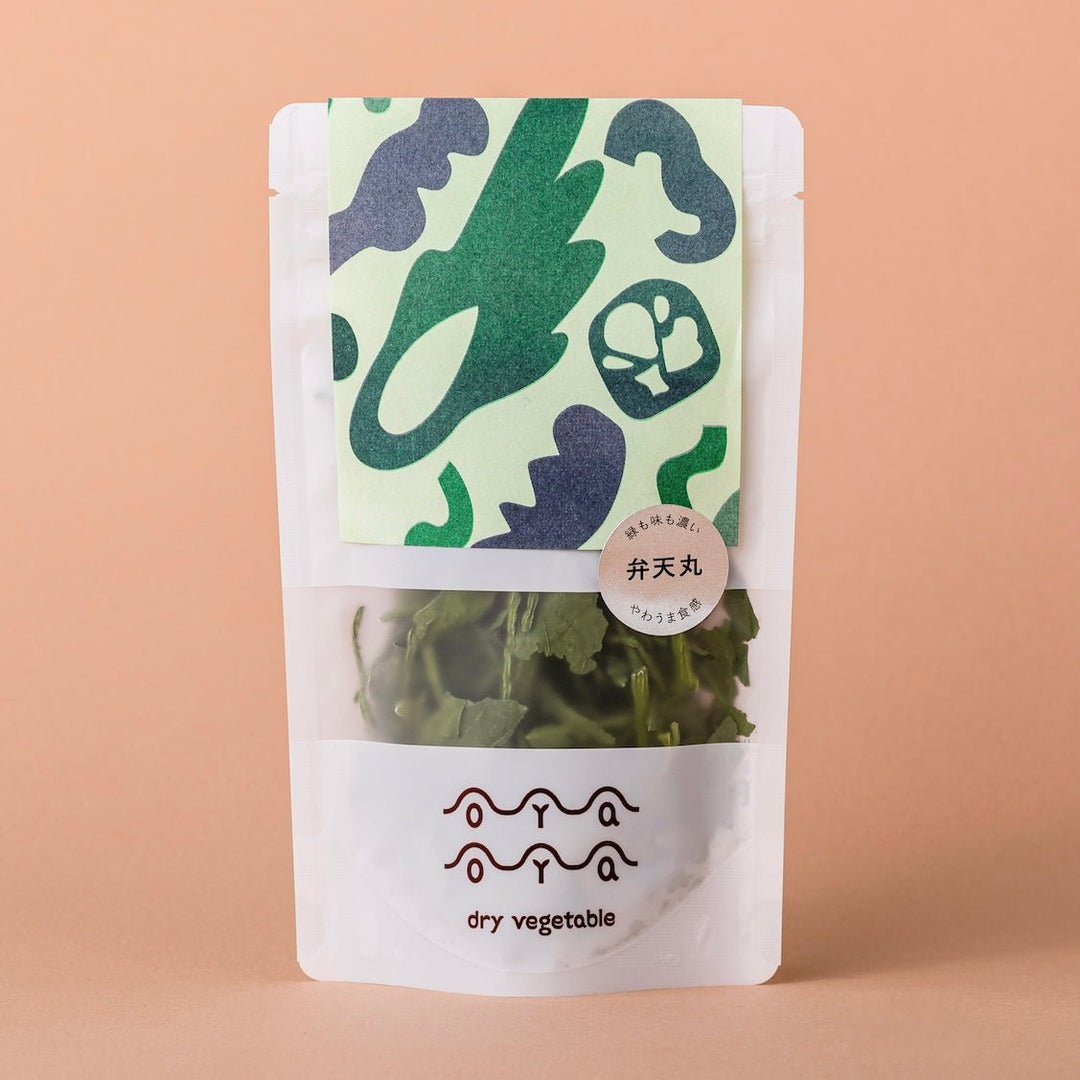
If you want to try dried vegetables that you can't find at the supermarket, making your own is highly recommended, of course. The process is incredibly simple! Just wipe the washed vegetables dry, cut them, and then sun-dry them in a well-ventilated, sunny spot. If you can't wait until you can make your own, then by all means, try the dried vegetables from OYAOYA.
Related Products
Learn More About Dried Vegetables
- 5 Easy Steps to Making Dried Vegetables
- How to Rehydrate Dried Vegetables | 10 Minutes to Restore Fluffy Umami
- Dried Vegetable Storage Methods and Shelf Life
- Miso Soup Transformed with Dried Vegetables! The Ultimate Ingredient with Concentrated Umami
- 7 Delicious Soup Recipes Made with Dried Vegetables
そのほかの乾燥野菜ブログ
View all